Author: Adams Charles

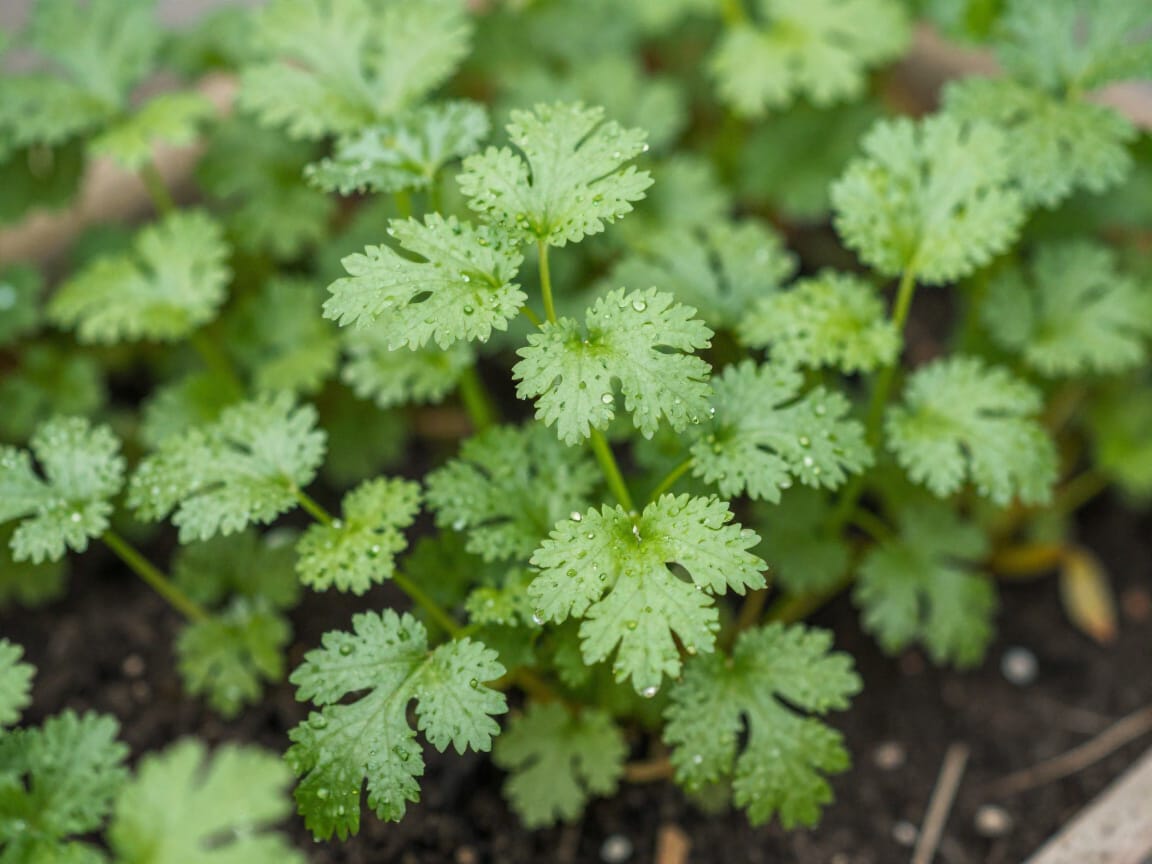
  • How to grow cilantro indoors from cuttings

    How to grow cilantro indoors from cuttings

    Every product is independently reviewed and selected by our editors. If you buy something through our links, we may earn an affiliate commission at no extra cost to you.

    Cilantro cannot be grown from stem cuttings the way you can with basil or mint. The stems don’t contain nodes capable of producing new roots, and they collapse quickly once cut.

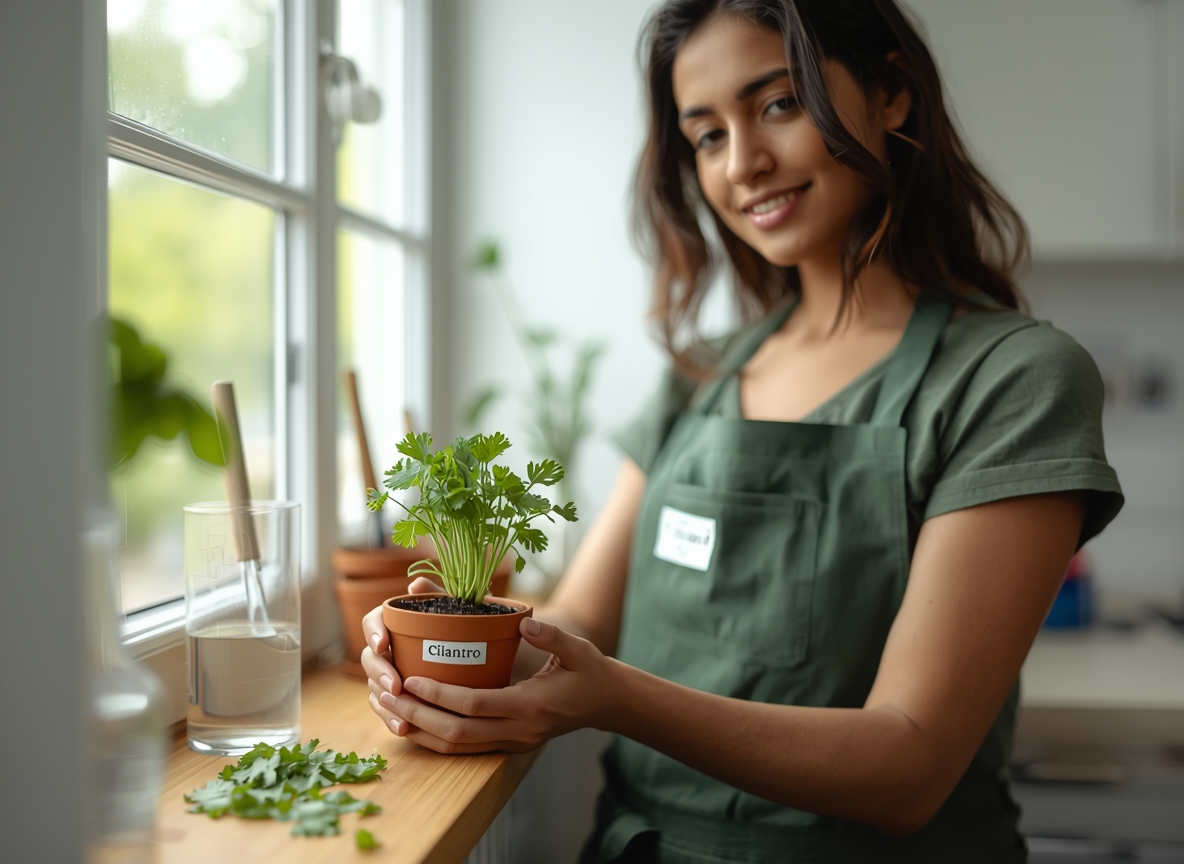
    But you can successfully grow cilantro indoors using rooted cilantro bunches (root crowns), which is the only reliable “cutting-style” method. I’ve done this multiple times in small indoor setups, and it works surprisingly well if the roots are healthy.

    Below is the simplest, beginner‑safe way to regrow cilantro indoors using roots, plus alternatives that give better long-term harvests.

    Why Cilantro Won’t Grow From Regular Stem Cuttings

    Cilantro isn’t built for vegetative propagation. The stems:

    • Are hollow and soft
    • Lack dormant rooting nodes
    • Wilt quickly after harvest
    • Rot in water or soil before any new growth can form

    So water rooting or soil rooting stems won’t work I’ve tested both in jars, perlite, and grow lights. They always collapse within 48 hours.

    The Only Method That Works: Regrowing Cilantro Indoors From Rooted Cuttings

    Look for cilantro sold with roots still attached (common in Asian, Indian, and Hispanic grocery stores). These can regrow because the plant still has its root crown—the part that can send up new shoots.

    This is the closest you’ll get to “propagating cilantro from cuttings.”

    What You’ll Need

    • Cilantro bunch with intact roots (very important)
    • 4–6 inch pot with drainage holes
    • Light, fluffy potting mix (compost + coco coir + perlite works well)
    • Scissors
    • Bright indoor spot (east window best) or small grow light
    • Spray bottle for gentle watering

    How to Grow Cilantro Indoors From Rooted Cuttings

    1. Trim the Stems Before Planting

    Cut the leafy stems down to 3–4 inches.

    Why: A full, leafy top pulls moisture faster than weak, recovering roots can supply. Trimming helps the plant re-establish.

    2. Prepare a Loose, Well-Drained Potting Mix

    Cilantro hates compact, soggy indoor soil.

    Use:

    • 50% potting soil
    • 30% compost
    • 20% perlite

    This keeps roots aerated and prevents rot (a common indoor issue).

    3. Plant the Roots

    • Bury the root section so the crown sits just at soil level.
    • Gently firm the soil don’t compress it.
    • Water lightly so everything settles, but don’t drench it.

    Place the pot in bright, indirect light.

    4. Keep Soil Slightly Moist

    Water only when the top inch feels dry.

    Indoor tip from experience: Cilantro roots rot much faster indoors than outdoors. Err on the side of slightly dry, especially the first week.

    5. Give It Strong Light

    For indoor regrowth, cilantro needs:

    • Bright east-facing light
    • Or south light filtered through sheer curtains
    • Or a grow light for 10–12 hours

    Weak light makes it bolt quickly or grow spindly.

    6. Wait for New Growth (7–14 Days)

    Successful regrowth signs:

    • New leaves forming at the crown
    • Foliage deepens in color
    • Stems stiffen and stand upright

    If the leaves yellow or flop:

    • Move closer to light
    • Reduce watering

    7. Harvest Lightly

    Once your cilantro is 5–6 inches tall:

    • Harvest outer stems only
    • Leave the center to keep producing
    • Don’t take more than 1/3 of the plant at once

    Regrown cilantro isn’t as long-lived as seed-grown, but it’s great for a few weeks of indoor use.

    Pro Tips From Hands-On Indoor Growing

    • Keep the pot cool cilantro bolts in warm indoor rooms.
    • Rotate weekly for even growth.
    • Avoid fertilizing until new leaves appear.
    • Use a fan on low for 5 minutes a day to prevent mildew.
    • Never leave water sitting in a saucer root rot happens fast indoors.

    Big beginner mistake: Planting cilantro roots in a warm kitchen near the stove. Instant bolting.

    FAQ

    Can cilantro stems root in water? No. They rot within 24–48 hours.

    Will cilantro regrow from just the top stems? No. You need the roots attached.

    Is regrowing cilantro indoors from roots long-lasting? Not really expect 2–4 weeks of good harvest.

    Why is my cilantro bolting indoors? Too warm or not enough light.

    Is growing cilantro from seed better? Yes. Seeds produce stronger, longer-lasting plants indoors.

    When Not to Use This Method

    Avoid this “root regrow” method if:

    • You don’t have bright light
    • Your indoor temps stay above 75°F
    • You only have cilantro stems without roots
    • You want continuous monthly harvests (seeds are better for that)

    Better Alternatives for Indoor Cilantro

    1. Growing Cilantro From Seed

    Most reliable and productive method. Reseed every 2–3 weeks for nonstop supply.

    2. Hydroponic Cilantro Indoors

    Clean, fast, and great for small kitchens.

    3. Deep-pot Dense Sowing

    Produces lush cilantro “mats” ideal for frequent cooking.

    Conclusion

    Growing cilantro indoors from cuttings in the traditional sense isn’t possible cilantro stems simply can’t root. But if you can get cilantro with intact roots, you can regrow it indoors for a short-term supply.

    For dependable, year‑round cilantro:

    • Use rooted bunches for quick regrowth
    • Use seeds for steady, long-term harvests
    • Keep plants cool, bright, and lightly watered

    With the right indoor setup, you can enjoy fresh cilantro even without outdoor space.

    If you want, I can also write:

    • A full SEO-optimized long-form article
    • A comparison of root regrowth vs seeds
    • A step-by-step indoor cilantro growing calendar
  • How to grow cilantro indoors without soil

    How to grow cilantro indoors without soil

    Every product is independently reviewed and selected by our editors. If you buy something through our links, we may earn an affiliate commission at no extra cost to you.

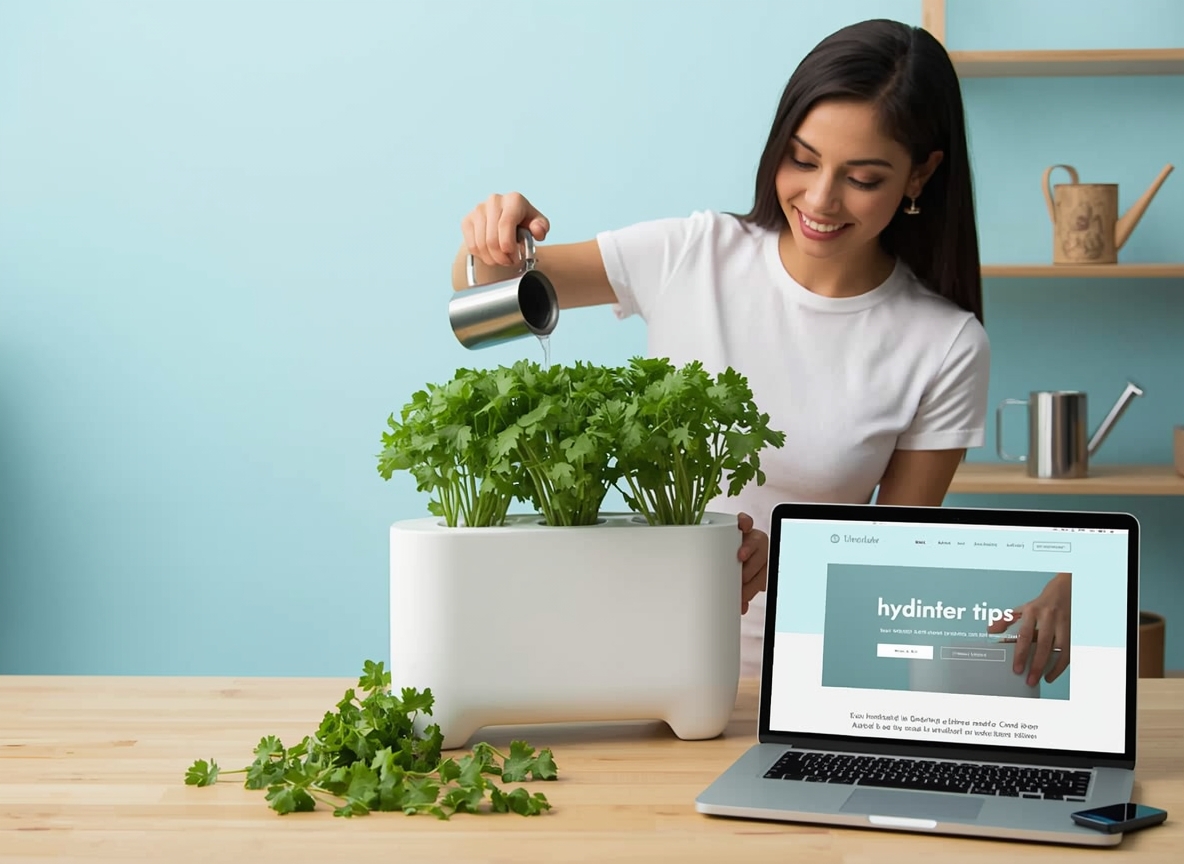
    Cilantro is one of the fastest herbs to grow, but indoors and especially without soil many beginners run into issues like leggy growth, yellow leaves, or rapid bolting. I’ve grown cilantro hydroponically on small apartment counters, under cheap LED lights, and even on a kitchen shelf with almost no sunlight. Soil‑free cilantro grows beautifully if you set up the roots correctly and keep the water stable.

    This method works because cilantro likes consistent moisture, cool roots, and even light conditions that hydroponics naturally provides. Once you get the basic setup right, indoor, soil‑free cilantro is clean, productive, and surprisingly low maintenance.

    Why Growing Cilantro Indoors Without Soil Works

    Cilantro’s natural habits actually match hydroponics well:

    • It prefers evenly moist conditions water culture provides that.
    • It dislikes root disturbance hydroponic roots stay untouched.
    • It grows quickly but doesn’t live long perfect for quick cycles.
    • It bolts (flowers) in heat water culture keeps roots cooler.

    The key is giving the plant enough light and oxygen so the roots don’t suffocate. With stable water and steady light, hydroponic cilantro grows cleaner and lasts longer than soil-grown indoor cilantro in my experience.

    What You’ll Need

    You don’t need a fancy setup. Even a simple jar method works.

    Basic items:

    • Cilantro (coriander) seeds
    • Container (glass jar, mason jar, or plastic cup)
    • Net cup (or DIY a cup with drilled holes)
    • Growing medium (clay pebbles, perlite, or coco cubes)
    • Liquid hydroponic nutrients (mild, balanced)
    • Clean water (filtered if your tap is hard or chlorinated)
    • Optional: LED grow light for low-light homes

    Budget-friendly alternatives:

    • Use a reused plastic food container as a reservoir
    • Use a piece of sponge or coco fiber as the medium
    • Use a cheap clamp-style grow light if sunlight is limited

    How to Grow Cilantro Indoors Without Soil: Step-by-Step

    1. Set Up Your Container (Kratky Method)

    The simplest soil-free method for beginners is the Kratky hydroponic method, which requires no pump or electricity.

    Steps:

    • Fill your jar or container with water, leaving 1–2 inches of air space at the top.
    • Add hydroponic nutrients following the bottle’s exact dilution instructions (cilantro burns easily if overfed).
    • Place your net cup in the opening so the bottom touches the water.
    • Add your growing medium into the cup.

    This gives roots both nutrient water and oxygen critical for cilantro.

    2. Prepare and Sow the Seeds

    Cilantro seeds are actually two seeds stuck together.

    • Gently crush the coriander seeds between your fingers to split them.
    • Sprinkle 8–12 seeds into the net cup.
    • Cover lightly with your medium.
    • Mist slightly so the seeds settle in place.

    Germination takes 5–10 days indoors.

    3. Provide Strong, Even Light

    Cilantro needs more light than people expect, especially without soil.

    Best indoor light:

    • East-facing window (morning sun)
    • South window with filtered light
    • LED grow light 6–10 inches above the plant

    If stems stretch tall with small leaves, they need more light.

    Indoor note: Every time I tried cilantro in a dim kitchen, it bolted early. Adding even a cheap LED light made the difference between a thin bunch and a full, leafy harvest.

    4. Keep Water Levels Correct

    The water should touch the bottom of the net cup only during the early stages. As roots grow, they should hang into the water while the top portion remains in the air.

    Check weekly:

    • Top up water if it drops too far
    • Maintain nutrient strength with each refill
    • Keep water cool and out of direct sun

    If roots turn brown, change water immediately.

    5. Maintain Cool Temperatures

    Cilantro bolts fast when warm. Indoors, aim for:

    • 60–70°F daytime
    • Cooler evenings if possible
    • No warm spots near stoves, heaters, or sunny windowsills

    Hydroponic water warms quickly in direct sun keep the reservoir shaded.

    6. Harvest Early and Often

    Start cutting leaves once the plant is 4–6 inches tall.

    Harvesting tips:

    • Snip outer stems first
    • Never cut more than one-third at a time
    • Frequent harvesting delays bolting

    Hydroponic cilantro grows quickly but doesn’t last forever expect each planting to produce well for 4–6 weeks.

    Pro Tips & Best Practices

    • Add a small air stone if algae or root issues appear oxygen boosts growth.
    • Wrap the container in foil or fabric to block light and prevent algae.
    • Rotate the plant weekly for even growth under a window or grow light.
    • Keep nutrient levels mild cilantro dislikes heavy feeding indoors.
    • If the water smells, replace it immediately (usually caused by heat).

    Beginner mistake: Placing the jar in strong direct sunlight after germination. It overheats the water and causes instant bolting.

    Frequently Asked Questions

    1. Can cilantro grow in just water without nutrients? It can sprout, but it won’t grow well. Cilantro needs nutrients after the first true leaves appear.

    2. How long does hydroponic cilantro last indoors? About 4–6 weeks of good harvest before it naturally starts to decline.

    3. Why is my hydroponic cilantro turning yellow? Usually low nutrients, too much heat, or insufficient light.

    4. Do I need a pump for soil-free cilantro? Not for the Kratky method. Pumps help but aren’t required for beginners.

    5. Can I grow cilantro indoors without soil using a mason jar? Yes this is one of the cleanest and easiest methods.

    6. Why is my cilantro bolting indoors? Warm temperatures or poor lighting are the usual causes.

    When Not to Grow Cilantro Indoors Without Soil

    You may struggle if:

    • Your home is consistently warm (75°F+)
    • You don’t have a bright window or grow light
    • You can’t check water levels weekly
    • The container sits in direct sun (heats water)

    Hydroponic cilantro needs cool, stable conditions.

    Alternative Soil-Free Methods

    1. Full Hydroponic System

    Pros: Strong growth, steady harvest Cons: Higher cost, more maintenance

    2. Kratky Method (Best for Beginners)

    Pros: No pump, cheap, clean Cons: Works best for short life-cycle crops

    3. AeroGarden or Similar Units

    Pros: Automated lights and feeding Cons: Expensive, pods can be limiting

    For most indoor gardeners, the simple Kratky jar setup is more than enough.

    Conclusion

    Learning how to grow cilantro indoors without soil is all about stable water, strong light, and cool temperatures. With a basic jar setup and a few seeds, you can harvest fresh cilantro right from your kitchen without dealing with pots or soil.

    Set up a deep container, keep the water cool, give the plant steady light, and harvest often. Once you get the rhythm, hydroponic cilantro becomes a clean, reliable, year‑round addition to your indoor garden.

    Enjoy your fresh, homegrown cilantro!

  • How to grow cilantro indoors year round

    How to grow cilantro indoors year round

    Every product is independently reviewed and selected by our editors. If you buy something through our links, we may earn an affiliate commission at no extra cost to you.

    Cilantro is one of those herbs that looks easy on paper but frustrates a lot of indoor gardeners. It grows fast outdoors, but inside it often gets leggy, collapses after a few weeks, or bolts (flowers) before you ever get a decent harvest. I ran into all these issues in my own apartment gardens north windows, east windows, grow lights, kitchen counters and learned that cilantro behaves very differently indoors.

    The truth: cilantro can grow indoors year‑round, but only if you set it up correctly from the start. Once you give it the right soil depth, steady light, and regular reseeding schedule, it becomes one of the most dependable herbs for indoor kitchens.

    Here’s a practical, experience-tested guide that works for beginners and small-space gardeners.

    Why Cilantro Is Tricky Indoors (and Why This Method Works)

    Cilantro has a few natural growth habits that cause trouble indoors:

    • It has a long taproot and hates shallow pots
    • It prefers cool temperatures and bolts quickly when warm
    • Indoor light is much weaker than outdoor sun
    • It grows as a short-lived herb one planting doesn’t last long

    Instead of fighting these traits, this method works with them:

    • Use deep pots so roots don’t get cramped
    • Keep it cool and bright to delay bolting
    • Grow from seed (cilantro hates transplanting)
    • Reseed every 2–3 weeks for continuous, year‑round harvests

    This is the only setup that has consistently produced strong, leafy cilantro for me indoors.

    What You’ll Need

    • Deep pot (6–8 inches minimum) with drainage holes
    • Quality potting soil (light, loose, not heavy garden soil)
    • Fresh cilantro seeds (also called coriander seeds)
    • Grow light or a bright window (east-facing works best)
    • Small watering can or spray bottle
    • Organic fertilizer (mild, balanced liquid feed)

    Budget-friendly options:

    • Use recycled food containers with holes punched in the bottom
    • Mix compost + coco coir + perlite as a low-cost potting mix
    • Split coriander seeds from your kitchen spice jar (crush lightly to separate the halves)

    How to Grow Cilantro Indoors Year‑Round:

    1. Choose a Deep Container

    Cilantro develops a surprisingly long taproot. Shallow pots = stunted plants that bolt early.

    Ideal pot:

    • 6–8 inches deep
    • 8–12 inches wide
    • Excellent drainage

    If you’ve been growing cilantro in a tiny herb pot this alone will change everything.

    2. Prepare the Soil

    Cilantro prefers loose, airy soil that drains well.

    Best indoor mix:

    • 50% potting soil
    • 25% compost
    • 25% perlite or coarse sand

    Soil should feel fluffy. Compacted soil causes weak growth.

    3. Sow Seeds Generously

    Cilantro grows best when sown thickly. Don’t plant just a few seeds.

    Steps:

    • Lightly crush the coriander seeds to split them (each pod has two seeds).
    • Sprinkle evenly across the soil surface.
    • Cover with 1/4 inch of soil.
    • Mist gently so you don’t displace the seeds.

    Germination usually takes 5–10 days indoors.

    4. Give Cilantro Proper Light

    This is where most indoor cilantro fails. It needs strong, consistent light.

    Best options:

    • East-facing window: reliable morning sun
    • South-facing window: filtered mid-day sun
    • LED grow light: 12–14 hours daily

    If your stems grow thin and stretch toward the window, you need more light.

    Indoor observation: Whenever my cilantro leans more than 15–20 degrees toward the window, I move it closer or add a grow light.

    5. Keep It Cool (Cilantro Bolts in Heat)

    Cilantro thrives at:

    • 60–70°F daytime
    • Cooler nights are ideal

    Avoid:

    • Warm kitchens near ovens
    • Spots above heaters or radiators
    • West windows that overheat in the afternoon

    Cilantro that stays cool stays leafy.

    6. Water Correctly

    Cilantro likes consistent moisture but not soggy soil.

    Water when:

    • The top 1 inch feels dry
    • Leaves begin to droop slightly
    • Soil looks lighter in color

    Use bottom watering occasionally to avoid fungus on stems.

    7. Begin Harvesting Early (This Helps Prevent Bolting)

    Start snipping at 4–6 inches tall.

    Best method:

    • Cut no more than one-third of the plant at a time
    • Always take outer, older stems first
    • Let the center keep growing

    Frequent harvesting encourages fresh, leafy growth.

    8. Reseed Every 2–3 Weeks for Year‑Round Supply

    Cilantro naturally has a short life cycle. Indoors, one planting lasts 4–6 weeks before getting thin or trying to flower.

    To maintain constant harvests:

    • Start a new pot every 2–3 weeks
    • Let older pots grow out and collect seeds if you want

    This is the secret behind “year-round cilantro” indoors.

    Pro Tips & Best Practices

    • Rotate pots weekly for even growth.
    • Use a small fan for 10 minutes a day to strengthen stems and prevent fungus.
    • Use a shallow tray to sow backup seeds so you always have young plants ready.
    • Don’t overfertilize too much nitrogen makes cilantro taste weak.
    • If stems droop in warm weather, mist lightly in the evening.

    Beginner mistake to avoid: Transplanting cilantro starts. Cilantro hates root disturbance and sulks in small pots.

    Frequently Asked Questions

    1. Why does my indoor cilantro get tall and leggy? Insufficient light. Move it closer to a window or use a grow light.

    2. How often should I water cilantro indoors? Usually every 3–5 days, but always check soil first. Overwatering leads to root rot.

    3. Can cilantro grow indoors without a grow light? Yes, but only in a bright east or south window. Dim rooms won’t work.

    4. Why does my cilantro bolt so quickly indoors? Heat or small pots are the main cause. Keep it cool and use deeper containers.

    5. Can I grow cilantro from store-bought coriander seeds? Yes crush them lightly to separate the halves and sow them normally.

    6. How long does indoor cilantro last? Each planting gives 4–6 weeks of good harvest, which is why reseeding is essential.

    When NOT to Grow Cilantro Indoors Year‑Round

    You may struggle if:

    • Your home stays above 75°F consistently
    • You only have low-light windows
    • You’re using tiny herb pots
    • You don’t want to reseed regularly

    If light is the issue, a small $10 grow light solves most problems.

    Alternative Methods

    Hydroponic or Kratky Cilantro Pros: Fast, clean, consistent Cons: Can bolt quickly if water gets warm

    Grow lights + deep pots Pros: Perfect year‑round setup Cons: Requires a small upfront investment

    Outdoor-to-indoor rotation Pros: Strong plants Cons: Only possible in mild climates

    For most home gardeners, the deep-pot + reseeding method is simplest and most reliable.

    Conclusion

    Learning how to grow cilantro indoors year‑round comes down to understanding the plant’s natural habits deep roots, cool temperatures, strong light, and short life cycles. When you give it what it truly needs, cilantro becomes one of the easiest herbs to keep in constant rotation.

    Set up a deep pot, place it in bright light, water consistently, and reseed every few weeks. With this rhythm, you’ll never be without fresh cilantro for cooking again.

    Happy growing and enjoy those steady, year-round harvests!

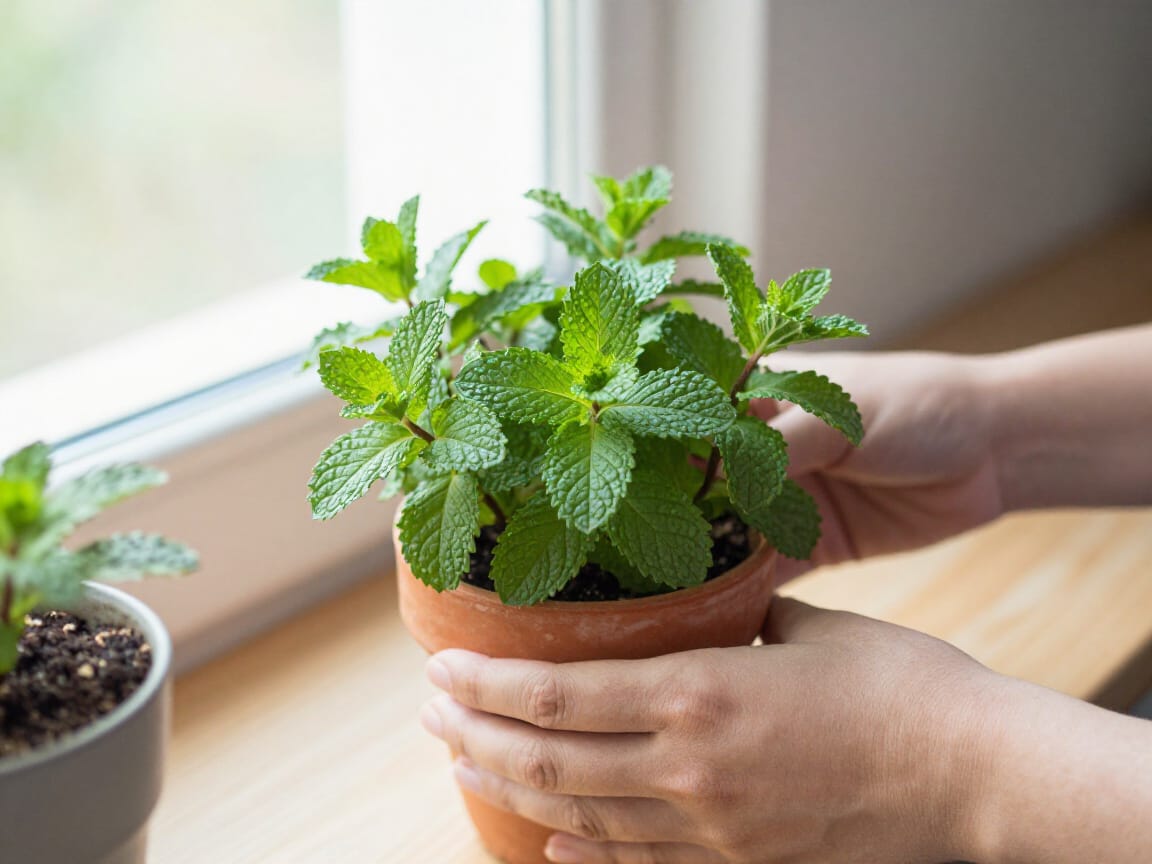
  • How to keep mint plant alive indoors  A Beginner Friendly Guideline

    How to keep mint plant alive indoors A Beginner Friendly Guideline

    Every product is independently reviewed and selected by our editors. If you buy something through our links, we may earn an affiliate commission at no extra cost to you.

    Many new indoor gardeners bring home a mint plant only to watch it collapse within a few weeks yellowing leaves, lanky stems, or soil that stays wet no matter how little you water. I’ve had this happen in my own kitchens, balconies, and shaded apartments over the years, and the pattern is always the same: mint grows aggressively outdoors, but indoors it struggles with low light, stale air, and overwatering.

    The good news is that a mint plant can thrive indoors if you recreate a few simple outdoor conditions. With the right light, watering habits, and pot setup, mint becomes one of the easiest herbs to keep alive year‑round.

    Below is a practical, experience-driven guide you can apply immediately no fancy equipment needed.

    Why Mint Struggles Indoors (And Why This Method Works)

    Mint is genetically wired to grow fast, branch out, and spread. Indoors, however, it faces a few biological challenges:

    • Indoor light is much weaker than outdoor sunlight, so stems stretch and weaken.
    • Soil takes longer to dry inside, which suffocates mint’s shallow, oxygen-loving roots.
    • Indoor air circulation is low, increasing the risk of fungal issues.
    • Heaters and AC units create hot or dry spots that stress foliage.

    The method below focuses on correcting these issues with practical, beginner-safe adjustments I’ve tested across multiple indoor setups north windows, east windows, balcony rooms, and even under grow lights.

    What You’ll Need

    • Healthy mint plant (store-bought or home-grown)
    • Pot with drainage holes (critical!)
    • Light, well-draining potting mix (Indoor plant mix or a blend of compost + coco coir + perlite)
    • Tray or saucer for bottom watering
    • Scissors for trimming
    • Optional: Small fan or grow light if light is limited

    Eco-friendly options:

    • Reuse pots or jars with drilled drainage holes
    • Compost-based mixes
    • Organic liquid fertilizers (diluted)

    How to Keep a Mint Plant Alive Indoors: Step-by-Step

    1. Choose the Right Location (This Matters More Than Anything)

    Mint needs bright, indirect light at least 4–6 hours.

    Best indoor spots (in order):

    • East-facing window
    • South-facing window with filtered light
    • Under LED grow lights (6–8 inches above plant)

    Avoid:

    • North windows (too dim)
    • Direct, harsh afternoon sun indoors it overheats fast
    • Shelves far from windows (mint becomes leggy in days)

    2. Repot Into a Proper Container Immediately

    Store-bought mint almost always comes root-bound. Repotting prevents early decline.

    Ideal pot:

    • 4–6 inches wide
    • Good drainage holes
    • Light soil that drains quickly

    Signs your soil is right:

    • It feels fluffy, not dense
    • Water passes through in a few seconds
    • Leaves stay upright after watering

    3. Water Correctly (The Most Common Indoor Mint Problem)

    Mint likes moisture but hates soggy roots.

    Use this beginner-safe method:

    • Water only when the top inch of soil feels dry.
    • Water thoroughly until water drains out.
    • Empty the saucer after 10–15 minutes.
    • In cool homes (winter), water less often usually every 5–7 days.
    • In warm homes, it may need water every 2–3 days.

    Indoor test from experience: If your mint’s leaves droop and recover after watering, your timing is perfect. If they droop but don’t recover, it’s overwatered.

    4. Keep Air Moving Around the Plant

    Mint indoors gets fungal spots when the air is too still.

    Simple fixes:

    • Crack a window for a few hours daily
    • Place the plant slightly away from walls
    • Use a small fan on low for 10 minutes a day

    This mimics outdoor airflow and reduces disease dramatically.

    5. Trim Regularly to Encourage Bushy Growth

    Mint becomes tall and spindly indoors if you don’t prune it.

    How to trim:

    • Pinch off the top 1–2 inches above a leaf node
    • Harvest small amounts weekly

    This forces new branching and keeps your plant compact, leafy, and fresh.

    6. Feed Sparingly (Too Much Fertilizer Weakens Mint)

    Indoors, mint grows slower and needs very light feeding.

    Use:

    • Diluted organic fertilizer once a month
    • Or compost tea every 4–6 weeks

    Signs of overfeeding:

    • Soft, oversized leaves
    • Weak, floppy stems

    Pro Tips & Best Practices

    • Rotate the pot weekly so the plant grows evenly.
    • Keep it away from heaters mint hates dry, warm air.
    • Use bottom watering occasionally to prevent fungus on stems.
    • If leaves curl downward, reduce watering frequency.
    • If leaves pale, give more light or move closer to a window.

    Beginner mistake to avoid: Keeping mint in the plastic nursery pot. It holds too much moisture indoors.

    Frequently Asked Questions

    1. Why is my indoor mint turning yellow? Usually from overwatering or low light. Let soil dry more between waterings and move the plant closer to bright light.

    2. How often should I water mint indoors? Typically every 3–7 days depending on room temperature and pot size. Always check the soil first.

    3. Can mint survive indoors in winter? Yes, as long as it has bright light. Using a grow light in winter helps keep it compact and healthy.

    4. Why is my mint leggy? It’s stretching for more light. Move it closer to a window or add a grow light.

    5. Should I remove flowers from my mint plant? Yes pinching off flowers encourages more leafy growth and better flavor.

    6. Can I keep mint in the kitchen? Yes, but keep it away from heat sources like stovetops and radiators.

    When NOT to Keep Mint Indoors

    Indoor mint care may fail if:

    • Your home has extremely low light (no bright windows)
    • You keep the plant in a pot without drainage
    • Temperatures fluctuate heavily from AC or heaters
    • Soil stays wet for more than 5–7 days

    If light is the issue, a small grow light is the safest fix.

    Alternative Methods for Growing Indoor Mint

    1. Grow Mint From Cuttings Pros: Fast, cheap, reliable Cons: Needs an initial healthy stem

    2. Grow Mint Under Full-Time Grow Lights Pros: Strong, bushy growth Cons: Requires a small upfront cost

    3. Hydroponic Mint Indoors Pros: Very fast growth Cons: Not ideal for beginners or tight budgets

    For most home gardeners, a simple repotted plant near a bright window is perfect.

    Conclusion

    Learning how to keep a mint plant alive indoors comes down to a few essentials: bright indirect light, good drainage, controlled watering, and regular trimming. Once you get these basics right, mint becomes one of the most dependable indoor herbs fresh, fragrant, and ready for harvest year-round.

    Be patient, observe your plant closely, and adjust based on its growth. Indoor gardening isn’t about perfection; it’s about small, consistent habits that keep your herbs thriving.

    Enjoy the fresh mint aroma and many cups of homegrown herbal tea ahead!

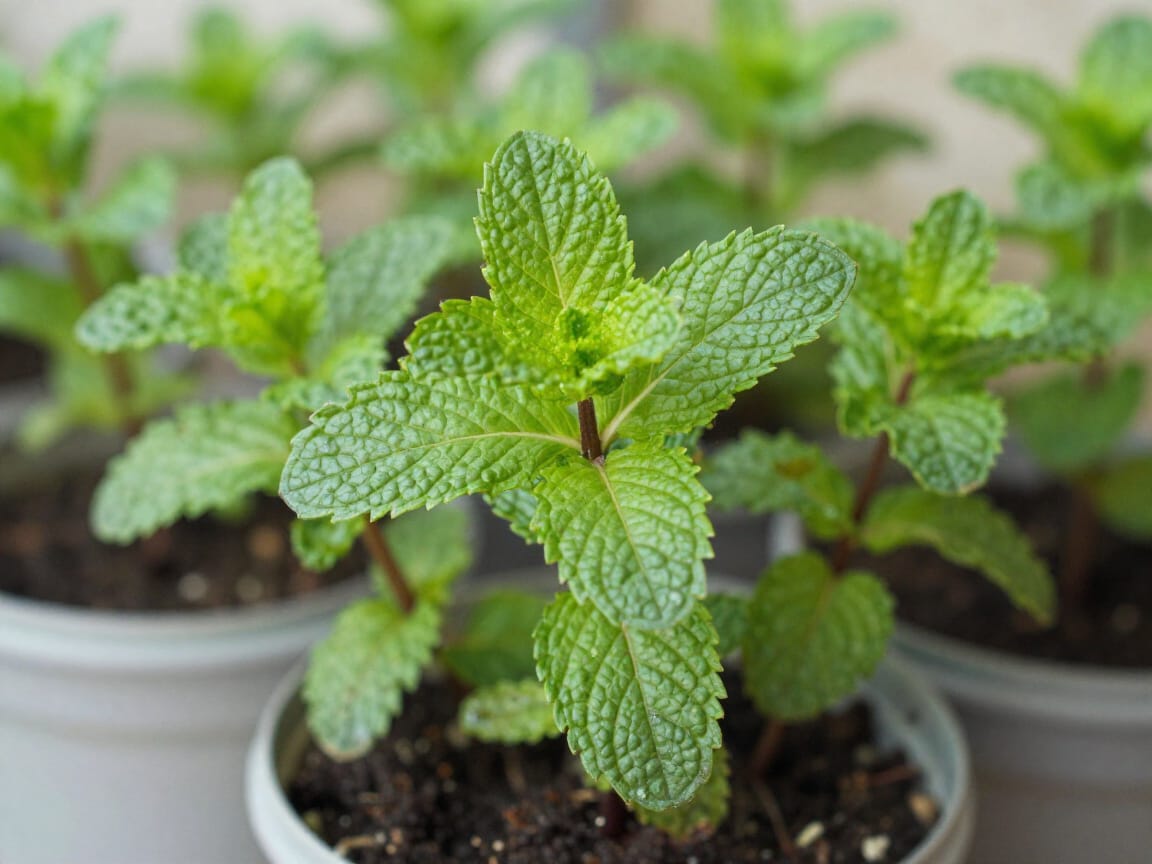
  • How to grow mint indoors from cuttings

    How to grow mint indoors from cuttings

    Every product is independently reviewed and selected by our editors. If you buy something through our links, we may earn an affiliate commission at no extra cost to you.

    If you’ve ever bought a bunch of supermarket mint only to watch it wilt in a day or two, you’re not alone. Mint is one of the easiest herbs to root, yet many beginners struggle with soft, droopy stems or cuttings that rot before they grow roots.

    In real home gardens and especially on windowsills mint behaves differently than it does outdoors. Indoor light is weaker, humidity fluctuates, and soil stays wet longer. After growing mint in small apartments, balcony gardens, and a shaded backyard for years, I’ve found that cuttings are the most reliable way to start a thriving indoor mint plant.

    The good news: once you understand what mint needs, rooting cuttings indoors is quick, clean, and very cost‑effective.

    This guide walks you through each step with clear, practical instructions you can use immediately.

    Why Growing Mint Indoors From Cuttings Works So Well

    Mint is naturally vigorous and genetically “programmed” to spread. From a horticultural standpoint:

    • Mint stems contain nodes packed with dormant root cells. When those nodes touch moisture, they activate and form new roots.
    • Unlike many herbs, mint doesn’t mind being propagated in water or soil—it usually roots within 5–10 days.
    • Cuttings skip the slow seed stage. You get a clone of a healthy plant that’s already adapted to your kitchen climate or indoor conditions.

    In my own indoor setups, cuttings outperform seeds every time, especially during cooler months when germination is slow.

    What You’ll Need

    You don’t need special equipment. A basic kitchen windowsill setup works perfectly.

    • Fresh mint stems (from your garden or a grocery-store bunch)
    • Clean scissors or pruners
    • Glass jar or cup (for water rooting)
    • Small pot with drainage holes (for soil rooting)
    • Potting mix (light, well-draining; I prefer an indoor houseplant mix)
    • Optional: Organic rooting hormone (not essential for mint)
    • Sunny indoor spot (east- or south-facing window)
    • Spray bottle for gentle watering

    Eco-friendly options:

    • Reuse glass jars as propagation vessels
    • Mix your own potting soil with compost + coco coir + perlite

    How to Grow Mint Indoors From Cuttings: Step-by-Step

    Step 1: Select the Right Mint Stems

    Choose stems that are:

    • 4–6 inches long
    • Healthy and upright
    • Free from pests (mint aphids love hiding under leaves)

    Avoid old, woody stems young, flexible ones root fastest.

    Step 2: Make a Clean Cut

    Cut the stem right below a node (the bump where leaves grow). Nodes are where new roots will form.

    Remove the bottom 2–3 sets of leaves so no foliage sits in water or soil. Leaves below the water line almost always rot indoors.

    Step 3: Decide on a Rooting Method

    Mint roots well in water or soil. Here’s how to choose:

    Water rooting:

    • Easiest for beginners
    • Fast visual feedback (you see the roots!)
    • Best for cool apartments or winter months

    Soil rooting:

    • Transplant shock‑free
    • Roots develop stronger and faster
    • Best for warm, bright indoor spaces

    Step 4A: How to Root Mint Cuttings in Water

    • Fill a glass with room-temperature water.
    • Place cuttings so only the bare nodes are submerged.
    • Set the jar in bright, indirect light (not harsh window sun).
    • Replace water every 2–3 days to prevent slime buildup.
    • Roots usually appear within 5–7 days.

    Rooting tip: Indoors, water warms up quickly on sunny windowsills warm water speeds rot. I keep mine slightly back from direct light.

    Step 4B: How to Root Mint Cuttings in Soil

    • Fill a small pot with slightly damp potting mix.
    • Insert cuttings so 1–2 nodes are buried.
    • Firm the soil lightly with your fingers.
    • Place a clear plastic bag loosely over the pot to maintain humidity (ventilate daily).
    • Keep the pot in bright, indirect light.
    • Water gently when the top inch feels dry.

    In my experience, soil-grown cuttings establish faster and grow thicker stems.

    Step 5: Transplanting Rooted Cuttings

    If you rooted in water:

    • Wait until roots are at least 1–2 inches long
    • Plant gently into a pot filled with moist soil
    • Water lightly and keep shaded for 48 hours to reduce stress

    Pot size: Start small (4–6 inch pot). Mint explodes quickly and outgrows large pots indoors if given too much root room early on.

    Step 6: Give Your New Mint the Right Indoor Conditions

    Mint prefers:

    • Bright, indirect sunlight (4–6 hours daily)
    • Cool to moderate temperatures (60–75°F)
    • Regular watering but never soggy soil
    • Occasional trimming to encourage bushy growth

    If stems grow thin or pale, the plant wants more light.

    Pro Tips & Best Practices

    • Rotate pots weekly so stems don’t lean toward the window.
    • Water from the bottom to keep leaves dry and fungal issues minimal.
    • Pinch off the growing tips every few weeks to encourage branching.
    • Avoid keeping mint right above a heater dry heat stresses it quickly.
    • If cuttings droop after transplanting, mist lightly and shade for a day.

    Common beginner mistake: Overwatering. Indoor soil stays wet much longer than outdoor beds, especially in winter.

    Frequently Asked Questions

    1. How long does it take for mint cuttings to root indoors? Usually 5–10 days in water and 4–7 days in soil if light and temperature are good.

    2. Why are my mint cuttings turning black or mushy? This usually means they were kept in direct sun or the water wasn’t changed often, causing stem rot.

    3. Can I grow mint indoors year-round from cuttings? Yes mint is one of the few herbs that stays productive indoors even in winter, as long as you have bright light.

    4. Should I use fertilizer on new mint cuttings? Not immediately. Wait 3–4 weeks, then use a diluted organic liquid fertilizer once a month.

    5. Can I root mint cuttings under grow lights? Absolutely. LED grow lights produce strong, compact growth. Just keep the lights 6–10 inches above the plant.

    6. Is grocery-store mint good for cuttings? Yes. As long as stems are fresh and not woody, they root beautifully.

    When NOT to Use This Method

    Growing mint indoors from cuttings may not be ideal if:

    • You have very low-light rooms (mint becomes leggy and pale)
    • Your tap water is highly chlorinated (cuttings may stall)
    • Your indoor air is extremely dry (cuttings may wilt without humidity)

    Safer alternatives include:

    • Using filtered or rested water
    • Rooting under grow lights
    • Keeping a humidity dome over soil cuttings

    Alternative Methods

    Growing mint from seed Pros: Cheap Cons: Slow, uneven germination, weak winter growth

    Buying a nursery mint plant Pros: Instant harvest Cons: Often root-bound, may carry pests, expensive for beginners

    Root division (if you already have an outdoor mint patch) Pros: Very strong established plants Cons: Dirtier, not always beginner-friendly indoors

    For indoor gardeners, cuttings are the sweet spot: fast, clean, reliable.

    Conclusion

    Learning how to grow mint indoors from cuttings is one of the simplest, most satisfying skills for home gardeners. With a few healthy stems, a jar of water, and a bright windowsill, you can grow a steady supply of fresh mint year-round without buying new plants.

    Start with just a few cuttings, pay attention to light and moisture, and let the plant tell you what it needs. In a couple of weeks, you’ll have a thriving indoor mint plant ready for teas, salads, and everyday cooking.

    Happy growing and enjoy the fresh mint aroma filling your home!

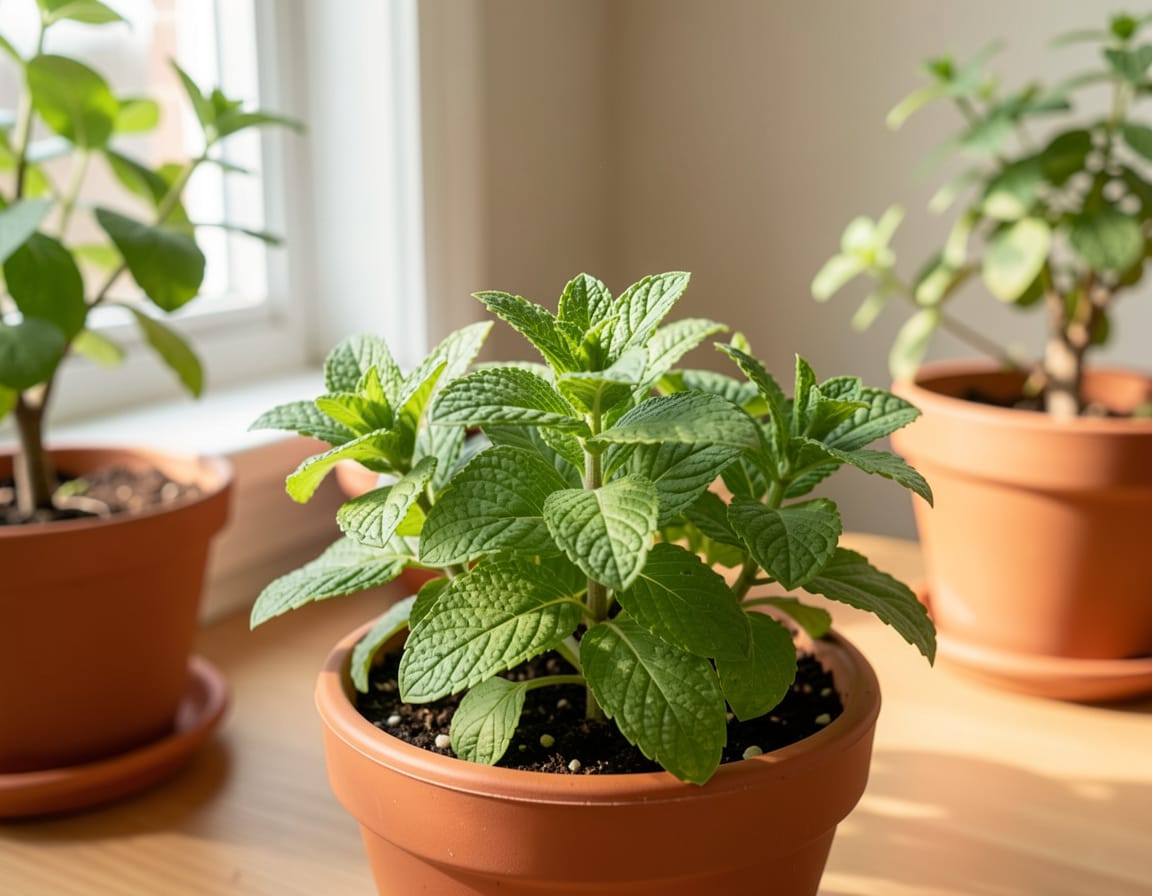
  • Can mint grow indoors without sunlight | A Practical Guideline

    Can mint grow indoors without sunlight | A Practical Guideline

    Every product is independently reviewed and selected by our editors. If you buy something through our links, we may earn an affiliate commission at no extra cost to you.

    If you’ve ever tried growing herbs indoors, you already know mint is one of the toughest, most forgiving plants you can keep. But the big question beginners often ask is: Can mint grow indoors without sunlight?

    Short answer: Yes but only if you give it the right type of artificial light and proper indoor conditions. From my own indoor herb setups on a shaded apartment balcony, mint will survive low light, but it won’t thrive unless you replace sunlight with a good-quality grow light and adjust watering carefully.

    Below is the exact method I use when growing mint indoors in spaces with almost zero natural light.

    Why Mint Can Grow Indoors Without Sunlight (If You Replace It Properly)

    Mint is naturally tolerant of shade. In the garden, I often find it spreading under taller plants or along walls that only get indirect light. It’s not as sun-hungry as basil or rosemary.

    Here’s why mint tolerates low light:

    • Large leaf surface: The broad leaves can capture light efficiently, even when the light is weak.
    • Fast growth habit: Mint has vigorous roots and stems that recover quickly if conditions improve.
    • Adaptable metabolism: It can photosynthesize under lower light compared to many herbs.

    But here’s what beginners often miss: Indoors, typical room lighting is nowhere near enough for photosynthesis. Even a bright indoor bulb is only a fraction of what mint gets outdoors. So if there’s no sunlight at all, mint must have a grow light.

    What You’ll Need

    • A healthy mint plant or cuttings
    • A grow light (LED full-spectrum preferred; even a small 20–40W panel works)
    • A pot with drainage holes
    • Well-draining potting mix (not heavy garden soil)
    • A saucer to catch excess water
    • Optional: organic fertilizer (slow-release pellets or liquid seaweed)

    Budget alternatives:

    • A simple clamp-on LED grow bulb
    • Recycled container with homemade drainage holes
    • DIY soil mix: potting soil + a handful of perlite or coco coir

    Eco-friendly options:

    • Coconut coir instead of peat
    • Organic, fish-based or seaweed-based fertilizer

    How to Grow Mint Indoors Without Sunlight: Step-by-Step

    1. Choose the Right Grow Light

    Mint doesn’t need an intense grow light. In my indoor setups, even a small LED grow bulb works if it’s placed close enough.

    What to look for:

    • “Full spectrum” or “balanced white” LED
    • 20–40W power range
    • Adjustable arm or clamp for positioning

    Distance: 6–12 inches above the mint.

    Duration: 10–12 hours per day (I use a timer to make this foolproof).

    2. Use the Right Pot and Soil

    Mint hates soggy roots. Indoors, where air circulation is low, overwatering can kill it fast.

    • Use a pot with at least one drainage hole.
    • Use a light, airy potting mix.
    • Avoid compacted soil; mint roots need oxygen.

    Visual cue: Soil should feel slightly springy, not dense or muddy.

    3. Water Correctly (This Is Where Most Indoor Growers Slip)

    Indoors, mint needs less water because the soil doesn’t dry as quickly as it does outdoors.

    My rule:

    • Water only when the top inch feels dry.
    • Always empty the saucer mint roots rot quickly.

    Signs you’re watering too much:

    • Yellowing lower leaves
    • Mushy or brown stems
    • Fungus gnats hovering around the pot

    4. Keep the Temperature Stable

    Mint does best at:

    • 18–24°C (65–75°F)

    Keep it away from:

    • Heating vents
    • Radiators
    • AC units blowing cold air

    Sudden temperature changes stunt growth.

    5. Feed the Plant Lightly

    Indoors, mint needs only gentle feeding.

    Options:

    • Half-strength liquid seaweed every 3–4 weeks
    • A small pinch of slow-release organic pellets every 2–3 months

    Avoid strong fertilizers mint gets leggy fast indoors.

    6. Trim Regularly for Bushier Growth

    Mint grown indoors tends to stretch toward the light. Trimming prevents legginess.

    How to trim:

    • Snip just above a pair of leaves.
    • Don’t harvest more than one-third at a time.

    Trimming encourages mint to produce new, fuller shoots.

    Pro Tips & Best Practices

    • Rotate the pot weekly so growth stays even.
    • Keep leaves dry when watering; wet leaves indoors encourage fungus.
    • Use a fan occasionally if the air is stagnant mint appreciates gentle airflow.
    • If stems get too leggy, cut them back hard; mint rebounds quickly.
    • Use a warm-colored LED if you want faster leaf production; mint loves the red spectrum for foliage growth.

    Common Mistakes Beginners Make

    • Using a decorative pot with no drainage.
    • Watering on a schedule instead of checking soil moisture.
    • Placing the grow light too far away (stretchy, weak growth).
    • Growing mint near ethylene-producing fruits (mint hates stored fruit gases).
    • Expecting “kitchen ceiling light” to be enough it’s not.

    FAQ: Indoor Mint Growing Without Sunlight

    1. Can mint grow with just a regular LED bulb? It might survive, but it won’t thrive. Regular bulbs lack the correct spectrum and intensity. A cheap grow bulb works far better.

    2. How many hours of artificial light does mint need? Usually 10–12 hours. If growth is slow or leaves are small, increase to 14 hours.

    3. Why is my indoor mint turning yellow? Often due to overwatering or poor drainage. Adjust watering and check the potting mix.

    4. Can mint grow in a small pot indoors? Yes, but it prefers wider pots. Mint spreads horizontally more than vertically.

    5. Is it safe to grow mint indoors with pets? Mint leaves are non-toxic to dogs and cats, but some pets dislike the scent. Keep pots stable so they aren’t knocked over.

    6. Does mint grow slower indoors than outdoors? Yes lower airflow, less light intensity, and stable indoor temperatures all slow growth slightly.

    When NOT to Grow Mint Indoors Without Sunlight

    Avoid this method if:

    • Your indoor space is cold (below 10°C/50°F)
    • You cannot use a grow light at all
    • You prefer “set and forget” plants mint needs frequent trimming indoors
    • You struggle with high humidity (mint gets fungal problems in damp rooms)

    In these cases, place mint near a bright window or grow it outdoors instead.

    Alternative Ways to Grow Mint Indoors

    1. Near a bright east or south-facing window Pros: No equipment needed Cons: Not possible in windowless rooms

    2. Hydroponic mint under LED lights Pros: Fastest growth, self-watering Cons: Requires a small system, slightly higher cost

    3. Grow mint on a balcony with partial shade Pros: Stronger aroma and flavor Cons: Needs some outdoor light access

    For beginners, a pot + small grow light is the simplest and most forgiving option.

    Conclusion: Can Mint Really Grow Indoors Without Sunlight?

    Yes, mint can grow indoors without sunlight but only if you provide enough artificial light and treat it like the shade-tolerant herb it is. With a basic grow bulb, good drainage, careful watering, and regular trimming, mint grows reliably indoors even in windowless spaces.

    Mint is one of my favorite “confidence-building” herbs for new indoor gardeners. Once you understand its lighting and watering needs, it becomes almost effortless.

    If you set it up right, you’ll have fresh mint leaves for tea, cooking, and cuttings all year long no sunlight required.

  • How to grow carrots indoors from scraps

    How to grow carrots indoors from scraps

    Every product is independently reviewed and selected by our editors. If you buy something through our links, we may earn an affiliate commission at no extra cost to you.

    Growing carrots indoors from scraps is a fun, low‑risk way to reuse kitchen waste and get fresh carrot tops you can harvest for months. It won’t regrow full taproots (a common beginner misunderstanding), but it will give you leafy greens for salads, pesto, garnishing, and feeding to pets. In my own balcony and kitchen‑window gardens, this has become one of the easiest “set‑and‑forget” projects especially during winter or in small spaces.

    Below is the most practical, experience-tested guide to help you get results quickly.

    Why Growing Carrots Indoors From Scraps Works

    When you cut off the top 1–2 inches of a carrot, the crown still contains dormant leaf buds. Those buds can re-sprout when given:

    • Moisture • Light • A stable indoor temperature

    You won’t regrow new carrot roots because taproots only form during the plant’s early development phase but the greens grow back readily. For indoor gardeners with limited space, it’s an easy way to get continuous leafy harvests with almost no supplies.

    In my own tests, carrot tops regrew fastest when the crowns were kept consistently moist and given bright, indirect sunlight rather than direct window scorching.

    What You’ll Need

    • Fresh carrot tops (1–2 inches of the root attached) • A shallow dish or jar • Potting mix (optional, if transplanting later) • A small container with drainage (optional) • Clean water • Sunny windowsill or grow light

    Eco‑friendly options: • Reuse takeout containers as propagation trays • Use rainwater or filtered water for better sprout quality

    Step-by-Step: How to Grow Carrots Indoors From Scraps

    1. Prepare the Carrot Scraps

    Cut the top 1–2 inches off the carrot, keeping the crown intact. Avoid old or rubbery carrots—they sprout, but much slower.

    2. Place the Tops in a Shallow Dish

    • Set the crowns cut‑side down • Add just enough water to cover the bottom ¼ inch The crown should stay damp, not submerged.

    3. Give Them Light and Warmth

    Ideal placement: • A bright kitchen windowsill • Or under a grow light for 10–12 hours a day

    Indoor air can be dry, especially in winter—greens grow better when humidity is moderate.

    4. Refresh the Water Every 1–2 Days

    This prevents mold and gnats. In my experience, skipping water changes is the fastest way to kill sprouts.

    5. Watch for Sprouts (Usually 3–7 Days)

    You’ll notice: • Tiny green shoots emerging • Thin white “hair roots” forming

    Once greens reach 2–3 inches, they’re ready to transplant if you want fuller growth.

    6. Optional: Transplant into Soil

    This step encourages thicker, longer-lasting greens.

    How to transplant:

    • Fill a small pot with well-draining potting mix
    • Place the crown on top and press lightly
    • Cover the bottom with just enough soil to anchor it

    Water gently and keep the soil slightly moist, never soggy.

    7. Harvest Greens Regularly

    You can: • Snip off outer leaves • Leave the center to keep growing

    Indoors, well-lit carrot tops can produce for 2–4 months.

    Pro Tips & Best Practices

    • Use organic carrots if possible non-organic ones sometimes sprout slower. • Rotate the dish so sprouts don’t bend toward the light. • If stems grow pale and floppy, they need more light. • Compost scraps after productivity slows they won’t regrow forever. • Avoid deep pots; roots won’t regrow, and excess soil just stays soggy.

    FAQs

    Why is my carrot top turning slimy?

    Likely stale water. Change water daily and keep only the bottom lightly submerged.

    Can I grow carrots from scraps without sunlight?

    You can, but growth will be pale and weak. A small LED grow light works well indoors.

    How often should I water transplanted carrot tops?

    Keep the soil lightly moist. If it feels dry at fingertip depth, water lightly.

    Can I plant carrot tops directly into soil instead of rooting in water?

    Yes. Water propagation is easier for beginners, but direct-soil planting also works.

    Why won’t my carrot grow a new root?

    Carrot roots only form during early seedling development. Scraps can sprout greens only.

    When NOT to Use This Method

    Avoid this method if you want:

    • Full carrot roots • Large harvests • Outdoor-quality yields

    Also not ideal for: • Very dark apartments (unless you use a grow light) • Homes prone to fruit-fly issues • Crowded windowsills with poor airflow

    Alternative Methods

    Growing Carrots Indoors From Seed

    Pros: • Full roots, larger harvests • More predictable growth

    Cons: • Needs deeper containers • Longer growing time (60–80+ days)

    Regrowing Other Veggie Scraps (Green Onions, Lettuce)

    Pros: • Faster regrowth • More consistent yields

    Cons: • Shorter harvest window • Still limited to leafy growth

    For beginners, carrot-top regrowing is the easiest “starter” scrap project.

    Conclusion

    Growing carrots indoors from scraps is a simple, low-maintenance way to turn kitchen waste into fresh greens, even in a tiny apartment or low-light kitchen window. You won’t get new carrot roots, but you will enjoy continuous leafy growth for garnishes, salads, and houseplant-style greenery.

    With fresh water, decent light, and a bit of patience, this is one of the most beginner-friendly indoor gardening experiments you can try—and it’s a great way to learn how plants respond to light, moisture, and care without needing a yard or big setup.

    If you’d like, I can also write: • A printable quick-start guide • A troubleshooting chart • A comparison of carrot varieties that sprout best

    Just let me know!

  • How to grow carrots without seeds indoors

    How to grow carrots without seeds indoors

    Every product is independently reviewed and selected by our editors. If you buy something through our links, we may earn an affiliate commission at no extra cost to you.

    Growing full carrots without seeds isn’t possible because carrots don’t regenerate a new taproot. However, you can grow fresh carrot greens indoors from carrot tops. These greens are edible, aromatic, and useful in salads, pestos, and garnishes. They’re also one of the easiest indoor gardening projects reat for kids, beginners, or anyone with limited space.

    I’ve done this on a kitchen windowsill many times using leftover carrot tops. They sprout quickly, and as long as they get light and regular moisture, they thrive indoors.

    Below is a clean, simple guide you can follow immediately.

    Why This Method Works

    A carrot root won’t regrow, but the crown (the top 1–2 inches of a carrot) still contains growing points. Indoors, with moisture and light, those growing points push out:

    • Fresh green foliage
    • Small white feeder roots (but not a new carrot)

    It’s a low‑maintenance, mess‑free way to get usable greens from kitchen scraps.

    What You’ll Need

    • Carrot tops (1–2 inches of the upper part of the carrot)
    • Shallow bowl, jar lid, or small dish
    • Fresh water
    • Optional: small pot and potting mix if you want fuller greens
    • Sunny window or a basic LED grow light

    Cheap alternatives: any shallow container, rainwater or filtered tap water, recycled nursery pot.

    Step-by-Step: How to Grow Carrot Greens Indoors Without Seeds

    1. Prepare the Carrot Tops

    Cut the top 1–2 inches off a firm carrot. Make sure the crown (where the greens used to be) is intact this is where regrowth happens.

    2. Place the Tops in a Shallow Dish

    Set the carrot tops cut side down, crown side up. Add water so the bottom ¼ inch is submerged.

    Indoor cue: too much water causes rot; too little dries them out.

    3. Give Them Strong Light

    Place the dish in a bright window or under a grow light. Carrot tops regrow fastest with 6–8 hours of light.

    Signs you’re doing it right:

    • New green shoots appear within 3–5 days
    • Tiny hair‑like roots form underneath

    4. Change the Water Every 1–2 Days

    This prevents bacterial slime and rot. Indoors, warm rooms make water go foul faster change it daily in summer.

    5. Transplant to Potting Mix (Optional but Highly Recommended)

    Once the tops have roots and 1–2 inches of new greens, place them in a small pot with loose potting soil.

    Benefits of transplanting:

    • Faster growth
    • Fuller greens
    • Less chance of rot

    Keep soil lightly moist—not soggy.

    6. Harvest Greens as Needed

    Snip the greens with scissors once they reach 4–6 inches tall. They continue to regrow for several weeks.

    Pro Tips From Real Indoor Experience

    • Don’t bury the crown leave it slightly exposed to prevent rot.
    • Indoor heating dries things quickly; mist leaves lightly if they look limp.
    • Rotate the pot or dish weekly to prevent lopsided growth.
    • Avoid cold drafts from winter windows; carrot tops stop growing below 55°F.
    • Use filtered or dechlorinated water if tap water causes yellowing.

    Common beginner mistake: leaving carrot tops in stagnant water too long. They rot fast.

    FAQ

    Can carrot tops grow a new carrot root indoors? No. The taproot (the carrot) cannot regrow once harvested.

    How long do carrot tops live indoors? Usually 3–6 weeks with regular care.

    Can you plant a whole carrot to grow a new one? It will grow greens and flowers, but not a new edible carrot.

    Do carrot greens taste good? Yes—mild, slightly herbal, great in pestos, soups, and salads.

    Do I need soil or can I keep them in water forever? They’ll survive in water, but soil gives fuller, healthier greens.

    When Not to Use This Method

    Avoid growing carrot tops indoors if:

    • Your indoor space gets almost no light (they will yellow quickly)
    • The room is very cold
    • You expect full carrots this method only grows greens

    If you want full roots, you must grow carrots from seed.

    Alternatives for Indoor Gardeners

    Microgreens

    Pros: fast, nutritious, minimal space Cons: constant re‑sowing

    Leafy herbs (parsley, cilantro, basil)

    Pros: long‑lasting, useful Cons: need moderate light

    Carrots from seed indoors

    Pros: produces full carrots Cons: requires deeper pots and longer time

    Conclusion

    Learning how to grow carrots without seeds indoors is really about regrowing flavorful carrot greens from kitchen scraps. With just a shallow dish, a sunny window, and a bit of water, you’ll have fresh greens within days. It’s simple, clean, and surprisingly rewarding perfect for beginners or small indoor spaces.

    If you later want full, homegrown carrots, move on to growing them from seed. For now, enjoy the fresh greens and the satisfaction of turning scraps into something useful.

  • How to grow carrots indoors from seed

    How to grow carrots indoors from seed

    Every product is independently reviewed and selected by our editors. If you buy something through our links, we may earn an affiliate commission at no extra cost to you.

    Growing carrots indoors from seed is one of the most dependable ways to get straight, tender roots without battling pests, compacted soil, or inconsistent weather. I’ve grown carrots from seed on a sunny kitchen windowsill, under inexpensive LED grow lights, and even in narrow pots tucked between herbs. Indoors, you control everything that matters soil texture, watering, and light so germination and root development are far more predictable than outdoors.

    Below is a complete, experience-driven guide you can follow immediately.

    Why Growing Carrots Indoors From Seed Works

    Carrots truly prefer starting where they’ll finish. Their taproot is sensitive to disturbance, which is why transplanting often produces forked roots. Indoors, sowing directly into the final pot solves that problem while also giving you:

    • Loose, stone-free soil
    • Stable temperature (ideal for root formation)
    • Consistent moisture
    • No carrot flies or soil-borne insect issues
    • Reliable light using windows or grow lights

    In my own indoor setups, carrots grown from seed almost always turn out straighter than outdoor ones simply because the soil and moisture never fluctuate wildly.

    What You’ll Need

    • Deep pot:
      • 6–8 inches for baby varieties
      • 10–12+ inches for medium/long varieties
    • Fine, loose potting mix (peat-free if possible)
    • Carrot seeds (good indoor varieties: ‘Nantes’, ‘Adelaide’, ‘Little Finger’, ‘Parisian’, ‘Tendersnax’)
    • Spray bottle for gentle watering
    • Organic slow-release fertilizer (low nitrogen)
    • Sunny window or LED grow light
    • Optional: small fan for airflow, humidity dome for germination

    Budget-friendly alternatives: recycled tall containers with drainage holes, simple LED shop light, homemade potting mix using coco coir + compost + perlite.

    How to Grow Carrots Indoors From Seed (Step-by-Step)

    1. Choose a Proper Pot

    Carrots grow down, not out. Depth is more important than width.

    Guide:

    • Baby carrots: 6–8 inches deep
    • Nantes/medium carrots: 10–12 inches
    • Long carrots: 14–16 inches

    I’ve had the most consistent results with deep, narrow pots because they hold moisture evenly.

    2. Fill the Pot With Loose, Fluffy Soil

    Carrots fork or twist in heavy soil. Fill your container with a fine-textured mix that drains well but stays lightly moist.

    Soil cues to aim for:

    • No sticks, bark chunks, or stones
    • Light and airy when squeezed
    • Water drains quickly
    • Smooth texture

    If the mix feels dense, add perlite or coco coir.

    3. Lightly Pre-Moisten the Soil

    Carrot seeds must stay evenly moist to sprout. Watering after sowing often washes the seeds around, so I always pre-moisten the mix first until it feels like a wrung-out sponge.

    4. Sow Seeds Directly in the Pot

    Scatter seeds evenly across the soil surface. Indoors, I aim for one seed every half-inch. This prevents overcrowding later.

    Cover with a very thin layer of soil no more than 1/8–1/4 inch.

    Tip from experience: carrot seeds are tiny; uneven sowing is normal. Thinning later fixes it.

    5. Keep the Soil Surface Moist (Not Wet)

    Carrot seeds take 7–14 days to germinate. Indoors, they dry out faster than you expect.

    How to keep moisture right:

    • Mist daily
    • Use a humidity dome or loose plastic cover for the first week
    • Avoid heavy watering this shifts seeds and creates sparse patches

    Look for tiny, grass-like seedlings when they first appear.

    6. Provide Strong, Direct Light

    Carrots need 6–8 hours of direct sun or a grow light positioned 6–8 inches above the foliage.

    Light cues:

    • Sturdy, upright seedlings = good light
    • Long, pale, stretched seedlings = more light needed

    In winter, I rely almost entirely on grow lights because windows simply aren’t strong enough.

    7. Thin Seedlings Carefully

    Once plants are 1.5–2 inches tall, thin them to 1–2 inches apart (depending on variety). This step makes the biggest difference in root size.

    I snip extras at soil level rather than pulling them out pulling can disturb neighboring roots.

    8. Water Consistently

    Carrots love even moisture. Indoors, I typically water every 2–3 days, depending on air dryness and pot size.

    Watering cues:

    • Soil should stay lightly moist, never bone-dry
    • Overwatering leads to yellow foliage and rot
    • Underwatering causes cracked, bitter roots

    Lift the pot occasionally lighter weight means it’s time to water.

    9. Feed Sparingly

    Carrots need very little fertilizer. Too much nitrogen gives you lush greens and hairy, misshapen roots.

    If your potting mix has no added nutrients, apply a low-nitrogen organic fertilizer around week 3–4.

    10. Harvest Gently

    Most indoor-grown carrots mature in 55–75 days depending on variety.

    Check readiness by brushing soil away at the crown. If they’re the thickness you want, they’re ready.

    To harvest:

    • Hold the greens at the base
    • Pull straight upward
    • If stuck, gently loosen soil or water lightly first

    Indoors, I tend to harvest slightly early carrots are sweeter and more tender before full maturity.

    Pro Tips & Best Practices

    • Always start with fresh seed. Carrot seeds lose viability quickly.
    • Rotate pots weekly so plants don’t lean toward the window.
    • Keep seedlings away from heat vents they dry out fast.
    • Never reuse dense or compacted soil for carrots.
    • Indoors, carrots grow best between 60–72°F.
    • Use filtered water if your tap water is heavily chlorinated.

    Common beginner mistake: pressing soil down too firmly when filling the pot. Compact soil guarantees twisted or stunted carrots.

    FAQ

    Why aren’t my carrot seeds sprouting indoors? Usually dryness. Carrot seeds must stay evenly moist for 7–14 days. Use a humidity dome or mist more frequently.

    Are grow lights necessary? Not always, but carrots need strong light. Most indoor windows (especially in winter) are not sufficient.

    How many carrots can I grow in one pot? A 12-inch pot can grow 10–12 medium carrots or 20–30 baby carrots.

    Why are my indoor carrots thin or tiny? Overcrowding, poor light, or overly compact soil. Thinning and better lighting usually fix it.

    Can I reuse the soil for the next batch? Only if it’s still loose. Indoor soil compacts over time; I usually mix in fresh compost or replace half.

    When Not to Use This Method

    Avoid growing carrots indoors from seed if:

    • You have very poor indoor light and no grow light
    • You only have shallow pots (under 6 inches)
    • Your indoor temperatures consistently exceed 80°F
    • Pets dig in your containers
    • You use heavy, compost-dense, or clay-rich soil mixes

    In these cases, leafy greens or radishes are better indoor options.

    Alternative Indoor Growing Methods

    Grow Bags

    Pros: excellent drainage, lighter weight Cons: dry out faster; shape can slump without support

    Hydroponic Carrots

    Pros: extremely clean roots, controlled nutrition Cons: costlier, requires monitoring

    Modular Vertical Containers

    Pros: great space-savers Cons: must ensure adequate depth for roots

    For beginners, traditional pots give the most reliable results with the least fuss.

    Conclusion

    Learning how to grow carrots indoors from seed is mostly about giving them what they crave: loose soil, steady moisture, and strong light. Indoors, these conditions are far easier to control than outdoors, which is why indoor-grown carrots often turn out straighter, sweeter, and more uniform.

    Choose a deep pot, sow thinly, keep the top layer consistently moist until germination, and ensure good light. With these habits, you can enjoy crisp, homegrown carrots in nearly any living space year-round, without worrying about pests or weather.

    Indoor carrot growing is simple, calm, and surprisingly rewarding. Once you harvest your first batch, you’ll likely start another right away.

  • How to grow carrots in pots indoors

    How to grow carrots in pots indoors

    Every product is independently reviewed and selected by our editors. If you buy something through our links, we may earn an affiliate commission at no extra cost to you.

    Growing carrots indoors in pots is one of the most reliable ways to get straight, tender roots without dealing with pests, poor soil, or unpredictable weather. I’ve grown carrots on a kitchen windowsill, under inexpensive grow lights, and even in a narrow pot tucked between herbs. As long as you give them loose soil, consistent moisture, and steady light, carrots adapt very well to indoor life.

    Below is a complete, practical guide based entirely on real, hands-on experience.

    Why Growing Carrots in Pots Indoors Works

    Carrots can be fussy outdoors they fork in compact soil, crack from inconsistent watering, and attract carrot flies. Indoors, you control everything that matters:

    • Soil stays loose and stone-free
    • Moisture remains consistent
    • Temperature is stable
    • Zero carrot fly issues
    • Light can be supplemented easily

    This controlled environment is ideal for producing straight, flavorful roots, even for beginners.

    What You’ll Need

    • Deep pot (10–12 inches minimum; deeper for long varieties)
    • High-quality, fine-textured potting mix (peat-free if possible)
    • Slow-release organic fertilizer or compost
    • Carrot seeds (ideal indoor varieties: ‘Nantes’, ‘Adelaide’, ‘Little Finger’, ‘Tendersnax’)
    • Spray bottle or fine-rose watering can
    • Sunny window or LED grow light
    • Small fan for airflow (optional but helpful)

    Budget-friendly substitutions:

    • Recycled tall containers with drilled drainage holes
    • Basic LED strip light
    • DIY potting mix (coco coir + compost + perlite)

    Step-by-Step: How to Grow Carrots in Pots Indoors

    1. Choose the Right Pot

    Carrot length determines your pot depth:

    • Baby carrots: 6–8 inches
    • Nantes or medium varieties: 10–12 inches
    • Long varieties: 14–16 inches

    Wider pots yield more carrots. Indoors, I prefer deeper over wider because they hold moisture more evenly.

    2. Fill with Loose, Fine Soil

    Carrots need soil with no clumps or stones. Fill the pot loosely don’t pack the soil down.

    Soil cues:

    • Feels airy and fluffy
    • Drains quickly
    • Holds moisture without becoming mushy

    If the soil feels dense, mix in perlite or coco coir.

    3. Water the Soil Before Planting

    Pre-moisten the potting mix until it feels like a wrung-out sponge. This prevents seeds from washing away during early watering.

    4. Sow Seeds Thinly on the Surface

    Scatter seeds evenly, aiming for one seed every half-inch. Lightly cover with no more than ¼ inch of soil.

    Indoor trick: sowing too densely is the biggest cause of tiny carrots later.

    5. Keep the Surface Moist

    Mist daily until seedlings appear (7–14 days). Dry soil = failed germination.

    Covering the pot with a breathable lid helps retain moisture.

    6. Provide Strong Light

    Carrots need 6–8 hours of direct sun or a full-spectrum grow light placed 6–8 inches above the foliage.

    Light cues:

    • Healthy seedlings remain short and upright
    • Pale, stretched seedlings indicate poor light

    7. Thin Seedlings Carefully

    Once seedlings reach 2 inches tall, thin them to 1–2 inches apart. This is non-negotiable—crowded carrots stay stunted.

    I snip extras with scissors instead of pulling to avoid disturbing neighbors.

    8. Water Consistently

    Indoors, I water every 2–3 days or whenever the top inch feels dry. Carrots crack if they swing between very dry and very wet soil.

    Good watering signs:

    • Soil stays gently moist
    • No standing water
    • Greens stay upright and firm

    9. Add Light Fertilizer (Optional)

    If using plain potting mix, add a low-nitrogen fertilizer at 3–4 weeks. Too much nitrogen causes hairy roots and huge tops.

    10. Harvest at Full Size

    Depending on the variety, indoor carrots mature in 55–75 days. Brush back a bit of soil to check size.

    To harvest: Grasp the greens at the base and pull straight up. If they resist, loosen the soil gently with your fingers.

    Pro Tips & Best Practices from Real Indoor Growing

    • Use fresh seeds every season carrot seeds lose viability quickly.
    • Rotate pots weekly so carrots grow straight instead of leaning toward the window.
    • Keep carrots away from cold winter drafts; they stop growing below 55°F.
    • Avoid heavy compost blends they compact too easily inside pots.
    • A small fan on low prevents mold and keeps foliage strong.

    Beginner mistake to avoid: Pressing the soil too tightly when filling the pot. Dense soil guarantees forked or stubby roots.

    FAQ

    Why are my indoor carrots thin or tiny? Usually overcrowding or low light. Thin more aggressively and increase light intensity.

    Can I grow carrots indoors without a window? Yes use a grow light. Carrots adapt very well under LED lights.

    How often should I water carrots in pots indoors? Generally every 2–3 days, but always check the top inch first. Avoid fully drying out.

    Why are my carrot tops turning yellow? Often from overwatering or poor drainage. Let the soil dry slightly and improve airflow.

    How many carrots can I grow in one pot? In a typical 12-inch pot, 20–30 baby carrots or 10–12 medium carrots grow comfortably.

    Do indoor carrots taste different? Yes. They’re usually sweeter because indoor soil stays consistently moist.

    When Not to Grow Carrots Indoors

    • Rooms with very poor light and no grow light option
    • Pots shallower than 6 inches
    • Heavy, compacted, or clay-based soil mixes
    • Very hot rooms (above 80°F), which produce bitter roots
    • Homes with curious pets that dig in soil

    If any of these apply, grow leafy greens or radishes instead they’re more forgiving indoors.

    Alternative Growing Options

    Grow Bags

    Pros: lightweight, breathable, great drainage Cons: dry faster; need a tray under them

    Deep Window Boxes

    Pros: perfect fit on sills Cons: limited depth for long carrot varieties

    Hydroponic Carrots

    Pros: clean roots, controlled nutrients Cons: more equipment and monitoring

    For beginners, a simple deep pot with loose potting mix is the easiest, most reliable method.

    Conclusion

    Learning how to grow carrots in pots indoors is mostly about mastering three things: light, moisture, and loose soil. Indoors, you can control all of these better than outdoors, which is why potted indoor carrots often turn out straighter, sweeter, and more tender. Choose a deep pot, sow thinly, give bright light, and water steadily these small habits make all the difference.

    Once you harvest your first crisp indoor-grown carrot, you’ll appreciate just how practical and satisfying this method can be. Let your next batch grow a little longer, experiment with new varieties, and enjoy the steady rhythm of indoor gardening year-round.