Every product is independently reviewed and selected by our editors. If you buy something through our links, we may earn an affiliate commission at no extra cost to you.
If you want structure, durability, and a clean architectural look on your balcony or deck, round metal hanging railing planters are one of the strongest container options available. They handle heat better than plastic, resist UV degradation, and add weight stability in windy conditions. But metal containers behave differently than resin or ceramic. They heat up faster, dry out quicker, and require careful drainage planning. When used correctly with the right soil structure, plant choices, and watering strategy they become long-term assets in small-space gardening. This expert guide walks you through selection, installation, planting, and maintenance so your metal railing planters perform season after season.Many gardeners choose metal railing planters for their sleek appearance then struggle with scorched roots, frequent wilting, or rust issues. The reality: metal is excellent for container gardening if you understand how it affects temperature, drainage, and moisture retention.
In this guide, you’ll learn:
- How to choose the right gauge and coating
- Proper soil composition for metal containers
- Drainage management for elevated planters
- Plant selection by sun direction
- Watering schedules for exposed railings
- Weight and structural safety considerations
When properly installed, round metal hanging railing planters can transform unused railing space into a productive herb garden or flowering display without sacrificing floor area.
Quick Summary Box
- Best material: Powder-coated galvanized steel
- Ideal depth: 8–12 inches minimum
- Soil: Lightweight, well-draining mix with added perlite
- Drainage: Multiple holes + removable drip tray
- Sun exposure: South/west railings require heat-tolerant plants
- Watering: 4–6 times per week in summer (metal heats faster)
- USDA zones: Remove or insulate in zones 3–6 during winter
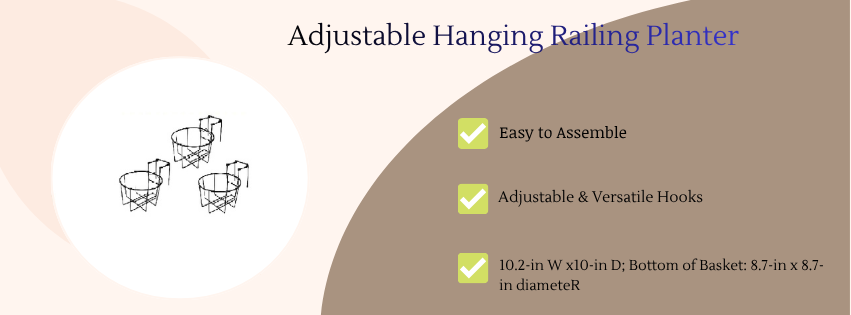
Why Choose Round Metal Hanging Railing Planters
1. Structural Strength and Longevity
Metal planters especially powder-coated steel or galvanized iron offer:
- High wind resistance
- Strong bracket integrity
- Long lifespan (5–10+ years with care)
- Resistance to UV cracking
Unlike plastic, metal doesn’t degrade under intense sunlight. In USDA zones 8–10, this makes a major difference.
Cost range:
- Budget thin steel: $25–$40
- Mid-grade powder-coated: $40–$80
- Heavy-duty designer versions: $90–$150
Investment is higher upfront but lasts longer.
2. Round Shape = Even Root Development
Round containers promote:
- Uniform moisture distribution
- Even root expansion
- Reduced dry corner pockets
In railing applications, circular weight distribution also reduces bracket stress compared to rectangular troughs.
Critical Buying Criteria for Metal Railing Planters
Not all metal planters are equal.
Choose Powder-Coated or Galvanized Steel
Avoid untreated iron. It will rust quickly when exposed to watering cycles.
Look for:
- Rust-resistant coating
- Welded brackets (not riveted only)
- UV-stable paint
- At least 0.6–0.8 mm thickness for structural stability
Thin decorative metal dents easily and warps under soil weight.
Depth and Diameter Guidelines
Minimum depth recommendations:
- Herbs: 8 inches
- Annual flowers: 8–10 inches
- Strawberries: 10–12 inches
- Dwarf peppers: 10–12 inches
- Compact tomatoes: 12 inches minimum
Shallow 6-inch metal bowls are decorative only. They overheat and dry too fast for healthy root systems. Why depth matters: Metal conducts heat. Deeper soil buffers root temperatures and stabilizes moisture.
Managing Heat in Metal Planters
This is where most beginners fail.
Metal heats faster than plastic in direct sun—especially on south- and west-facing railings.
Why Heat Is a Problem
- Roots suffer above 95°F soil temperature
- Excess heat increases transpiration
- Plants wilt faster even if soil is moist
How to Prevent Root Overheating
1. Use a Liner
Install:
- Coconut coir liner
- Burlap liner
- Plastic insert pot
This creates insulation between soil and metal.
Cost: $5–$15 per planter Maintenance: Replace liners every 1–2 seasons.
2. Increase Soil Volume
Deeper containers retain more stable temperatures.
Avoid undersized planters on high-sun railings.
3. Choose Heat-Tolerant Plants
South/west-facing railings:
- Geraniums
- Lantana
- Portulaca
- Thyme
- Rosemary
- Dwarf peppers
Avoid cool-season crops like lettuce in full summer sun.
The Best Soil Mix for Metal Railing Planters
Never use garden soil. It compacts and traps heat.
Ideal Container Mix Formula
- 40% coco coir or peat moss
- 25% perlite
- 25% compost
- 10% worm castings
This blend provides:
- Aeration
- Moisture retention
- Lightweight structure
- Balanced nutrients
For hot climates (USDA 8–10), increase coco coir slightly to improve water retention.
Budget option: Quality all-purpose potting mix + 25% added perlite.
Premium option: Organic container mix with biochar and mycorrhizae for enhanced root resilience.
Drainage Requirements for Hanging Metal Planters
Elevated containers already dry faster due to airflow.
Ensure:
- Multiple drainage holes
- Removable drip tray (essential for apartment balconies)
- Slightly raised bottom insert
Never block drainage holes to prevent dripping. Use trays or a self-watering insert instead.
Water-saturated soil weight: A 12-inch round metal planter can weigh 18–25 pounds after watering.
Installation & Structural Safety
Before hanging:
- Confirm railing width compatibility.
- Verify structural integrity of deck or balcony.
- Limit saturated weight to 20 pounds per planter unless railing is rated higher.
Distribute planters evenly across railing to avoid stress concentration.
High-rise balconies require extra caution due to wind exposure.
Watering Strategy for Metal Hanging Planters
Metal containers dry faster than resin.
General Watering Frequency
Spring: 3 times per week Summer: 4–6 times per week Heat waves: Daily Fall: Reduce gradually
Always water deeply until drainage occurs.
Test soil 2 inches deep before watering. Surface dryness can be misleading.
Are Self-Watering Inserts Worth It?
Pros:
- Reduce watering frequency
- Stabilize moisture levels
- Protect against heat stress
Cons:
- Increase cost ($30–$80 per planter)
- Require monitoring reservoir
- Not ideal for succulents
Best for: South-facing metal railing systems in warm climates.
Fertilization for Continuous Bloom
Frequent watering leaches nutrients.
Use:
- Slow-release granular fertilizer every 6–8 weeks OR
- Liquid fertilizer every 2–3 weeks at half strength
Avoid high-nitrogen formulas for flowering plants.
Maintenance impact: Liquid feeding requires more attention but allows adjustment based on plant performance.
Wind Exposure on Elevated Railings
Metal planters are heavier than plastic, which helps in windy areas.
Still:
- Avoid tall top-heavy plants
- Use compact varieties
- Secure brackets tightly
- Consider wind screens for high floors
Wind increases evaporation, increasing watering needs.
Winter Considerations by USDA Zone
Zones 3–6
- Remove planters before freeze
- Empty soil if not frost-rated
- Store indoors
Moist soil expands when frozen and may crack seams.
Zones 7–10
- Grow cool-season annuals
- Monitor rust spots
- Touch up coating as needed
Common Beginner Mistakes
1. Skipping a Liner
Roots overheat in full sun.
2. Choosing Shallow Decorative Bowls
Insufficient soil depth causes stress.
3. Ignoring Weight
Metal + wet soil can exceed safe railing limits.
4. Underwatering in Summer
Metal increases evaporation rates.
Budget vs Premium Setup Comparison
Budget Setup ($150–$250)
- 3–4 mid-grade powder-coated round metal planters
- Quality potting mix
- Liquid fertilizer
- Manual watering
Maintenance: Moderate Best for hands-on gardeners
Premium Setup ($400–$800)
- Heavy-duty metal planters
- Self-watering inserts
- Premium organic potting mix
- Drip irrigation kit for containers
Drip systems cost $60–$150 and significantly reduce maintenance time.
Maintenance: Low Best for busy professionals
FAQ
Are metal railing planters safe for balconies?
Yes, if properly bracketed and within weight limits. Confirm structural integrity before installing.
Do metal planters get too hot?
They can. Use liners, deeper soil, and heat-tolerant plants on south- or west-facing railings.
How deep should a metal railing planter be?
Minimum 8 inches; 12 inches preferred for vegetables.
How often should I water metal hanging planters?
4–6 times per week in summer; daily in extreme heat.
Will metal planters rust?
Powder-coated or galvanized steel resists rust. Untreated iron will rust quickly.
Can I grow vegetables in metal railing planters?
Yes herbs, strawberries, dwarf peppers, and compact tomatoes perform well with adequate depth.
Conclusion
Round metal hanging railing planters combine durability, strength, and clean design making them ideal for balconies and decks that face strong sun or wind exposure.
Success depends on managing heat and moisture:
- Choose powder-coated or galvanized steel
- Use liners to insulate roots
- Provide at least 8–12 inches of soil depth
- Water consistently and fertilize regularly
- Match plants to sun direction
When properly selected and installed, metal railing planters become long-term structural elements in your small-space garden supporting vibrant flowers, fresh herbs, and compact vegetables year after season. Start with two well-built planters. Prioritize soil quality and depth. Once dialed in, your railing won’t just frame your deck it will function as a productive vertical garden.
