Every product is independently reviewed and selected by our editors. If you buy something through our links, we may earn an affiliate commission at no extra cost to you.
A cramped floor plan doesn’t mean you have to sacrifice elegance or functionality. The right spiral staircase design for small spaces can reclaim square footage, create a sculptural focal point, and improve circulation in tight interiors. But not all spiral staircases are created equal. Poor sizing, wrong materials, or code violations can turn a smart upgrade into a costly mistake. This guide walks you through practical design decisions, structural considerations, safety standards, and real-world cost factors so you choose a staircase that works beautifully and lasts for decades. Small homes, loft apartments, duplexes, and backyard studios often struggle with one major issue: vertical access without consuming half the room. Traditional straight staircases require 10–14 feet of horizontal run. That’s space most compact homes simply don’t have. A well-designed spiral staircase reduces the footprint dramatically often to just 4–6 feet in diameter while maintaining structural safety and visual appeal.
In this guide, you’ll learn:
- How much space you actually need
- Which materials perform best long-term
- Code requirements many homeowners overlook
- Budget vs. premium options
- Mistakes that compromise safety and comfort
Quick Summary Box
- Minimum practical diameter: 5 feet (4 feet is tight and steep)
- Ideal tread width at walking line: 7.5–10 inches
- Standard floor-to-floor height: 8–10 feet
- Best materials for durability: steel, powder-coated metal, hardwood treads
- Not ideal for: moving large furniture frequently
- Typical cost range: $2,000–$15,000+ installed
- Best for: lofts, mezzanines, ADUs, small homes, rooftop access
This topic carries hybrid intent:
- Informational: Homeowners researching options.
- Commercial: Buyers comparing kits vs. custom staircases.
This guide addresses both so you can confidently plan and purchase.
Why Spiral Staircases Work in Small Spaces
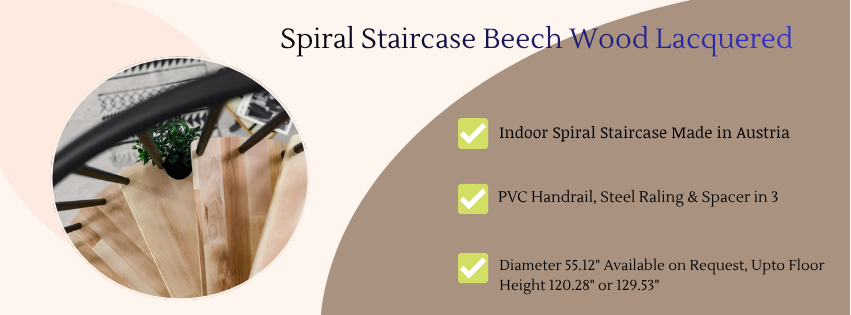
The Physics of Footprint Efficiency
A conventional staircase requires:
- 36–42 inches width
- 10–14 feet horizontal run
- Landing space at top and bottom
A spiral staircase centralizes structure around a load-bearing pole. The treads radiate outward, eliminating long runs and minimizing horizontal consumption.
Why It Works
- Vertical circulation stays centralized.
- The circular geometry compresses the footprint.
- Structural loads transfer directly through the center column.
Real-World Space Comparison
| Stair Type | Average Footprint |
|---|---|
| Straight Stair | 45–70 sq ft |
| L-Shaped Stair | 35–50 sq ft |
| Spiral Stair | 16–30 sq ft |
That reclaimed 20–40 square feet can mean:
- A functional home office
- A storage wall
- An extended kitchen counter
Minimum Space Requirements (Before You Buy Anything)
This is where most homeowners go wrong.
1. Diameter Guidelines
- 4 feet: Very compact, steep, suitable for occasional use
- 5 feet: Comfortable for daily residential use
- 6 feet+: Ideal for primary staircases
Expert Insight: Anything under 5 feet in diameter becomes noticeably steep and harder to navigate safely.
2. Floor-to-Floor Height
Measure from: Finished lower floor → Finished upper floor.
Common residential heights:
- 8 feet (96 inches)
- 9 feet (108 inches)
- 10 feet (120 inches)
Pre-fabricated kits typically accommodate 8–10 feet. Custom builds are required beyond that.
3. Headroom Clearance
Most building codes require:
- Minimum 6 feet 6 inches headroom
Ignoring this creates inspection issues and uncomfortable use.
Spiral Staircase Materials: What Actually Holds Up Long-Term
Material choice impacts:
- Durability
- Maintenance
- Cost
- Aesthetic cohesion
1. Steel (Most Practical Choice)
Why It Works
- High structural strength
- Slim profile
- Powder-coating resists corrosion
Maintenance
- Occasional cleaning
- Recoat after 10–15 years if scratched
Cost
- $2,000–$6,000 for kit
- $6,000–$12,000 installed
Best for:
- Modern interiors
- Industrial design
- Outdoor applications (galvanized steel)
2. Wood (Warm but Higher Maintenance)
Usually combined with metal center pole.
Pros
- Warm appearance
- Quieter underfoot
Cons
- Can warp in humidity
- Requires sealing or refinishing
Best hardwoods:
- Oak
- Maple
- Beech
Avoid softwoods for high-traffic use.
3. Glass and Metal (Premium Option)
Why Choose It
- Maximizes light
- Makes small rooms feel larger
Cost Impact
- $10,000–$20,000+
Maintenance:
- Frequent cleaning
- Fingerprint management
Best for:
- Luxury apartments
- Minimalist interiors
Building Code Essentials (Do Not Skip This)
Local codes vary, but common requirements include:
- Minimum tread depth at walking line: 7.5 inches
- Maximum riser height: 9.5 inches
- Guardrail height: 36–42 inches
- Baluster spacing: Less than 4 inches apart
Failure to comply can:
- Void insurance
- Fail inspection
- Reduce resale value
Always verify with local building authority.
Comfort vs. Compact: Finding the Right Balance
The smaller the diameter, the steeper the climb.
Walking Line Matters
The “walking line” is typically 12 inches from the narrow end of the tread.
Choose:
- At least 8 inches tread depth at this line for daily use.
Anything less becomes uncomfortable over time.
Best Spiral Staircase Designs for Small Homes
1. Minimalist Open-Riser Design
Creates visual openness.
Best for:
- Apartments
- Studios
- Contemporary homes
Maintenance:
- Occasional dusting
- Non-slip tread pads recommended
2. Storage-Integrated Spiral
Some designs incorporate:
- Under-stair cabinetry
- Circular shelving
This maximizes the reclaimed footprint.
3. Outdoor Spiral Staircase
Used for:
- Rooftop decks
- Garden access
- ADUs
Choose:
- Galvanized or powder-coated steel
- Anti-slip textured treads
Maintenance:
- Annual rust inspection
- Hardware tightening
Budget vs. Premium: What You Actually Get
Budget Kits ($2,000–$4,000)
- Basic metal construction
- Limited finish options
- DIY-friendly
Pros:
- Affordable
- Quick installation
Cons:
- Less customizable
- Narrower diameters
Mid-Range ($5,000–$10,000)
- Hardwood treads
- Custom color finishes
- Better comfort
Custom Architectural ($12,000+)
- Custom diameters
- Integrated lighting
- Glass railings
- Premium finishes
Best for:
- High-end renovations
- Statement centerpiece
Common Mistakes to Avoid
1. Choosing Too Small a Diameter
Leads to:
- Difficult daily use
- Safety risks
2. Ignoring Furniture Movement
Spiral staircases are not ideal for:
- Moving sofas
- Large mattresses
Plan alternate access.
3. Skipping Professional Installation
Improper anchoring compromises structural safety.
Installation Considerations
DIY Installation
Possible with:
- Pre-fabricated kits
- Accurate measurement
- Two-person team
Time:
- 1–2 days
Tools:
- Level
- Drill
- Anchoring hardware
Recommended if:
- Concrete cutting required
- Structural reinforcement needed
- Custom fabrication involved
Cost:
- $1,000–$4,000 labor
Safety Upgrades Worth Considering
- Non-slip tread inserts
- Child safety gates
- Integrated LED tread lighting
- Closed riser panels (if children present)
These add cost but significantly improve safety.
Is a Spiral Staircase Right for You
Ideal For:
- Small homes under 1,200 sq ft
- Lofts
- Mezzanines
- Secondary access stairs
Not Ideal For:
- Homes with elderly residents
- Heavy daily traffic with large loads
- Moving large items frequently
FAQ
Are spiral staircases safe for everyday use?
Yes, when built to code with adequate diameter (5 feet or more) and proper tread depth. Smaller diameters can feel steep and are better for occasional use.
What is the minimum diameter for a comfortable spiral staircase?
Five feet is generally the minimum for comfortable daily use. Four feet feels noticeably tight.
Can I install a spiral staircase myself?
Many homeowners install kit versions successfully. However, accurate measurement and secure anchoring are critical. Professional installation is safer for structural modifications.
Do spiral staircases add home value?
In small homes, yes. They improve space efficiency and aesthetic appeal. However, poorly designed or non-code-compliant stairs reduce value.
Are spiral stairs allowed as primary stairs?
It depends on local code. Some jurisdictions allow them as primary stairs in small dwellings; others restrict them to secondary access.
How long does a spiral staircase last?
Steel models can last 30+ years with minimal maintenance. Wood treads may require refinishing every 7–10 years.
Conclusion
A well-designed spiral staircase for small spaces is more than a design statement it’s a strategic architectural decision. When properly sized, code-compliant, and thoughtfully installed, it can reclaim valuable square footage while adding long-term structural and aesthetic value. Choose a diameter that prioritizes comfort, select durable materials that match your maintenance tolerance, and never compromise on safety standards. The right staircase transforms vertical space into usable living area without overwhelming your floor plan. Plan carefully, measure precisely, and invest wisely. A spiral staircase done right becomes a functional centerpiece that serves your home for decades.
