Every product is independently reviewed and selected by our editors. If you buy something through our links, we may earn an affiliate commission at no extra cost to you.
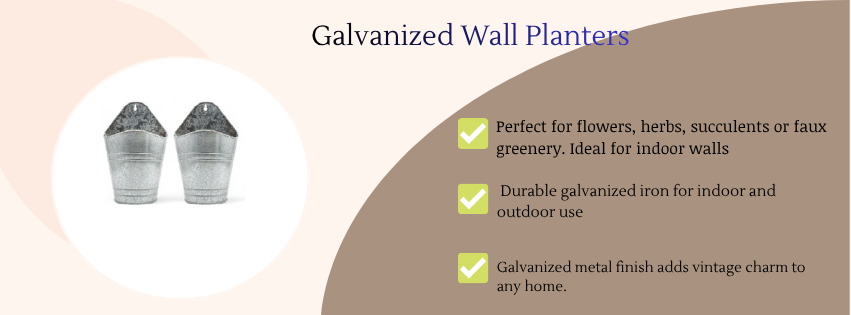
Metal wall mounted planters indoor are one of the most durable and design-forward ways to grow plants vertically but they require different soil strategy, drainage planning, and moisture control than ceramic or plastic. Used correctly, they create striking green walls in kitchens, offices, and small apartments. Used incorrectly, they overheat roots, rust, and damage drywall. This guide explains exactly how to choose, install, plant, and maintain metal wall planters so they perform as beautifully as they look.
A Blank Wall Can Grow More Than Art
If you’ve ever looked at an empty kitchen or living room wall and imagined trailing pothos or fresh basil growing vertically, metal wall mounted planters make that possible. They’re slim, modern, and space-efficient. But here’s the reality: metal conducts heat, retains less moisture than ceramic, and can corrode if improperly sealed. Many beginners underestimate these factors and lose plants within months. Let’s do it correctly from structure to soil.Most indoor gardeners struggle with limited floor space and cluttered windowsills. Metal wall planters promise vertical greenery without sacrificing square footage.
However, success depends on:
- Choosing the right metal type
- Ensuring proper drainage
- Selecting shallow-rooted plants
- Adjusting watering frequency
- Mounting safely into studs
This guide will help you avoid root rot, rust stains, and wall damage and build a low-maintenance indoor vertical garden that lasts for years.
Quick Summary Box
Best For: Modern interiors, kitchens, offices, apartments Ideal Depth: 5–8 inches for most houseplants; 8–10 inches for herbs Metal Type: Powder-coated steel or aluminum preferred Drainage: Must include holes or removable liner Light Requirements: East-, south-, or west-facing walls ideal Watering Frequency: Every 5–10 days depending on plant Weight Consideration: 10–25 lbs per planted container USDA Zones: Indoor year-round; suitable outdoors in Zones 8–11 if weather-protected
Why Choose Metal Wall Mounted Planters Indoor
1. Structural Durability
Metal planters (especially powder-coated steel or aluminum) resist cracking and impact damage better than ceramic.
Why it works
Metal has high tensile strength. It handles wall mounting stress better and tolerates minor bumps.
Maintenance Impact
Minimal structural wear, but surface scratches must be monitored to prevent rust.
2. Slim Profile for Small Spaces
Metal planters often have thinner walls than ceramic, maximizing interior soil space while maintaining a compact design.
Ideal for:
- Hallways
- Behind doors
- Narrow kitchen walls
- Office workspaces
3. Modern Aesthetic Appeal
Matte black, brushed gold, or white powder-coated finishes pair well with contemporary interiors.
However, aesthetics should never override horticultural function.
Choosing the Right Metal Type
Not all metal planters perform equally indoors.
Best Options
Powder-Coated Steel
- Durable
- Rust-resistant if coating intact
- Moderate cost
Aluminum
- Lightweight
- Naturally corrosion-resistant
- Ideal for humid rooms like bathrooms
Avoid
- Thin untreated steel (rust risk)
- Copper without liner (can leach into soil)
- Planters without protective interior coating
Drainage: The Non-Negotiable Factor
Metal does not absorb moisture like terracotta. Without drainage, roots suffocate quickly.
Ideal Setup
- At least one drainage hole
- Removable plastic liner
- Catch tray or concealed reservoir
Why Drainage Matters More in Metal
Metal walls don’t “breathe.” Excess water remains trapped longer against roots.
Soil Composition for Metal Wall Planters
Because metal doesn’t buffer moisture, soil must be carefully structured.
Recommended Indoor Mix
- 55% high-quality indoor potting mix
- 30% perlite or pumice
- 10% coco coir
- 5% compost or worm castings
Why This Works
- Perlite prevents compaction
- Coco coir retains controlled moisture
- Compost adds nutrients without heavy weight
Avoid garden soil it increases wall load and compacts quickly.
Container Depth Guidelines
Metal wall planters are often shallow.
Minimum Depth by Plant Type
- Succulents: 4–5 inches
- Pothos: 5–6 inches
- Ferns: 6–8 inches
- Herbs (basil, parsley): 8–10 inches
If depth is less than 5 inches, stick to succulents or trailing plants with shallow root systems.
Best Plants for Metal Wall Mounted Planters Indoor
Low-Light Walls (North-Facing)
- Pothos
- ZZ Plant
- Snake Plant (dwarf varieties)
Water every 10–14 days.
Bright Indirect Light (East-Facing)
- Philodendron
- Peperomia
- Spider Plant
- Boston Fern
Water every 7–10 days.
Strong Light (South/West-Facing)
- Aloe
- Jade
- Herbs (thyme, oregano)
- String of Pearls
Water every 5–7 days.
If less than 4 hours of bright light, add full-spectrum LED grow lights (20–40 watts per 2–3 planters).
Installation Preventing Wall Damage
Metal planters are often lighter than ceramic, but still heavy when filled.
A 12-inch metal wall planter filled with moist soil can weigh 12–20 lbs.
Mounting Guidelines
- Install into wall studs whenever possible
- Use heavy-duty anchors rated 30+ lbs
- Use stainless screws in humid rooms
- Leave slight gap between planter and wall for airflow
Avoid adhesive mounting systems.
Preventing Rust Indoors
Even powder-coated steel can rust if scratched.
Prevention Strategy
- Inspect annually for chips
- Touch up exposed metal with rust-resistant paint
- Avoid overwatering
- Never allow standing water inside metal cavity
Humidity above 60% increases corrosion risk.
In bathrooms, aluminum is safer than steel.
Watering Strategy for Metal Planters
Metal heats and cools faster than ceramic.
Why This Matters
Roots may dry slightly faster in heated rooms during winter.
Best Practice
- Check soil moisture 2 inches deep
- Water thoroughly until slight drainage
- Empty catch tray immediately
- Reduce watering frequency in winter
Budget vs Premium Setup Comparison
Budget Setup ($80–$200)
- Powder-coated steel planters
- Manual watering
- Standard potting mix amended with perlite
- Basic anchors
Maintenance: Moderate Durability: Good (3–5 years)
Premium Setup ($250–$700)
- Aluminum or high-grade steel
- Integrated drip tray system
- Self-watering inserts
- Smart LED grow lights with timer
- Decorative wall backing panel
Maintenance: Lower Durability: 7–10+ years
Premium systems are excellent for kitchen herb walls.
Pest Prevention in Wall Planters
Common indoor pests:
- Fungus gnats
- Spider mites
- Aphids
Prevention Steps
- Allow top inch of soil to dry
- Use sticky traps early
- Improve airflow
- Avoid overcrowding plants
Monthly neem oil spray can be used as preventive care.
Common Beginner Mistakes
1. No Drainage Hole
Leads to root rot within weeks.
2. Overloading Wall
Underestimating combined weight of soil + water.
3. Wrong Light Placement
Herbs on north-facing wall without grow lights fail quickly.
4. Using Heavy Garden Soil
Compacts and suffocates roots.
Are Metal Wall Planters Good for Herbs
Yes if depth is 8–10 inches and lighting is adequate.
Herbs require:
- 6+ hours bright light
- Fast-draining soil
- Consistent watering
In apartments without strong sun, invest in full-spectrum grow lights.
Maintenance Schedule
Weekly
- Check soil moisture
- Inspect leaves for pests
Monthly
- Fertilize at half strength
- Wipe metal exterior dry
Annually
- Refresh soil top layer
- Inspect mounting hardware
FAQ
Are metal wall mounted planters indoor safe for drywall?
Yes, if properly anchored into studs or heavy-duty anchors and used with drainage control.
Do metal planters cause root overheating?
Indoors, rarely unless placed directly against south-facing windows with intense sun. Use liners to buffer heat.
What is the best metal for indoor wall planters?
Powder-coated steel for durability; aluminum for high-humidity rooms.
How often should I water metal wall planters?
Typically every 5–10 days, depending on light and plant type. Always check soil moisture first.
Can metal planters rust indoors?
Yes, if coating is damaged or exposed to high humidity. Aluminum reduces this risk.
Are metal wall planters better than ceramic?
Metal is lighter and more impact-resistant. Ceramic offers better moisture buffering. Choice depends on environment and style.
Conclusion
Metal wall mounted planters indoor offer durability, sleek design, and space efficiency but horticultural success depends on depth, drainage, soil structure, and correct installation. Choose powder-coated steel or aluminum. Insist on drainage holes. Use lightweight, aerated soil. Mount securely into studs. Match plant selection to light exposure direction. Start small 2–3 planters on a bright wall. Monitor moisture carefully. Upgrade lighting if needed. When installed properly, metal wall planters create a long-lasting vertical garden that elevates your interior while supporting healthy, thriving plants. Done right, your wall becomes functional, beautiful, and alive.
