Every product is independently reviewed and selected by our editors. If you buy something through our links, we may earn an affiliate commission at no extra cost to you.
Modern wall mounted planters indoor are more than decorative accents when chosen and installed correctly, they become functional vertical growing systems that maximize light exposure, improve airflow, and transform unused walls into productive green space. But sleek design alone doesn’t guarantee plant success. Depth, drainage, soil structure, light direction, and mounting strength determine whether your modern wall garden thrives for years or struggles within months. This comprehensive guide will show you exactly how to choose, install, plant, and maintain modern indoor wall planters with professional-level results.In apartments and small homes, floor space fills up quickly. Coffee tables hold plants. Windowsills get crowded. Then growth stalls because plants compete for light. Modern wall mounted planters solve this but only if you match style with horticultural reality. The difference between a Pinterest-inspired wall and a long-term thriving indoor garden is technical execution. Most homeowners are drawn to modern wall planters for their minimalist look matte black steel, white ceramic pods, modular geometric systems. But many indoor gardens fail due to shallow containers, poor drainage, or incorrect light placement.
Common problems include:
- Root rot from lack of drainage
- Plants outgrowing shallow planters
- Wall damage from excess moisture
- Herbs failing on north-facing walls
- Underestimating weight load
This guide gives you practical, horticulture-backed solutions so your modern vertical garden looks beautiful and functions properly.
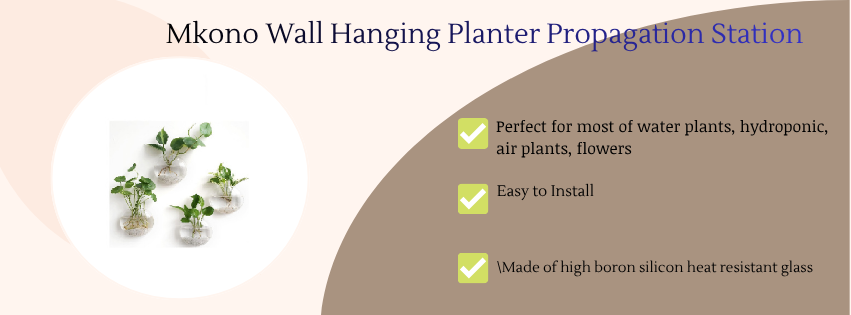
What Defines “Modern” Wall Mounted Planters
Modern indoor wall planters typically include:
- Clean geometric shapes
- Neutral color palettes (white, black, matte metals)
- Modular vertical systems
- Slim profiles
- Mixed materials (metal frames + ceramic inserts)
However, modern design often sacrifices depth and that’s where horticulture must guide your choice.
Choosing the Right Modern Wall Planter
1. Depth: The Most Overlooked Factor
Many modern wall planters are only 4–5 inches deep. That limits root growth.
Minimum Depth Guidelines
- Succulents: 4–5 inches
- Pothos / Philodendron: 6 inches
- Ferns: 6–8 inches
- Herbs (basil, parsley, cilantro): 8–10 inches
Why depth matters: Roots require oxygen and space to absorb nutrients. Shallow containers dry too quickly and cause root binding within months.
Buying Tip: Always check internal planting depth not just external measurements.
2. Drainage: Essential for Wall Installations
Modern planters often prioritize seamless design over drainage. That’s dangerous.
Best Options
- Hidden drainage hole + removable drip tray
- Interior plastic liner with drainage
- Built-in reservoir with overflow protection
Avoid:
- Fully sealed decorative pockets with no drainage
Why this matters: Water trapped against roots causes anaerobic conditions, leading to root rot and fungus gnats.
3. Material Comparison: Ceramic vs Metal vs Composite
Ceramic
Pros:
- Moisture buffering
- Heavy, stable
- Premium appearance
Cons:
- Heavier to mount
- Can crack if dropped
Best for: Bright rooms, stable mounting locations
Powder-Coated Metal
Pros:
- Durable
- Slim profile
- Lightweight
Cons:
- Can rust if scratched
- Conducts temperature changes
Best for: Modern industrial interiors
Composite/Resin
Pros:
- Lightweight
- Budget-friendly
- Often includes reservoir
Cons:
- Less durable long term
- Can discolor
Best for: Large modular installations on drywall
Soil Composition for Modern Wall Planters
Wall-mounted planters benefit from lightweight, aerated soil to reduce weight and prevent compaction.
Recommended Indoor Mix
- 60% high-quality indoor potting mix
- 30% perlite or pumice
- 10% worm castings or compost
Why it works:
- Perlite improves airflow
- Compost provides slow nutrient release
- Lighter soil reduces stress on mounting hardware
Never use garden soil it compacts and increases wall load significantly.
Light Placement: The Critical Success Factor
Wall location determines plant choice.
South-Facing Walls
- 6+ hours bright light
- Ideal for herbs and succulents
West-Facing Walls
- Strong afternoon sun
- Good for trailing plants and light-loving foliage
East-Facing Walls
- Gentle morning sun
- Ideal for ferns, peperomia, calathea
North-Facing Walls
- Low light
- Suitable for pothos, ZZ plant, snake plant
If light is below 4 hours of bright indirect sun, install full-spectrum LED grow lights (20–40 watts per 2–3 planters).
Installation: Protecting Your Walls
A filled 10-inch wall planter can weigh 15–25 lbs.
Mounting Guidelines
- Install into studs whenever possible
- Use anchors rated 30–50 lbs
- Avoid adhesive mounting strips
- Leave slight airflow gap behind planter
Moisture Protection
Add:
- Clear acrylic backing panel
- Waterproof paint patch
- Tile accent panel
This prevents long-term drywall damage from splashes.
Best Plants for Modern Wall Mounted Planters Indoor
Trailing Plants
- Pothos
- Philodendron
- String of Hearts
- Scindapsus
Why they work: They cascade downward, softening modern lines.
Compact Foliage Plants
- Peperomia
- Fittonia
- Dwarf snake plant
- Bird’s nest fern
Require moderate watering and indirect light.
Herbs (Kitchen Walls)
- Basil
- Thyme
- Oregano
- Parsley
Require:
- 8–10 inch depth
- 6+ hours bright light
- Consistent moisture
Watering Strategy for Wall Planters
Watering differs from floor pots.
Best Practice
If removable:
- Take planter to sink
- Water thoroughly
- Let drain fully
- Rehang
If fixed:
- Use narrow-spout watering can
- Water slowly
- Avoid overflow
Check soil 2 inches deep before watering.
Budget vs Premium Setup
Budget Modern Setup ($150–$300)
- 3–5 composite or steel planters
- Manual watering
- Basic soil mix
- Standard anchors
Maintenance: Moderate Lifespan: 3–5 years
Premium Modular System ($400–$1,200)
- High-grade ceramic or aluminum modules
- Integrated irrigation or reservoir
- Smart grow lighting
- Decorative wall panel backing
Maintenance: Lower Lifespan: 7–15 years
Premium systems are ideal for long-term kitchen herb installations.
Pest Prevention Basics
Wall-mounted plants can still attract:
- Fungus gnats
- Spider mites
- Aphids
Prevention:
- Let top inch of soil dry
- Avoid overwatering
- Increase airflow
- Inspect leaves weekly
Use neem oil monthly as preventive treatment.
Common Beginner Mistakes
1. Choosing Style Over Function
Shallow, sealed planters lead to plant failure.
2. Overcrowding the Wall
Too many planters reduce airflow and increase humidity pockets.
3. Underestimating Light Needs
Herbs rarely succeed on north-facing walls without supplemental lighting.
4. Installing Too High
If you can’t comfortably reach the planter, maintenance will suffer.
Maintenance Schedule
Weekly
- Check moisture
- Inspect for pests
Monthly
- Fertilize at half strength
- Wipe dust off leaves
Annually
- Refresh top layer of soil
- Inspect mounting hardware
FAQ
Are modern wall mounted planters indoor safe for drywall?
Yes, if properly anchored and equipped with drainage management. Use heavy-duty anchors rated 30+ lbs.
What depth do wall planters need for indoor plants?
At least 6 inches for foliage plants and 8–10 inches for herbs.
Do wall planters require special soil?
Yes. Use lightweight indoor potting mix amended with 30% perlite to prevent compaction and reduce weight.
Can I grow herbs in modern wall planters?
Yes, with sufficient depth and 6+ hours of bright light or full-spectrum grow lights.
How often should I water indoor wall planters?
Typically every 5–10 days, depending on plant type and light exposure.
Are self-watering wall planters worth it?
For busy households or herb walls, yes. They reduce watering frequency and prevent drought stress.
Conclusion
Modern wall mounted planters indoor combine design and function but long-term success depends on horticultural fundamentals. Choose adequate depth. Insist on drainage. Use lightweight, aerated soil. Match plants to light direction. Anchor securely into studs. Start with a small cluster of 2–3 planters near a bright window. Observe how moisture behaves. Adjust watering accordingly. When installed properly, a modern indoor wall garden:
- Maximizes small-space growing
- Enhances indoor air quality
- Reduces clutter
- Adds architectural greenery
- Increases home appeal
A blank wall is wasted growing space. With the right planning, it becomes a thriving vertical garden that elevates both your interior design and your plant health for years to come.
