Every product is independently reviewed and selected by our editors. If you buy something through our links, we may earn an affiliate commission at no extra cost to you.
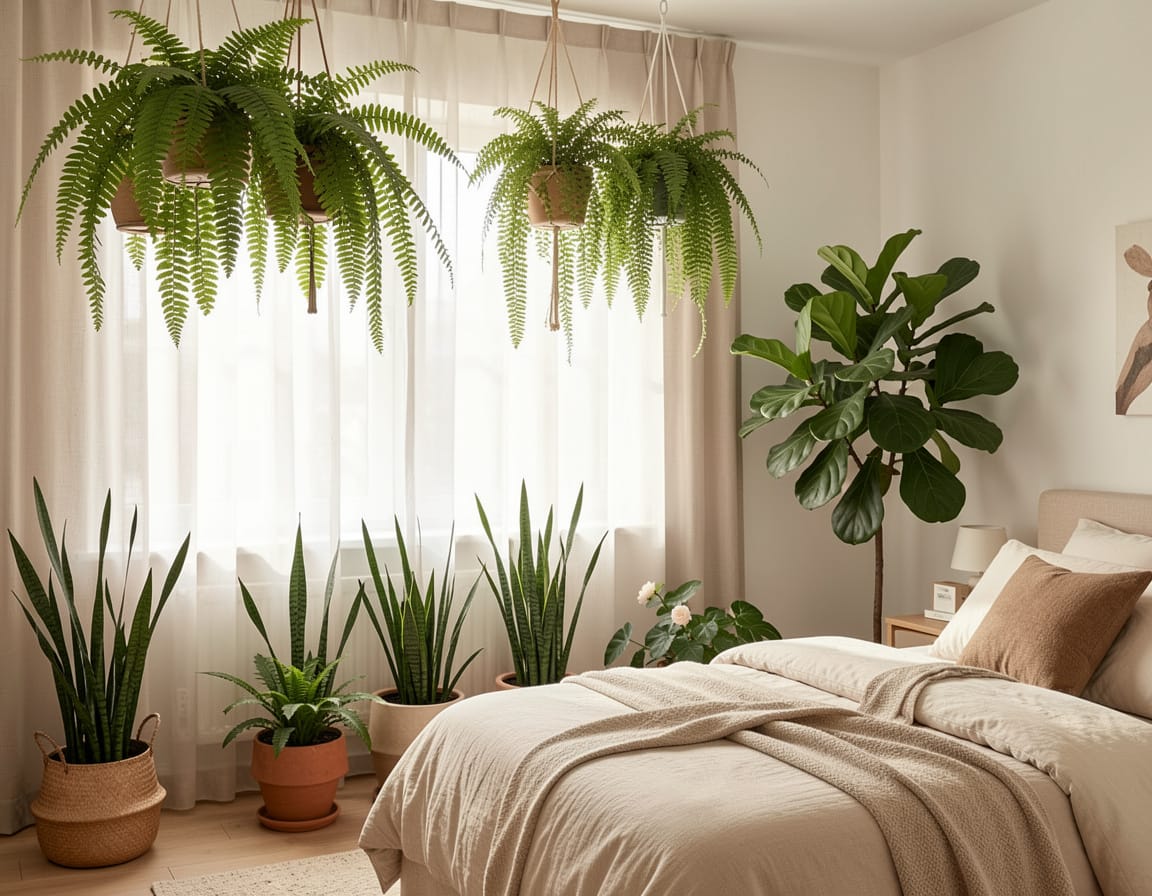
Your bedroom should feel like a retreat not a storage space with a bed in it. The right indoor plants don’t just decorate a bedroom; they soften hard lines, improve air quality perception, regulate humidity slightly, and create a calming biophilic environment that helps you unwind at night. But most people get it wrong They overcrowd small rooms, choose plants that outgrow the space, ignore light direction, or place moisture-sensitive plants in dry, heated bedrooms.
This guide walks you through practical, horticulture-based indoor plants decoration ideas for bedrooms with design strategy, plant care realities, container depth guidance, soil recommendations, lighting requirements, and budget vs premium setup comparisons.Many bedrooms lack natural warmth. Blank walls, artificial lighting, and electronics create a sterile environment. Adding plants seems simple until leaves start yellowing, fungus gnats appear, or the space looks cluttered instead of calming.
The problem isn’t plants.
It’s plant selection, placement, and maintenance planning.
In this guide, you’ll learn:
- How to choose bedroom plants based on light direction
- The best plant types for low, medium, and bright light bedrooms
- How to design with height, layers, and containers
- Proper soil composition and drainage for indoor success
- Budget and premium décor setup options
- Common beginner mistakes to avoid
Let’s build a bedroom that looks intentional not improvised.
Quick Summary Box
- South-facing bedrooms: ideal for bright light plants like fiddle leaf fig, rubber plant, or bird of paradise.
- North-facing bedrooms: choose low-light tolerant plants like snake plant, ZZ plant, or pothos.
- Use containers with drainage holes root rot is the #1 indoor plant killer.
- Ideal indoor soil mix: 60% potting mix + 20% perlite + 20% bark for drainage.
- Water most bedroom plants every 7–14 days (always check soil first).
- Use grow lights in dark bedrooms instead of overwatering.
- Avoid overcrowding negative space enhances design impact.
Understanding Bedroom Light Before Decorating With Plants
Before selecting plants, determine your light exposure direction.
South-Facing Bedroom
- 6+ hours of bright light
- Strongest light intensity
- Can support large statement plants
East-Facing Bedroom
- Gentle morning light
- Ideal for most tropical foliage
- Moderate light intensity
West-Facing Bedroom
- Harsh afternoon sun
- May require sheer curtains
North-Facing Bedroom
- Lowest light intensity
- Indirect, cool light
- Choose low-light tolerant plants
Why this matters: Light determines plant survival more than watering frequency.
Beginner mistake: Choosing plants based on appearance rather than light availability.
Statement Floor Plants:
Large floor plants add height and softness to bedroom corners.
Best Statement Plants for Bedrooms
1. Fiddle Leaf Fig (Ficus lyrata)
- Light: Bright indirect (south or west facing)
- Container depth: Minimum 12–14 inches
- Soil: Well-draining mix with bark and perlite
- Watering: Every 7–10 days
- USDA zone (outdoor reference): 9–11
Why it works: Large leaves create architectural drama.
Maintenance reality: Sensitive to overwatering and sudden movement.
Cost: $40–$150 depending on size.
2. Rubber Plant (Ficus elastica)
- Light: Medium to bright indirect
- Soil: 60% potting mix, 20% perlite, 20% coco coir
- Container: 10–12 inches deep minimum
- Watering: When top 2 inches dry
Pros:
- Thick glossy leaves
- More forgiving than fiddle leaf
Cons:
- Can grow 6–8 feet indoors
- Needs pruning in small bedrooms
3. Bird of Paradise
- Light: Bright direct or strong indirect
- Depth: 14+ inches
- Watering: Weekly in bright conditions
- Requires higher humidity
Best for large bedrooms only.
Small-Space Bedroom Plant Styling (Apartments & Compact Rooms)
In small bedrooms, vertical design works better than floor crowding.
Floating Shelves with Trailing Plants
Best Trailing Plants:
- Pothos
- Philodendron Brasil
- String of Pearls
- Heartleaf Philodendron
Soil mix:
- 50% indoor potting soil
- 30% perlite
- 20% orchid bark
Why it works: Trailing plants draw the eye upward, creating visual depth without occupying floor space.
Maintenance impact:
- Water every 7–14 days
- Trim quarterly to prevent legginess
Cost:
- Budget setup: $50–$100 total
- Premium floating wood shelves: $200+
Nightstand Plant Ideas
Choose compact, low-maintenance species:
- Snake Plant (Sansevieria)
- ZZ Plant
- Small Calathea (if humidity allows)
Container depth:
- 6–8 inches adequate
Drainage: Always use pots with drainage holes. Use saucers to protect furniture.
Beginner mistake: Placing plants in decorative pots without drainage, causing root rot within weeks.
Bedroom Plants That Thrive in Low Light
North-facing bedrooms require strategic plant selection.
Top Low-Light Performers
Snake Plant
- Tolerates very low light
- Water every 2–3 weeks
- Shallow root system (6–8 inch pot depth)
- Excellent for beginners
Why it works: Stores water in leaves, reducing watering frequency.
Maintenance impact: Extremely low.
ZZ Plant
- Survives in low light
- Water every 2–3 weeks
- Avoid soggy soil
Common mistake: Overwatering. It prefers dry intervals.
Cast Iron Plant
- Very shade tolerant
- Slow-growing
- Good for darker bedrooms
Designing With Height Layers for a Professional Look
Professional plant styling uses three vertical layers:
- Floor plants (3–6 feet)
- Mid-level plants (dressers, benches)
- Hanging or wall-mounted plants
Why this works: Layering creates visual depth and avoids “clutter clusters.”
How to implement:
- One tall anchor plant
- Two mid-height plants
- One trailing accent
Cost impact: Budget styling under $150 if using small plants. Premium styling with ceramic planters can exceed $400.
Choosing the Right Containers for Bedroom Plants
Planters affect root health and aesthetics.
Must-Have Features
- Drainage holes
- Breathable material (terracotta ideal)
- Proper depth for root growth
Budget vs Premium
Budget Plastic Pots
Pros:
- Lightweight
- Inexpensive
- Moisture-retentive
Cons:
- Can cause overwatering issues
Terracotta
Pros:
- Breathable
- Prevents root rot
Cons:
- Dries faster
- Heavier
Self-Watering Planters
Good for:
- Busy homeowners
- Consistent moisture plants
Avoid for:
- Snake plants or succulents
Buying tip: Choose pots 1–2 inches larger than root ball.
Soil Composition for Healthy Bedroom Plants
Indoor plants fail more from poor soil than poor light.
Ideal Indoor Mix
For tropical foliage:
- 60% high-quality indoor potting soil
- 20% perlite
- 20% orchid bark or coco chips
Why it works:
- Promotes aeration
- Prevents compaction
- Reduces fungus gnats
Cost: DIY mix is cheaper than premium branded mixes long term.
Avoid: Heavy garden soil indoors it compacts and suffocates roots.
Watering Strategy for Bedroom Plants
Watering frequency depends on:
- Light intensity
- Pot size
- Soil type
- Season
General guideline:
- Bright light plants: every 7–10 days
- Low light plants: every 14–21 days
Always: Check top 2 inches of soil before watering.
Common mistake: Watering on a fixed schedule without checking moisture.
Using Grow Lights in Dark Bedrooms
If your bedroom lacks sufficient light, grow lights are essential.
What to Look For
- Full spectrum LED
- 4000K–6500K range
- Timer function
- Adjustable brightness
Placement:
- 12–24 inches above plant
- 10–12 hours daily
Cost:
- Budget clamp light: $25–$50
- Premium aesthetic grow lamps: $100–$250
Why it works: Plants require adequate light for photosynthesis — artificial light supplements weak natural light.
Maintenance impact: Improves growth and reduces overwatering issues.
Pest Prevention in Bedroom Plants
Common pests:
- Spider mites
- Fungus gnats
- Mealybugs
Prevention:
- Avoid overwatering
- Improve drainage
- Inspect leaves weekly
- Wipe foliage monthly
If infestation occurs: Use neem oil or insecticidal soap.
Cost impact: Preventive care is inexpensive compared to plant replacement.
Common Bedroom Plant Decorating Mistakes
- Overcrowding small rooms
- Ignoring light direction
- Using pots without drainage
- Choosing plants too large for ceiling height
- Overwatering in low-light conditions
- Forgetting long-term growth size
Plan for plant maturity, not nursery size.
FAQ
1. What are the best indoor plants for bedroom air quality?
Snake plant, peace lily, and pothos are popular. While air purification claims are often exaggerated, plants can improve humidity balance and perceived air freshness.
2. How many plants should I keep in a bedroom?
For small bedrooms, 3–5 well-placed plants create balance. Large rooms can support 6–10 without overcrowding.
3. Can I keep plants in a bedroom with no windows?
Yes, but you must use full-spectrum LED grow lights for 10–12 hours daily.
4. What size planter is best for bedroom plants?
Choose a pot 1–2 inches larger than the root ball. Most bedroom plants thrive in 6–12 inch deep containers.
5. How often should I water bedroom plants?
Typically every 7–14 days, depending on light and plant type. Always check soil moisture first.
6. Are plants safe in bedrooms at night?
Yes. The oxygen reduction at night is negligible and not harmful.
Conclusion
Indoor plants decoration ideas in bedroom design are not just about aesthetics they’re about creating a living environment that feels restorative and intentional.
When you choose plants based on light direction, use proper soil composition, ensure drainage, and plan for mature size, your bedroom becomes a sustainable green retreat rather than a high-maintenance frustration.
Start with one anchor plant. Add a trailing accent. Layer thoughtfully.
Over time, you’ll build a space that looks curated, improves your connection to nature, and enhances long-term well-being.
Design with intention. Grow with knowledge.
