Every product is independently reviewed and selected by our editors. If you buy something through our links, we may earn an affiliate commission at no extra cost to you.
A mini garden wheelbarrow planter is one of the most charming ways to add personality to a patio, balcony, or small yard. But most miniature wheelbarrow planters fail for one simple reason: they’re treated like décor instead of real growing systems.
Even a small container needs proper drainage, balanced soil composition, correct root depth, and thoughtful plant selection. When built correctly, a mini wheelbarrow planter becomes a functional micro‑garden that can grow herbs, flowers, succulents, or even compact vegetables for an entire season.
This guide shows you how to design one that thrives not just looks good for a week.
Introduction
Mini decorative wheelbarrows are often sold as ready-to-plant garden accents. Unfortunately, many have no drainage holes, shallow basins, and poor airflow. Beginners fill them with heavy soil, overwater, and within weeks plants decline.
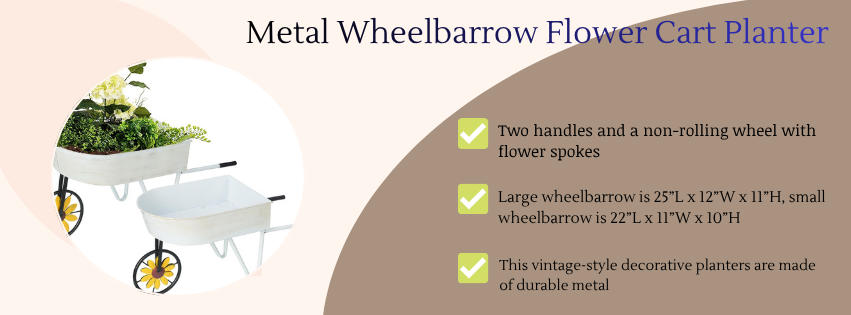
The goal is to treat your mini wheelbarrow planter like a small raised bed on wheels. With the right setup, you’ll get:
- Strong root development
- Even moisture control
- Seasonal flexibility
- Low maintenance upkeep
- High visual impact in small spaces
Whether you’re gardening in USDA Zone 4 or Zone 10, this structure can work with proper adjustments.
Quick Summary Box
- Minimum soil depth: 6–8 inches (flowers/herbs), 8–10 inches (compact vegetables)
- Always drill drainage holes (¼–½ inch)
- Use lightweight container mix (never garden soil)
- Best placement: South- or east-facing exposure
- Watering frequency: Every 1–3 days in summer
- Ideal for USDA Zones 4–10 (seasonal use in colder zones)
- Budget setup: $30–$80
- Premium decorative setup: $120–$250
Why a Mini Wheelbarrow Planter Works in Small Spaces
Mini wheelbarrow planters function similarly to container gardens and shallow raised beds.
1. Elevated Drainage
Because the planter sits above ground, excess water escapes quickly when proper holes are drilled.
2. Mobility
Even small models can be repositioned to optimize sunlight critical for balconies where exposure shifts seasonally.
3. Controlled Soil Environment
You completely control soil composition, which is often superior to compacted yard soil.
Common beginner mistake: Using decorative mini wheelbarrows without modifying drainage. Decorative metal versions often trap water at the base.
Step 1: Choosing the Right Mini Wheelbarrow
Mini garden wheelbarrows range from 12–24 inches long.
Ideal Specifications
- Depth: At least 6 inches minimum
- Width: 10–14 inches
- Material: Sealed wood or powder-coated metal
- Base stability: Wide enough to prevent tipping
Avoid extremely shallow (under 4 inches deep) decorative models unless planting only succulents.
Cost considerations:
- Basic decorative planter: $20–$40
- Durable outdoor-grade metal/wood: $60–$150
If you’re serious about plant health, durability matters more than aesthetics.
Step 2: Drainage Setup (Non-Negotiable)
Mini planters dry out faster—but they also rot faster if water stagnates.
Proper Drainage Method
- Drill 4–6 holes (¼–½ inch each).
- Add ½–1 inch of coarse gravel or expanded clay pellets.
- Optional: Line with landscape fabric to prevent soil loss.
Why it works: Roots require oxygen. Waterlogged soil leads to root rot within 7–10 days in warm conditions.
Maintenance impact: Good drainage reduces fungal disease and extends plant lifespan.
Step 3: Soil Composition for Mini Planters
Because volume is limited, soil quality matters more.
Use this formula:
- 60% high-quality container potting mix
- 20% compost (screened and well-aged)
- 10% perlite
- 10% coco coir or peat moss
Why this works:
- Lightweight structure prevents compaction.
- Compost feeds plants gradually.
- Perlite improves aeration.
- Coco coir stabilizes moisture.
Avoid:
- Heavy topsoil
- Clay-based mixes
- Pure compost (too dense for small containers)
Budget option: Pre-mixed all-purpose container soil ($12–$18 per bag).
Premium option: Organic blends with added mycorrhizae ($20–$30 per bag) improve nutrient uptake.
Best Plant Types for a Mini Garden Wheelbarrow Planter
Plant selection must match root depth and sun exposure.
1. Mini Flower Garden
Best for south- or west-facing placement (6+ hours sun).
Great choices:
- Dwarf marigolds (6–8 inch depth)
- Alyssum
- Compact petunias
- Lobelia
- Dwarf zinnias
Why it works: These plants have shallow to moderate root systems and tolerate confined spaces.
Watering: Every 1–2 days in summer heat.
Maintenance: Deadhead weekly for prolonged blooms.
2. Compact Herb Garden
Perfect for balconies and patios.
Best herbs:
- Basil (6–8 inches soil)
- Thyme
- Oregano
- Parsley
- Chives
Avoid large rosemary varieties unless depth exceeds 8 inches and drainage is excellent.
Why it works: Most culinary herbs prefer slightly restricted root zones and good drainage.
Maintenance: Harvest regularly to encourage bushy growth.
3. Succulent Mini Landscape
Ideal for hot climates (USDA Zones 8–11).
Soil mix:
- 70% cactus/succulent mix
- 30% pumice or perlite
Sun: South-facing preferred.
Watering: Every 10–14 days.
Low maintenance and very beginner-friendly if drainage is excellent.
4. Edible Micro-Garden
Yes, you can grow food in a mini wheelbarrow strategically.
Good options:
- Leaf lettuce (6 inches depth)
- Arugula
- Green onions
- Spinach
- Strawberries
Avoid:
- Carrots (unless 8–10 inches deep)
- Tomatoes (unless compact dwarf varieties and 10 inches depth minimum)
Fertilize lightly every 3 weeks with diluted liquid fertilizer.
Sun Exposure: Direction Matters
South or West-Facing
- Best for flowering annuals and herbs.
- Expect faster drying.
- Requires more frequent watering.
East-Facing
- Gentle morning sun.
- Ideal for lettuce, herbs, and partial-shade flowers.
North-Facing
- Use shade-tolerant plants:
- Impatiens
- Ferns
- Heuchera
Light directly affects bloom density and growth rate.
Watering Strategy for Small Containers
Mini containers dry out faster than larger ones due to reduced soil volume.
Check moisture daily in summer.
Best practice: Insert finger 2 inches deep. If dry, water slowly until runoff appears from drainage holes.
Avoid: Quick surface watering. It doesn’t hydrate the full root zone.
Optional upgrade: Install a small self-watering insert or moisture-retentive reservoir system. Cost: $15–$40. Reduces watering frequency by up to 30%.
Fertilization Schedule
Small containers leach nutrients quickly.
Use:
- Slow-release granular fertilizer at planting.
- Liquid feed every 2–3 weeks during active growth.
Why: Frequent watering flushes nutrients from confined soil.
Maintenance impact: Regular feeding dramatically improves bloom color and leaf production.
Seasonal Design Ideas
Spring
Plant:
- Pansies
- Dwarf tulips (plant bulbs 2–3x their height in fall)
Summer
Bright annual mix with trailing accents over edges.
Fall
Use:
- Ornamental kale
- Mums
- Small pumpkins around base
Winter (Zones 7–10)
Add:
- Small evergreen shrubs
- Ivy
- Pinecones
In Zones 4–6, store indoors or empty to prevent freeze damage.
Pest Prevention Basics
Common pests in small containers:
- Aphids
- Spider mites
- Fungus gnats
Prevention:
- Avoid overwatering.
- Ensure airflow.
- Inspect weekly.
- Use neem oil spray early if needed.
Small containers can decline quickly monitor consistently.
Budget vs Premium Setup Comparison
| Feature | Budget Setup | Premium Setup |
| Wheelbarrow | Decorative basic | Outdoor-grade sealed |
| Soil | Standard potting mix | Organic enriched mix |
| Plants | Seed-grown | Nursery-grown mature |
| Irrigation | Manual watering | Self-watering insert |
Estimated costs:
- Budget: $30–$80
- Premium decorative display: $120–$250
Beginner Mistakes to Avoid
- Skipping drainage holes.
- Overcrowding plants.
- Using heavy soil.
- Ignoring sun exposure direction.
- Letting soil dry completely in summer.
Small containers require more frequent monitoring than larger raised beds.
FAQ
How deep should a mini wheelbarrow planter be?
Minimum 6 inches for flowers and herbs. Ideally 8–10 inches for vegetables and stronger root systems.
Can I use a mini wheelbarrow indoors?
Yes, but use a drainage tray beneath it. Place near a bright east- or south-facing window or use grow lights for 12–14 hours daily.
Do mini wheelbarrow planters dry out faster?
Yes. Smaller soil volume means faster evaporation. Check moisture daily in hot weather.
What are the best low-maintenance plants?
Succulents, thyme, oregano, and alyssum require less frequent watering and pruning.
Can I leave it outside in winter?
In Zones 7–10, yes with hardy plants. In colder zones, empty soil or store indoors to prevent cracking or frost damage.
Is wood or metal better?
Wood insulates roots better but requires sealing. Metal is more durable but heats up quickly in full sun.
Conclusion
A mini garden wheelbarrow planter is more than decorative charm. When built with proper drainage, balanced soil composition, and smart plant selection, it becomes a functional micro‑garden that thrives in tight spaces.
The transformation is simple:
Drill for drainage. Use the right soil. Match plants to sun exposure. Water consistently.
With minimal investment, you gain a movable, adaptable growing space that works on patios, balconies, entryways, or small yards. Over time, it can become a seasonal rotating display spring bulbs, summer flowers, fall textures, and winter greenery.
Start small. Build it correctly. Maintain it intentionally.
Your mini wheelbarrow planter can outperform many oversized decorative containers because it’s designed to grow, not just decorate.
