Every product is independently reviewed and selected by our editors. If you buy something through our links, we may earn an affiliate commission at no extra cost to you.
A front porch sets the tone for your entire home. The right potted plants should look intentional year-round, tolerate container life, and survive inconsistent watering, heat, wind, and seasonal shifts. If you’re constantly replacing struggling plants, the issue isn’t your care routine it’s plant selection, container depth, soil structure, or light mismatch.
This guide covers the best potted plants for a front porch that are genuinely low-maintenance, backed by practical horticultural principles: correct soil composition, drainage setup, container sizing, USDA hardiness zones, and realistic upkeep expectations.
Introduction
Front porch containers fail for predictable reasons: pots are too small, drainage is poor, sun exposure is misjudged, and thirsty plants are chosen for hot exposures. Porch environments are often harsher than backyard beds due to reflected heat, wind tunnels, and limited root insulation.
In this guide, you’ll learn which potted plants thrive with minimal intervention and exactly how to set them up for long-term success. When done correctly, your porch planting becomes a stable, low-effort system rather than a seasonal frustration.
Quick Summary
- Choose plants suited to your porch’s sun direction.
- Use containers at least 12–18 inches deep for shrubs.
- Always ensure drainage holes.
- Use lightweight, well-draining potting mix not garden soil.
- Select drought-tolerant or evergreen species.
- Group pots to reduce moisture loss.
- Consider self-watering planters for hot exposures.
Identify Your Porch Conditions First
Before choosing plants, assess three factors:
1. Sun Exposure Direction
- South-facing: 6–8+ hours direct sun. High heat and fast soil drying.
- West-facing: Intense afternoon sun. Heat stress risk.
- East-facing: Morning sun. Ideal for many flowering plants.
- North-facing: Mostly shade. Cooler, slower drying.
Most plant failures happen because gardeners underestimate afternoon heat on west-facing porches.
2. Wind Exposure
Wind increases water loss through transpiration. Elevated porches and urban entrances dry out containers faster than expected.
3. USDA Hardiness Zone
Container roots are less insulated than in-ground plants. Choose plants rated one zone colder than your location if overwintering outdoors.
Best Evergreen Potted Plants for Front Porch (Year-Round Structure)
Evergreens reduce replanting costs and provide consistent curb appeal.
1. Boxwood (Buxus spp.)
Zones: 5–9 Light: Full sun to partial shade Container Depth: 16–20 inches minimum
Why It Works
Boxwoods tolerate pruning, moderate drought, and partial shade. They provide structured symmetry around doorways.
Soil & Drainage
- 60% quality potting mix
- 30% compost
- 10% perlite or pine bark fines
Excellent drainage is critical. Soggy roots lead to decline.
Watering
Every 5–7 days in summer; less in cool weather.
Maintenance Impact
- Light pruning 1–2 times per year.
- Slow-release fertilizer in spring.
Common Mistake
Using small decorative pots. Shallow soil dries too quickly and stresses roots.
2. Dwarf Juniper
Zones: 3–9 Light: Full sun (6+ hours) Depth: 16–18 inches
Why It Works
Extremely drought-tolerant and wind-resistant. Ideal for hot, exposed porches.
Soil
Increase aeration:
- 50% potting mix
- 30% compost
- 20% coarse sand or perlite
Maintenance
Minimal pruning. Water deeply but infrequently.
Budget-friendly and one of the most forgiving options.
3. Dwarf Alberta Spruce
Zones: 3–8 Light: Full sun to partial sun Depth: 18–24 inches
Why It Works
Provides vertical elegance for formal entries.
Maintenance Reality
- Needs consistent moisture.
- Prone to spider mites in hot, dry climates—inspect monthly.
More moderate maintenance than juniper but manageable.
Best Flowering Low-Maintenance Porch Plants (Seasonal Color)
4. Geraniums (Pelargoniums)
Zones: 9–12 (annual elsewhere) Light: 6+ hours sun Depth: 10–12 inches
Why They Work
Semi-succulent stems tolerate inconsistent watering.
Soil
- 60% potting mix
- 30% compost
- 10% perlite
Watering
Allow top inch to dry before watering.
Maintenance
Deadhead lightly. Fertilize every 3–4 weeks.
Affordable and reliable for sunny porches.
5. Lantana
Zones: 8–11 (annual in colder zones) Light: Full sun Depth: 12–14 inches
Why It Works
Heat and drought tolerant. Continuous blooms with minimal feeding.
Watering
Allow top 2 inches to dry between watering.
Excellent for west-facing porches where other flowers struggle.
6. Calibrachoa (Million Bells)
Light: Full sun Depth: 8–10 inches
Low deadheading requirement. Trails beautifully from containers.
Needs consistent moisture but not waterlogged soil.
Best Shade-Loving Low-Maintenance Porch Plants
For north- or east-facing porches.
7. Snake Plant (Sansevieria)
Zones: 9–11 (bring indoors in winter) Light: Low to bright indirect Depth: 10–12 inches
Why It Works
Extremely drought tolerant and pest resistant.
Soil
Use cactus or succulent mix for fast drainage.
Watering
Every 2–3 weeks.
Primary failure cause: overwatering.
8. Ferns (Kimberly Queen or Boston)
Zones: 9–11 Light: Bright indirect Depth: 12–14 inches
Why They Work
Provide lush texture with minimal pruning.
Maintenance
Require consistent moisture. Self-watering hanging baskets reduce daily watering.
Drought-Tolerant Potted Plants for Busy Homeowners
9. Lavender
Zones: 5–9 Light: Full sun Depth: 12–16 inches
Why It Works
Prefers dry, well-draining soil. Fragrant and pollinator-friendly.
Soil Mix
- 50% potting mix
- 30% coarse sand
- 20% compost
Avoid humidity buildup. Ensure airflow.
10. Succulent Arrangements
Light: Bright sun Depth: 6–8 inches
Water every 2–3 weeks. Excellent for minimalist porch styling.
Low cost and minimal effort.
Choosing the Right Containers (Critical for Low Maintenance)
The container directly affects watering frequency and root health.
Size Guidelines
- Shrubs: 16–24 inches deep
- Annual flowers: 10–14 inches
- Succulents: 6–8 inches
Larger containers retain moisture longer and reduce stress.
Material Comparison
Plastic/Resin
- Lightweight
- Retains moisture
- Budget-friendly
Terracotta
- Breathable
- Dries quickly
- Can crack in freezing temperatures
Fiberglass
- Durable
- Premium look
- Higher upfront cost
Soil Composition for Long-Term Success
Never use garden soil it compacts and suffocates roots.
Standard Porch Pot Mix
- 60% quality potting soil
- 30% compost
- 10% perlite or bark fines
For drought-tolerant plants, increase aeration to 20%.
Refresh top 2–3 inches annually.
Watering Systems That Reduce Maintenance
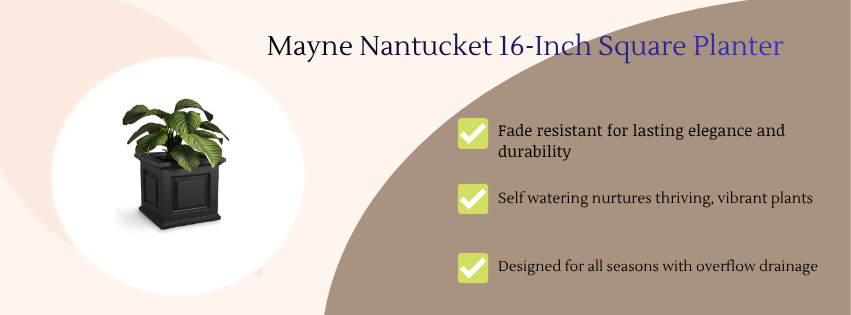
Self-Watering Planters
Why they work:
- Maintain consistent moisture.
- Reduce watering frequency.
Ideal for:
- Ferns
- Geraniums
- Boxwoods in hot climates
Higher upfront cost but significant time savings.
Drip Irrigation Kits
Best for multiple large pots.
Look for:
- Adjustable emitters
- Timer compatibility
- UV-resistant tubing
Minimal maintenance once installed.
Common Beginner Mistakes
- Choosing pots too small.
- No drainage holes.
- Overwatering shade plants.
- Underestimating west-facing heat.
- Using cheap, compacted potting mix.
- Skipping fertilizer entirely.
Most porch plant problems are structural not plant-related.
Pest Prevention Basics
Even low-maintenance plants need monitoring.
Common pests:
- Aphids
- Spider mites
- Mealybugs
Prevention:
- Inspect weekly.
- Hose foliage monthly.
- Apply neem oil if necessary.
- Maintain airflow between containers.
Healthy plants resist pests better than stressed ones.
FAQ
What are the easiest potted plants for a sunny porch?
Juniper, lantana, lavender, and geraniums perform reliably in full sun with minimal watering.
What potted plants survive on a shaded front porch?
Snake plants, ferns, and certain boxwoods tolerate low light conditions.
How often should I water porch containers?
Typically every 3–7 days in summer. Succulents every 2–3 weeks. Adjust for exposure and pot size.
What size pots reduce watering frequency?
Larger pots (16–24 inches deep for shrubs) hold more soil volume and retain moisture longer.
Can I leave porch plants outside in winter?
Only if they’re hardy to your USDA zone and planted in adequately insulated containers.
Are self-watering planters worth it?
Yes for busy homeowners or hot climates. They stabilize moisture and reduce daily effort.
Conclusion
The best potted plants for a low-maintenance front porch are those matched correctly to your light exposure, container size, and soil structure. Evergreen shrubs provide year-round structure. Heat-tolerant bloomers offer seasonal color. Drought-tolerant varieties reduce watering frequency.
Invest first in proper containers and high-quality potting mix these influence success more than plant choice alone. Choose slightly larger pots than you think you need, ensure drainage, and select plants suited to your sun direction.
With the right setup, your porch becomes a durable, polished space that enhances curb appeal without adding daily work. Low maintenance isn’t about neglect it’s about smart, horticulturally sound design.
