Every product is independently reviewed and selected by our editors. If you buy something through our links, we may earn an affiliate commission at no extra cost to you.
A front porch should feel welcoming not like another chore on your weekend list. The right low-maintenance front porch plants can handle heat, wind, irregular watering, and container life without constant attention. When you choose plants suited to your light exposure, USDA zone, and container depth, maintenance drops dramatically.
This guide walks you through durable, high-performing porch plants based on real horticultural principles soil structure, drainage, root depth, and seasonal resilience so you can create a polished entrance that practically runs itself.
Introduction
Most porch plant failures aren’t caused by “black thumbs.” They’re caused by poor plant selection and improper container setup. Shallow pots, compacted soil, and ignoring sun direction lead to wilting, root rot, and constant replacements.
If you want plants that survive busy schedules, summer heat, and occasional neglect, you need species that tolerate container stress and fluctuating moisture. In this guide, you’ll learn which plants work best, why they work, and exactly how to set them up for long-term success.
Quick Summary:
- Match plants to light exposure (south, west, east, north).
- Use containers at least 12–18 inches deep for shrubs.
- Always ensure drainage holes.
- Use a lightweight, well-draining potting mix.
- Choose drought-tolerant or evergreen varieties.
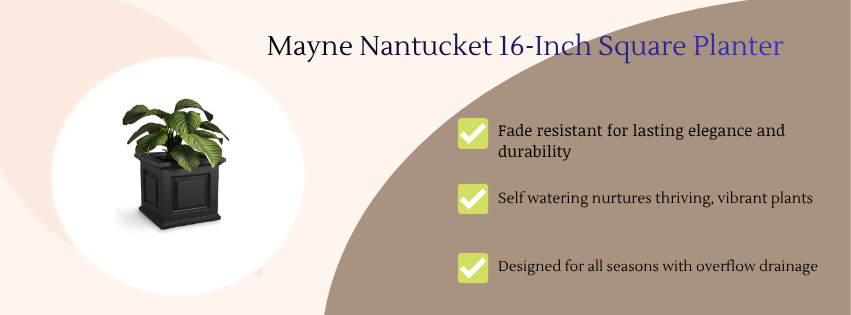
- Install self-watering systems for hot climates.
- Group pots to reduce moisture loss.
Understanding Porch Growing Conditions
Front porches create unique microclimates. Before selecting plants, assess:
Sun Exposure Direction
- South-facing: 6–8+ hours direct sun. High heat. Fast soil drying.
- West-facing: Intense afternoon sun. Heat stress risk.
- East-facing: Gentle morning sun. Ideal for many plants.
- North-facing: Mostly shade. Cooler and slower drying.
Wind Exposure
Porches funnel wind, especially in urban areas. Wind increases transpiration, meaning plants dry out faster even if soil appears moist.
USDA Hardiness Zones
If you plan to overwinter plants outdoors, choose species rated at least one zone colder than your location when grown in containers. Roots in pots experience more temperature fluctuation than in-ground roots.
Best Low-Maintenance Evergreen Porch Plants
Evergreens provide year-round structure and reduce seasonal replanting costs.
1. Boxwood (Buxus spp.)
USDA Zones: 5–9 Light: Full sun to partial shade Container Depth: 16–20 inches minimum
Why It Works
Boxwood tolerates pruning, fluctuating moisture, and partial shade. It maintains structure year-round and suits formal or modern porches.
Soil & Drainage
- 60% high-quality potting mix
- 30% compost
- 10% perlite or pine bark
Excellent drainage is critical boxwood roots dislike waterlogged soil.
Maintenance Impact
- Light pruning 1–2 times per year.
- Water every 5–7 days in summer.
- Feed with slow-release balanced fertilizer in spring.
Beginner Mistake: Overwatering during winter dormancy.
2. Dwarf Juniper
Zones: 3–9 Light: Full sun (6+ hours) Depth: 16–18 inches
Why It Works
Junipers are drought-tolerant and wind-resistant. They thrive in hot, exposed porches.
Soil Requirements
Add extra perlite or coarse sand for drainage. Junipers prefer slightly sandy, well-aerated soil.
Maintenance
- Minimal pruning.
- Water deeply but infrequently.
- Extremely low pest pressure.
Budget-friendly and nearly indestructible when planted correctly.
3. Dwarf Alberta Spruce
Zones: 3–8 Light: Full sun to partial sun Depth: 18–24 inches
Provides vertical height and symmetry near entryways.
Maintenance Reality
- Requires consistent moisture (not drought tolerant).
- Susceptible to spider mites in hot climates inspect monthly.
Higher maintenance than juniper but still manageable.
Low-Maintenance Flowering Porch Plants
If you want color without constant deadheading, choose resilient bloomers.
4. Lantana
Zones: 8–11 (annual in colder zones) Light: Full sun Depth: 12–14 inches
Why It Works
Lantana thrives in heat and tolerates drought. It blooms continuously without heavy fertilizing.
Soil
Well-draining potting mix with added compost. Avoid overly rich soil—it reduces flowering.
Watering
Allow top 2 inches of soil to dry between watering.
Excellent for west- or south-facing porches.
5. Geraniums (Pelargoniums)
Zones: 9–12 (annual elsewhere) Light: 6+ hours sun Depth: 10–12 inches
Why They Work
Thick stems and semi-succulent leaves tolerate inconsistent watering.
Maintenance
- Light deadheading.
- Fertilize every 3–4 weeks.
- Avoid soggy soil.
Cost-effective seasonal color option.
Shade-Loving, Low-Maintenance Porch Plants
For north- or east-facing porches.
6. Snake Plant (Sansevieria)
Zones: 9–11 (bring indoors in winter) Light: Low to bright indirect Depth: 10–12 inches
Why It Works
Extremely drought-tolerant. Handles low light and neglect.
Soil
Fast-draining cactus mix preferred.
Watering
Every 2–3 weeks. Overwatering is the primary cause of failure.
Ideal for modern porch styling.
7. Ferns (Boston or Kimberly Queen)
Zones: 9–11 Light: Bright indirect or partial shade Depth: 12–14 inches
Require consistent moisture but minimal pruning.
Maintenance Consideration
Need more frequent watering in summer heat. Self-watering hanging baskets reduce effort.
Drought-Tolerant Porch Plants for Busy Homeowners
8. Lavender
Zones: 5–9 Light: Full sun Depth: 12–16 inches
Why It Works
Thrives in dry, well-draining soil. Highly fragrant. Pollinator-friendly.
Soil Mix
- 50% potting mix
- 30% coarse sand
- 20% compost
Avoid humidity buildup ensure airflow.
9. Succulent Arrangements
Light: Bright sun (south-facing ideal) Depth: 6–8 inches
Why It Works
Store water in leaves. Minimal irrigation required.
Maintenance
Water every 2–3 weeks. Ensure drainage holes.
Budget-friendly and low effort.
Choosing the Right Containers (Critical for Low Maintenance)
The container matters as much as the plant.
Material Comparison
Plastic/Resin
- Lightweight
- Retains moisture
- Budget-friendly
Terracotta
- Breathable
- Dries quickly
- Heavier, prone to cracking in cold climates
Fiberglass
- Durable
- Premium aesthetic
- Higher upfront cost
Drainage Requirements
Every container must have drainage holes. Elevate slightly using pot feet to prevent water pooling.
Soil Mix for Low-Maintenance Porch Containers
Never use garden soil in containers—it compacts and suffocates roots.
Ideal Basic Mix
- 60% quality potting soil
- 30% compost
- 10% perlite or bark fines
For drought-tolerant plants, increase aeration material to 20%.
Refresh top 2–3 inches annually.
Watering Systems That Reduce Maintenance
Self-Watering Planters
Why they work:
- Provide consistent moisture.
- Reduce daily watering.
Ideal for:
- Ferns
- Geraniums
- Boxwoods in hot climates
Drip Irrigation Kits
Best for multiple large containers. Look for:
- Adjustable emitters
- Timer compatibility
- UV-resistant tubing
Upfront cost is moderate but saves time long term.
Common Porch Plant Mistakes
- Using pots that are too small.
- No drainage holes.
- Choosing sun plants for shaded porches.
- Overcrowding containers.
- Overfertilizing (causes weak growth).
Most failures stem from improper container setup not plant difficulty.
Pest Prevention Basics
Porch plants face fewer pests than garden beds but still encounter:
- Aphids
- Spider mites
- Mealybugs
Prevention strategy:
- Inspect weekly.
- Hose foliage monthly.
- Use neem oil preventatively if needed.
- Maintain airflow between pots.
Healthy plants resist pests better than stressed plants.
FAQ
What are the easiest plants for a sunny front porch?
Juniper, lantana, lavender, and geraniums perform reliably in 6+ hours of sun.
What plants survive on a shaded porch?
Snake plant, ferns, and certain boxwoods tolerate low light.
How often should porch plants be watered?
Typically every 3–7 days in summer. Succulents every 2–3 weeks. Adjust based on exposure.
What size pots reduce maintenance?
Larger pots (16–20 inches deep for shrubs) hold moisture longer and reduce watering frequency.
Can I leave porch plants outside in winter?
Only if they are hardy to your USDA zone and in adequately insulated containers.
Are self-watering planters worth it?
Yes for hot climates or busy schedules. They reduce stress and watering frequency significantly.
Final Thoughts
Low-maintenance front porch plants aren’t about choosing “easy” species they’re about matching the right plant to the right container, soil mix, and light conditions. When you account for root depth, drainage, and sun exposure, your porch becomes stable and self-sustaining.
Start with one or two evergreen anchors, add seasonal color suited to your exposure, and upgrade to larger containers or self-watering systems if time is limited. The upfront investment in proper setup pays off in fewer replacements, less watering, and stronger plant health.
A well-designed porch planting scheme doesn’t just boost curb appeal it reduces stress, saves money long term, and creates a welcoming entry that looks intentional year-round.
