Every product is independently reviewed and selected by our editors. If you buy something through our links, we may earn an affiliate commission at no extra cost to you.
A small balcony, patio, or doorstep doesn’t have to limit your garden it forces you to garden smarter. With the right containers, soil structure, and plant choices, even 20 square feet can produce herbs, vegetables, flowers, and privacy screens that rival larger yards. The difference isn’t space. It’s strategy.
Introduction
Many small-space gardeners struggle with the same problems: pots dry out too fast, plants become root-bound, yields are disappointing, and layouts feel cluttered. Most of these issues stem from poor container depth, incorrect soil structure, or ignoring light direction.
This guide provides practical, field-tested container gardening ideas for small spaces that maximize productivity and aesthetics without overcomplicating maintenance. You’ll learn how to choose the right containers, soil mixes, plant combinations, and irrigation systems while avoiding common beginner mistakes that waste time and money.
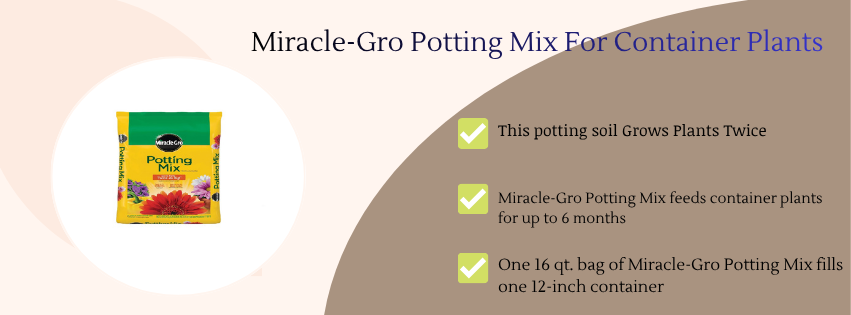
Quick Summary:
- Use containers at least 10–12 inches deep for vegetables.
- Choose lightweight, well-draining potting mix not garden soil.
- Prioritize south- or west-facing exposure for fruiting plants.
- Install drip irrigation or self-watering planters to prevent drought stress.
- Grow vertically to double usable space.
- Match plant root depth to container size.
- Plan for drainage holes in every container.
Understanding Small-Space Container Gardening (Why It Works)
Container gardening works in tight areas because you control every variable: soil composition, drainage, root environment, and water access. In small spaces, this level of control is an advantage.
Unlike in-ground gardens, container systems:
- Warm up faster in spring.
- Allow custom soil blends.
- Prevent invasive root spread.
- Make pest monitoring easier.
- Adapt to balconies, rooftops, and rental properties.
However, containers dry out faster and require more frequent feeding. Maintenance is higher but predictable.
1. Vertical Container Gardening: Multiply Your Growing Area
Why It Works
Vertical systems increase plant density without increasing floor space. By using wall-mounted planters, tiered shelves, or trellised pots, you effectively turn one square foot into three or four.
How to Implement
Wall Planters
- Use modular wall pocket systems or stacked planters.
- Ensure secure mounting wet soil is heavy.
- Best for shallow-rooted plants (herbs, lettuce, strawberries).
- Soil depth: 6–8 inches minimum.
Tiered Plant Stands
- Ideal for balconies.
- Place taller plants on top shelves for light access.
- Ensure lower tiers still receive 4–6 hours of light.
Trellised Containers
- Use 12–16 inch deep pots for climbing vegetables.
- Install a sturdy trellis directly into the container at planting time.
Best plants:
- Pole beans
- Cherry tomatoes
- Cucumbers (compact varieties)
- Sweet peas
- Clematis (ornamental)
Cost Considerations
- Basic tiered shelf: budget-friendly.
- Modular vertical systems: higher upfront cost.
- DIY wooden trellises reduce expenses.
Maintenance Impact
Vertical systems dry out faster due to airflow. Check moisture daily in summer. Drip irrigation kits are highly recommended.
Self-Watering Container Systems: Reduce Daily Maintenance
Why It Works
Self-watering containers use a reservoir system that allows plants to absorb water from below. This stabilizes soil moisture and prevents stress cycles.
Plants perform better when moisture is consistent especially tomatoes, peppers, and herbs.
How to Implement
Choose containers with:
- Built-in reservoir
- Overflow hole
- Wicking mechanism
Soil Composition:
- 60% high-quality potting mix
- 20% compost
- 20% perlite or pine bark fines
Avoid heavy garden soil it compacts and blocks wicking.
Watering Frequency
- Refill reservoir every 3–7 days depending on heat.
- South- or west-facing balconies require more frequent refills.
Cost Impact
- Higher upfront cost than standard pots.
- Lower water waste.
- Saves time daily.
Common Mistake
Overfilling reservoirs during rainy periods, leading to root rot.
Compact Edible Container Gardens
You can grow serious food in small spaces with the right plant selection.
Best Vegetables for Containers
| Plant | Minimum Depth | Light Needs |
|---|---|---|
| Lettuce | 6–8 in | 4–6 hrs |
| Spinach | 6–8 in | Partial sun |
| Cherry tomatoes | 12–16 in | 6–8 hrs |
| Peppers | 12 in | 6+ hrs |
| Radishes | 8 in | 4–6 hrs |
| Bush beans | 10–12 in | 6 hrs |
Why It Works
Compact and bush varieties are bred for container performance. They have controlled root systems and high yield per square foot.
USDA Zones
- Warm-season crops: Zones 4–10 (after frost).
- Cool-season crops: Zones 3–9 in spring/fall.
Soil & Drainage
- Use a well-draining potting mix with added compost.
- Every container must have drainage holes.
- Elevate pots slightly to prevent water pooling.
Maintenance
- Fertilize every 2–3 weeks with balanced liquid fertilizer.
- Rotate crops seasonally.
Balcony Privacy Garden Using Containers
Why It Works
Tall container plants act as living screens without violating rental agreements.
Best Plants
For sunny balconies:
- Bamboo (clumping varieties only)
- Ornamental grasses
- Dwarf fruit trees
- Climbing vines on trellis
For shade:
- Fatsia japonica
- Ferns
- Hydrangea (partial shade zones 5–9)
Container Depth
- Minimum 18–24 inches for shrubs.
- Ensure excellent drainage shrubs hate soggy roots.
Cost Comparison
- Plastic planters: lightweight, affordable.
- Fiberglass: durable, premium look.
- Terracotta: breathable but heavy.
Maintenance Impact
- Larger containers reduce watering frequency.
- Prune annually to maintain airflow and structure.
Herb Container Gardens for Small Spaces
Herbs are ideal for tight spaces because they prefer slightly confined roots.
Best Herbs for Containers
- Basil (12-inch pot)
- Thyme (8-inch pot)
- Rosemary (12–16 inch deep)
- Mint (separate container only)
- Parsley (10–12 inch depth)
Soil Mix
- 70% potting mix
- 20% compost
- 10% coarse sand (improves drainage)
Most herbs prefer slightly drier conditions.
Light Requirements
- South-facing exposure: ideal.
- East-facing: excellent for tender herbs.
- North-facing: limit to parsley and mint.
Beginner Mistake
Overwatering herbs. Allow top 1 inch of soil to dry before watering.
Raised Garden Beds for Patios
Raised beds aren’t just for yards.
Why It Works
They offer deeper root space and improved yield.
Ideal Specs
- Depth: 10–12 inches minimum.
- Material: cedar, galvanized steel, or composite.
- Width: no more than 4 feet for easy reach.
Soil Composition
- 50% high-quality topsoil
- 30% compost
- 20% aeration material (perlite/pumice)
Cost
- Cedar: mid to high.
- Metal: long lifespan.
- Fabric raised beds: budget-friendly.
Maintenance
- Requires seasonal soil amendment.
- Easier on back and knees.
Smart Irrigation for Small Spaces
Drip Irrigation Kits
Why it works:
- Delivers water directly to roots.
- Reduces fungal disease.
- Conserves water.
Ideal for:
- Multiple containers.
- Hot climates.
- Busy schedules.
Buying Criteria
- Adjustable emitters.
- Timer compatibility.
- UV-resistant tubing.
Maintenance
- Flush lines monthly.
- Check emitters for clogging.
Common Beginner Mistakes in Small-Space Container Gardening
- Using garden soil in pots.
- Choosing containers too shallow.
- Ignoring sunlight direction.
- Overcrowding plants.
- Forgetting fertilization.
- No drainage holes.
These errors reduce yield and cause frustration.
Pest Prevention Basics for Container Gardens
Containers reduce pest pressure but don’t eliminate it.
Common pests:
- Aphids
- Spider mites
- Whiteflies
Prevention:
- Inspect weekly.
- Use neem oil preventatively.
- Improve airflow between pots.
Healthy soil equals stronger plants and fewer pest outbreaks.
FAQ:
What is the best container size for vegetables?
Most vegetables need at least 10–12 inches of soil depth. Fruiting plants like tomatoes require 12–16 inches minimum.
How often should I water container plants?
Typically every 1–3 days in summer. Self-watering systems reduce frequency.
Can I grow fruit trees in small spaces?
Yes, choose dwarf varieties in containers at least 18–24 inches deep with excellent drainage.
What direction is best for balcony gardening?
South-facing is ideal. West-facing works but increases watering needs. East-facing suits herbs and leafy greens.
Are fabric grow bags good for small spaces?
Yes. They improve drainage and root aeration. However, they dry out faster.
What’s the best soil for container gardening?
A lightweight, well-draining potting mix with compost and perlite. Never use compacted garden soil.
Final Thoughts
Container gardening ideas for small spaces are not about squeezing plants into pots they’re about designing controlled, high-efficiency growing systems. When you match container depth to root needs, use the right soil composition, manage drainage properly, and optimize light exposure, small spaces become surprisingly productive.
Start with one vertical system, one self-watering planter, and a few well-chosen vegetables or herbs. Expand gradually. Invest in quality soil and irrigation first these impact success more than decorative containers.
With thoughtful planning and consistent maintenance, even the smallest balcony can produce fresh food, privacy, and beauty year-round.
