Every product is independently reviewed and selected by our editors. If you buy something through our links, we may earn an affiliate commission at no extra cost to you.
A leftover tree stump doesn’t have to be an eyesore. With the right tools and horticultural planning, it can become a long-lasting, low-profile raised planter that blends naturally into your landscape.
But here’s the reality: most DIY stump planters fail because they trap water, use heavy soil, or aren’t hollowed deep enough for healthy root systems.
In this guide, I’ll walk you through exactly how to make a tree stump planter that drains properly, supports real plant growth, and lasts for years not just one season.
Introduction
If you’ve recently had a tree removed, stump grinding can cost anywhere from $150 to $500 depending on diameter. Turning the stump into a planter is often more affordable and visually appealing.
However, wood behaves differently than ceramic or plastic containers. It absorbs water. It decomposes. It expands and contracts in freeze-thaw cycles (especially in USDA Zones 3–6).
To succeed, you must:
- Create proper drainage
- Hollow deep enough for root development
- Use a lightweight, oxygen-rich soil mix
- Choose plants suited to shallow cavities
This guide covers all of it step by step.
Quick Summary
- Minimum Stump Diameter: 12 inches
- Ideal Hollow Depth: 6–12 inches depending on plants
- Drainage Holes: ½–1 inch diameter, 4–8 holes minimum
- Soil Mix: Compost + coco coir + perlite blend
- Best Plants: Succulents, herbs, shallow-rooted flowers
- Lifespan: 3–8 years depending on wood type and climate
Step 1: Choose the Right Stump
Not all stumps are equally durable.
Best Wood Types for Longevity
- Cedar
- Oak
- Black locust
- Redwood
These hardwoods resist rot better and can last 5–8 years when properly drained.
Avoid if possible:
- Pine
- Birch
- Poplar
Softwoods break down faster, especially in humid climates (USDA Zones 7–9).
Step 2: Gather the Right Tools
You’ll need:
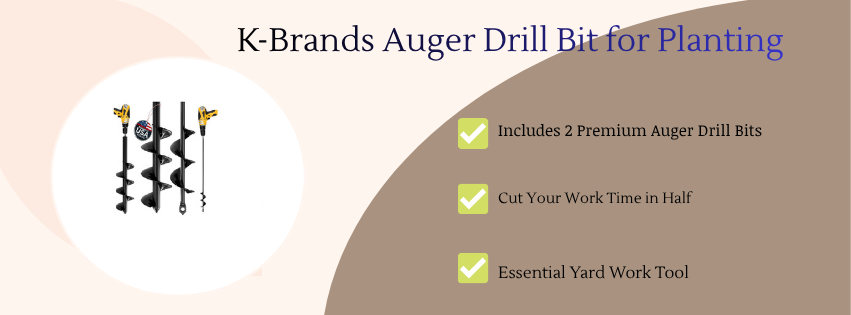
- Power drill with 1-inch spade or auger bit
- Hammer and chisel
- Chainsaw (for larger stumps)
- Safety glasses and gloves
Optional but helpful:
- Shop vacuum for debris removal
- Level (to ensure even cavity)
Budget impact: If you already own tools, cost is minimal. Otherwise, tool rental may cost $40–80 for the day.
Step 3: Hollow Out the Stump Properly
This is the most critical step.
How Deep Should You Hollow
| Plant Type | Soil Depth Required |
| Succulents | 3–5 inches |
| Annual flowers | 6–8 inches |
| Herbs | 8–10 inches |
| Strawberries | 8–10 inches |
For most plantings, aim for at least 8 inches deep.
Why Depth Matters
Deeper soil:
- Buffers temperature swings
- Holds moisture longer
- Supports stronger root systems
- Reduces watering frequency
Shallow cavities dry out rapidly and stunt plants.
Hollowing Technique
- Drill multiple deep holes across the top surface.
- Break out wood between holes using chisel.
- Repeat until desired depth is reached.
- Remove loose debris completely.
Do not thin outer walls too much leave at least 2–3 inches thickness for structural stability.
Step 4: Add Proper Drainage (Non‑Negotiable)
Without drainage holes, the stump becomes a water basin.
How to Drill Drainage Holes
- Drill 4–8 holes through the bottom
- ½–1 inch diameter
- Slight downward angle
- Clear debris from holes
If stump is still rooted in ground:
- Drill angled side holes 1–2 inches above soil line
This allows excess water to escape.
Common Drainage Mistake
Adding a thick gravel layer at the bottom without exit holes does NOT improve drainage. It creates a perched water table and increases root rot risk.
If using gravel, keep it to a thin 1-inch layer directly over drainage holes only.
Step 5: Use the Right Soil Mix
Never use heavy native soil.
Ideal Soil Composition
For most stump planters:
- 40% compost
- 30% coco coir or peat moss
- 20% perlite or pumice
- 10% coarse sand
Why this works:
- Compost provides nutrients
- Coir retains moisture
- Perlite improves aeration
- Sand increases drainage
Cost considerations:
- Budget mix: $12–15 per bag
- Premium organic mix: $20–25 per bag
Small stump cavities make upgrading affordable and worthwhile.
Step 6: Choose the Right Plants
Stump planters are shallow compared to raised beds.
Best Plant Choices
1. Succulents (Zones 8–11 year-round)
- Sedum
- Echeveria
- Sempervivum
Low maintenance, shallow roots.
2. Shallow-Rooted Flowers
- Petunias
- Pansies
- Alyssum
- Lobelia
High visual impact but require regular feeding.
3. Herbs
- Thyme
- Oregano
- Chives
- Parsley
Require 8–10 inches depth and full sun (6+ hours daily).
Avoid deep-rooted vegetables like tomatoes or peppers.
Step 7: Position for Proper Sun Exposure
Sun direction directly affects watering and plant success.
- South-facing: Best for herbs and flowers
- West-facing: Hot afternoon sun (increase watering)
- East-facing: Ideal balance
- North-facing: Shade plants only
In USDA Zones 8–10, partial afternoon shade prevents overheating.
Step 8: Watering Strategy
Wood absorbs moisture, which changes watering frequency.
Typical schedule:
- Spring: Every 3–5 days
- Summer: Every 2–3 days
- Fall: Weekly
Always check soil 2 inches deep before watering.
Signs of overwatering:
- Mushy wood
- Mold growth
- Yellow leaves
Signs of underwatering:
- Wilting
- Soil cracking
- Leaf browning
Mulching lightly can reduce evaporation.
Step 9: Extend the Lifespan of Your Stump Planter
Improve Airflow
Add gravel or stone around base to reduce soil contact.
Seal Exterior Only
Apply plant-safe wood oil or linseed oil to exposed outer surface.
Do not seal interior cavity.
Clear Drainage Annually
Inspect and reopen holes each season.
Expected lifespan:
- Hardwood stumps: 5–8 years
- Softwood stumps: 2–4 years
Climate impacts longevity significantly.
Budget vs Premium Setup
Budget Version
- Existing stump
- Basic soil
- Seasonal flowers
Cost: $40–80
Pros: Affordable Low commitment
Cons: Shorter lifespan More frequent replanting
Premium Version
- Hardwood stump
- Premium soil blend
- Organic slow-release fertilizer
- Decorative stone border
Cost: $100–250
Pros: Better drainage Stronger plant growth Longer lifespan
Cons: Higher upfront investment
For multi-year use, premium setup is more cost-effective long term.
Common Beginner Mistakes
- Not drilling drainage holes
- Hollowing too shallow
- Using heavy clay soil
- Overcrowding plants
- Ignoring sun exposure
Tree stump planters require thoughtful structure not just aesthetics.
FAQ
How long does a tree stump planter last?
Typically 3–8 years depending on wood type, drainage, and climate.
Can I grow vegetables in a stump planter?
Only shallow-rooted crops like lettuce or strawberries. Deep vegetables require more soil depth.
Do I need to line the inside?
No plastic liner. If desired, use breathable landscape fabric only.
What if my stump fills with water after rain?
Add more drainage holes or clear debris blocking existing holes.
Should I remove bark?
No. Bark protects the stump and slows decay.
Is this suitable for small yards?
Yes. Stump planters are ideal for small-space gardens and natural landscapes.
Final Thoughts
Learning how to make a tree stump planter is less about decoration and more about respecting root biology and water management.
Hollow deep enough for real root systems. Drill proper drainage holes. Use a lightweight, well-aerated soil mix. Match plant selection to sun exposure and soil depth.
When done correctly, a stump planter becomes a living focal point blending sustainability, rustic design, and functional gardening into one compact feature.
Approach it thoughtfully, and it can transform a leftover stump into a thriving garden element for years to come.
