Every product is independently reviewed and selected by our editors. If you buy something through our links, we may earn an affiliate commission at no extra cost to you.
Nothing is more frustrating than watching your hanging strawberry baskets fill with ripening fruit only to find them pecked, half-eaten, or completely gone the next morning. Birds are incredibly efficient at spotting ripe strawberries, especially when they’re elevated and fully visible. The good news? With the right protection strategies, you can enjoy your harvest before the birds do.
Introduction
If you’re growing strawberries in hanging baskets, you already understand the benefits: better drainage, fewer soil-borne diseases, and cleaner fruit. But elevated planters also make berries highly visible to birds like robins, sparrows, and starlings.
This guide explains exactly how to protect strawberries in hanging baskets from bird damage, using proven horticultural methods. You’ll learn what works, what fails, how much it costs, and how to maintain protection throughout the growing season without harming wildlife.
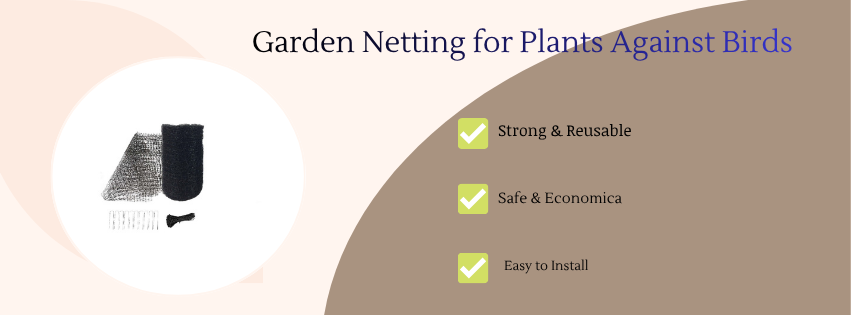
Quick Summary:
- Use fine mesh netting (¼–½ inch) as your primary defense.
- Install structured support frames to prevent birds from reaching through netting.
- Position baskets in less exposed locations (avoid open sight lines).
- Combine visual deterrents + physical barriers for best results.
- Water properly overhead splashing attracts birds seeking moisture.
- Inspect protection weekly during fruiting season.
Why Birds Target Hanging Strawberries
Understanding the behavior behind the damage helps you choose the right solution.
Birds are attracted to strawberries because:
- Bright red fruit signals ripeness and sugar content.
- Hanging baskets elevate fruit into clear sight lines.
- Moist soil and irrigation provide drinking water.
- Urban and suburban areas have limited natural food sources.
In USDA Zones 5–9, bird activity increases significantly during late spring and early summer precisely when strawberries ripen.
Important insight: Birds typically peck once per fruit, ruining dozens in minutes. Prevention must start before fruit turns red.
Best Physical Barrier: Netting (The Most Reliable Solution)
Why Netting Works
Bird netting physically prevents access. Unlike scare tactics, it does not rely on bird behavior patterns.
When properly installed, netting:
- Blocks entry
- Does not harm wildlife
- Protects continuously
- Works in all climates
Choosing the Right Netting
Not all garden netting is equal.
Mesh Size
- Ideal: ¼–½ inch mesh
- Larger than ½ inch allows beaks through.
- Smaller mesh increases airflow resistance but offers better protection.
Material
- UV-stabilized polyethylene lasts 3–5 seasons.
- Fine fabric mesh (like insect netting) offers superior protection but costs more.
Cost Range
- Budget plastic netting: $10–$20 per roll
- Heavy-duty UV-resistant netting: $25–$50
- Fine woven fruit protection mesh: $40–$80
Premium netting lasts longer and resists tangling—worth it if you grow strawberries annually.
How to Install Netting on Hanging Baskets (Properly)
Many gardeners drape netting loosely over baskets. This is a mistake.
Birds will land on top and peck through.
Correct Installation Method:
- Create a Dome Frame
- Use flexible garden wire or tomato cage rings.
- Form a dome slightly larger than the basket diameter.
- Height: 6–8 inches above foliage.
- Drape Netting Over Frame
- Secure underneath with clips or zip ties.
- Ensure no gaps at bottom.
- Anchor Securely
- Wind can lift netting.
- Use binder clips or reusable garden clips.
Maintenance Impact
- Weekly inspection required.
- Remove netting during watering if using overhead irrigation.
- Self-watering baskets reduce disturbance.
Alternative Strategy: Cage Systems for Hanging Baskets
If netting feels messy or inconvenient, consider structured cages.
Why Cages Work
Cages prevent sagging and eliminate peck access points.
Best Materials:
- Powder-coated wire cloches
- DIY hardware cloth cylinders (½ inch grid)
- Custom PVC frame enclosures
Container Depth Considerations
Strawberries require:
- 6–8 inches soil depth minimum
- Well-draining potting mix (peat/coir + compost + perlite)
- Drainage holes at bottom
A cage must not compress foliage or reduce airflow, which can increase fungal disease like Botrytis.
Cost Comparison
| Option | Cost | Longevity | Maintenance |
| DIY wire cage | Low | High | Minimal |
| Commercial cloche | Medium | High | Minimal |
| Custom enclosure | High | Very High | Minimal |
For multi-season growers, cages are a worthwhile investment.
Strategic Placement: Reduce Visibility to Birds
Birds rely heavily on visual detection.
Best Placement Tips
- Hang baskets near walls or under eaves.
- Avoid open yard exposure.
- Use shaded patios (south-facing exposure still works if light is adequate).
Light Requirements Reminder
Strawberries need:
- 6–8 hours direct sunlight
- East or south exposure ideal
- In very hot USDA Zones 8–10, afternoon shade prevents fruit scorch
Balancing light and concealment is key.
Reflective & Visual Deterrents (Secondary Protection)
These work best when combined with netting.
Options:
- Reflective tape
- Old CDs
- Motion-activated sprinklers
- Predator decoys
Why They Only Partially Work
Birds quickly adapt to stationary deterrents.
However, reflective flashes can reduce early-season targeting.
Cost Range
- Reflective tape: $10
- Motion sprinkler: $40–$80
- Decoys: $15–$30
Maintenance: Must reposition weekly to stay effective.
Watering Strategy to Reduce Bird Attraction
Birds often peck strawberries not just for food—but moisture.
Smart Watering Practices
- Water early morning.
- Avoid frequent overhead watering.
- Use drip irrigation or self-watering baskets.
Ideal Soil Mix for Hanging Strawberries
Use:
- 40% high-quality potting mix
- 30% compost
- 20% coco coir or peat moss
- 10% perlite
This ensures:
- Excellent drainage
- Consistent moisture
- Reduced cracking (which attracts birds)
Watering Frequency
- Spring: Every 2–3 days
- Hot summer: Daily check; often daily watering
- Keep soil moist but never soggy
Overwatering increases fruit splitting and scent release.
Common Beginner Mistakes
1. Waiting Until Fruit Turns Red
Protection must begin at flowering stage.
2. Loose Netting
Sagging netting allows birds to sit and peck.
3. Ignoring Gaps
Even a 2-inch opening invites access.
4. Using Fishing Line Alone
Often ineffective and can harm wildlife.
5. Forgetting Pest Balance
Birds also eat insects. If you exclude birds, monitor for aphids and spider mites.
Pest & Disease Considerations When Using Netting
Netting reduces bird access but also changes airflow.
Monitor for:
- Botrytis (gray mold)
- Powdery mildew
- Aphids
Ensure:
- Adequate spacing between plants
- Air circulation
- Remove damaged fruit promptly
Budget vs Premium Protection Setup
Budget Setup ($30–$50)
- Plastic netting
- DIY wire frame
- Basic potting mix
- Manual watering
Maintenance: Higher Durability: 1–2 seasons
Premium Setup ($150–$300)
- UV-resistant fine mesh enclosure
- Powder-coated frame
- Premium strawberry potting mix
- Self-watering baskets or drip system
- Motion sensor deterrent
Maintenance: Low Durability: 3–5+ seasons
For frequent growers, premium systems reduce long-term frustration.
When to Remove Protection
After final harvest:
- Remove netting to allow pollinators access if growing everbearing varieties.
- Clean and store dry.
- Inspect for tears.
In USDA Zones 7–10, everbearing strawberries may fruit multiple times protection may be needed intermittently.
FAQ
1. What is the best way to protect strawberries in hanging baskets from bird damage?
Fine mesh netting installed over a dome frame is the most effective and humane solution.
2. Can birds peck through garden netting?
Yes, if the mesh is larger than ½ inch or if netting rests directly on fruit.
3. Do fake owls work to protect strawberries?
Only temporarily. Birds quickly adapt unless deterrents move or change location.
4. When should I cover my strawberries?
Install protection when flowers form before fruit turns red.
5. Does hanging height affect bird access?
Yes. Lower baskets near shrubs are sometimes less visible. Fully exposed high baskets attract more attention.
6. Will netting reduce sunlight to strawberries?
Fine mesh slightly reduces light but not enough to affect production significantly.
7. Are birds damaging plants or just fruit?
Primarily fruit. However, pecking can introduce fungal pathogens.
Final Thoughts
Learning how to protect strawberries in hanging baskets from bird damage is about combining smart placement, physical barriers, and consistent maintenance. Netting over a structured frame remains the most reliable solution, especially when installed early and secured properly.
When you invest in proper protection, you protect months of plant care soil preparation, watering, fertilizing, and pruning. The cost of prevention is small compared to losing your harvest overnight.
Choose durable materials. Install them correctly. Monitor weekly.
With the right setup, your hanging baskets can deliver clean, bird-free strawberries all season long and reward you year after year.
