Every product is independently reviewed and selected by our editors. If you buy something through our links, we may earn an affiliate commission at no extra cost to you.
Half barrel planter ideas outdoor gardeners love aren’t just about rustic charm they’re about depth, drainage, and durability. A properly planted half whiskey barrel can support everything from dwarf fruit trees to layered perennial displays for years.
If you’ve ever struggled with shallow containers that dry out too fast, tip over in wind, or look out of place on a patio, half barrels solve many of those problems. But only if they’re set up correctly.
This guide walks you through design ideas, soil formulas, drainage setup, plant selection by sun exposure, and common mistakes so your barrel planters thrive instead of rot.
Introduction
Outdoor gardeners often want container impact without installing permanent beds. Maybe you’re renting. Maybe your soil is poor clay. Maybe your patio needs vertical interest.
Half barrel planters offer:
- Deep root space
- Excellent stability
- Rustic aesthetic appeal
- Versatility for flowers, herbs, shrubs, and small trees
But many beginners make the same mistake: they treat them like oversized flower pots.
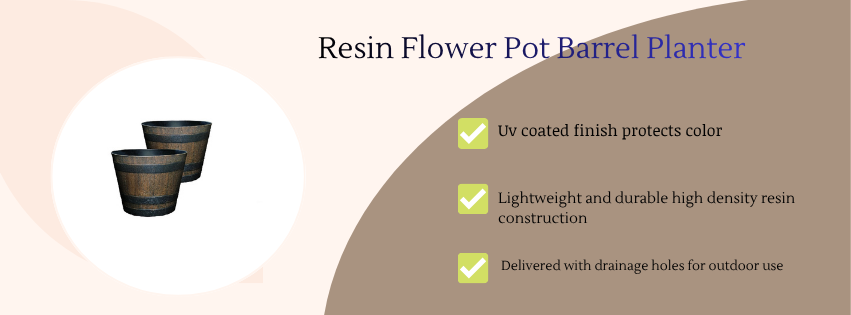
This article gives you practical, horticulture-backed half barrel planter ideas that actually work based on soil science, root depth needs, drainage design, and climate considerations (USDA zones 3–10 depending on plant choice).
Quick Summary: What Makes Half Barrel Planters Work
- Ideal depth: 12–16 inches minimum
- Drainage holes: At least 3–5 holes, ½–¾ inch diameter
- Soil mix: 60% high-quality potting mix + 30% compost + 10% perlite
- Best exposure: South or west-facing for sun lovers; east-facing for mixed plantings
- Watering: 2–4 times per week in summer (climate dependent)
- Lifespan: 5–10 years (wood), longer with liner protection
Why Half Barrel Planters Work So Well Outdoors
Deep Root Zone = Healthier Plants
Most half barrels are 12–16 inches deep. That depth supports:
- Dwarf fruit trees
- Ornamental grasses
- Perennial root systems
- Root vegetables
Why it works: Deeper soil holds moisture longer and buffers temperature swings. Shallow pots overheat and dry out quickly.
Maintenance impact: Fewer watering cycles compared to shallow containers.
Cost factor: Higher upfront cost than plastic pots, but fewer plant losses long term
Excellent Stability for Windy Patios
The wide base prevents tipping important for:
- Tall ornamental grasses
- Tomato cages
- Small citrus trees
In high-wind areas (coastal or open landscapes), lightweight resin pots often fail.
15 Outdoor Half Barrel Planter Ideas (With Practical Setup Advice)
1. Dwarf Fruit Tree Statement Planter
Best for: USDA zones 4–10 Sun: Full sun (south or west-facing)
Plant options:
- Dwarf apple
- Meyer lemon
- Dwarf peach
- Fig
Container depth requirement: Minimum 15 inches
Soil mix:
- 50% high-quality potting mix
- 25% compost
- 15% pine bark fines
- 10% perlite
Why it works: The depth accommodates woody roots and supports long-term growth.
Maintenance:
- Fertilize 3 times per growing season
- Winter protection in zones below 6
Mistake to avoid: Overwatering. Fruit trees hate soggy roots.
2. Layered Cottage-Style Flower Display
Best for: Full sun
Design formula:
- Thriller: Upright grass or salvia
- Filler: Geranium or petunia
- Spiller: Sweet potato vine
Why it works: The wide opening allows proper spacing between root balls.
Watering: Every 2–3 days in summer heat.
Cost note: Annuals require seasonal replanting budget accordingly.
3. Rustic Herb Garden Barrel
Best for: South-facing patios
Ideal herbs:
- Rosemary
- Thyme
- Sage
- Oregano
Soil composition:
- 50% potting mix
- 30% coarse sand
- 20% compost
Why it works: Herbs prefer fast drainage and moderate fertility.
Common mistake: Using heavy garden soil. It compacts and suffocates roots.
4. Shade-Loving Fern and Hostas Display
Best for: North or east-facing porch
Plant combination:
- Hostas
- Ferns
- Heuchera
Soil:
- Moisture-retentive mix with added compost
Maintenance: Mulch surface to reduce evaporation.
Why it works: The barrel holds consistent moisture better than shallow shade pots.
5. Small Vegetable Garden Barrel
Best crops:
- Cherry tomatoes
- Peppers
- Bush beans
Minimum depth:
- 14 inches for tomatoes
Support tip: Install cage before roots spread.
Watering frequency:
- Daily in peak summer heat
Affiliate buying tip: Choose food-safe liners for edible crops.
6. Water-Wise Succulent Barrel
Soil:
- 50% cactus mix
- 25% pumice
- 25% coarse sand
Sun: Full sun
Drainage holes are critical. Add extra if needed.
Why it works: Wood moderates temperature better than metal planters.
7. Ornamental Grass Focal Point
Grass options:
- Fountain grass
- Blue fescue
- Japanese forest grass (shade)
Root depth: 12+ inches
Maintenance:
- Divide every 2–3 years
8. Seasonal Bulb Display
Layer planting method:
- Bottom: Tulips
- Middle: Daffodils
- Top: Crocus
Why it works: Deep soil allows multi-layer bulb planting.
Maintenance: Remove spent foliage naturally don’t cut early.
9. Privacy Screen with Bamboo (Clumping Only)
Use clumping bamboo, never running varieties.
Barrier tip: Line interior with heavy-duty plastic.
Maintenance: Annual root inspection.
10. Mini Pollinator Garden
Include:
- Lavender
- Coneflower
- Salvia
Why it works: Concentrated nectar source in small space.
11. Evergreen Winter Display
Use:
- Dwarf spruce
- Boxwood
- Winterberry
USDA zone check required.
Protection tip: Wrap barrel in burlap in zones 4–5.
12. Raised Salad Garden
Grow:
- Lettuce
- Arugula
- Spinach
Shallow-root friendly.
Watering: Consistent moisture prevents bitterness.
13. Decorative Topiary Feature
Plant:
- Boxwood
- Dwarf juniper
Pruning maintenance: 2–3 times per year.
14. Mixed Perennial Meadow Barrel
Combine:
- Black-eyed Susan
- Coreopsis
- Gaillardia
Full sun required.
Why it works: Deep soil supports perennial root systems long term.
15. Self-Watering Converted Barrel
Install:
- Reservoir base insert
- Wicking system
Best for:
- Busy homeowners
- Hot climates
Cost: Higher upfront, lower plant loss.
How to Prepare a Half Barrel Planter Correctly
Step 1: Ensure Proper Drainage
Drill:
- 3–5 holes minimum
- Elevate with pot feet
Why: Prevents root rot.
Step 2: Line (But Don’t Suffocate)
Use landscape fabric, not plastic, unless growing bamboo.
Why: Preserves wood but allows drainage.
Step 3: Use the Right Soil Mix
Never use native soil.
Ideal base mix:
- 60% potting mix
- 30% compost
- 10% aeration material
Step 4: Elevate Slightly
Prevents wood rot and improves airflow.
Budget vs Premium Barrel Options
Budget Option ($40–$70)
- Reclaimed wood barrel
- May require sealing
- Shorter lifespan
Premium Option ($90–$180)
- Hardwood barrel
- Steel band reinforcement
- Longer durability
Resin half barrels are lighter and cheaper but less stable.
Common Beginner Mistakes
- No drainage holes
- Overcrowding plants
- Using garden soil
- Placing sun plants in shade
- Ignoring winter freeze damage
FAQ
How long do half barrel planters last outdoors?
Wood barrels last 5–10 years depending on climate and drainage setup. Elevating them extends lifespan.
Do half barrels need drainage holes?
Yes. Without drainage, roots suffocate and rot. Drill at least 3 holes.
What can I plant in a half whiskey barrel?
Dwarf fruit trees, vegetables, herbs, perennials, ornamental grasses, and even small shrubs.
Are half barrels good for vegetables?
Yes, especially tomatoes, peppers, and salad greens. Ensure food-safe materials.
How often should I water a half barrel planter?
Typically 2–4 times per week in summer. Daily during heatwaves.
Can I leave half barrel planters outside in winter?
Yes, but protect wood and ensure soil doesn’t stay waterlogged. In colder zones, wrap with insulation.
Final Thoughts
Half barrel planter ideas outdoor gardeners rely on aren’t just about aesthetics they’re about giving roots space, improving drainage control, and creating stable, long-lasting container gardens.
When set up properly with correct soil composition, adequate drainage, and the right plant selection for your sun exposure half barrels outperform shallow pots in nearly every way.
They allow you to grow fruit trees on patios, create privacy screens on decks, build layered flower displays, and even produce vegetables in small spaces.
Choose the right barrel. Prepare it properly. Match plants to light and climate.
Do that, and a single half barrel can transform an empty patio corner into a productive, high-impact garden feature that lasts for years.
