Every product is independently reviewed and selected by our editors. If you buy something through our links, we may earn an affiliate commission at no extra cost to you.
There’s something timeless about strawberries spilling over the edges of a terracotta planter. The warm clay tones, the scent of sun-ripened fruit, and the clean look of elevated containers make this one of the most beautiful ways to grow berries in small spaces. But terracotta isn’t just aesthetic it changes how you water, feed, and manage your plants.
If you use it correctly, a terracotta strawberry planter can produce consistent harvests with fewer root diseases than plastic pots. If you use it incorrectly, your plants will dry out fast and stall.
This guide explains exactly how to grow strawberries successfully in terracotta planters soil composition, drainage science, watering frequency, container depth, sunlight positioning, and long-term maintenance.
Introduction
Strawberries have shallow root systems (6–12 inches deep), making them ideal for container gardening. But terracotta behaves differently than plastic or glazed ceramic.
Clay is porous. It breathes. It wicks moisture from soil. That’s excellent for preventing root rot but it also means faster drying.
Most beginner failures in terracotta strawberry planters come from:
- Underwatering
- Poor soil composition
- Insufficient feeding
- Overcrowding planting pockets
When managed properly, terracotta creates a healthier root zone with improved oxygen exchange one of the most overlooked advantages in container gardening.
This guide gives you practical, real-world instructions for building a productive strawberry setup in terracotta planters, whether you’re gardening on a balcony, patio, or compact backyard.
Quick Summary: Growing Strawberries in Terracotta Planters
- Ideal planter depth: 8–12 inches minimum
- Soil pH target: 5.5–6.5
- Best varieties: Day-neutral (Albion, Seascape, Evie-2)
- Sun requirement: 6–8+ hours (south-facing preferred)
- Watering frequency: 3–5 times weekly in warm weather
- USDA Zones: 3–10 (variety dependent)
- Drainage: Mandatory bottom holes
- Fertilizing: Every 2–3 weeks during fruiting
- Lifespan of plants: 2–3 productive years
Why Choose a Terracotta Strawberry Planter
1. Superior Root Aeration
Terracotta is naturally porous. It allows air exchange through the pot walls.
Why this matters:
Strawberry roots need oxygen to absorb nutrients efficiently. In plastic containers, soil can stay too wet and compacted, leading to crown rot and fungal issues.
Terracotta reduces that risk.
Maintenance impact: You must water more frequently, but root health improves significantly.
2. Improved Drainage Reduces Disease
Strawberries are highly susceptible to:
- Phytophthora crown rot
- Root rot
- Fungal leaf diseases
Terracotta pulls excess moisture away from roots. Combined with proper drainage holes, it creates a safer growing environment.
Beginner mistake: Using decorative terracotta pots without drainage holes.
Always choose planters with multiple drainage holes.
3. Temperature Regulation
Clay insulates better than thin plastic.
- In moderate climates (USDA Zones 4–8), terracotta protects roots from sudden temperature swings.
- In hot climates (Zones 9–10), pots may heat up in direct afternoon sun.
Solution: Provide afternoon shade in extreme heat.
Choosing the Right Terracotta Strawberry Planter
There are two main styles:
Traditional Wide Pot
Best for patios and small gardens.
Minimum specs:
- 12–16 inches diameter
- 10–12 inches deep
- At least 3 drainage holes
Plant capacity: 3 strawberry plants per 14-inch pot.
Why not more? Overcrowding reduces airflow and fruit size.
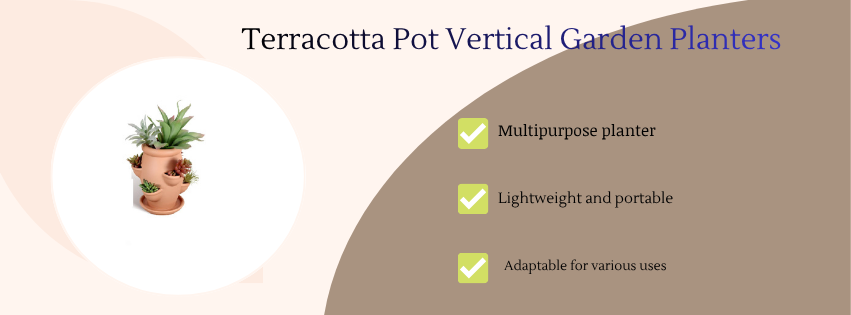
Tiered Terracotta Strawberry Planter (With Side Pockets)
These classic strawberry jars feature multiple planting pockets around the sides.
Benefits:
- Vertical growing
- Excellent airflow
- Attractive display
Limitations:
- Smaller soil volume per pocket
- Dries out faster
Buying criteria:
- Thick clay walls (better insulation)
- Pre-drilled drainage
- Stable, wide base to prevent tipping
Cost range: $40–$120 depending on size and quality.
Premium versions often include thicker clay, which retains moisture slightly longer.
Best Strawberry Varieties for Terracotta Planters
Container growing favors certain types.
Day-Neutral Varieties (Best Overall)
- Albion
- Seascape
- Evie-2
Why they work: They fruit continuously when temperatures remain between 35–85°F.
Maintenance impact: Requires consistent feeding due to repeated fruiting cycles.
Everbearing Varieties
- Mara des Bois
- Toscana (ornamental pink flowers)
Good for decorative patios where appearance matters as much as yield.
Avoid June-Bearing (In Most Cases)
June-bearing strawberries produce one heavy crop and then focus on runner growth.
In terracotta containers: Runner growth wastes limited nutrients and space.
Soil Composition for Terracotta Strawberry Planters
Soil choice determines 70% of your success.
Never use garden soil in terracotta.
Ideal Soil Mix (Expert Blend)
- 50% high-quality potting mix
- 25% well-aged compost
- 15% coco coir
- 10% perlite or pumice
Target pH: 5.5–6.5
Why this works:
Potting mix provides structure. Compost supplies nutrients. Coco coir improves moisture retention (important in porous clay). Perlite ensures drainage.
Cost consideration: Premium potting mix costs more upfront but reduces disease risk and improves yield.
Planting Strawberries in a Terracotta Planter
Step 1: Prepare Drainage Layer (Optional but Helpful)
Add 1 inch of coarse gravel at bottom.
Why: Prevents drainage holes from clogging.
Note: Do not overfill with rocks this reduces soil volume unnecessarily.
Step 2: Position the Crown Correctly
Strawberry crown must sit level with soil surface.
Too deep: Crown rot.
Too high: Root desiccation.
Step 3: Space Properly
In wide pots: Space plants 6–8 inches apart.
In pocket planters: One plant per pocket only.
Watering Strawberries in Terracotta (Critical Section)
Terracotta wicks moisture outward. Expect faster drying than plastic.
Watering Frequency
Spring: 2–3 times per week Summer: 3–5 times per week Heatwaves: Daily monitoring
Soil should remain consistently moist but not soggy.
Check method: Insert finger 1–2 inches into soil. If dry, water.
Upgrade Option: Drip Irrigation or Self-Watering Systems
Highly recommended for:
- Balconies
- Busy gardeners
- Hot climates
Buying criteria:
- Adjustable emitters
- Low-pressure compatibility
- Timer-ready system
Cost: $30–$80 for small patio setups.
Maintenance benefit: Reduces stress cycles that cause small berries.
Sunlight Requirements
Strawberries need:
- Minimum 6 hours direct sunlight
- 8+ hours for maximum fruiting
- South-facing exposure ideal
- Southeast exposure good in hot climates
In USDA Zones 9–10: Provide afternoon shade to prevent root overheating.
Balcony tip: Rotate pots weekly for even light distribution.
Fertilizing Strategy for Terracotta Containers
Nutrients leach faster in porous containers.
Feeding Plan
At planting: Mix in slow-release balanced fertilizer (10-10-10).
During fruiting: Liquid fertilizer every 2–3 weeks.
Switch to potassium-rich formula when flowering begins.
Avoid: High nitrogen mid-season leads to leafy growth, fewer berries.
Cost impact: Liquid feeding adds ongoing expense but increases yield consistency.
Pest Prevention and Disease Management
Common pests:
- Aphids
- Spider mites
- Slugs (less common in raised pots)
Prevention plan:
- Neem oil spray every 10–14 days
- Inspect leaf undersides weekly
- Remove yellowing leaves immediately
Why terracotta helps: Improved airflow reduces fungal outbreaks compared to ground beds.
Winter Care by USDA Zone
Zones 3–5
Terracotta can crack in freeze-thaw cycles.
Action steps:
- Move to unheated garage
- Wrap with burlap
- Insulate with straw
Zones 6–8
Light mulch and reduced watering during dormancy.
Zones 9–10
Minimal protection required. Monitor moisture.
Budget vs Premium Setup Comparison
Budget Setup ($50–$80)
- Standard terracotta pot
- DIY soil mix
- Manual watering
Pros: Affordable Simple
Cons: More watering required
Premium Setup ($120–$200)
- Large tiered terracotta planter
- Drip irrigation system
- Premium potting mix
- Organic feeding schedule
Pros: Higher yield Lower plant stress Better aesthetics
Cons: Higher initial cost
Long-term benefit: Better fruit consistency and plant longevity.
Common Beginner Mistakes
- Underwatering due to clay absorption
- Overcrowding side pockets
- Using heavy garden soil
- Burying the crown too deep
- Skipping fertilizer mid-season
- Ignoring drainage holes
Most terracotta failures are hydration-related not variety-related.
FAQ
Are terracotta planters good for strawberries?
Yes. They improve root aeration and drainage but require more frequent watering.
How many strawberries fit in a terracotta planter?
In a 14-inch pot, grow 3 plants. In pocket planters, one per pocket.
Do strawberries dry out faster in terracotta?
Yes. Clay wicks moisture, so watering must be more consistent than plastic containers.
What is the best soil for strawberries in terracotta pots?
A lightweight mix of potting soil, compost, coco coir, and perlite with pH 5.5–6.5.
Can terracotta pots stay outside in winter?
Only in mild climates. In freeze-prone zones, protect or move them to prevent cracking.
How long do strawberries last in containers?
Typically 2–3 productive years before yield declines.
Conclusion
Growing strawberries in a terracotta planter combines beauty and performance if you manage moisture correctly. The porous clay improves aeration and reduces disease risk, but it demands consistent watering and feeding.
Choose day-neutral varieties, use a lightweight, well-draining soil mix, position your planter in full sun, and feed regularly during fruiting.
Do it right, and your terracotta strawberry planter will produce clean, sweet fruit while elevating the look of your patio or balcony for years.
Smart setup. Consistent care. Strong harvests.
