Every product is independently reviewed and selected by our editors. If you buy something through our links, we may earn an affiliate commission at no extra cost to you.
A thoughtfully arranged collection of outdoor potted plants can elevate a porch, patio, balcony, or entryway from flat and forgettable to layered and dynamic. The difference between a random cluster of pots and a professionally styled display comes down to plant compatibility, container sizing, soil structure, drainage, and long-term maintenance planning.
If you want outdoor potted plant arrangement ideas that actually thrive not just look good for two weeks this guide walks you through the exact design principles, plant combinations, and setup strategies professionals use.
Introduction
Most homeowners buy beautiful plants… only to watch them decline within a month. Leaves yellow. Soil stays soggy. Or everything dries out daily in summer heat.
The problem isn’t creativity. It’s improper container depth, mismatched light requirements, poor soil aeration, and unrealistic watering expectations.
In this guide, you’ll learn:
- How to design balanced outdoor potted plant arrangements
- Which container sizes support healthy root systems
- Soil compositions that prevent root rot
- How to match plants to sun direction
- Watering and fertilizing systems that reduce maintenance
By the end, you’ll know how to build arrangements that look intentional and perform season after season.
Quick Summary
- Use containers at least 10–12 inches deep for mixed arrangements
- Always prioritize drainage holes
- Follow the “Thriller, Filler, Spiller” design method
- Group plants with similar light and water needs
- Use high-quality potting mix (never garden soil)
- Adjust watering frequency based on sun exposure
- Plan for seasonal rotation
Understanding Outdoor Microclimates Before You Arrange
Before selecting plants, assess your outdoor exposure.
Sun Direction Matters
- South-facing areas: 6–8+ hours of full sun (ideal for geraniums, petunias, lavender)
- West-facing areas: Intense afternoon heat (choose heat-tolerant plants)
- East-facing areas: Gentle morning sun (great for begonias, herbs)
- North-facing areas: Predominantly shade (ferns, hostas, coleus)
Why this works: Photosynthesis directly affects flowering, growth rate, and pest resistance. Mismatched light is the #1 cause of failure in potted arrangements.
Maintenance impact: Full-sun displays may require daily watering in summer (USDA Zones 7–10).
The Core Design Formula: Thriller, Filler, Spiller
Professional outdoor potted plant arrangements rely on structure.
1. Thriller (Height & Drama)
These are upright focal-point plants placed in the center or back.
Examples:
- Ornamental grasses
- Canna lilies
- Cordyline
- Dwarf evergreen shrubs
- Elephant ears (Zones 8–11)
Container depth: Minimum 12–16 inches.
Why it works: Adds vertical movement and anchors the arrangement visually.
Maintenance note: Taller plants may require staking in windy areas.
2. Filler (Volume & Texture)
These mid-height plants create fullness.
Examples:
- Calibrachoa
- Geraniums
- Dusty miller
- Heuchera
- Compact hydrangea varieties (large containers)
Root depth: 8–12 inches.
Why it works: Covers soil surface, reduces moisture evaporation, and softens transitions.
3. Spiller (Movement & Softness)
Trailing plants that cascade over container edges.
Examples:
- Sweet potato vine
- Trailing lobelia
- Bacopa
- Ivy
- Dichondra
Why it works: Visually expands small containers and creates professional polish.
Maintenance impact: Spillers often require trimming mid-season to prevent legginess.
Choosing the Right Container (Depth, Width & Material)
Depth Guidelines
- Annual arrangements: 10–12 inches minimum
- Mixed perennial/shrub containers: 16–24 inches
- Small trees or privacy containers: 20–30 inches
Shallow containers dry rapidly and stunt roots.
Drainage Is Non-Negotiable
Every outdoor pot must have:
- Multiple drainage holes
- Elevated feet to prevent water pooling
Poor drainage causes root rot, especially in humid climates (Zones 8–10).
Material Comparison
Plastic/Resin
- Lightweight
- Retains moisture
- Budget-friendly
- Less breathable
Terracotta
- Excellent airflow
- Dries quickly
- Higher watering frequency required
Glazed Ceramic
- Stylish
- Heavy
- Good moisture retention
Wood Planters (Cedar Preferred)
- Good insulation
- Ideal for larger displays
- Moderate cost
Budget setup per container: $40–$100 Premium decorative container: $150–$400+
Soil Composition for Healthy Arrangements
Never use ground soil.
Ideal Potting Mix Composition
- 40–50% peat moss or coco coir
- 25–30% compost
- 20–30% perlite or pumice
Optional additions:
- Slow-release fertilizer
- Worm castings
Why it works: Prevents compaction, improves drainage, and maintains oxygen around roots.
Maintenance impact: Quality soil reduces watering frequency and disease issues.
7 Outdoor Potted Plant Arrangement Ideas
1. Symmetrical Entryway Statement
Use matching tall containers on either side of a door.
Plant combination:
- Thriller: Dwarf arborvitae (Zones 3–7)
- Filler: White begonias
- Spiller: Trailing ivy
Why it works: Creates architectural balance.
Maintenance: Minimal pruning; evergreen focal point lasts year-round.
2. Modern Monochrome Arrangement
Choose one color family (all white, purple, or green).
Example:
- White petunias
- White bacopa
- Silver dusty miller
Why it works: Clean, high-impact aesthetic.
Maintenance: Deadhead regularly to maintain bloom volume.
3. Tropical Patio Cluster (Warm Zones 8–11)
- Elephant ear (thriller)
- Croton (filler)
- Sweet potato vine (spiller)
Use large 18–24 inch containers.
Watering: Every 1–2 days in peak heat.
Cost: Higher plant investment but dramatic visual return.
4. Low-Maintenance Drought Arrangement
Best for hot, dry patios.
Soil adjustment:
- 50% potting mix
- 50% pumice/perlite
Plant options:
- Succulents
- Sedum
- Lavender
- Rosemary
Water every 10–14 days once established.
Maintenance benefit: Reduced watering workload.
5. Edible Container Arrangement
Functional and beautiful.
- Thriller: Tomato (determinate variety)
- Filler: Basil
- Spiller: Nasturtium
Container depth: 16–18 inches.
Why it works: Companion planting improves airflow and productivity.
Fertilize every 2–3 weeks.
6. Shade-Loving Porch Arrangement
North-facing patios thrive with:
- Ferns
- Caladium
- Coleus
- Impatiens
Watering: Every 3–4 days.
Watch for fungal issues in humid climates.
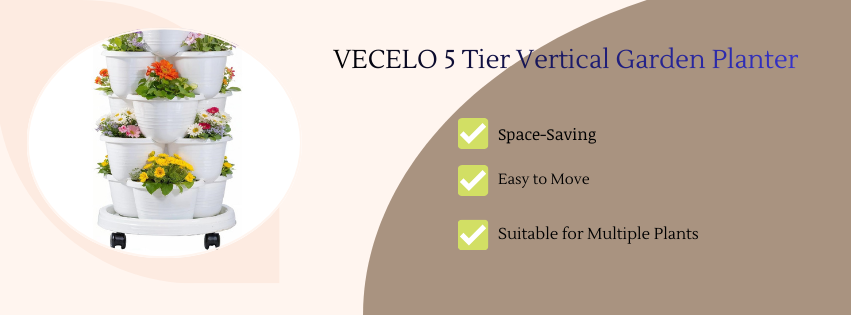
7. Tiered Height Display
Use plant stands or staggered pots.
Why it works:
- Maximizes vertical space
- Improves light access
- Prevents overcrowding
Budget option: Metal shelving rack. Premium option: Custom cedar plant ladder.
Watering Strategies That Prevent Failure
Overwatering kills more container plants than drought.
General Frequency
- Full sun summer: Daily or every other day
- Partial shade: Every 3–4 days
- Drought plants: Every 10–14 days
Always test soil 2 inches deep.
Upgrade Options
Self-Watering Planters
- Ideal for busy homeowners
- Reduce daily watering
- Higher upfront cost
Drip Irrigation Kits
- Excellent for multiple pots
- Saves long-term labor
- Requires timer installation
Fertilizing for Continuous Performance
Containers deplete nutrients quickly.
Recommended schedule:
- Slow-release fertilizer at planting
- Liquid feed every 2–3 weeks for flowering plants
Signs of deficiency:
- Yellowing leaves
- Reduced blooms
- Stunted growth
Common Beginner Mistakes
- Overcrowding plants
- Mixing sun and shade varieties
- Ignoring mature plant size
- Using decorative pots without drainage
- Forgetting mid-season pruning
Avoiding these dramatically increases longevity and reduces replacement costs.
Budget vs Premium Arrangement Setup
Budget Approach ($150–$300)
- Plastic pots
- Annual plants
- DIY potting mix
- Manual watering
Higher seasonal replacement rate.
Premium Approach ($800–$2,000+)
- Large ceramic or cedar containers
- Perennials and dwarf shrubs
- Drip irrigation
- Designer soil blends
Lower long-term maintenance and improved plant longevity.
Frequently Asked Questions
What plants grow best in outdoor pots year-round?
Evergreen shrubs like boxwood, dwarf arborvitae, and hardy grasses perform well in USDA Zones suited to their hardiness rating.
How deep should outdoor planters be?
At least 10–12 inches for annual arrangements. Shrubs require 18–24 inches.
How often should I water outdoor potted plants?
Daily in hot full sun. Every 3–4 days in partial shade. Always check soil moisture first.
Can I mix perennials and annuals in one pot?
Yes, but ensure similar water and light requirements.
What’s the best soil for outdoor containers?
A lightweight potting mix with compost and perlite for drainage and aeration.
How do I prevent pests in potted arrangements?
Inspect weekly. Ensure airflow. Use neem oil or insecticidal soap at first sign of infestation.
Final Thoughts
Outdoor potted plant arrangements succeed when design meets horticulture. Height layering creates visual impact. Proper container depth supports healthy roots. Quality soil prevents rot. Matching plants to your sun direction eliminates stress before it starts.
Start with fewer containers but build them correctly. Invest in drainage. Choose plants suited to your USDA zone. Feed consistently. Trim when necessary.
Within one season, your outdoor space transforms from scattered pots into a cohesive, thriving display that enhances curb appeal, supports pollinators, and reduces ongoing maintenance frustration.
Thoughtful arrangement is not about buying more plants it’s about building a system that allows them to flourish long term.
