Every product is independently reviewed and selected by our editors. If you buy something through our links, we may earn an affiliate commission at no extra cost to you.
There’s something transformative about stepping into an outdoor space filled with containers that feel intentional rather than improvised. The right planter doesn’t just hold soil it controls drainage, root health, temperature, and long-term maintenance. When done well, container gardening can outperform in-ground beds, especially in small yards, patios, and balconies.
If your outdoor space feels flat, cluttered, or uninspired, the solution isn’t always “more plants.” It’s smarter containers. In this guide, I’ll walk you through creative outdoor plant container ideas that are both visually striking and horticulturally sound with soil depth guidance, drainage strategy, climate considerations, and cost comparisons built in.
Introduction
Many gardeners focus on what to plant, not where to plant it. That’s a costly mistake.
Outdoor container gardening fails most often due to:
- Poor drainage
- Incorrect container depth
- Overheating roots
- Cheap materials that degrade quickly
- Soil that compacts after one season
The good news? With the right container choices and setup, you can grow vegetables, herbs, perennials, and even dwarf trees successfully even in tight spaces.
This guide gives you practical, experience-based solutions that combine design creativity with horticultural best practices.
Quick Summary
- Minimum container depth: 8–12” for herbs, 12–18” for vegetables, 18–24” for shrubs
- Always ensure drainage holes (at least 1 per 6” diameter)
- Use high-quality potting mix (never garden soil)
- South- or west-facing patios need heat-tolerant containers
- Add saucers only in dry climates avoid standing water
- Budget containers can work if properly modified
- Lightweight materials reduce structural load on balconies
1. Oversized Statement Planters for Structural Impact
Large containers instantly elevate patios and entryways. They also offer horticultural advantages.
Why It Works
Bigger containers:
- Retain moisture longer
- Insulate roots from temperature swings
- Allow deeper root systems
- Require less frequent watering
Small pots dry out quickly, especially in full sun exposure (south- or west-facing spaces).
Ideal Specs
- Depth: 18–24 inches for shrubs, dwarf fruit trees
- Width: At least 20 inches for stability
- Drainage: Multiple holes (minimum ½” diameter)
- Material: Fiberglass, resin, or sealed concrete
Best Plants
- Dwarf citrus (USDA Zones 8–11 outdoors)
- Boxwood (Zones 5–9)
- Ornamental grasses
- Hydrangea (morning sun exposure preferred)
Cost & Maintenance
- Budget: $40–$80 (plastic/resin)
- Premium: $150–$400 (fiberglass, stone)
Maintenance is lower than small pots because watering frequency decreases.
Common mistake: Choosing dark-colored pots in hot climates. They overheat roots.
2. Raised Wooden Crates and Box Planters
Perfect for herbs, salad greens, and shallow-root vegetables.
Why It Works
Wood moderates temperature better than metal or plastic. Raised height improves drainage and accessibility.
Soil Composition
Use:
- 60% high-quality potting mix
- 30% compost
- 10% perlite or coarse sand
Never use native soil it compacts and suffocates roots.
Depth Guidelines
- Herbs: 8–10 inches
- Lettuce & spinach: 6–8 inches
- Peppers: 12 inches
- Carrots: 12–15 inches
Buying Criteria
Choose:
- Rot-resistant wood (cedar or redwood)
- Thickness minimum ¾ inch
- Lined with breathable landscape fabric (not plastic)
Cost:
- DIY cedar box: $60–$120
- Prebuilt raised bed: $100–$250
Maintenance:
- Seal exterior annually
- Replace after 5–7 years depending on climate
3. Repurposed Metal Containers (With Proper Drainage Modifications)
Stock tanks, galvanized tubs, and old buckets add rustic character.
Why It Works
Metal containers:
- Are durable
- Provide modern farmhouse appeal
- Hold large soil volumes
But they require modification.
Critical Adjustments
- Drill drainage holes (3–5 holes minimum)
- Elevate on bricks for airflow
- Add 2-inch gravel layer ONLY if holes are limited (otherwise skip gravel)
In hot climates (Zones 8+), line interior with bubble wrap insulation to prevent root overheating.
Best Uses
- Tomatoes (18” depth minimum)
- Zucchini (24” wide container)
- Mixed annual flower displays
Common mistake: Forgetting drainage holes. This leads to root rot within weeks.
Cost:
- $50–$200 depending on size
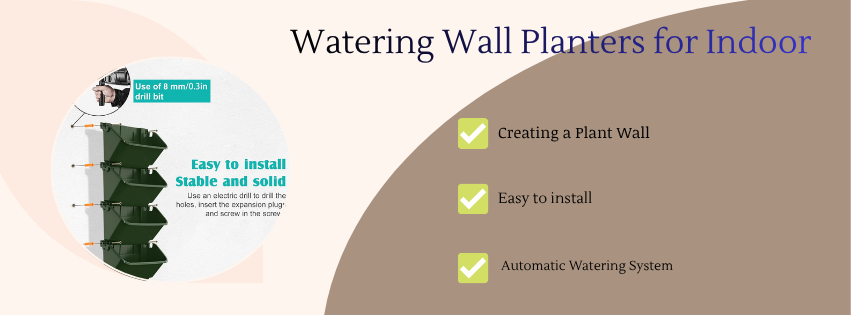
4. Tiered Vertical Planters for Small Spaces
Ideal for balconies and compact patios.
Why It Works
Vertical containers:
- Maximize sunlight exposure
- Increase plant count per square foot
- Improve airflow (reduces fungal disease)
Light Considerations
- South-facing: Ideal for herbs and strawberries
- East-facing: Leafy greens thrive
- North-facing: Choose shade-tolerant plants (ferns, begonias)
Depth Guidelines
Each tier should allow:
- 6–8 inches for herbs
- 10–12 inches for strawberries
Avoid ultra-shallow pocket planters for edible crops.
Watering Impact
Vertical systems dry faster. Expect watering:
- Every 1–2 days in summer
- 2–3 times weekly in moderate climates
Self-watering vertical systems reduce maintenance significantly.
Cost:
- Budget plastic towers: $40–$80
- Premium modular systems: $150–$300
5. Concrete and Stone Containers for Permanence
Best for long-term landscape structure.
Why It Works
Concrete:
- Stabilizes temperature
- Resists wind tipping
- Provides excellent insulation in cooler climates
However, it’s heavy and expensive.
Best Plants
- Small evergreen shrubs
- Lavender (excellent drainage required)
- Rosemary (Zones 8–10 outdoors)
Soil Drainage
Add extra perlite (15%) to prevent compaction.
Ensure drainage holes are clear annually.
Cost:
- $120–$500+
Maintenance:
- Minimal
- Check for cracks in freeze-thaw climates (Zones 4–6)
6. Hanging Baskets and Wall-Mounted Containers
Perfect for maximizing unused vertical space.
Why It Works
Improves air circulation and:
- Reduces pest pressure
- Keeps trailing plants off the ground
Depth & Soil
Minimum 8–10 inches depth.
Use moisture-retentive potting mix with:
- Coconut coir
- Vermiculite
- Slow-release fertilizer
Watering Reality
Daily watering in peak summer heat (especially south-facing exposure).
Budget option:
- Plastic baskets ($10–$25)
Premium:
- Metal-framed coco-lined baskets ($40–$80)
Common mistake: Underestimating watering frequency.
7. Self-Watering Containers for Busy Gardeners
If consistency is your struggle, these are game changers.
Why It Works
A water reservoir at the base allows roots to draw moisture gradually.
Reduces:
- Overwatering
- Underwatering stress
- Daily maintenance
Best Uses
- Tomatoes
- Cucumbers
- Basil
- Patio eggplant
Minimum depth: 14–18 inches.
Cost:
- $40–$150 depending on size
Maintenance:
- Clean reservoir each season
- Prevent salt buildup with occasional flush watering
8. Upcycled Creative Containers (With Caution)
Old wheelbarrows, ceramic bowls, whiskey barrels all can work.
Rules for Success
- Ensure adequate depth
- Drill drainage holes
- Avoid treated wood barrels for edibles
Whiskey barrels:
- Minimum 16–18 inches deep
- Excellent for mixed flowers or dwarf shrubs
Common beginner mistake: Choosing containers too shallow for the plant’s root system.
Choosing the Right Soil for Outdoor Containers
Container soil is different from garden soil.
Ideal Potting Mix Composition
- Peat moss or coco coir (moisture retention)
- Perlite (drainage)
- Compost (nutrients)
Avoid:
- Heavy clay soil
- Pure compost (compacts over time)
Refresh top 2–3 inches annually.
Replace soil every 2–3 years for best results.
Pest Prevention Basics in Outdoor Containers
Common pests:
- Aphids
- Spider mites
- Fungus gnats
Prevention:
- Ensure proper drainage
- Avoid overwatering
- Space containers for airflow
Inspect weekly during growing season.
Neem oil works well for early infestations.
Beginner Mistakes to Avoid
- No drainage holes
- Containers too small
- Using garden soil
- Ignoring sun direction
- Overcrowding plants
- Skipping fertilizer
Container plants require feeding every 4–6 weeks during growing season.
FAQ
What is the best material for outdoor plant containers?
Resin and fiberglass offer durability, lightweight handling, and weather resistance. Concrete is excellent for permanence but heavy.
How deep should outdoor containers be?
Minimum 8 inches for herbs, 12 inches for vegetables, 18–24 inches for shrubs or dwarf trees.
Do I need drainage holes in outdoor planters?
Yes. Without drainage holes, roots suffocate and rot. Always prioritize drainage over aesthetics.
How often should I water outdoor container plants?
Typically 2–4 times per week. Daily in peak summer heat for small containers.
Can I use garden soil in containers?
No. Garden soil compacts and restricts airflow. Always use potting mix designed for containers.
Are self-watering planters worth it?
Yes for high-water crops like tomatoes and for busy gardeners. They reduce maintenance and improve consistency.
Final Thoughts
Creative outdoor plant containers do more than decorate a space — they determine plant health, maintenance workload, and long-term success.
When you choose containers with proper depth, drainage, and material suited to your climate, you dramatically reduce common failures. Whether you invest in statement concrete planters, modular vertical systems, or budget-friendly cedar boxes, the key is pairing aesthetics with horticultural fundamentals.
Start with one well-designed container setup. Use high-quality potting mix. Match plant root depth to container size. Monitor sunlight direction. Adjust watering based on exposure.
Done correctly, outdoor container gardening offers flexibility, mobility, and season-to-season creativity that in-ground gardening often can’t match.
Build it right once, and your containers will reward you for years.
