Every product is independently reviewed and selected by our editors. If you buy something through our links, we may earn an affiliate commission at no extra cost to you.
A metal planter box can last decades, look architecturally sharp, and outperform wood in durability but only if it’s built correctly. I’ve seen DIY metal planters bow outward within a season, rust at the seams, or cook plant roots because heat and drainage weren’t considered.
If you want a metal planter box that’s structurally solid, drains properly, and supports healthy root systems, this guide walks you through the build process step by step plus the soil science and maintenance realities most tutorials skip.
Metal planter boxes are popular for modern front entrances, patios, balconies, and rooftop gardens. They resist rot, termites, and moisture damage. But metal behaves very differently from wood:
- It conducts heat.
- It doesn’t absorb water.
- It flexes under soil pressure.
- It corrodes at cut edges if untreated.
The goal isn’t just to build a box it’s to engineer a container that supports root health long-term. In this guide, you’ll learn how to choose the right metal thickness, design proper drainage, prevent bowing, and fill your planter with a soil mix that balances moisture retention and aeration.
Search intent: Informational + commercial (DIY build with material buying guidance).
- Best materials: 20–22 gauge galvanized or powder-coated steel (18 gauge for large builds)
- Ideal depth: 12–18 inches (24” for shrubs or root crops)
- Drainage holes: ½–¾ inch diameter, spaced every 6–8 inches
- Soil mix: 60% potting mix + 30% compost + 10% perlite/pumice
- Minimum width: 12 inches
- Reinforcement required for planters over 4 ft long
- Suitable for USDA Zones 3–11 (adjust plant selection accordingly)
Step 1: Choose the Right Metal
The most common failure in DIY metal planter boxes is using material that’s too thin.
Recommended Materials
Galvanized Steel (Most Practical)
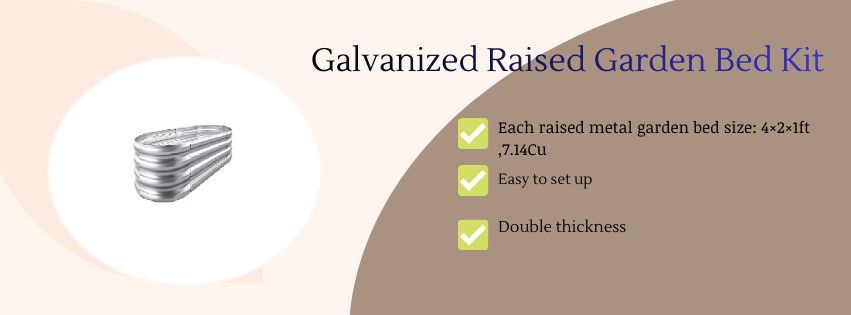
- Zinc-coated to resist rust
- Affordable
- Readily available
- Lifespan: 15–20 years
Powder-Coated Steel (Premium Finish)
- Additional corrosion resistance
- Color options for curb appeal
- Higher upfront cost
Aluminum (Lightweight Option)
- Naturally rust-resistant
- Ideal for balconies and rooftop gardens
- More expensive but easier to move
Avoid untreated raw steel unless you plan to seal and maintain it.
Metal Thickness Matters
Wet soil weighs roughly 75–100 pounds per cubic foot. That pressure pushes outward.
Use:
- 22 gauge: Small boxes under 3 ft
- 20 gauge: Standard planters
- 18 gauge: Large planters over 4 ft long or 18” tall
Thinner metal will bow within months.
Step 2: Determine the Right Dimensions
Depth Guidelines by Plant Type
| Plant Type | Recommended Depth |
| Herbs & annual flowers | 8–12 inches |
| Perennials | 12–16 inches |
| Tomatoes & vegetables | 16–18 inches |
| Shrubs or small trees | 18–24 inches |
Deeper planters:
- Improve moisture stability
- Reduce watering frequency
- Increase soil cost
For most front-of-house planters, 16–18 inches deep is ideal.
Length & Width Guidelines
- Width: 12–18 inches minimum
- Length: Keep under 4 feet unless adding center bracing
Long, unsupported planters are the most common structural failure.
Step 3: Design Proper Drainage
Metal does not breathe or wick moisture like wood. Drainage must be engineered.
Drainage Hole Specifications
- ½–¾ inch diameter
- One hole every 6–8 inches
- At least 6–10 holes for a 4-foot planter
Place holes:
- Directly at the base for full drainage
- Or 1 inch above base to create a micro-reservoir
Never skip drainage holes.
Elevate the Planter
Place on:
- Pot feet
- Pavers
- Composite shims
This prevents trapped moisture and corrosion underneath.
Step 4: Assemble the Frame
Tools Needed
- Drill with metal bit
- Stainless steel bolts or rivets
- Corner brackets or welded corners
- Measuring square
- Work gloves
Assembly Process
- Cut panels to size (or use pre-cut panels).
- Pre-drill bolt holes.
- Attach sides to corner brackets.
- Install base support (if using bottom panel).
- Square corners before final tightening.
- Drill drainage holes last.
Time required: 1–2 hours for most builds.
Step 5: Reinforce Against Soil Pressure
For planters:
- Longer than 4 ft
- Taller than 18 inches
Add:
- Internal cross brace
- Flat steel bar across center
- Additional vertical corner supports
Why this works: Soil expands when wet. Reinforcement prevents slow outward bowing.
Step 6: Protect Cut Edges from Rust
Cut edges expose raw steel.
Use:
- Cold galvanizing spray
- Rust-inhibiting primer
- Stainless steel hardware
In humid USDA Zones 8–11, corrosion risk increases significantly.
Step 7: Build the Ideal Soil Profile
Never fill with garden soil. Clay-heavy soil compacts and suffocates roots.
High-Performance Soil Mix
- 60% high-quality potting mix
- 30% compost (aged, screened)
- 10% perlite or pumice
Why it works:
- Potting mix retains moisture.
- Compost feeds plants and improves structure.
- Perlite improves aeration and drainage.
Reduce Soil Cost in Large Planters
For planters 18”+ deep:
- Bottom 4–6 inches: pine bark or coarse wood chips
- Top layer: full soil mix
This reduces soil volume by 20–30%.
Step 8: Account for Heat Retention
Metal absorbs and radiates heat.
In south- or west-facing exposures:
- Use light-colored finishes
- Add 2–3 inches organic mulch
- Install drip irrigation
- Avoid placing against reflective surfaces
In USDA Zones 8–11, heat stress can dry soil 30% faster than wood planters.
Step 9: Install Irrigation
Hand-watering works for small boxes. Larger planters benefit from irrigation.
Best Options
Drip Irrigation Kit
- Even moisture
- Less fungal disease
- Ideal for vegetables
Self-Watering Insert
- Reservoir base
- Reduces watering frequency
Watering frequency:
- Spring: 1–2 times per week
- Summer: 2–4 times per week (depending on climate)
Always check moisture 2 inches deep before watering.
Budget vs Premium Build Comparison
Budget Build ($150–$350)
- Galvanized steel
- Basic bolt assembly
- Manual watering
- Standard potting mix
Pros: Affordable and functional Cons: Higher maintenance
Premium Build ($400–$1,200+)
- Powder-coated or aluminum panels
- Welded corners
- Drip irrigation installed
- Professional soil blend
Pros: Lower maintenance, enhanced durability Cons: Higher upfront investment
Over 10+ years, premium builds often cost less per season.
Common Beginner Mistakes
- Using thin sheet metal
- Skipping reinforcement
- Insufficient drainage holes
- Overfilling with compost
- Ignoring sun direction
Each mistake affects longevity and plant health.
Maintenance Requirements
- Inspect bolts annually
- Check drainage holes for clogs
- Top-dress compost yearly
- Refresh soil every 2–3 years
- Fertilize every 2–4 weeks during growing season
Metal planter boxes are low maintenance but they still require seasonal oversight.
Frequently Asked Questions
Are metal planter boxes safe for growing vegetables?
Yes. Galvanized and powder-coated steel are widely used in food-safe gardening applications.
Do metal planter boxes rust?
Quality galvanized or coated steel resists structural rust for 15–25 years. Surface oxidation may appear over time.
How deep should a metal planter box be?
12–18 inches for most plants. Shrubs and root crops need 18–24 inches.
Do metal planters get too hot in summer?
They can. Mulch and consistent irrigation reduce soil temperature spikes.
Should I line the inside of a metal planter?
Not necessary if drainage is adequate. Liners can trap moisture and accelerate corrosion if poorly installed.
How long does a metal planter box last?
15–25 years depending on climate, coating quality, and maintenance.
Final Thoughts
Building a metal planter box isn’t complicated but building one that lasts requires planning. Choose thick, corrosion-resistant material. Reinforce longer spans. Engineer proper drainage. Fill it with a balanced soil mix. Account for sun exposure and heat.
Do those things correctly, and you’ll have a modern, durable planter that supports healthy roots and strong plant growth for decades.
Build it solid. Protect the edges. Feed the soil not just the plants. That’s how you make a metal planter box worth the effort.
