Every product is independently reviewed and selected by our editors. If you buy something through our links, we may earn an affiliate commission at no extra cost to you.
A well-built metal raised garden bed can last 15–25 years, resist rot, and create ideal growing conditions in small yards, patios, and suburban lots. But the difference between a bed that thrives and one that rusts, warps, or drains poorly comes down to smart material selection, soil engineering, and correct installation.
If you want higher yields, better drainage, and fewer weeds without rebuilding every few seasons this guide walks you through exactly how to build a metal raised garden bed the right way.
Many gardeners switch to metal raised beds after wooden beds rot, bow, or become termite-prone. Metal beds solve those problems but they introduce new considerations: heat retention, soil depth, corrosion resistance, and proper anchoring.
Done correctly, a metal raised garden bed:
- Improves drainage and root oxygen
- Extends the growing season
- Reduces soil compaction
- Minimizes weed pressure
- Provides long-term durability
In this guide, I’ll cover material choices (galvanized vs coated steel), soil layering, depth requirements by crop type, cost comparisons, and common installation mistakes to avoid.
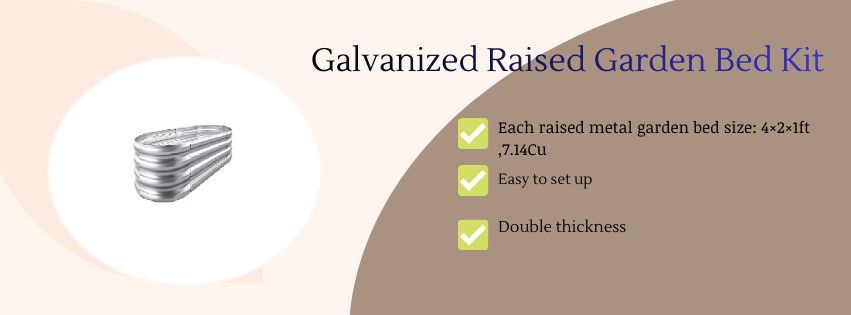
Why Choose a Metal Raised Garden Bed
Durability & Longevity
Galvanized steel resists rot and insect damage. In most climates, expect:
- 15–20 years for galvanized steel
- 20+ years for powder-coated or Aluzinc-coated steel
Wood beds typically last 5–10 years unless using expensive cedar or redwood.
Improved Soil Control
Raised beds allow you to customize soil composition, which is especially important in:
- Heavy clay soils
- Contaminated urban soil
- Poor drainage areas
Metal sides hold soil structure without bowing when properly assembled.
Maintenance Reality
Metal beds require:
- Occasional tightening of bolts
- Monitoring for surface rust (cosmetic in most cases)
They do not require sealing or staining like wood.
Step 1: Choose the Right Location
Sun exposure determines productivity.
Light Requirements
Most vegetables require:
- 6–8 hours of direct sunlight daily
- South-facing exposure ideal
- East-facing acceptable for leafy greens
Avoid:
- North-facing shade for fruiting crops
- Low areas with standing water
Wind exposure matters. Strong crosswinds dry soil faster, increasing watering frequency by up to 30%.
Step 2: Select the Right Metal Bed
Material Options
1. Galvanized Steel (Most Common)
- Coated with zinc to prevent rust
- Budget to mid-range pricing
- Slight industrial appearance
2. Powder-Coated Steel (Premium)
- Additional protective finish
- More aesthetic options
- Higher upfront cost
3. Aluzinc Steel
- Aluminum + zinc coating
- Superior corrosion resistance
- Best for humid or coastal climates
Avoid thin, flexible sheet metal that bows under soil pressure.
Ideal Dimensions
Width: 3–4 Feet
Why: You should reach the center without stepping inside (prevents soil compaction).
Length: 6–8 Feet
Manageable and efficient layout.
Depth Guidelines
| Crop Type | Recommended Depth |
| Herbs & Lettuce | 8–12 inches |
| Tomatoes & Peppers | 12–18 inches |
| Carrots & Root Crops | 18–24 inches |
Deeper beds cost more but reduce watering frequency and expand crop options.
Step 3: Ground Preparation
Option A: Install Directly on Soil (Best for Drainage)
- Mark outline.
- Remove grass layer.
- Loosen top 6 inches of native soil.
Why this works:
- Roots can extend beyond the bed.
- Drainage remains natural.
Option B: Install Over Hard Surface (Patio/Concrete)
Requires:
- At least 18–24 inches depth
- Drainage holes at base
- Landscape fabric layer
This setup increases soil cost significantly.
Step 4: Assemble the Metal Bed
Most kits include panels, corner posts, and hardware.
Assembly Tips
- Assemble on flat surface.
- Hand-tighten bolts first.
- Square corners before final tightening.
- Wear gloves (edges can be sharp).
Common mistake: Over-tightening one corner early, causing misalignment.
Time required: 30–90 minutes depending on size.
Step 5: Anchor and Stabilize
For beds under 18 inches tall, anchoring may not be necessary.
For taller beds (24”+):
- Use ground stakes at corners.
- Install internal cross-bracing if provided.
Why anchoring matters: Prevents bowing when soil settles and during heavy rain.
Step 6: Add Weed Barrier (Optional)
If installing over invasive grass:
- Lay cardboard or landscape fabric at base.
Cardboard breaks down naturally and improves soil structure.
Avoid plastic sheeting it blocks drainage.
Step 7: Fill With the Right Soil Mix
This is where most raised beds fail.
Recommended Soil Formula (High-Performance Mix)
- 50% screened topsoil
- 30% compost
- 20% aeration material (perlite, pumice, or coarse sand)
Why this works:
- Topsoil provides mineral structure.
- Compost adds nutrients and microbial life.
- Aeration material prevents compaction.
Avoid 100% compost it compacts and drains poorly over time.
Cost Considerations
Soil is the largest expense.
Example (4x8x18” bed):
- ~1.5 cubic yards of soil
- Bulk soil delivery often cheaper than bagged soil
Estimated cost:
- Budget soil: $150–$250
- Premium blended soil: $300–$500
Step 8: Install Irrigation (Highly Recommended)
Metal beds drain efficiently, which means more frequent watering in hot climates.
Options
Drip Irrigation Kit (Best Choice)
- Conserves water
- Delivers moisture directly to roots
- Reduces fungal disease
Soaker Hose
- Budget option
- Less precise but effective
Watering frequency:
- Spring: 1–2x per week
- Summer: 2–4x per week depending on zone
USDA Zones 8–10 require more frequent watering.
Step 9: Plant Strategically
Space plants properly to avoid overcrowding.
Common mistake: Planting too densely due to “raised bed equals more space” mindset.
Follow spacing guidelines for each crop to improve airflow and reduce disease.
Heat Considerations in Metal Beds
Metal absorbs heat.
In hot climates (Zones 8–11):
- Use light-colored or coated beds.
- Mulch 2–3 inches deep.
- Increase watering frequency.
Why mulch matters: Reduces soil temperature fluctuations and moisture evaporation.
Pest & Maintenance Basics
Weed Prevention
Minimal if bed is properly filled.
Common Pests
- Aphids
- Caterpillars
- Slugs
Use:
- Neem oil sprays
- Hand removal
- Row covers
Maintenance load: Low compared to in-ground gardening.
Budget vs Premium Setup Comparison
Budget Build ($200–$400)
- Basic galvanized kit
- Bulk soil mix
- Manual watering
Pros: Affordable entry Cons: Higher long-term watering labor
Premium Build ($500–$1,200+)
- Powder-coated or Aluzinc bed
- High-performance soil blend
- Drip irrigation system
- Mulch cover
Pros: Lower maintenance, longer lifespan Cons: Higher upfront investment
Over 5+ years, premium systems often balance out in durability and water savings.
Common Beginner Mistakes
- Choosing shallow beds
- Using poor-quality soil
- Installing in partial shade
- Ignoring irrigation planning
- Overcrowding crops
Each reduces yield and increases frustration.
Frequently Asked Questions
Are metal raised garden beds safe for vegetables?
Yes. Galvanized steel is widely used and safe for food production when properly coated.
Do metal raised beds rust?
Surface rust may appear over time, but high-quality galvanized or coated steel resists structural corrosion for years.
How deep should a metal raised bed be?
12–18 inches minimum. Root vegetables benefit from 18–24 inches.
Do metal beds get too hot?
In hot climates, yes. Use mulch and consistent watering to regulate temperature.
Is it cheaper to build or buy a kit?
Buying a kit is usually more cost-effective unless you already have tools and bulk metal sheets.
How long do metal raised beds last?
Typically 15–25 years depending on coating and climate.
Conclusion
Building a metal raised garden bed is one of the smartest long-term upgrades you can make to your garden. When installed correctly with proper depth, engineered soil, and efficient irrigation it increases yields, reduces weeds, and simplifies maintenance for years.
Focus on:
- Adequate depth (don’t go shallow)
- High-quality soil blend
- Proper sun exposure
- Thoughtful irrigation setup
The upfront investment pays off in durability, productivity, and reduced seasonal rebuilding.
Build it once. Build it right. Enjoy harvests for the next decade.
