Every product is independently reviewed and selected by our editors. If you buy something through our links, we may earn an affiliate commission at no extra cost to you.
A front-of-house flower box should feel welcoming not overwhelming to install or maintain. The best designs are simple, structured, and built around plants that actually thrive in your light conditions. When done right, a single well-planted window box can elevate your curb appeal more than a full garden overhaul.
If you want flower boxes that look polished, survive the season, and don’t demand daily attention, this guide walks you through exactly what works and why.
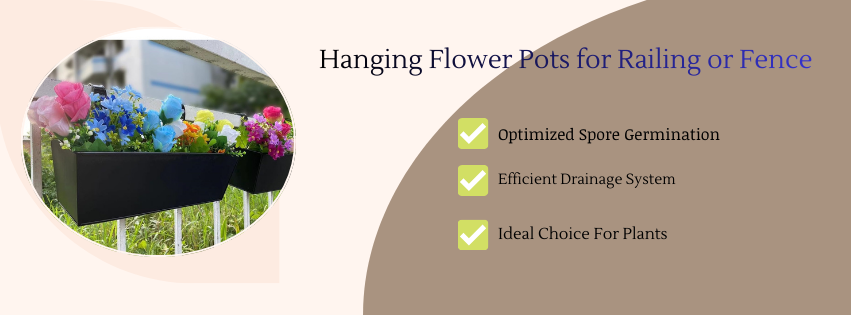
Most homeowners overcomplicate flower boxes. They mix too many plants, underestimate root space, ignore drainage, or choose flowers that don’t match their sun exposure. The result? Leggy growth, constant watering, and mid-season burnout.
Simple flower box ideas succeed because they focus on:
- Proper container depth
- Correct soil composition
- Matching plants to sun direction
- Controlled color palettes
- Manageable maintenance
In this guide, you’ll learn how to design front-of-house flower boxes that look intentional, balanced, and easy to care for whether you’re in USDA Zone 4 or Zone 10.
Before You Plant: The Foundation of a Successful Flower Box
Choose the Right Planter (Why It Matters)
Depth determines plant health. Most flowering annuals develop roots 6–10 inches deep. Shallow boxes dry out quickly and restrict growth.
Recommended Specifications:
- Minimum depth: 8 inches
- Ideal depth: 10–12 inches
- Material options:
- Plastic (Budget): Lightweight, retains moisture
- Wood/Cedar (Mid-range): Natural look, good insulation
- Metal (Premium): Modern look but heats up in full sun
If mounting under windows, ensure secure brackets rated for wet soil weight.
Soil Composition for Long-Lasting Blooms
Never use garden soil. It compacts in containers and suffocates roots.
Ideal Mix:
- 70% premium potting mix
- 20% compost (adds nutrients and moisture retention)
- 10% perlite (improves drainage and airflow)
Why this works: Flowering plants need oxygen around roots. Perlite prevents soggy soil, especially important for front-facing boxes exposed to rain.
Cost impact: High-quality soil costs more upfront but reduces plant replacement expenses.
17 Simple Flower Box Ideas for Front of House
Each idea includes light requirements and maintenance realities.
1. Classic Red Geranium Box (Full Sun)
Best for: South- or west-facing homes.
- 3–5 zonal geraniums evenly spaced
- Add trailing white alyssum along the front
Why it works: Geraniums tolerate heat and dry spells better than most annuals.
Watering: 2–3 times per week in summer.
Beginner mistake: Overwatering. Let the top inch dry before watering.
2. White Petunia Simplicity Box (Full Sun)
Plant only white trailing petunias.
Why it works: A single color looks clean and high-end.
Maintenance: Deadhead monthly; fertilize every 2 weeks.
Cost: Budget-friendly starter packs.
3. Shade-Friendly Begonia Box (North-Facing)
Wax or fibrous begonias spaced 6 inches apart.
Why it works: Reliable bloomers without direct sunlight.
Watering: Keep soil evenly moist but never soggy.
Zones: Annual in 3–9; perennial in 10–11.
4. Purple & Lime Contrast (Partial Sun)
- Purple petunias
- Lime sweet potato vine (trailing)
Why it works: Strong color contrast without complexity.
Maintenance impact: Sweet potato vine grows aggressively; trim monthly.
5. All-Green Texture Box
Mix:
- Fern
- Ivy
- Heuchera
Best for: Modern homes or shaded entries.
Why it works: Texture replaces flower maintenance.
Lower deadheading workload.
6. Lavender & White Combo (Full Sun)
- Lavender (center)
- White bacopa trailing
Container depth: Minimum 12 inches (lavender needs root space).
Soil adjustment: Add extra perlite; lavender requires sharp drainage.
Mistake: Overwatering causes root rot.
7. Monochrome Pink Statement
Use only pink impatiens (shade) or pink geraniums (sun).
Why it works: Repetition creates visual strength.
Simple layout = minimal planning.
8. Evergreen Boxwood + Seasonal Flowers
Plant dwarf boxwood at ends; rotate annuals in center.
Why it works: Year-round structure.
Higher upfront cost but reduces replanting needs.
Zones: Boxwood hardy in 5–9.
9. Blue Lobelia Cascade (Partial Shade)
Plant densely along front edge.
Why it works: Softens brick or siding.
Requires mid-season trim for rebloom.
10. Herb Flower Box (Functional & Beautiful)
Best herbs for front boxes:
- Parsley
- Thyme
- Chives
- Compact basil (full sun only)
Why it works: Dual-purpose design.
Container depth: 8–10 inches minimum.
Saves grocery costs long-term.
11. Fuchsia for Covered Porches
Ideal for bright shade.
Watering: Consistent moisture required.
High-maintenance compared to begonias but visually dramatic.
12. Caladium Foliage Box (Warm Climates)
Zones 8–11 perennial.
Adds bold color in shade without flowers.
Plant after soil warms above 65°F.
13. Black & White Modern Contrast
- White petunias
- Black sweet potato vine
Clean and architectural.
Works best on contemporary homes.
14. Fall Swap Box (Seasonal Rotation)
Replace summer annuals with:
- Ornamental cabbage
- Pansies
- Ivy
Extends curb appeal into late fall.
15. Minimalist Three-Plant Rule
Use:
- One upright plant
- One filler
- One trailing plant
Example (Full Sun):
- Salvia
- Geranium
- Bacopa
Balanced and simple.
16. Self-Watering Setup for Busy Homes
Choose window boxes with built-in reservoirs.
Buying criteria:
- 10–12 inch depth
- Overflow drainage
- UV-resistant material
Reduces watering frequency by 30–40%.
Higher upfront cost but lower maintenance.
17. Perennial Low-Maintenance Box
Combine:
- Heuchera
- Dwarf grasses
- Ivy
Zones vary (many hardy 4–9).
Less seasonal replanting, lower annual cost.
Watering & Maintenance Guide
Front-of-house boxes dry faster due to wind exposure.
General Schedule:
- Spring: 1–2 times weekly
- Summer: 3–4 times weekly
- Fall: Reduce gradually
Always check soil 2 inches deep before watering.
Overwatering is more damaging than underwatering.
Common Beginner Mistakes
- Using shallow planters
- Ignoring sun direction
- Skipping fertilizer
- Overcrowding plants
- No drainage holes
Each mistake reduces bloom performance and increases plant replacement costs.
Budget vs Premium Setup Comparison
Budget Setup ($60–$120)
- Plastic window box
- Annual flowers
- Standard potting mix
Pros: Affordable and flexible Cons: Replant yearly
Premium Setup ($200–$400)
- Cedar or metal planter
- Self-watering system
- Perennials + seasonal accents
Pros: Long-term structure, less maintenance Cons: Higher upfront investment
Frequently Asked Questions
What flowers are easiest for front window boxes?
Geraniums (sun), begonias (shade), petunias (sun), and impatiens (shade) are the most beginner-friendly.
How deep should a flower box be?
At least 8 inches. For best results, choose 10–12 inches to support root growth and moisture stability.
How often should I fertilize window boxes?
Every 2–3 weeks with balanced liquid fertilizer during the growing season.
Can I use perennials in flower boxes?
Yes, but choose compact varieties and ensure adequate depth (10–12 inches minimum).
Why do my flower boxes dry out so fast?
Shallow containers, full sun exposure, and wind increase evaporation. Upgrade depth or use self-watering systems.
What direction-facing windows are hardest to plant?
West-facing windows are toughest due to intense afternoon heat. Choose heat-tolerant plants like geraniums or lantana.
Final Thoughts
Simple flower box ideas work because they focus on structure, light awareness, and manageable plant combinations. You don’t need elaborate designs or exotic plants to create curb appeal just proper depth, quality soil, and flowers suited to your sun exposure.
Start with one well-designed box. Match plants to your window direction. Prioritize drainage. Keep the color palette controlled.
With the right setup, your front-of-house flower boxes can stay full, vibrant, and welcoming all season without turning into a daily maintenance chore.
Small upgrades. Big visual impact. Long-term curb appeal.
