Every product is independently reviewed and selected by our editors. If you buy something through our links, we may earn an affiliate commission at no extra cost to you.
No plant produces oxygen 24 hours a day. All green plants follow a natural rhythm called photosynthesis during daylight and respiration at night. During the day, in the presence of light, plants take in carbon dioxide and release oxygen. At night, when photosynthesis stops, most plants slightly reverse the process they take in oxygen and release a small amount of carbon dioxide.
A few types of plants do continue to release oxygen at night, thanks to a special metabolic adaptation called Crassulacean Acid Metabolism (CAM). These plants keep their stomata (leaf pores) closed during the day to conserve water, and open them at night to take in CO₂ which means they can still release some oxygen when most other plants don’t.
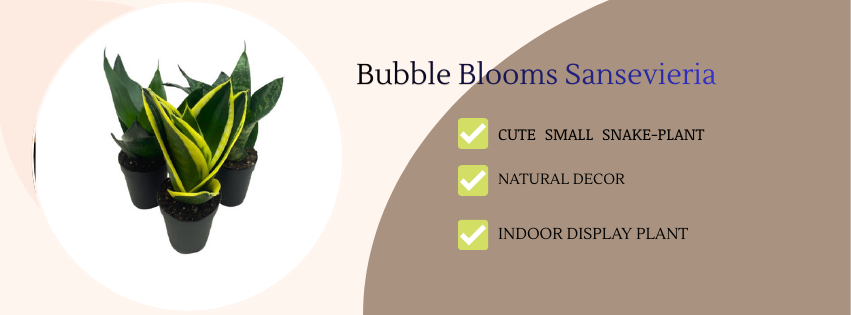
CAM Plants That Release Oxygen at Night
From my professional experience setting up indoor gardens in U.S. homes and apartments, these are some of the best-known examples:
| Plant | Why It’s Helpful | Ideal Placement |
| Snake Plant (Sansevieria trifasciata) | Extremely hardy, tolerates low light, releases oxygen at night | Bedroom or low-light living area |
| Areca Palm (Dypsis lutescens) | Good for humidifying dry indoor air, mild nighttime oxygen release | Bright rooms with indirect light |
| Aloe Vera | CAM plant, mild oxygen output at night, also useful for skin care | Sunny bathroom or kitchen window |
| Peace Lily (Spathiphyllum) | Filters VOCs like benzene and formaldehyde; minimal but steady oxygen exchange | Shaded corner or office |
| Orchid (especially Phalaenopsis) | CAM-type metabolism; elegant and air-improving | Bedroom or bright but indirect light area |
What This Means in Real Homes
While no plant provides “24-hour oxygen” in a literal sense, placing a few of these CAM plants in bedrooms or home offices can help moderate indoor air composition overnight, especially in well-ventilated spaces.
In my experience testing indoor plant setups, the biggest air-quality benefits come not from oxygen output but from:
- Filtering airborne toxins (VOCs) from furniture and paint
- Regulating humidity naturally
- Creating a calmer, healthier environment that supports relaxation and sleep
So, rather than searching for a mythical “24-hour oxygen plant,” focus on a thoughtful mix of hardy, air-purifying species and good airflow in your home.
