Every product is independently reviewed and selected by our editors. If you buy something through our links, we may earn an affiliate commission at no extra cost to you.
Pothos plants are famous for their trailing beauty, but many varieties also excel at climbing when given the right support. If you’re wondering what is the best pothos for climbing, the answer depends on growth strength, leaf size, and adaptability. Some pothos varieties naturally cling to moss poles, trellises, and walls, creating a bold vertical display. In this guide, you’ll discover the best climbing pothos options, how they grow upward, and what makes them ideal for indoor spaces. Whether you want lush green walls or statement houseplants, choosing the right pothos makes all the difference.
A Guide to Fast-Growing, Strong-Climbing Varieties
Golden Pothos (Epipremnum aureum) the most reliable and forgiving climber Cebu Blue Pothos (Epipremnum pinnatum ‘Cebu Blue’) elegant, fast-growing, and develops dramatic split leaves when mature “Jade or Emerald Pothos (Epipremnum aureum ‘Jade’/‘Emerald’) “ low-light tolerant and steady climbers indoors
Let’s look at why these specific varieties outperform others for climbing setups.
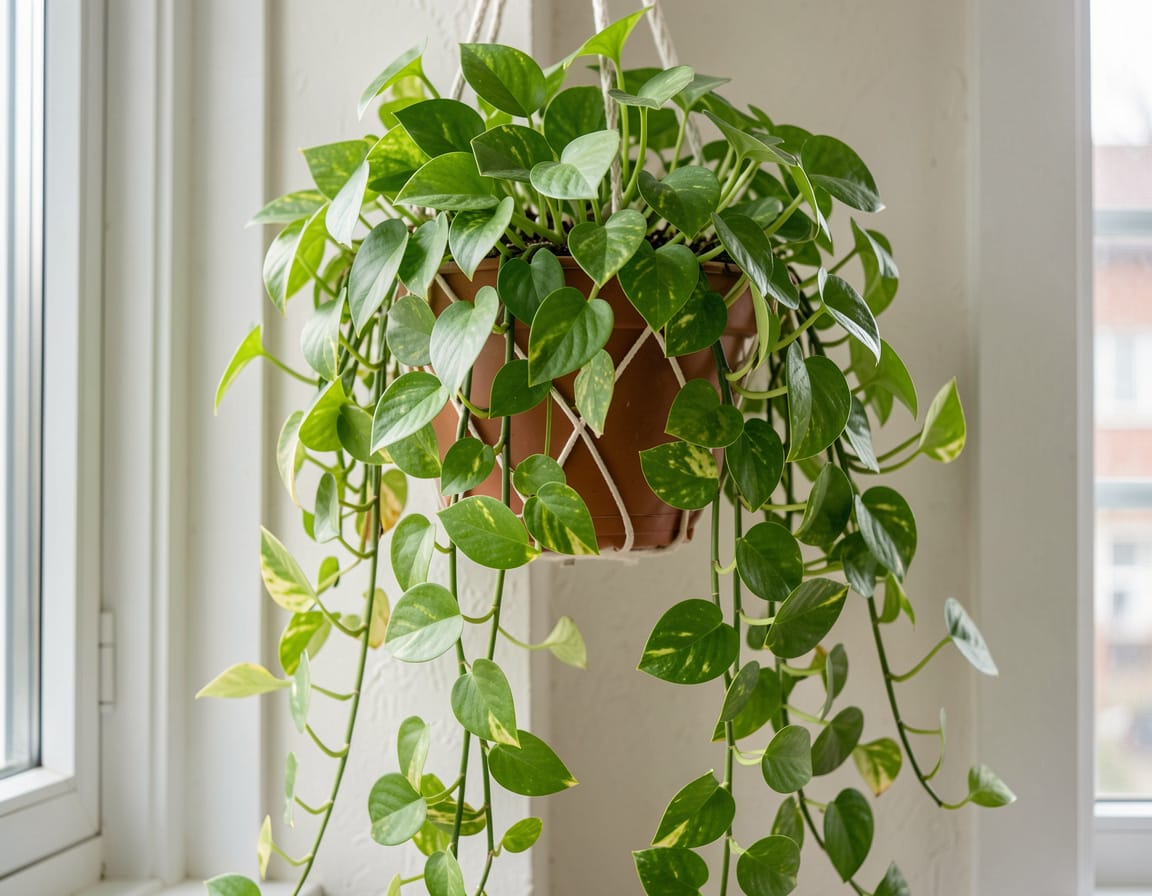
1. Golden Pothos The Classic Climber
Why it’s best: Golden pothos naturally sends out strong, fast-growing vines and thick aerial roots that grip onto moss poles, coir, wood, or textured walls with ease. When given vertical support, its leaves can grow several times larger than when trailing.
Best Use Cases:
- Indoor moss poles or coir totems
- Wall trellises or frames in bright rooms
- Training up stair railings or along vertical garden boards
Professional tip: Keep humidity moderate and mist the pole occasionally — aerial roots will latch more securely and produce lush, tropical foliage.
2. Cebu Blue Pothos The Modern, Sculptural Climber
Why it’s special: This species (technically Epipremnum pinnatum) climbs beautifully and changes appearance as it matures. Juvenile leaves are narrow and blue-silver; when grown vertically, they develop deep fenestrations (splits), resembling mini monstera leaves.
Best Use Cases:
- Modern minimalist interiors or bright offices
- Climbing up driftwood or tall coir poles
- Container gardens needing vertical interest
Light & Care: Thrives in bright, indirect light and evenly moist soil. Too little light slows climbing and leaf development.
3. Jade / Emerald Pothos The Low-Light Climber
Why it stands out: If your space has lower light levels (north-facing windows, interior offices), Jade or Emerald pothos hold solid green leaves and still climb steadily. They’re slower than Golden Pothos but more shade-tolerant.
Best Use Cases:
- Corners with limited natural light
- Vertical shelving units or partitions
- Apartment entryways
Expert insight: In low light, use natural-fiber twine or jute lattice to guide vines upward these varieties attach better to textured materials than to smooth surfaces.
4. Marble Queen or Snow Queen For Aesthetic Climbing (Advanced Growers)
These can climb but are slightly fussier. Their creamy variegation means less chlorophyll, so they prefer brighter light and slightly warmer temperatures to maintain steady, upward growth.
Best Use Cases:
- Decorative moss poles in bright living rooms
- Vertical trellises near windows
- Combined arrangements with darker-leaf pothos for contrast
If you have indirect bright light and time to prune occasionally, these are stunning visual climbers.
Comparing Top Climbers
| Variety | Growth Speed | Light Needs | Leaf Size Potential When Climbing | Notes |
| Golden Pothos | Fast | Medium–Bright | Large (6–12″) | Easiest and most vigorous |
| Cebu Blue | Fast | Bright | Large with splits | Sculptural, elegant |
| Jade / Emerald | Moderate | Low–Medium | Medium | Best for low-light climbing |
| Marble Queen / Snow Queen | Moderate | Bright | Medium–Large | Beautiful variegation, slower climb |
How to Encourage Climbing
Regardless of variety, the following steps help any pothos climb successfully:
- Provide vertical support moss pole, coir stick, or jute-wrapped wood.
- Keep humidity moderate (around 50–60%) encourages aerial root growth.
- Mist or dampen the support weekly to help roots adhere.
- Rotate plants occasionally for even light on all sides.
- Prune trailing stems and reattach top cuttings higher up to thicken growth.
- Fertilize organically during spring and summer climbing takes energy.
Common Mistakes
- Using glossy metal or plastic supports: roots can’t grip.
- Letting vines dangle too long before training upward: older vines become stiff.
- Overwatering in low light: slows root development.
- Expecting rapid climbing in winter: growth naturally pauses in cooler months.
My Recommendation (from Field Experience)
If you’re new to vertical plant styling or want dependable results, start with Golden Pothos on a coir pole. Once you’ve mastered care and humidity balance, experiment with Cebu Blue for a more sculptural, modern look. Both respond quickly and can transform an empty wall or corner into a lush, living feature within months.
In summary: For most U.S. homes, Golden Pothos is the best all-around climber fast, forgiving, and adaptable. If you have bright light and want more visual interest, Cebu Blue delivers striking form and texture.
Either variety will reward you with healthier leaves, stronger growth, and a naturally calming vertical display when trained organically and maintained with mindful balance.