Every product is independently reviewed and selected by our editors. If you buy something through our links, we may earn an affiliate commission at no extra cost to you.
The “best” bush for the front of a house really depends on your region, sunlight, soil type, and how much upkeep you’re comfortable with, but I can share what consistently works well in real U.S. home settings.
Best Bush Options to Put in the Front of the House Without Constant Care
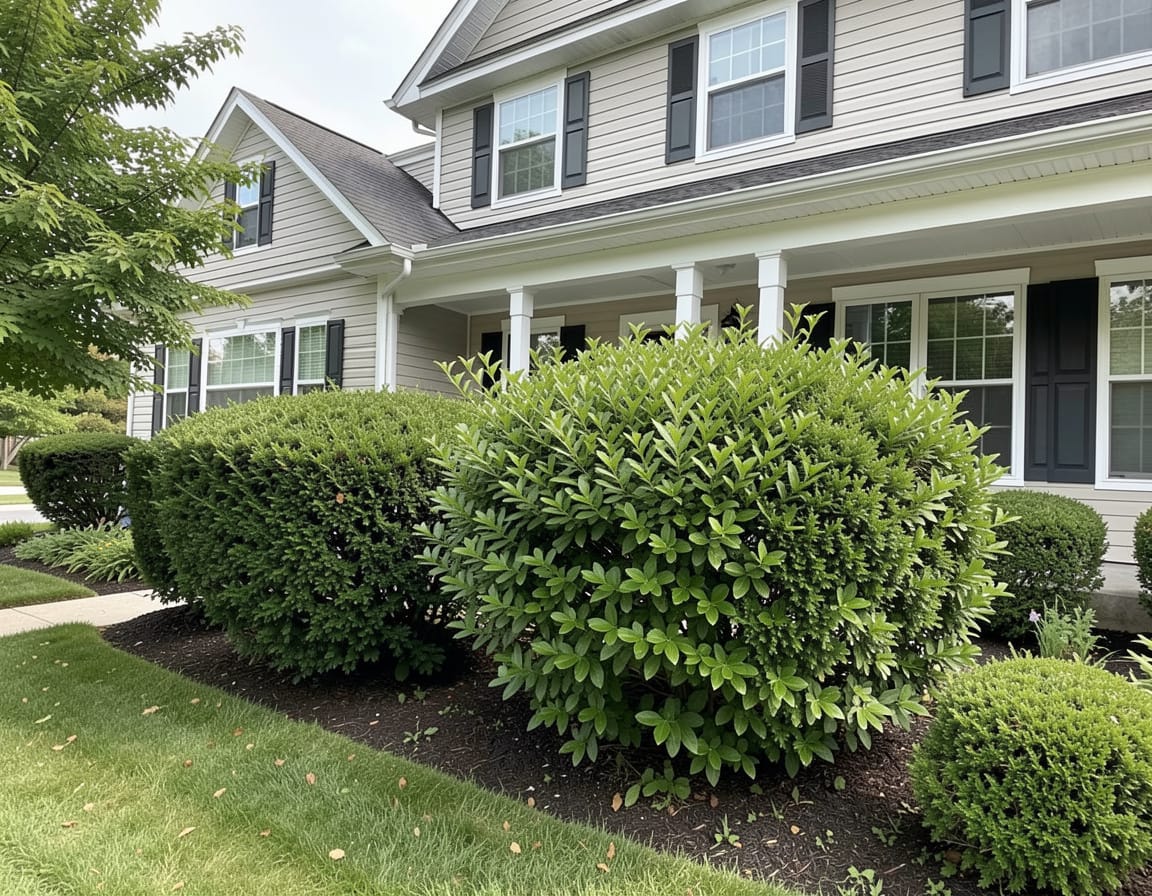
Choosing the best bush to put in the front of the house is all about balancing visual appeal with easy care. The right bush enhances curb appeal, complements your home’s style, and thrives with minimal maintenance. From evergreen shrubs to flowering bushes, smart choices create a welcoming, polished look year-round.
1. Start with the right goal
Before picking a plant, decide what you need it to do:
- Frame the entryway? Choose a structured, evergreen shrub.
- Add seasonal color? Go with a flowering or deciduous option.
- Provide privacy or soften hard edges? Use fuller, layered shrubs.
I always encourage clients to think beyond looks the healthiest landscapes use native or well‑adapted species that thrive without synthetic fertilizers or pesticides.
2. Top organic, sustainable choices by region
Here are some of my tried‑and‑true shrubs that work beautifully in front‑yard designs across the U.S.:
| Region / Condition | Recommended Shrub | Why It Works | Sustainable Benefits |
| Most of U.S. (Full Sun) | Boxwood (Buxus microphylla) | Dense, evergreen form ideal for foundation planting; easy to shape | Long‑lived, minimal pest issues, pairs well with organic mulch |
| Southeast / Humid Areas | Gardenia (Gardenia jasminoides) | Glossy leaves and fragrant white blooms | Attracts pollinators; thrives in acidic, organic soil |
| Southwest / Hot, Dry Climates | Texas Sage (Leucophyllum frutescens) | Silver foliage, purple blooms, drought‑tolerant | Needs no chemical fertilizers; supports native pollinators |
| Northern States / Cold Winters | Inkberry Holly (Ilex glabra) | Native evergreen alternative to boxwood | Handles cold and wet soil; supports native bees |
| Partial Shade / Woodland Edges | Oakleaf Hydrangea (Hydrangea quercifolia) | Four‑season interest, large leaves, summer blooms | Native to the U.S.; great for soil health and wildlife |
| Small Urban Yards / Containers | Dwarf Nandina or Dwarf Yaupon Holly | Compact, colorful foliage | Low‑water needs, adaptable to pots and tight spaces |
3. Expert planting and care tips
- Use organic compost at planting time to build soil structure.
- Mulch with shredded bark or leaf mold to retain moisture naturally.
- Water deeply but infrequently to encourage strong root systems.
- Avoid chemical fertilizers organic slow‑release blends or compost tea are safer for soil microbes and groundwater.
- Prune lightly to maintain shape and air flow; don’t over‑shear.
4. Design considerations from real homes
- In suburban front yards, I often layer 2–3 shrub types: taller evergreens behind, flowering natives in front.
- For townhomes and rentals, dwarf varieties in large terracotta or stone planters provide flexibility and can move with you.
- In open, sunny façades, mix textures a soft, billowy shrub next to a clipped form feels more natural and welcoming.
5. Shrubs to avoid (if you want a truly organic home landscape)
- Heavily hybridized ornamental varieties that need constant chemical feeding or pest sprays.
- Invasive species like burning bush (Euonymus alatus) or Japanese barberry they escape cultivation and harm native ecosystems.
- Chemically treated nursery plants (look for organic or neonicotinoid‑free labels instead).
6. My professional shortlist: easy, organic “front of house” winners
If I had to narrow it down:
- Inkberry Holly (for most of the East and Midwest)
- Boxwood or Dwarf Yaupon Holly (for structured, evergreen appeal)
- Oakleaf Hydrangea (for seasonal interest and native habitat value)
- Texas Sage (for dry, sunny, southern properties)
Each of these handles moderate neglect, keeps a neat form, and flourishes with organic care methods.
Quick checklist before you plant
- Choose a shrub suited to your USDA hardiness zone.
- Confirm sunlight full sun vs. afternoon shade.
- Prep soil with compost and organic matter.
- Water regularly until established, then taper off.
- Add native mulch and refresh yearly.