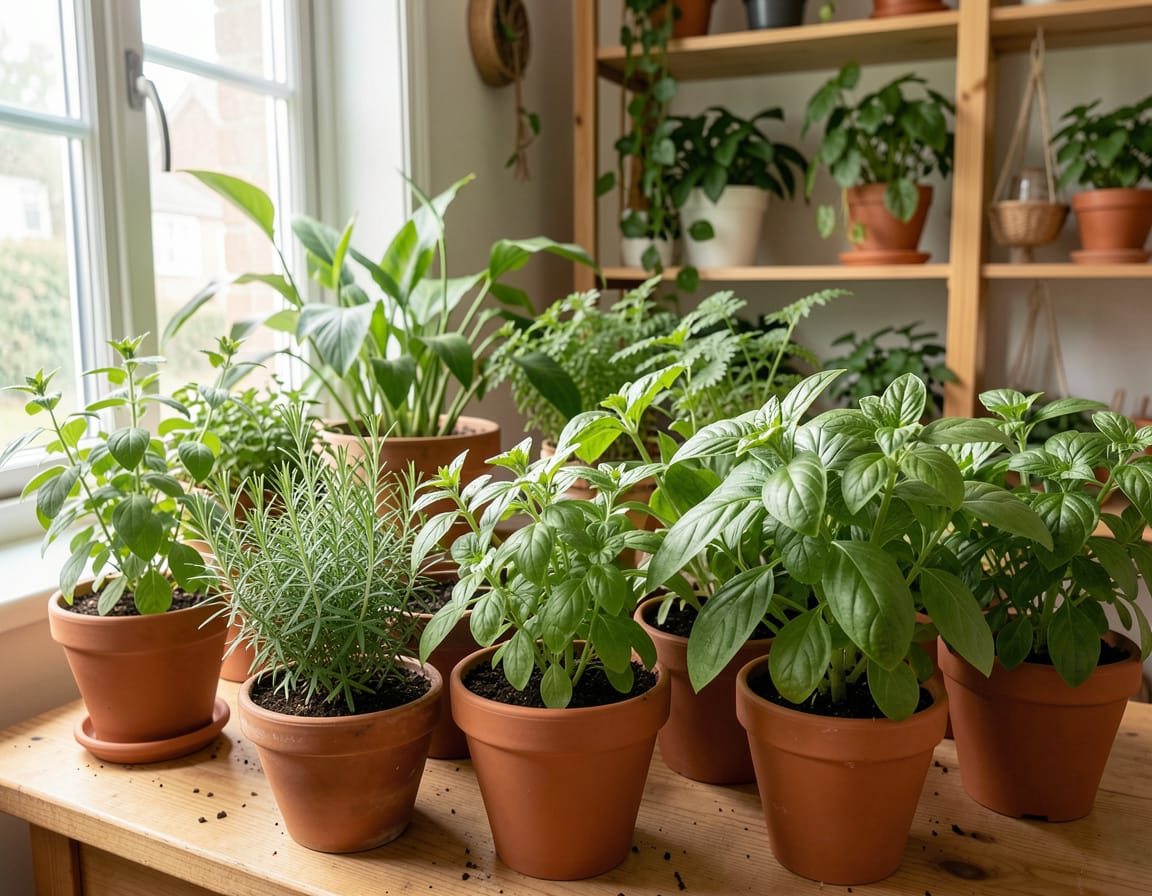
Every product is independently reviewed and selected by our editors. If you buy something through our links, we may earn an affiliate commission at no extra cost to you.
Many people start indoor herb gardening with excitement, only to end up with leggy basil, yellow parsley, or herbs that smell weak and never bounce back. In real homes, this usually isn’t because indoor herb gardening is difficult it’s because the wrong herbs are chosen or basic indoor conditions are misunderstood.
If you’re wondering what herbs are good to grow indoors, this guide will give you clear, experience-based answers. You’ll learn which herbs reliably thrive inside, why they work biologically, and exactly how to grow them using simple, affordable methods that fit apartments, balconies, and small homes.
This article focuses on practical success, not idealized setups or unrealistic promises.
Why Indoor Herb Growing Often Fails
From working with real indoor gardens, most failures come from:
- Herbs that need intense outdoor sun
- Overwatering in containers without drainage
- Expecting slow-growing herbs to act like fast crops
- Cutting plants incorrectly
The solution isn’t more effort it’s choosing herbs that naturally adapt to indoor light, stable temperatures, and container life.
Why This Indoor Herb Method Works
Indoor-friendly herbs share a few biological traits:
- Shallow or flexible root systems
- Ability to regrow after frequent harvesting
- Tolerance for moderate light
- Leaves that store aromatic oils rather than large fruits
In simple terms, herbs grown for their leaves perform better indoors than plants grown for flowers or seeds. When grown correctly, they actually benefit from indoor stability—no wind stress, fewer pests, and consistent moisture.
What You’ll Need to Grow Herbs Indoors
Essential Supplies
- Containers with drainage holes
- Lightweight potting mix (not garden soil)
- Herb seeds or healthy nursery plants
- Bright window or basic grow light
- Small watering can or spray bottle
Budget-Friendly & Eco-Safe Options
- Reuse food containers with drainage holes
- Organic compost-based potting soil
- DIY seed trays from recycled cartons
- Natural fertilizers (worm tea, compost tea)
Safety Notes
- Wash hands after soil handling
- Avoid chemical pesticides indoors
- Keep herbs out of reach of pets that chew leaves
What Herbs Are Good to Grow Indoors? (Proven Choices)
1. Basil
Why basil works indoors:
- Fast growth
- Responds well to pruning
- Thrives in warm indoor temperatures
Light needs: Bright indirect light or 6+ hours near a sunny window
Beginner tip: Pinch the top regularly to prevent legginess.
2. Mint
One of the most forgiving indoor herbs.
Why mint succeeds:
- Strong root system
- Tolerates varied light
- Recovers quickly after harvesting
Important note:
Always grow mint in its own container it spreads aggressively.
3. Chives
Why chives are ideal indoors:
- Compact growth
- Minimal light requirements
- Continuous harvest
Cut leaves from the outside, and they’ll regrow steadily.
4. Parsley
Parsley grows slower but adapts well indoors.
Why beginners struggle:
Parsley takes time to establish roots.
Success tip:
Start from healthy transplants instead of seed for faster results.
5. Cilantro (With Timing Awareness)
Cilantro can work indoors if harvested young.
Key reality:
Cilantro bolts quickly once mature.
Best approach:
Grow small batches every few weeks instead of one large plant.
6. Oregano
Why oregano thrives indoors:
- Drought-tolerant
- Strong aroma even in moderate light
- Low maintenance
Let soil dry slightly between waterings.
7. Thyme
Thyme is slow growing but durable.
Why it works indoors:
- Compact size
- Woody stems tolerate indoor air
Avoid overwatering thyme prefers drier soil.
8. Rosemary (With Conditions)
Rosemary is possible indoors, but not beginner-easy.
What beginners often miss:
Rosemary needs excellent drainage and bright light.
Best placement:
Sunny window + airflow.
Step-by-Step: How to Grow Herbs Indoors Successfully
Step 1: Choose the Right Location
- South- or east-facing window
- Supplemental grow light if sunlight is weak
Visual cue:
Herbs should grow compact, not stretched.
Step 2: Use Proper Soil
- Loose, well-draining potting mix
- Avoid dense or outdoor soil
Soil test:
Soil should crumble when squeezed, not clump.
Step 3: Planting & Timing
- Seeds: Sow shallow and keep moist
- Transplants: Gently loosen roots before planting
Indoor herbs can be started year-round, but growth is fastest in spring and summer.
Step 4: Watering Correctly
- Water when top 2–3 cm of soil dries
- Empty saucers to prevent root rot
Common mistake:
Daily watering kills more herbs than neglect.
Step 5: Feeding Herbs
- Light feeding every 3–4 weeks
- Use diluted organic fertilizer
Overfeeding reduces flavor and aroma.
Professional Tips & Best Practices from Real Indoor Gardens
- Harvest often to encourage bushy growth
- Rotate pots weekly for even light exposure
- Group herbs to raise humidity
- Remove yellow leaves early
Common Beginner Mistakes
- Growing sun-loving herbs in low light
- Overwatering
- Harvesting too little or too late
- Using oversized containers
FAQ
Can I grow herbs indoors without sunlight?
Yes, with grow lights. Leafy herbs perform well under basic LED grow lights.
Why do my indoor herbs look pale?
This usually indicates insufficient light or overwatering.
How often should I harvest indoor herbs?
Harvest small amounts weekly to keep plants productive.
Are indoor herbs safe to eat?
Yes, especially when grown without chemical pesticides.
Do indoor herbs attract insects?
Rarely, but fungus gnats can appear if soil stays wet.
When NOT to Use This Method
Indoor herb growing may struggle if:
- Your space has very low light and no grow light
- Temperatures drop below 10°C (50°F) regularly
- You expect large outdoor-style yields
Safer Alternatives
- Grow microgreens instead
- Use window boxes
- Start herbs indoors and finish outdoors
Alternative Herb Growing Methods
Hydroponic Herb Systems
Pros: Fast growth, clean
Cons: Higher setup cost
Window Box Soil Growing
Pros: Simple, low cost
Cons: Limited light
Grow Light Shelving
Pros: Year-round harvest
Cons: Electricity use
Conclusion
From indoor growing experience, the most reliable choices are basil, mint, chives, parsley, oregano, thyme, and cilantro when harvested young. These herbs adapt naturally to indoor conditions and reward consistent care with steady harvests.
Start with two or three herbs, learn their rhythms, and expand gradually. Indoor herb gardening isn’t about perfection it’s about fresh flavor, small daily wins, and growing something useful right where you live. With the right herbs and realistic expectations, success comes naturally.