Every product is independently reviewed and selected by our editors. If you buy something through our links, we may earn an affiliate commission at no extra cost to you.
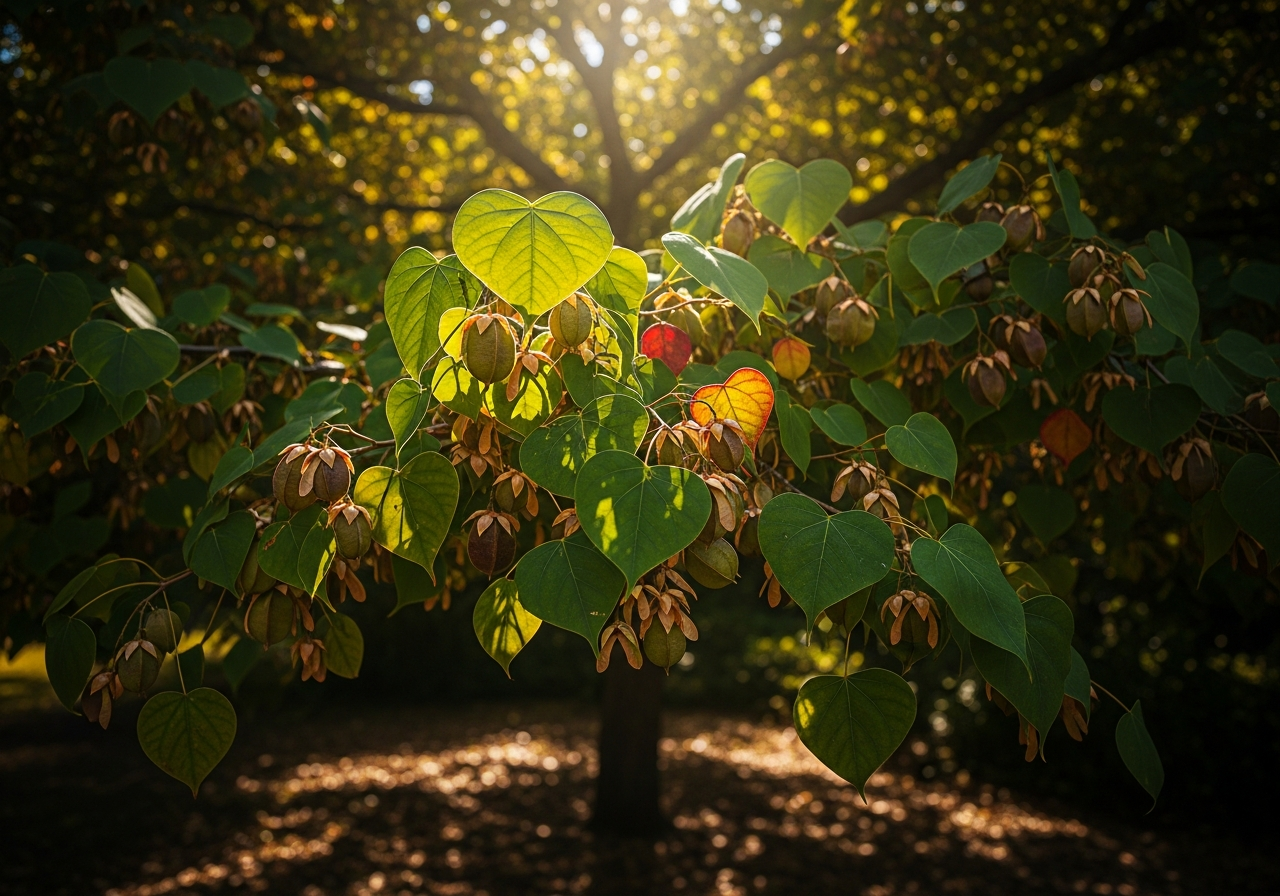
If you’ve ever spotted a tree with heart-shaped leaves and seed pods in a neighbor’s yard or along a street and wondered what it was, you’re not alone. These trees are striking especially in spring and late summer yet many beginner gardeners struggle to identify them or understand how to care for them properly.
In my own garden, I first planted one (an eastern redbud) thinking it would just give a bit of spring color. Over time, it became one of the most low-maintenance trees I’ve grown. The heart-shaped leaves are a giveaway, but the seed pods tell you even more about the tree’s growth cycle, stress levels, and seasonal conditions.
This guide helps you identify the most common heart‑leaf trees with pods and explains how to grow them successfully in home gardens, balconies, and small backyards.
Why These Trees Have Heart-Shaped Leaves and Seed Pods
Heart-shaped leaves are usually broad, slightly cupped, and excellent at channeling water toward the stem an advantage in regions with irregular rainfall. The seed pods (common in leguminous trees like redbuds) allow the tree to produce many seeds with minimal energy.
In real gardens, I’ve noticed that: • Healthy trees produce fewer but fuller pods. • Stressed trees (heat, drought, nutrient imbalances) produce many thin pods as a survival response.
Understanding this makes care easier if your tree suddenly produces a lot more pods, it’s often signaling stress.
What You’ll Need for planting or caring these trees
• A sunny to lightly shaded planting spot • Well-draining soil (loam or sandy loam preferred) • Compost or organic matter • Mulch (wood chips, shredded bark, or leaves) • Pruning shears or loppers • Deep-watering hose or watering can • Optional: organic slow‑release fertilizer
Budget-friendly alternative: Use homemade compost, leaf mold, or grass‑clipping mulch if you prefer low-cost, eco-friendly inputs.
The 3 Most Common Trees With Heart-Shaped Leaves and Seed Pods
Below is a quick guide based on what I see most often in home gardens.
1. Eastern Redbud (Cercis canadensis) – Most Common
• Heart-shaped leaves • Pink spring flowers • Brown, papery seed pods in late summer • Great for small gardens
2. Northern Catalpa (Catalpa speciosa)
• Big heart-shaped leaves • Long, cigar-like seed pods • Fast-growing shade tree • Needs more space
3. Empress Tree (Paulownia tomentosa)
• Very large heart-shaped leaves • Greenish-brown woody seed capsules • Extremely fast growth • Can be invasive in some regions
Step-by-Step Instructions: How to Plant and Care for These Trees
1. Choose the Right Spot
• Plant in full sun or part shade. • Avoid low spots where water pools these trees dislike soggy roots. • Give redbuds 8–10 ft of space; catalpas need 20–30 ft.
2. Prepare the Soil
• Loosen soil 12–18 inches deep. • Mix in compost for moisture balance. • If soil is heavy clay, add coarse sand or grit to improve drainage.
In my clay-heavy garden bed, adding leaf mold made a noticeable difference in root establishment.
3. Plant at the Right Depth
• Set the tree so the root flare sits level with the soil surface. • Backfill lightly don’t pack the soil hard. • Water deeply right after planting.
4. Watering Routine
• Water young trees twice weekly in warm seasons. • Switch to deep, infrequent watering once established. • Allow the top 2–3 inches of soil to dry between waterings.
5. Pruning Tips
• Prune in late winter when the tree is dormant. • Remove crossing, damaged, or crowded branches. • Do not prune heavily during active growth these trees can bleed sap.
6. Managing Seed Pods
For redbuds and catalpas, pods will naturally brown and drop late summer to fall. • You can remove pods for a tidier appearance. • If you leave them, mulch heavily where pods fall so they decompose naturally. • Avoid letting pods accumulate in gutters and walkways.
Pro Tips & Best Practices
• Young redbuds struggle in reflected heat zones avoid planting next to south-facing walls. • Catalpas drop large leaves; plant away from small patios or porches. • If leaves turn yellow early, check drainage; these trees hate wet feet. • Mulch 2–3 inches deep, keeping mulch away from the trunk base.
One thing beginners often miss: these trees respond better to consistent moisture than frequent fertilizing. Too much nitrogen can cause excessive leaf growth but fewer flowers.
FAQ
1. Why does my redbud tree have lots of seed pods this year? Often it’s a stress response to heat or drought. Increase deep watering during summer.
2. Can I grow a heart-shaped leaf tree in a container? A dwarf redbud can grow in a large pot (minimum 20–24 inches). Catalpa and Paulownia are too big.
3. Why are my leaves turning brown at the edges? Usually heat or underwatering. Mulch and deeper watering help.
4. Can I prune off seed pods without harming the tree? Yes. Removing pods does not affect long-term growth.
5. Is the Catalpa tree messy? Yes large leaves and long pods drop late in the season. Plant with space.
6. Are these trees safe for pets? Redbuds are generally considered safe; catalpa pods are not commonly eaten by pets but supervise anyway.
When NOT to Plant These Trees
Avoid planting if: • Your yard is poorly drained or frequently waterlogged. • You live in very windy, exposed sites heart-shaped leaves tear easily. • You have limited space (catalpa and paulownia grow HUGE). • Invasive species are restricted in your region (especially Paulownia).
Alternative Trees With Similar Appeal
If you like the look but want different maintenance levels:
Serviceberry
• Edible berries • Smaller, tidier growth
Dogwood
• Similar leaf shape • No seed pods
Linden Tree
• Small heart-shaped leaves • Fragrant flowers
Each is beginner-friendly and fits well in small gardens.
Conclusion
A tree with heart-shaped leaves and seed pods especially a redbud or catalpa adds charm, shade, and seasonal interest to any home garden. These trees are surprisingly easy to grow once you understand their soil, sunlight, and watering needs. Pay attention to drainage, avoid over‑pruning, and watch how the seed pods form through the season they tell you a lot about the tree’s health.
With patience and regular care, these trees reward you with beautiful leaves, distinctive pods, and a reliable presence in your garden year after year.