Every product is independently reviewed and selected by our editors. If you buy something through our links, we may earn an affiliate commission at no extra cost to you.
A plastic barrel doesn’t look glamorous at first glance. But cut correctly, filled with the right soil mix, and planted with purpose, it can outperform many store-bought planters. I’ve seen $20 recycled barrels produce more food and color than decorative pots costing five times as much. The difference isn’t the container it’s how you build and manage it.
Introduction
If you’re working with limited space, tight budgets, or tough weather conditions, plastic barrel planters are one of the most practical container gardening solutions available. They’re lightweight, long-lasting, and easy to customize but they’re also easy to get wrong.
Most beginners make the same mistakes: poor drainage, compacted soil, wrong root depth, or placing them in the wrong sun exposure. This guide walks you through proven plastic barrel planter ideas, soil structure, drainage setup, light requirements, watering schedules, and maintenance realities so your planter produces strong growth instead of stunted plants.
Quick Summary
- Best for: Vegetables, herbs, dwarf shrubs, flowers
- Ideal depth: 12–24 inches depending on plant type
- Drainage: Minimum 4–6 holes (½–¾ inch diameter)
- Soil mix: 40% potting mix, 30% compost, 20% bark fines, 10% perlite
- Sun exposure: 6–8 hours for vegetables; partial sun for leafy greens
- USDA zones: 3–11 (seasonal plant choice varies)
- Watering: 2–4 times per week in summer
- Budget range: $25–$120 depending on modifications
- Maintenance level: Moderate
Why Plastic Barrels Work for Planters
Plastic barrels (often 30–55 gallons) offer several structural advantages over wood or ceramic containers.
Why They Perform Well
- Deep root volume supports larger plants.
- Lightweight design makes repositioning easier.
- Non-porous material retains moisture longer.
- Weather-resistant won’t rot or crack easily.
However, the non-porous nature means drainage must be engineered properly. Unlike terracotta, plastic doesn’t breathe.
Cost comparison:
- Recycled food-grade barrel: $15–$40
- New decorative plastic barrel planter: $40–$120
- Raised bed equivalent volume: $150+
For large-volume growing on a budget, barrels are hard to beat.
Step 1: Drainage Setup (Most Important Step)
Poor drainage kills more barrel planters than any other issue.
How to Properly Drill Drainage
For a 55-gallon barrel cut in half:
- Drill 6–8 holes in the base.
- Hole size: ½ to ¾ inch diameter.
- Space evenly across bottom.
- Elevate container 1–2 inches using pot feet or bricks.
Why this works: Water needs escape pathways. Elevation prevents holes from sealing against patio surfaces.
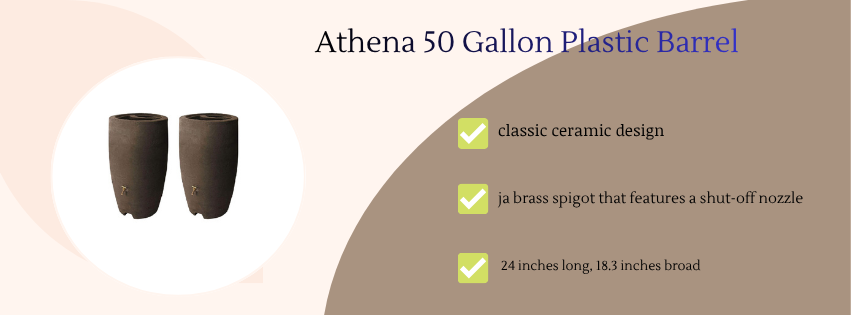
Optional layer: Add 1–2 inches of coarse gravel at bottom. This helps protect holes but does not replace proper soil structure.
Maintenance impact: Check holes each season. Roots can clog them.
Step 2: Soil Composition for Plastic Barrels
Because plastic holds moisture longer, soil must drain efficiently.
Ideal Barrel Soil Mix
- 40% high-quality potting mix (peat or coco coir based)
- 30% screened compost
- 20% pine bark fines
- 10% perlite or pumice
Why this works:
- Bark improves airflow.
- Perlite prevents compaction.
- Compost supports microbial life.
Avoid:
- Native garden soil (compacts heavily in containers)
- Straight compost (retains too much moisture)
Cost impact: DIY mix costs less than premium bagged container soil and performs better long-term.
9 Practical Plastic Barrel Planter Ideas
1. Half-Barrel Vegetable Garden
Best crops:
- Tomatoes (determinant varieties)
- Peppers
- Eggplant
- Bush beans
Minimum depth: 18–24 inches
Sun requirement: 6–8 hours (south or west-facing exposure ideal)
Why it works: Deep soil supports strong root systems for fruiting plants.
Watering: 3–4 times weekly in peak summer.
Beginner mistake: Planting indeterminate tomatoes without staking support.
Product suggestion: Use heavy-duty tomato cages or trellis systems rated for container use.
2. Vertical Strawberry Barrel
Use a full upright barrel.
How to implement:
- Drill 2–3 inch planting holes staggered along sides.
- Fill center with drainage column (PVC pipe with holes).
- Use lightweight potting mix.
USDA zones: 4–9 perennial; mulch in winter in colder climates.
Why it works: Strawberries have shallow roots (6–8 inches).
Maintenance: Frequent watering vertical systems dry quickly.
Cost: Higher initial labor but maximizes small-space yield.
3. Herb Garden Barrel
Ideal herbs:
- Basil
- Parsley
- Thyme
- Chives
- Cilantro
Soil modification: Add 10% coarse sand for Mediterranean herbs.
Sun: 6 hours minimum (east-facing works well).
Why it works: Herbs prefer slightly lean soil and good drainage.
Watering: When top 1–2 inches dry.
Common mistake: Overfertilizing reduces flavor concentration.
4. Flower Power Patio Barrel
Plant combination:
- Thriller: Dwarf canna or salvia
- Filler: Coleus or geraniums
- Spiller: Sweet potato vine or bacopa
Sun: Full sun for flowering varieties.
Why it works: Layering creates visual dimension.
Fertilizer: Slow-release granules every 8–10 weeks.
Maintenance: Deadhead flowers regularly to extend bloom cycle.
5. Self-Watering Reservoir Barrel
Convert bottom 4–6 inches into water reservoir.
How:
- Insert perforated platform.
- Add fill tube.
- Use wicking soil.
Why it works: Consistent moisture reduces blossom end rot in tomatoes.
Cost: Additional $20–$40 in materials.
Maintenance: Monitor reservoir weekly in hot weather.
6. Mini Fruit Tree Planter
Best varieties:
- Dwarf lemon (zones 8–11)
- Dwarf apple (zones 4–8)
- Fig tree (zones 7–10)
Minimum depth: 24 inches
Why it works: Barrel volume supports compact rootstock.
Soil: Well-draining mix with added compost.
Maintenance: Annual root pruning every 2–3 years.
Beginner mistake: Choosing standard-sized trees instead of dwarf rootstock.
7. Cut-and-Come-Again Salad Barrel
Plant:
- Leaf lettuce
- Spinach
- Arugula
- Kale
Sun: 4–6 hours (east exposure ideal).
Why it works: Shallow roots; quick harvest cycle.
Watering: 2–3 times weekly.
Budget tip: Grow from seed to reduce cost dramatically.
8. Pollinator-Friendly Barrel
Plants:
- Lavender
- Echinacea
- Coreopsis
- Dwarf butterfly bush
Sun: Full sun required.
Why it works: Supports bees and butterflies in small spaces.
Soil: Add extra perlite these plants prefer dry roots.
9. Compost-to-Plant Hybrid Barrel
Use bottom half as compost chamber.
Top half: Plant shallow-root vegetables.
Why it works: Compost heat boosts early growth.
Maintenance: Monitor moisture and aeration carefully.
Advanced option requires monitoring to avoid overheating roots.
Sun Exposure Strategy for Barrel Placement
South-facing: Best for fruiting vegetables.
West-facing: Hot afternoon sun choose heat-tolerant plants.
East-facing: Balanced for herbs and leafy greens.
North-facing: Shade-tolerant plants only (ferns, hostas).
Why placement matters: Plastic absorbs heat, warming soil faster. In hot climates (zones 8–11), dark barrels can overheat roots.
Solution:
- Choose lighter-colored barrels.
- Add 1-inch mulch layer.
- Provide afternoon shade in extreme heat.
Watering Guidelines for Plastic Barrels
Plastic retains moisture longer than terracotta.
General rule:
- Check soil 2 inches down.
- Water deeply until excess drains out.
- Avoid shallow daily watering.
Summer schedule:
- Vegetables: 3–4 times weekly
- Herbs: 2–3 times weekly
- Shrubs: Once or twice weekly
Drip irrigation kits work extremely well for multiple barrels and reduce water waste.
Pest & Disease Prevention
Common issues:
- Aphids
- Spider mites
- Fungus gnats
Prevention:
- Ensure drainage.
- Avoid overwatering.
- Use neem oil when needed.
Plastic barrels reduce soil-borne disease compared to in-ground beds because soil is controlled.
Budget vs Premium Setup Comparison
Budget Build ($25–$60)
- Recycled barrel
- DIY soil mix
- Basic annual plants
Pros: Affordable, high yield potential.
Cons: Less decorative.
Premium Setup ($80–$200)
- Decorative molded barrel
- Premium container soil
- Drip irrigation system
- Dwarf fruit tree or perennial shrubs
Pros: Long-term stability, reduced seasonal replanting.
Cons: Higher upfront cost.
Long-term: Premium setups often save money over 3–5 years.
Common Beginner Mistakes
- Not drilling enough drainage holes.
- Using garden soil.
- Planting too many large crops in one barrel.
- Ignoring sun exposure direction.
- Letting water sit in saucers.
FAQ
How deep should a plastic barrel planter be?
For vegetables and shrubs, 18–24 inches is ideal. Herbs and greens can grow in 12 inches.
Are plastic barrels safe for growing food?
Use food-grade barrels only. Avoid barrels that previously stored chemicals.
How often should I replace soil?
Refresh top 30–40% annually with compost and new mix. Full replacement every 3–4 years.
Do plastic barrels overheat roots?
They can in hot climates. Use mulch and lighter colors to reduce heat absorption.
Can I grow root vegetables in a barrel?
Yes carrots, radishes, and beets grow well in 12–18 inches of loose, sandy soil mix.
Do I need fertilizer?
Yes. Container soil loses nutrients quickly. Use slow-release fertilizer every 8–10 weeks.
Final Thoughts
Plastic barrel planters are one of the most underrated tools in small-space gardening. They offer deep root volume, durability, and affordability without sacrificing productivity. When built correctly with proper drainage, structured soil, and plants suited to your sun exposure and USDA zone they outperform many decorative planters.
Start with one well-built barrel. Drill adequate drainage. Use a balanced soil mix. Choose crops that match the depth and sunlight available. Add mulch. Water deeply, not frequently.
Within one growing season, you’ll see stronger root systems, healthier foliage, and higher yields than most casual container gardeners achieve.
A simple plastic barrel can become a highly efficient, long-term growing system if you build it with intention.
