• Which Green Leafy Vegetables Do We Eat in Winter | An Expert Guide to Organic Greens

    Every product is independently reviewed and selected by our editors. If you buy something through our links, we may earn an affiliate commission at no extra cost to you.

    Why Winter Greens Matter

    During the colder, darker months, our bodies crave fresh, nutrient-dense foods. Green leafy vegetables offer a wealth of vitamins (A, C, K), minerals, fiber, and important phytonutrients for immune support and overall health. For those focused on organic home living, these greens are foundational—whether they come from a winter garden, an indoor planter, or your local farmers’ market.

    Winter Greens: What to Eat and Why

    Here are the green leafy vegetables I rely on, recommend to clients, and frequently include in winter meal plans:

    1. Kale

    Why I Recommend It: Kale is the classic winter green cold-hardy, robust, and actually gets sweeter after a frost. It thrives outdoors in many U.S. regions and is widely available organic in stores.

    Varieties:

    • Curly kale
    • Lacinato (dinosaur) kale
    • Red Russian kale

    Uses: Great raw in salads, sautéed, or added to soups and stews.

    2. Spinach

    Why I Recommend It: Spinach tolerates cold exceptionally well and will often overwinter in milder U.S. climates with some protection. It’s also among the easiest greens to grow indoors on a sunny windowsill.

    Varieties:

    • Savoy (crinkly leaves, very cold-hardy)
    • Flat-leaf (smooth, tender)

    Uses: Fresh in salads, blended into smoothies, or wilted into warm dishes.

    3. Swiss Chard

    Why I Recommend It: Swiss chard is resilient and continues growing through light frosts. Its colorful stems also make it a beautiful addition to organic home décor (think: edible centerpieces).

    Uses: Sautéed as a side, or added to casseroles and quiches.

    4. Collard Greens

    Why I Recommend It: Collards are a Southern winter staple nutrient-dense, hearty, and flavorful. They withstand cold temperatures and are perfect for slow-cooked dishes.

    Uses: Braised, added to soups, or used as sturdy wraps.

    5. Mustard Greens

    Why I Recommend It: Mustard greens have a peppery kick and grow well in cool weather. They’re easy to grow in pots or raised beds and add variety to winter meals.

    Uses: Raw in salads for spice, or lightly sautéed to mellow the flavor.

    6. Lettuce (Certain Varieties)

    Why I Recommend It: Not all lettuces are winter-hardy, but some, like romaine and winter density, can survive with row covers in milder climates or thrive indoors.

    Uses: Fresh salads and sandwich greens.

    7. Asian Greens

    Why I Recommend It: Bok choy, tatsoi, mizuna, and komatsuna are all cold-tolerant and fast-growing—ideal for indoor planters or protected outdoor beds.

    Uses: Stir-fries, soups, or as a salad base.

    8. Arugula

    Why I Recommend It: Arugula grows quickly in cool weather and adds a peppery flavor to winter salads and pizzas. It’s very container-friendly.

    Practical Tips for Enjoying Winter Greens

    • Grow Indoors: Most of these greens (especially spinach, kale, and Asian greens) perform well in pots under a sunny window or with a basic LED grow light.
    • Eat Seasonally: If you can’t garden, look for U.S.-grown organic greens at winter farmers’ markets or co-ops.
    • Preserve Extras: Greens like kale and collards can be blanched and frozen for later use without significant loss of nutrients.

    Real-World Example

    In a small Boston apartment, I helped a couple set up a sunny kitchen windowsill garden with pots of spinach, arugula, and baby kale. Even in January, they were able to harvest fresh leaves weekly for salads and stir-fries no backyard required.

    FAQ: Winter Green Leafy Vegetables

    Q: Which green leafy vegetables are easiest to grow indoors in winter? Spinach, kale (baby leaf), and most Asian greens need minimal light and are very forgiving in containers.

    Q: Are winter greens as nutritious as those grown in summer? Yes often more so, as cold weather can boost their levels of certain antioxidants and sugars.

    Q: Can I grow lettuce in winter? Yes, but stick to cold-tolerant varieties and use row covers outdoors or containers indoors for best results.

    Q: How do I keep greens fresh once harvested? Store in a breathable bag or container in the fridge with a damp paper towel. Wash just before use to prevent sogginess.

    Q: What if I don’t have much light indoors? Supplement with an energy-efficient grow light, or focus on shade-tolerant greens like spinach and certain Asian greens.

    Conclusion

    The answer to which green leafy vegetables do we eat in winter isn’t limited to just kale and spinach—there’s a whole world of cold-hardy, nutrient-rich greens to enjoy all season long. Whether you’re harvesting from your own pots or shopping organic at your local market, these greens are the cornerstone of a healthy, sustainable winter diet. With a little planning, you can keep your meals vibrant, nourishing, and compatible with a toxin-free, eco-friendly lifestyle even during the chilliest months.

  • What Vegetables Are Best to Plant in Autumn | Expert Guidance for Organic Gardening 

    Every product is independently reviewed and selected by our editors. If you buy something through our links, we may earn an affiliate commission at no extra cost to you.

    When cooler temperatures arrive, many people assume the gardening season is over. In reality, fall offers some of the best conditions for growing fresh, healthy produce often with fewer pests and less maintenance than summer. If you’re wondering what vegetables are best to plant in autumn, you’re not alone. In my experience working with a wide range of U.S. homeowners and renters, autumn plantings consistently yield flavorful, nutrient-dense harvests and help set the stage for a thriving organic garden year-round.

    Below, I’ll walk you through the vegetables that truly thrive in fall, tips for both indoor and outdoor spaces, and practical steps for a successful, sustainable autumn garden no matter where you live.

    Why Plant Vegetables in Autumn?

    Organic Home Décor, Health, and Sustainability Benefits

    Fall vegetable gardening isn’t just for die-hards. There are tangible advantages:

    • Improved Flavor & Nutrition: Many cool-season vegetables become sweeter and more tender after a light frost.
    • Reduced Pest Pressure: Colder nights and shorter days naturally cut down on common garden pests.
    • Soil Health: Autumn planting encourages living roots and cover, preventing soil erosion and boosting soil microbial life.
    • Mental Well-Being: Tending a green space even a windowsill planter during the darker months offers calm and a sense of accomplishment.
    • Sustainable Home Design: Growing food organically through fall reduces reliance on store-bought produce and packaging waste.

    In homes across the U.S., I’ve seen small raised beds, patio containers, and even indoor grow lights deliver impressive results through Thanksgiving and beyond. Let’s explore the best vegetable choices.

    The Best Vegetables to Plant in Autumn

    1. Leafy Greens

    • Spinach: Thrives in cool soil and withstands light frost. Direct sow or start transplants in late summer/early fall.
    • Kale: One of the hardiest greens. Becomes sweeter after frost. Perfect for containers or small outdoor beds.
    • Lettuce (Romaine, Butterhead, Leaf): Fast-growing and happy at temps down to the upper 20s F. Try succession plantings for a steady supply.
    • Swiss Chard: Handles cold and looks beautiful in organic home décor as a colorful edible.

    2. Root Vegetables

    • Radishes: Germinate quickly and mature in as little as 3–4 weeks. Great for window boxes and tight spaces.
    • Carrots: Sow early enough (6–10 weeks before first frost) for a fall harvest. Sweeten with cold.
    • Beets: Both the roots and greens are edible and cold-tolerant.
    • Turnips: Quick to mature, delicious greens and roots.

    3. Brassicas (Cabbage Family)

    • Broccoli: Plant transplants 8–10 weeks before first frost for autumn heads.
    • Cabbage: Compact varieties work well for smaller raised beds and large pots.
    • Cauliflower: Needs protection from hard frosts but thrives in early fall.

    4. Alliums

    • Garlic: Plant cloves in fall for a summer harvest next year; use as an edible border in flower beds.
    • Onions (sets/multipliers): Certain varieties overwinter and start growth early in spring.

    5. Legumes

    • Peas: In milder U.S. climates (zones 7+), a late season sowing can produce a late fall or early winter crop.

    6. Herbs

    • Cilantro: Prefers cool weather and grows quickly from seed.
    • Parsley: Survives chilly nights and is a great potted herb by an autumn kitchen window.

    Everyday Organic Gardening Routine for Autumn Vegetables

    To maximize success and keep your garden healthy and toxin-free follow these proven routines:

    • Daily/Weekly Watering: Fall means less evaporation, so water less often, but don’t let soil dry completely. Morning watering reduces disease.
    • Light and Placement: Place containers where they get at least 4–6 hours of sunlight (southern exposure is ideal). Use reflective mulch or white stones to boost light for indoor setups.
    • Soil Health: Top-dress with organic compost or worm castings in early fall for a nutrient boost. Mulch with straw or shredded leaves outdoors to regulate moisture and temperature.
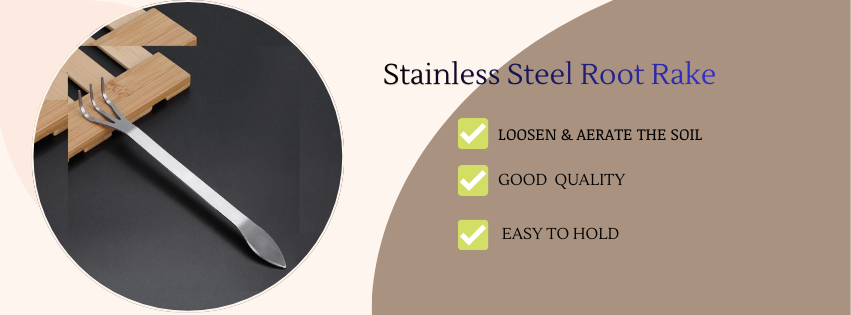
    • Harvesting: Pick leafy greens and herbs regularly to encourage new growth. For roots, gently loosen soil with a hand fork to avoid breakage.
    • Frost Protection: Use row covers, old sheets, or cloches for surprise cold snaps. Indoors, move pots away from cold drafts or directly off window sills at night.

    What You’ll Need: Tools, Materials, and Supplies

    ItemWhy It’s UsedOrganic/Health BenefitsSustainability Considerations
    Organic Seeds/SeedlingsFor starting new autumn cropsNon-GMO, chemical-freeSupports biodiversity, local seed sources
    Organic Potting Mix/CompostNourishes vegetables, retains moistureNo synthetic fertilizers or pesticidesRenewable, compostable
    Raised Beds/Planters/Window BoxesFlexible growing space for limited areasAvoids soil contaminants, no treated lumberReusable, made from FSC-certified wood or recycled materials
    Watering Can/Drip HoseDelivers water efficientlyPrevents overwatering, no plastics leachingDurable, minimizes waste
    Mulch (straw/leaves)Insulates soil and conserves moistureFree of dyes and chemicalsCompostable, uses natural yard waste
    Row Covers or ClothsProtects from frost and pestsNo need for chemical spraysReusable, washable fabric
    Hand Trowel/ForkPlanting, loosening soilNo need for herbicidesMetal/wood tools last for years
    Grow Lights (for indoor starts)Extends growing season in low-light homesAvoids synthetic spraysLED or high-efficiency options

    Professional Tip: Always sanitize tools between uses to prevent disease simply dip in a vinegar solution and air-dry.

    Deep Organic Setup or Seasonal Refresh

    If you’re new to fall gardening, or want to refresh your space, here’s how I guide clients through a thorough, eco-friendly setup:

    1. Refresh Beds or Containers:

    • Pull spent summer crops and compost healthy plant debris.
    • Loosen soil, add fresh compost, and check drainage.
    • For indoor planters, replace the top third of soil with organic potting mix.

    2. Plan and Rotate Crops:

    • Avoid planting the same vegetable family in the same spot as last season to reduce disease risk and soil fatigue.

    3. Sow Successively:

    • Plant quick-maturing crops like radishes and spinach every 2–3 weeks for ongoing harvests.

    4. Protect and Mulch:

    • Use organic mulch liberally outdoors—this keeps soil temps stable and suppresses weeds.

    5. Monitor for Pests:

    • Fall pest pressure is lower, but watch for slugs and aphids. Hand-pick or use neem oil if necessary; avoid chemical sprays.
    Prevention & Sustainability Tips
    • Avoid Synthetic Fertilizers and Pesticides: Rely on compost, organic mulch, and hand-removal of pests for healthy crops.
    • Use Regionally Appropriate Varieties: Choose short-season or cold-hardy cultivars appropriate for your USDA zone.
    • Reduce Waste: Save seeds from successful crops, and compost any kitchen scraps or plant trimmings.
    • Maximize Indoor Space: Grow greens or herbs in sunny windows or under low-energy grow lights—a practical solution for renters or city dwellers.
    • Harvest Responsibly: Pick outer leaves first to keep plants producing longer.

    Common Mistakes to Avoid

    1. Planting Too Late: Many fall crops need to mature before a hard frost. Use your local first frost date and count backward to find your sowing window.

    2. Overcrowding: Cool-season vegetables still need airflow—space them per packet instructions to avoid mildew and poor growth.

    3. Neglecting Sunlight: Shorter days mean less light—prioritize the sunniest spots for your most productive crops.

    4. Using Chemically Treated Materials: Avoid railroad ties, non-organic soils, or plastic planters that can leach harmful substances.

    5. Letting Soil Dry Out: It’s easy to forget watering as temperatures drop, but consistent moisture is still critical, especially for seedlings.

    Local U.S. Home Context: Realistic Solutions

    • Small Apartments: Use window boxes with spinach, lettuce, and radishes. A single south-facing window or a basic grow light setup can support a surprising amount of leafy greens.
    • Rental Homes: Try fabric grow bags or movable planters if you can’t dig up your yard.
    • Urban Balconies: Compact raised beds or deep containers can support kale, beets, and herbs. Protect from wind with balcony railings or light fencing.
    • Suburban Gardens: Raised beds or in-ground rows can accommodate full-size cabbages, broccoli, and garlic. Use fallen leaves as free mulch.
    • Cold Climates: Use frost cloths or vented cold frames to extend the season. Indoors, focus on fast crops like microgreens or baby spinach.
    • Warm Regions (Zones 8–10): Autumn is prime time for a second round of tomatoes, peppers, and most cool-season crops. Plant more often for a nearly year-round harvest.

    Extra Expert Tips: Practical, Professional Insights

    • Budget-Friendly: Swap seeds with neighbors or at local libraries—many have free seed exchanges in early fall.
    • Low-Maintenance: Install a gravity-fed drip line or use self-watering containers for consistent moisture with less work.
    • Long-Term Sustainability: Mix in edible flowers (like calendula) for pollinators and extra color—great for organic home décor ideas indoors and out.
    • Winter-Prep: After harvest, sow cover crops (like crimson clover or winter rye) to improve soil and prevent erosion.

    FAQ: Autumn Vegetable Planting

    Q1: What vegetables are best to plant in autumn for a quick harvest? Radishes, spinach, and most leaf lettuces mature in under 30 days, making them ideal for fall.

    Q2: Can I grow autumn vegetables indoors if I don’t have a yard? Absolutely. Most leafy greens, herbs, and even small root crops thrive in window boxes or under grow lights in apartments or homes with limited outdoor space.

    Q3: How late in the year can I plant autumn crops? Use your local first frost date and count back the days to maturity listed on the seed packet. For example, if your first frost is October 30 and spinach takes 40 days, plant by mid-September.

    Q4: Are there organic home décor ideas that incorporate edible autumn vegetables? Yes! Grow rainbow chard, curly kale, and herbs in decorative clay pots or woven baskets as both functional and beautiful centerpieces for your kitchen or dining room.

    Q5: Should I fertilize fall vegetables? If you start with rich, organic soil or compost, additional fertilizer is seldom needed. A light top-dressing of compost mid-season can help boost growth.

    Q6: How can I protect my autumn vegetables from early frosts? Use row covers, cloches, or even old bedsheets on cold nights. Indoors, move containers away from windows if temps drop significantly.

    Q7: Is it worth planting garlic in the fall? Yes fall planting garlic establishes roots before winter, resulting in larger, healthier bulbs for summer harvest.

    Conclusion: Planting Autumn Vegetables for a Healthier, More Sustainable Home

    Knowing what vegetables are best to plant in autumn empowers you to keep your home and table full of fresh, organic produce even as temperatures fall. Whether you have a tiny apartment window or a sprawling backyard, there’s a fall crop that fits your lifestyle, climate, and sustainability goals.

    By focusing on cool-season greens, hardy roots, and regionally appropriate varieties—and following simple organic practices—you’ll enjoy a thriving garden, improved well-being, and a more eco-friendly home. From my experience, fall gardening is not only possible, it’s deeply rewarding. Start now, and let your autumn harvest bring natural beauty and nourishment into your living space.

    For more hands-on organic gardening tips, non-toxic home décor ideas, and sustainable living solutions, keep following our blog.

  • The Prettiest Ornamental Grass |  Choosing Styling and Caring for Nature Most Elegant Grasses

    Every product is independently reviewed and selected by our editors. If you buy something through our links, we may earn an affiliate commission at no extra cost to you.

    Ornamental grasses are more than just outdoor landscaping tools they’re a versatile, sustainable, and visually striking way to enhance both indoor and outdoor living spaces. When asked what is the prettiest ornamental grass, I always consider not only appearance, but also health, sustainability, and compatibility with real American homes. In my years of working with families in urban apartments, suburban homes, and everything in between, I’ve found that the right grass can uplift a room, improve air quality, and bring a sense of calm to any setting.

    What Does Prettiest Ornamental Grass Mean And Why Does It Matter

    When we talk about the prettiest ornamental grass, we’re considering qualities such as:

    • Visual Appeal: Color, texture, movement, and seasonal changes.
    • Health and Air Quality: Many grasses act as natural air purifiers indoors and are allergy-friendly options outdoors.
    • Mental Well-Being: The gentle movement and hushed rustle of grasses reduces stress and provides a natural, calming focal point.
    • Sustainability: Native, non-invasive, and low-water grasses support local ecosystems and require fewer resources.
    • Toxin-Free Living: Unlike synthetic décor, ornamental grasses don’t off-gas chemicals and are safe for kids and pets when chosen wisely.

    Many homeowners underestimate just how much a single grass—such as Fountain Grass or the feathery Muhly Grass—can change a space, especially when incorporated with other natural materials and organic home décor ideas. I’ve seen small city apartments transformed with a single pot of airy Blue Fescue, and suburban gardens elevated by the ethereal pink plumes of Muhly Grass.

    Everyday Organic Styling & Care Routine

    Keeping ornamental grasses attractive and healthy is simpler than many think, provided you follow a few key daily or weekly habits:

    1. Assess Light and Placement

    • Indoors: Place grasses like Blue Fescue or Ponytail Palm where they get plenty of indirect sunlight. Rotate pots weekly for even growth.
    • Outdoors: Most ornamental grasses thrive in full sun, but check your variety’s needs.

    2. Wipe and Dust

    • Gently wipe blades with a damp cloth or feather duster to keep them looking fresh and dust-free, especially indoors.

    3. Water Mindfully

    Vintage Style Spritzer
    • Water only when the top inch of soil is dry. Overwatering is a common issue, especially for potted grasses.
    • Use room-temperature, filtered water to prevent mineral build-up.

    4. Prune When Needed

    • Remove dead or yellowing blades immediately to prevent disease and keep the grass looking tidy.

    5. Natural Fertilizer

    • Apply a diluted organic liquid fertilizer once per month during the growing season (spring to early fall).

    Example in Practice: In a Brooklyn apartment, I recommended low, wide pots for Blue Fescue near a south-facing window. Weekly dusting and monthly organic seaweed feed kept it lush year-round, and the client found its gentle blue-green tufts calming after work.

    What You’ll Need

    ItemWhy It’s UsedOrganic / Health BenefitsSustainability
    Ornamental Grass (in pots or bare root)Provides visual interest, air purification, and natural movementNon-toxic, allergen-friendly options, improves indoor airNative species support local wildlife; long-lived, low-resource
    Organic Potting MixHealthy root growth, proper drainageChemical-free, no synthetic fertilizersCompostable and renewable materials
    Natural Planter (ceramic, clay, terracotta, bamboo)Holds grass, adds to natural décorNo off-gassing, safe for food-growingDurable, biodegradable, and plastic-free
    Organic Mulch (bark, straw, coconut coir)Retains moisture, prevents soil splashNo synthetic dyes or additivesMade from renewable resources
    Watering Can or BottleProvides controlled hydrationReduces overwatering riskReusable, reduces plastic waste
    Feather Duster or ClothRemoves dust and debrisChemical-free cleaningReusable, washable
    Pruning Shears (stainless steel)Maintains shape, removes dead bladesNo need for chemical growth regulatorsInvest once, lasts for years
    Organic Fertilizer (liquid kelp, fish emulsion)Nourishes without toxins or heavy metalsSafe for pets and kids, improves soil healthSustainable, fish/plant-based

    Professional Note: Always choose regionally appropriate grasses and organic-certified materials when possible. This ensures your décor is as healthy as it is attractive.

    Deep Organic Setup or Seasonal Refresh

    Refreshing Your Grass for a New Season

    Every season brings a chance to rejuvenate your organic décor. Here’s how I recommend approaching a deep refresh:

    Spring and Summer

    • Repot overgrown grasses using fresh, organic potting mix.
    • Divide clumps if grasses become root-bound—this keeps them healthy and provides new plants for other spaces.
    • Move pots outdoors for extra sun, if safe from late frosts.
    • Water more frequently as temperatures rise, but avoid soggy soil.

    Fall and Winter

    • Reduce watering and move pots to brighter windows (shorter days mean less light).
    • Prune back old growth but leave attractive seed heads for texture and wildlife support.
    • For outdoor grasses, mulch the base with organic straw or bark to protect roots.

    Long-Term Health

    • Watch for pests like spider mites indoors (rare but possible). Wipe down blades and use a neem oil spray if needed.
    • Rotate decorative grasses seasonally—Muhly Grass or Switchgrass plumes in fall, Blue Fescue in spring, and Japanese Forest Grass for shady corners year-round.

    Example: In a Denver home with large windows, we swapped Fountain Grass to the patio for the summer and brought it indoors for winter sun, giving the space a fresh but cohesive look every few months.

    Prevention & Sustainability Tips

    The beauty of the prettiest ornamental grass lies in its longevity and low impact. Here’s what I advise for sustainable, toxin-free maintenance:

    • Choose Native or Non-Invasive Varieties: Avoid exotic grasses that may become invasive. Native options like Little Bluestem or Prairie Dropseed support pollinators and local wildlife.
    • Say No to Synthetics: Never use synthetic fertilizers, dyed mulch, or plastic pots—they can leach toxins and disrupt healthy soil biology.
    • Prevent Plant Stress: Avoid sudden light changes. Transition grasses gradually from indoor to outdoor locations to prevent shock.
    • Compost Trimmings: Grass clippings make fantastic compost, returning nutrients to your garden or plant pots.
    • Invest in Quality: A single, healthy grass in a beautiful natural planter outshines a roomful of cheap, synthetic décor.

    Common Mistakes to Avoid

    After years consulting on organic home decoration, I see certain mistakes repeated often:

    1. Falling for “Greenwashed” Décor

    • Many mass-market “eco-friendly” grasses are plastic or treated with chemicals for longer shelf life. Always ask for botanical names and source information.

    2. Poor Lighting Choices

    • Placing sun-loving grasses in dark corners leads to yellowing and stunted growth. Blue Fescue and Japanese Forest Grass tolerate some shade, but most varieties need at least 4–6 hours of light.

    3. Improper Watering

    • Overwatering is more common than under-watering, especially in apartments. Roots need air—let the soil dry out slightly between waterings.

    4. Chemical-Treated Materials

    • Avoid planters or soils with chemical additives. Glazed ceramic can be safe, but steer clear of plastic pots with unknown origins.

    5. Ignoring Local Climate

    • In cold climates, not all grasses overwinter well. For rental balconies in Boston or Chicago, choose hardy pots or treat grasses as annuals.

    My Experience: I’ve rescued many ornamental grasses from near-death in underlit, overwatered offices—just a move to a sunny window and proper drainage brought them back. Always listen to your plant’s signals!

    Local U.S. Home Context: Realistic Applications

    Working in American homes means dealing with diverse conditions:

    • Apartments: Compact grasses like Blue Fescue or Japanese Forest Grass are ideal for window sills or balcony planters.
    • Rental Restrictions: Use freestanding pots to avoid altering walls or floors. Grasses make excellent “movable” natural accents.
    • Open-Concept Homes: Tall grasses in large ceramic planters can define space without blocking light, perfect for dividing living and dining areas.
    • Urban Balconies: Choose drought-tolerant varieties like Fountain Grass for sun-soaked balconies (with proper drainage saucers).
    • Suburban Gardens: Native tall grasses like Switchgrass add privacy and movement to larger yards, and support birds and pollinators.
    • Low-Light Environments: Japanese Forest Grass and certain Carex species thrive in shade, offering organic home décor ideas for basements or north-facing rooms.
    • Seasonal Variations: In regions with harsh winters, grasses in pots can be overwintered indoors; in the South, most thrive outdoors year-round.

    Extra Expert Tips: Going Beyond the Basics

    Drawing from decades of hands-on work, here are advanced tips for the prettiest ornamental grass success:

    Budget-Friendly Upgrades

    • Shop local native plant sales for grasses at half the cost of big-box stores.
    • Divide mature grasses each spring—one becomes several, saving money and reducing waste.
    • Repurpose vintage ceramic bowls or baskets as planters (line with coir for drainage).

    Low-Maintenance Strategies

    • Focus on slow-growing, drought-tolerant varieties to reduce care needs.
    • Group grasses with similar light and water requirements for efficient maintenance.
    • Use self-watering planters if you travel frequently.

    Long-Term Sustainability Hacks

    • Harvest and dry seed heads for natural indoor arrangements—no need for artificial flowers.
    • Compost spent foliage instead of discarding.
    • Arrange grasses to block direct sun in summer, reducing your HVAC needs.

    FAQ: Prettiest Ornamental Grass Choices and Practical Guidance

    Q1: What is truly the prettiest ornamental grass for both indoor and outdoor use? From my hands-on experience, Pink Muhly Grass (Muhlenbergia capillaris) tops the list for sheer beauty—its airy pink plumes are breathtaking in sunlight and equally stunning dried for indoor arrangements. For smaller spaces, Blue Fescue offers a tidy, soft-blue accent that works in pots or garden beds.

    Q2: Are ornamental grasses safe for homes with pets and kids? Most ornamental grasses are non-toxic, but always check the variety. Avoid grasses like Pampas Grass, which can be sharp. For kid- and pet-friendly homes, Blue Fescue and Japanese Forest Grass are both safe and soft to the touch.

    Q3: How do I prevent my ornamental grass from turning brown indoors? Indoors, browning is usually due to low humidity, inadequate light, or overwatering. Place your grass near a bright window, keep the soil slightly moist but not soggy, and gently mist if your home is dry. Trim away brown blades to encourage new growth.

    Q4: Can I grow ornamental grass on a shady north-facing balcony? Yes—opt for shade-tolerant varieties like Japanese Forest Grass (Hakonechloa) or certain Carex species. These grasses thrive with minimal direct sunlight and add lush greenery to shaded areas.

    Q5: Is it possible to keep ornamental grasses alive through harsh U.S. winters? In-ground native grasses usually overwinter well (mulch helps). For potted grasses in cold climates, bring them inside to a bright, cool room. Cut back dead growth in early spring to refresh.

    Q6: How do I know if a grass is truly organic or sustainably grown? Buy from local native plant nurseries and ask about their growing practices. Look for organic certification if available, avoid chemically treated stock, and always request the botanical name.

    Q7: What is the best way to style the prettiest ornamental grass in a modern home? Use natural planters (clay, stone, or woven fibers) and place grasses where their movement is highlighted—by a breezy window, or as a living divider in open spaces. Pair with organic home décor ideas like untreated wood, linen, or wool for a calming, cohesive look.

    Conclusion: The Prettiest Ornamental Grass Is the One That Fits Your Home Naturally

    The search for the prettiest ornamental grass isn’t just about appearance—it’s about finding a naturally beautiful, sustainable, and health-conscious addition that brings real joy to your space. Whether you’re styling a downtown apartment or a suburban backyard, native and organically grown grasses like Pink Muhly, Blue Fescue, and Japanese Forest Grass offer effortless elegance and minimal upkeep. They purify the air, soothe the mind, and prove that organic home decoration can be both stunning and practical.

    In my experience, the grass that looks best is the one that thrives in your unique environment, with the least input, and the greatest reward. Go natural, choose wisely, and let your home benefit from the quiet beauty and resilience of ornamental grasses.

    For more expert guidance on organic gardening, natural interior decoration, and sustainable home design, follow our blog.

  • How to Clean Indoor Plant Roots |  Plant-Healthy Guide for Real Homes

    Every product is independently reviewed and selected by our editors. If you buy something through our links, we may earn an affiliate commission at no extra cost to you.

    Indoor plants do more than decorate a garden. They filter air, soften hard surfaces, and when you’re growing herbs become part of the food you serve. But many home owners overlook one critical task: how to clean indoor plant roots safely and effectively. Root cleaning isn’t just a gardening chore. Done right, it protects plant health, prevents odors and pests, and keeps sinks, drains, and nearby appliances from unnecessary wear.

    In this guide, you’ll learn how to clean indoor plant roots in a way that fits real U.S. A small apartments, busy households, open floor plans, and homes where plants live inches from food prep zones. Whether you’re rinsing basil roots in the sink, refreshing a peace lily near the dishwasher, or dealing with algae in a hydroponic herb jar, this article gives you practical, safe, and proven methods you can use immediately.

    What “How to Clean Indoor Plant Roots” Really Means (and Why It Matters)

    When people hear “cleaning plant roots,” they often picture aggressive scrubbing or soaking in chemicals. That’s not what healthy root cleaning looks like. Learning how to clean indoor plant roots means removing old soil, mineral buildup, algae, salt residue, and decaying organic matter without damaging delicate root tissue.

    In root hygiene matters for several reasons:

    • Food safety: Herbs like mint, cilantro, and basil are often grown near sinks and counters. Dirty roots can harbor bacteria, mold, or fungus gnats.
    • Odor control: Root rot and stagnant water cause musty smells that linger in open gardens.
    • Appliance longevity: Soil and grit washed down indoor garden can accelerate drain buildup and garbage disposal wear.
    • Plant health: Clean roots absorb nutrients more efficiently, resulting in stronger growth and fewer pests.

    Root cleaning is not a daily task. It’s a targeted maintenance habit that fits naturally into gardens planner especially when timed with watering, repotting, or trimming herbs for cooking.

    Quick Cleaning Routine: A Simple After-Use or Monthly Reset

    This quick routine is ideal for lightly soiled roots, hydroponic herbs, or plants you’ve just bought from a store.

    Step-by-Step Quick Root Cleaning

    1. Prepare your sink
      • Clear dishes and wipe away food residue.
      • Use a sink strainer to catch soil and prevent drain clogs.
    2. Remove the plant gently
      • Tip the pot sideways.
      • Support the base of the plant with one hand.
      • Slide it out without pulling on stems.
    3. Shake off loose soil
      • Do this over a trash can or compost bin, not the sink.
    4. Rinse with lukewarm water
      • Use low water pressure.
      • Let water flow over the roots, not directly at them.
      • Rotate the plant to rinse evenly.
    5. Inspect roots
      • Healthy roots are firm and white, tan, or light brown.
      • Trim only clearly dead, black, or mushy roots with clean scissors.
    6. Pat dry
      • Use a clean towel or paper towel.
      • Never let roots sit in standing water.

    This routine takes 5–10 minutes and works well for pothos, spider plants, philodendrons, and herbs.

    What You’ll Need: Tools and Materials

    You don’t need specialty gardening gear. Most items are already in a well-equipped home.

    ItemWhy It MattersAppartment-Safe Tip
    Sink strainerPrevents soil from clogging drainsUse a fine mesh style
    Clean scissors or shearsTrims dead rootsSanitize with rubbing alcohol
    Soft-bristle brush (optional)Removes stubborn residueA new vegetable brush works
    Bowl or colanderSupports roots during rinsingDedicate one for plants
    Lukewarm waterPrevents root shockAvoid hot or ice-cold water
    Paper towels or clean clothDrying rootsKeep separate from food towels

    Avoid bleach, dish soap, vinegar, or disinfectant sprays. These damage roots and leave residues unsafe for edible plants.

    Deep Cleaning Process: How to Clean Indoor Plant Roots Thoroughly

    Use this method when:

    • Repotting
    • Treating fungus gnats
    • Switching from soil to water (or vice versa)
    • Correcting root rot
    • Refreshing long-neglected plants

    Step 1: Remove Old Soil Completely

    Hold the plant over a trash can and gently tease soil away with your fingers. For compacted roots, tap the root ball lightly on the counter (protected with a towel).

    Step 2: Rinse in Stages

    Instead of blasting roots under the faucet, use a bowl of water:

    • Swish roots gently
    • Dump dirty water
    • Refill and repeat until mostly clear

    This method protects fragile root hairs.

    Step 3: Address Buildup and Algae

    For hydroponic plants or jars:

    • Use a soft brush to remove green algae
    • Rinse roots separately from containers

    Step 4: Trim Damaged Roots

    Cut:

    • Blackened
    • Slimy
    • Hollow roots

    Never remove more than 25–30% of the root mass.

    Step 5: Let Roots Breathe

    Set the plant on a clean towel for 10–20 minutes before repotting. This reduces transplant shock.

    This deep cleaning method is the most effective way to truly understand how to clean indoor plant roots without compromising plant health.

    Prevention Tips: Keep Roots Cleaner for Longer

    Root cleaning shouldn’t be constant. These habits reduce buildup dramatically:

    • Water correctly: Overwatering is the #1 cause of root problems in garden.
    • Use pots with drainage: Decorative cachepots should never hold standing water.
    • Flush soil monthly: Run clean water through the pot until it drains freely.
    • Clean saucers: Empty and rinse weekly.
    • Avoid fertilizer overuse: Salt buildup damages roots.

    For herbs, harvest regularly. Frequent trimming keeps roots active and less prone to decay.

    Common Mistakes to Avoid

    Even well-intentioned garden owners make these errors:

    1. Using dish soap
      • Soap strips protective root membranes.
    2. Soaking roots too long
      • Roots need oxygen, not baths.
    3. Scrubbing aggressively
      • Root hairs are as delicate as eyelashes.
    4. Cleaning too often
      • Stress weakens plants.
    5. Rinsing soil down the drain
      • Leads to plumbing issues and disposal damage.

    Local  Context: Real U.S. Homes, Real Challenges

    In small apartments, plants often live on windowsills above sinks. In coastal areas, humidity accelerates mold growth. In outdoor garden, odors spread quickly. And in homes with frequent takeout and entertaining, counters get crowded.

    Root cleaning fits best when:

    • Done during dish-free moments
    • Combined with sink cleaning
    • Scheduled monthly, not randomly

    If you grow herbs for cooking, treat root care as part of food prep hygiene—just like washing produce.

    Extra Tips and Smart Hacks

    • Label plant towels: Keep plant care separate from food linens.
    • Use a salad spinner (plant-only): Excellent for drying roots gently.
    • Rinse containers separately: Never mix with dishes.
    • Check roots before guests arrive: Healthy plants smell fresh, not earthy.

    FAQ: How to Clean Indoor Plant Roots

    1. How often should I learn how to clean indoor plant roots?
    Most indoor plants need root cleaning only every 3–6 months, or during repotting.

    2. Can I clean roots in my appartment-safely?
    Yes—use a strainer, avoid chemicals, and rinse the sink afterward.

    3. Is root cleaning safe for edible herbs?
    Absolutely, when done with clean water and sanitized tools.

    4. What do unhealthy roots look like?
    Black, mushy, or foul-smelling roots indicate rot.

    5. Should I clean roots before repotting?
    Yes. It helps the plant adjust to fresh soil.

    6. Can root cleaning help with pests?
    Yes. Fungus gnat larvae often live in dirty soil.

    Conclusion: How to Clean Indoor Plant Roots with Confidence

    Understanding how to clean indoor plant roots isn’t about perfection it’s about mindful care that fits your  lifestyle. With simple tools, safe methods, and realistic timing, you can keep plants thriving without risking food safety or damaging appliances.

    Clean roots mean healthier plants, fresher garden and fewer surprises under the sink. Once you’ve done it once, it becomes second nature just another smart habit in a well-run home.