Every product is independently reviewed and selected by our editors. If you buy something through our links, we may earn an affiliate commission at no extra cost to you.
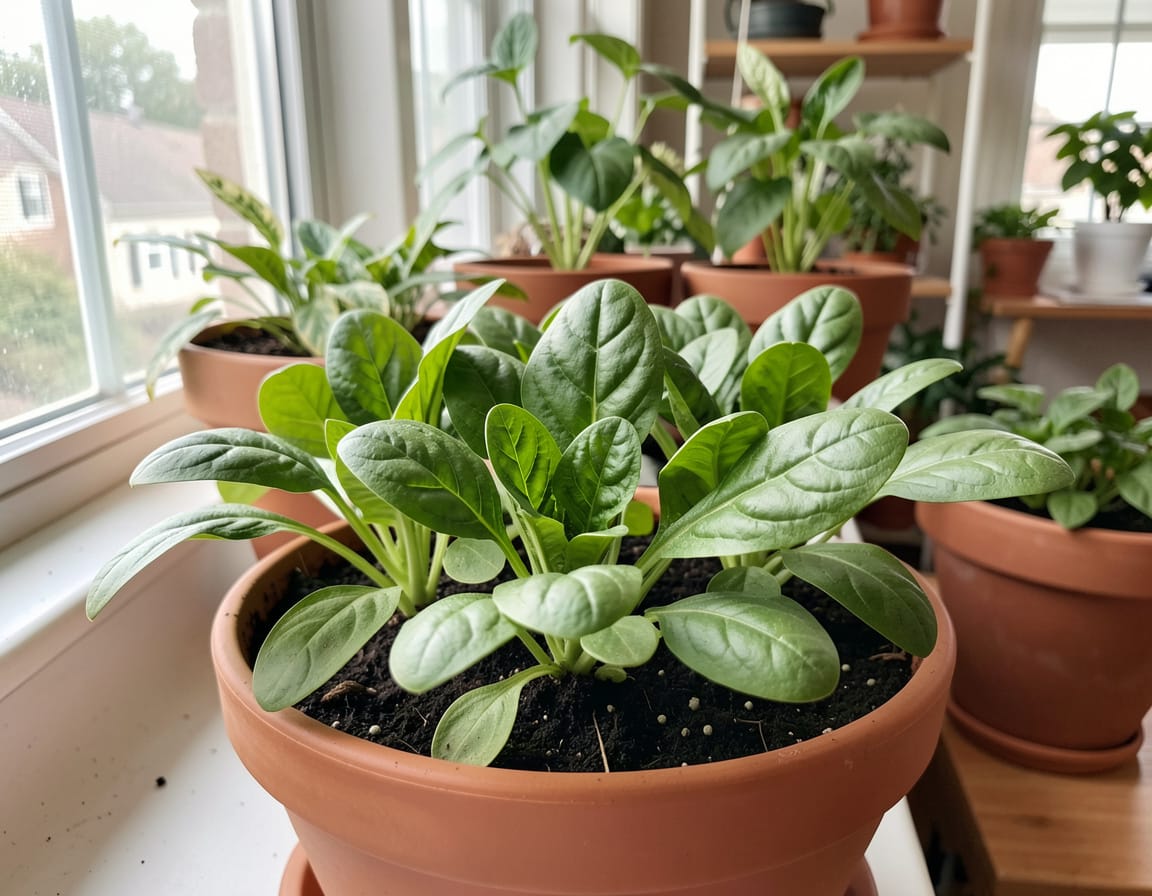
Is it possible to grow spinach indoors? In real homes across the United States, the answer is not only yes, but increasingly practical. In my experience working hands-on with homeowners and renters from small city apartments to suburban family homes indoor spinach has proven to be one of the most realistic edible plants for people who value organic home décor ideas, sustainable living, and toxin-free spaces.
Indoor spinach growing matters beyond convenience. It directly supports health and indoor air quality by reducing reliance on chemically treated produce. It contributes to mental well-being through daily, grounding plant care routines. It aligns with sustainable home design by lowering food waste and packaging. And visually, it complements natural interior decoration, offering living greenery that feels calm, useful, and authentic.
This article is built on real-world application not trends or recycled advice. You’ll learn exactly how indoor spinach behaves in everyday U.S. living spaces, how to care for it organically, and how to integrate it into your home in a way that feels both beautiful and achievable.
Why Growing Spinach Indoors Supports Healthier Living
Before discussing technique, it’s important to understand why spinach is particularly well-suited to indoor environments when compared to other edible plants.
Health & Indoor Air Quality
While spinach isn’t marketed as an air-purifying plant, living plants still influence indoor environments in meaningful ways. In real homes, indoor plants help stabilize humidity, reduce dust accumulation, and encourage better airflow habits. More importantly, growing spinach indoors allows you to avoid pesticide residues often found on store-bought leafy greens an overlooked but important health benefit.
Mental Well-Being & Stress Reduction
In my experience working with homeowners, edible plants consistently outperform decorative plants in terms of emotional benefit. Harvesting spinach leaves, observing daily growth, and maintaining simple care routines create a sense of control and calm especially for people who work indoors or live in dense urban areas.
Sustainability & Environmental Impact
Indoor spinach reduces dependence on plastic packaging and long-distance food transport. Even a small harvest contributes to lower household waste and supports eco-friendly home styling that values function and longevity over disposable décor.
A Toxin-Free, Calming Living Space
Spinach’s soft green leaves pair naturally with indoor plants and natural materials like wood, clay, and linen. Unlike artificial greenery, living spinach subtly changes over time, reinforcing a connection to natural rhythms inside the home.
Is It Possible to Grow Spinach Indoors Year-Round?
Yes with seasonal awareness and realistic expectations.
Spinach is a cool-season crop, which makes it better suited to indoor growing than many vegetables. In most U.S. homes, spinach thrives indoors from fall through spring, when indoor temperatures remain moderate and heating systems dry the air.
Ideal Indoor Conditions for Spinach
- Temperature: 55–70°F
- Light: Bright indirect sunlight or full-spectrum grow lights
- Humidity: Average household humidity (30–50%)
- Space: Shallow containers with drainage
Unlike fruiting plants, spinach doesn’t require deep soil, intense heat, or constant feeding. This makes it a practical choice for renters, beginners, and homes with limited natural light.
Everyday Organic Styling & Care Routine
One of the most common reasons indoor spinach fails is inconsistency. In real homes, success comes from simple habits that fit naturally into daily life.
Daily Care (2–5 Minutes)
- Check soil moisture with your fingertip
- Rotate containers slightly to balance light exposure
- Observe leaf color and growth direction
Weekly Care
- Water deeply once or twice per week
- Harvest outer leaves to promote continuous growth
- Wipe nearby surfaces to reduce dust and improve airflow
This routine supports both plant health and organic home décor balance, ensuring spinach remains attractive as well as productive.
What You’ll Need to Grow Spinach Indoors Organically
Below is a practical list based on setups I’ve implemented in real homes not showroom displays.
| Item | What It Is | Why It’s Used | Organic / Health Benefits | Sustainability Considerations |
| Organic Spinach Seeds | Untreated seeds | Chemical-free growth | No synthetic coatings | Supports biodiversity |
| Shallow Containers (6–8”) | Clay, ceramic, or recycled | Proper root depth | No plastic off-gassing | Long lifespan |
| Organic Potting Soil | Compost-based, peat-free | Healthy root structure | No synthetic fertilizers | Renewable inputs |
| Grow Light (Optional) | Full-spectrum LED | Consistent light | Reduces plant stress | Energy-efficient options |
| Natural Mulch | Coconut coir or straw | Moisture regulation | Mold-resistant | Biodegradable |
In my experience, investing in quality soil and containers has a greater impact than buying expensive equipment.
Deep Organic Setup or Seasonal Refresh
Initial Organic Setup
- Fill containers with organic potting soil, leaving space at the top
- Sow seeds about ½ inch deep
- Water gently and place near bright, indirect light
- Thin seedlings once true leaves appear
Seasonal Refresh Strategies
- Fall/Winter: Add grow lights and reduce watering frequency
- Spring: Increase harvesting and airflow
- Summer: Move spinach away from heat sources
Seasonal refreshes mirror natural growth cycles an important principle in organic gardening practices and sustainable home design.
Prevention & Sustainability Tips for Long-Term Success
From years of troubleshooting indoor plant issues, these habits prevent most problems:
- Avoid chemically treated or painted containers
- Skip synthetic fertilizers compost-based soil is sufficient
- Reuse soil by refreshing it with compost between plantings
- Compost trimmed stems and older leaves
These practices protect indoor air quality while reducing household waste.
Common Mistakes to Avoid (and Why They Matter)
Falling for Fake “Eco-Friendly” Claims
Many planters marketed as eco-friendly still contain synthetic liners or toxic glazes. Always verify materials before bringing them into your home.
Poor Plant Placement
Spinach placed too far from light becomes leggy, bitter, and weak.
Overwatering
Indoor spinach prefers evenly moist soil not saturation. Overwatering leads to root rot and fungal issues.
Inadequate Ventilation
Stagnant air encourages mold, especially in kitchens and bathrooms. Simple airflow adjustments make a big difference.
Each mistake undermines both plant health and the goals of natural interior decoration.
Local U.S. Home Context: Growing Spinach Indoors Anywhere
Small Apartments & Rentals
Spinach grows well on windowsills, shelves, or rolling carts no permanent changes required.
Open-Concept Homes
Using uniform containers helps spinach blend seamlessly into shared spaces.
Seasonal Climate Variations
Northern homes often benefit from grow lights in winter, while southern homes may rely on filtered sunlight year-round.
Urban vs. Suburban Living
Indoor spinach offers consistent yields without pests, weather swings, or HOA restrictions.
Extra Expert Tips from Real Homes
- Choose slow-bolting spinach varieties for longer harvests
- Plant seeds every 2–3 weeks for continuous supply
- Combine spinach with herbs for layered, functional styling
- Use neutral-toned containers to support eco-friendly home styling
These strategies balance productivity, aesthetics, and long-term sustainability.
FAQ: Real Questions from Real Homeowners
1. Is it possible to grow spinach indoors without grow lights?
Yes. Many homes provide enough bright, indirect light for healthy growth. Grow lights simply extend seasonal consistency.
2. How long does indoor spinach take to grow?
Most varieties are ready for harvest in 30–45 days.
3. Is indoor-grown spinach safe to eat?
Absolutely especially when grown organically without synthetic fertilizers or pesticides.
4. Does spinach improve indoor air quality?
Indirectly. Living plants support humidity balance and healthier indoor environments.
5. Can renters grow spinach indoors?
Yes. Spinach requires no permanent fixtures and works well in portable containers.
6. What’s the most common beginner mistake?
Overwatering combined with poor airflow both are easy to correct with small habit changes.
Conclusion: Is It Possible to Grow Spinach Indoors Successfully?
Is it possible to grow spinach indoors? Based on extensive real-world experience, it’s not only possible it’s one of the most practical and rewarding ways to combine organic home décor ideas, sustainable living, and everyday food production.
When grown using natural materials and organic methods, spinach becomes more than a houseplant. It supports healthier routines, reduces waste, and brings quiet, living beauty into daily spaces. With thoughtful setup and simple care, indoor spinach fits seamlessly into modern, toxin-free homes no backyard required.
This is indoor gardening grounded in reality: honest, manageable, and deeply satisfying for people who want their homes to feel healthier, calmer, and more connected to nature.