Every product is independently reviewed and selected by our editors. If you buy something through our links, we may earn an affiliate commission at no extra cost to you.
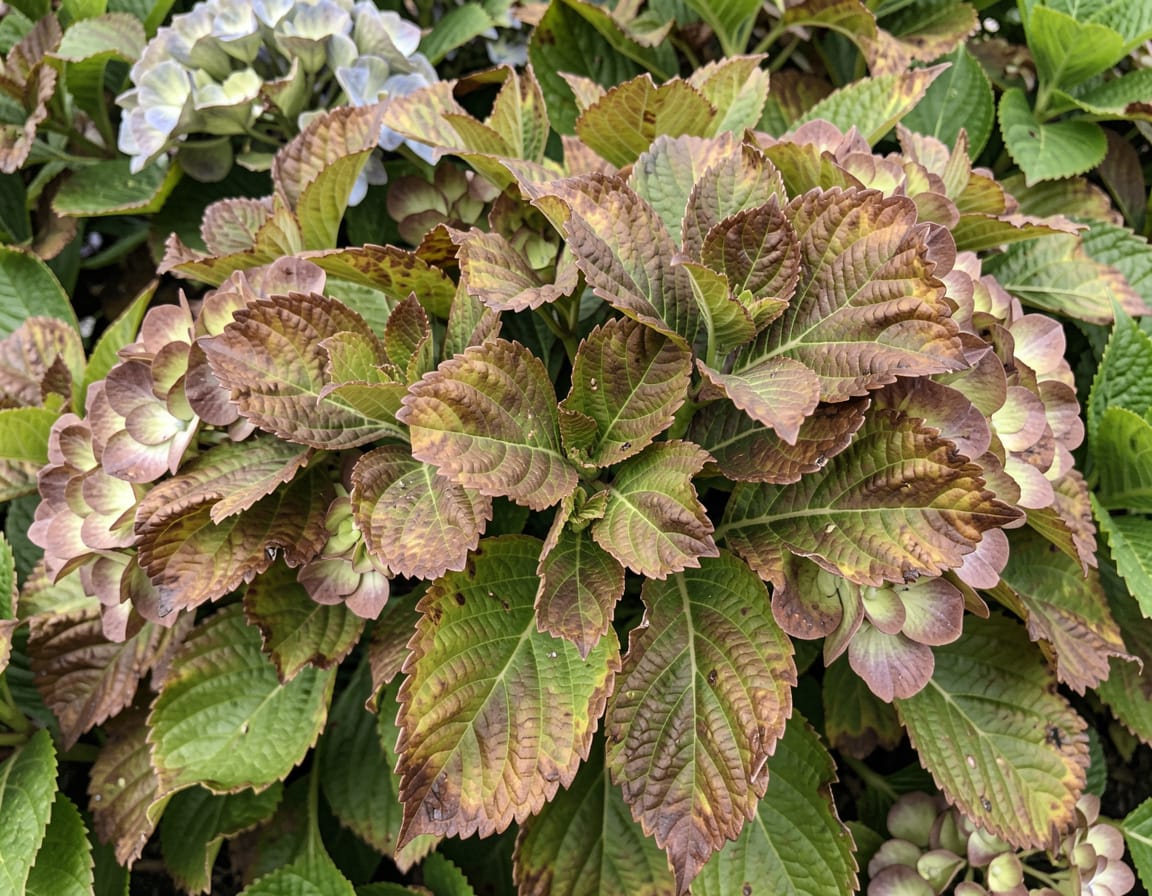
When you notice hydrangea leaves turning brown on the edges, it’s almost always a sign that the plant is stressed not dying. I’ve seen this countless times in my own garden, especially during hot spells or when a new hydrangea hasn’t settled into the soil yet. Edge browning is your plant’s early warning system, and if you respond quickly, the fix is usually simple.
Below is a practical, experience-driven guide written specifically for beginner and early‑intermediate home gardeners.
Why Hydrangea Leaves Turn Brown on the Edges
Edge browning happens when the leaf tips dry out faster than the plant can replace moisture. Hydrangeas are shallow-rooted, moisture-sensitive shrubs, so any fluctuation (too hot, too dry, too windy, too much sun, or uneven watering) shows up on the leaf edges first.
Most common reasons: • Heat or sunburn • Underwatering or inconsistent watering • Low humidity or excessive wind • High mineral/salt buildup in soil (common in pots) • Root stress after planting or repotting • Fertilizer burn • Mild fungal issues
This guide walks through each fix step-by-step.
Why These Fixes Work
Hydrangeas regulate moisture mainly through their large, thin leaves. Because they transpire heavily, anything that disrupts water uptake dry soil, excessive sunlight, root damage causes the leaf margins to dry out first.
Correcting soil moisture, light exposure, and root environment quickly restores healthy growth.
In my experience, once conditions stabilize, new leaves grow clean and green within 2–3 weeks.
What You’ll Need
• Watering can or hose with gentle spray • Organic compost • Mulch (shredded leaves, pine bark, composted wood chips) • pH-neutral potting soil if repotting • Pruning shears • Optional: shade cloth for hot areas • Optional: rainwater (reduces salt/buildup in pots)
Budget-friendly alternatives: • Homemade leaf mulch • Use rainwater collected in a bucket • Simple compost + perlite mix works well for pots
Step-by-Step Guide to Fix Brown Leaf Edges on Hydrangeas
1. Check soil moisture (the #1 cause)
Hydrangeas hate “wet-dry-wet-dry” cycles.
How soil should feel: • Damp like a wrung-out sponge • Never bone-dry • Never muddy or swampy
Fix: • If dry → water deeply until water reaches the root ball. • If soggy → hold off watering and improve drainage (see step 3).
In my garden, a single deep watering every few days works better than daily light watering.
2. Protect from harsh afternoon sun
Hydrangeas tolerate morning sun but often burn in afternoon heat.
Signs of sunburn: • Brown, crispy edges on the sun-facing side • Drooping during midday • Soil drying quickly
Fix: • Move potted hydrangeas to morning sun + afternoon shade. • For in-ground plants, add temporary shade cloth during heatwaves.
Even a few hours of harsh afternoon light can scorch leaves in summer.
3. Improve soil drainage
Compacted soil or poor drainage suffocates roots and leads to brown edges.
Fix for in-ground plants: • Loosen top 1–2 inches of soil gently. • Add 1–2 inches of compost around the dripline.
Fix for containers: • Ensure drainage holes are open. • Add 20–30% perlite or pine bark fines during the next repotting.
Hydrangea roots are surprisingly shallow good top-layer drainage is crucial.
4. Add mulch to stabilize soil moisture
Mulching is one of the main things that stopped edge browning in my own hydrangeas.
Use: • Shredded leaves • Pine bark • Compost
Apply a 2–3 inch layer, but keep it 2 inches away from the stem.
Mulch prevents moisture swings and protects roots from temperature stress.
5. Check for fertilizer burn or mineral buildup
Too much fertilizer—especially high-nitrogen types—can burn leaf edges.
Signs: • Brown, crispy tips • Leaves curl slightly • Browning appears after fertilizing
Fix: • Flush soil with clean water to dilute salts. • Switch to a gentle, slow-release, organic fertilizer.
If you use tap water in pots, mineral salts can accumulate. Rainwater is much gentler for hydrangeas.
6. Improve humidity and airflow
Hydrangeas dry out faster in windy balconies, terraces, and rooftops.
Fix: • Move pots closer together to create a microclimate. • Keep plants out of strong, direct wind. • Water early morning so the plant starts the day fully hydrated.
7. Remove badly damaged leaves
Snip off crispy, fully brown leaves. Partially browned leaves can stay they still photosynthesize.
Removing damaged leaves helps the plant redirect energy to new growth.
Pro Tips & Best Practices (Based on Hands-On Experience)
• Hydrangeas wilt easily but recover quickly once soil moisture is corrected. • Container hydrangeas are far more prone to brown edges than in-ground ones. • Brown edges are often the first sign of stress catching it early prevents leaf drop. • Overwatering and underwatering look similar; always check soil moisture before reacting. • Leach potted hydrangeas every few months to prevent salt buildup.
Common beginner mistakes: • Watering lightly every day instead of deeply • Leaving hydrangeas in full afternoon sun • Overfertilizing to “fix” brown edges • Planting too close to walls where sun reflects heat
FAQ:
Why are my hydrangea leaves turning brown on the edges but not falling off?
This usually means mild stress often sunburn, drought, or minor root stress. The plant can still recover easily.
Is edge browning a sign of disease?
Usually no. Diseases typically cause spots, not clean edge burn.
Should I cut off the brown edges?
No need, unless the entire leaf is dry. Partial browning doesn’t harm the plant.
Do hydrangeas get brown edges when repotted?
Yes, especially in the first week. It’s part of transplant shock and resolves with consistent watering.
Can too much sun cause only edge browning?
Absolutely. Light sunburn commonly starts at the margins.
How long until new healthy leaves appear?
2–4 weeks in warm weather.
When NOT to Use These Fixes
Avoid heavy watering or mulching if: • The soil already stays wet for days • You’re in a cool, damp climate • Leaves also show dark brown spots (could be fungal)
In these cases, focus on airflow and fungal prevention rather than moisture.
Alternative Solutions If Browning Continues
Relocate the plant
Hydrangeas often stop browning immediately when moved to better light conditions.
Repot with fresh soil
If the soil is compacted or salty, fresh mix works wonders.
Use shade cloth during peak heat
Even 30% shade can prevent browning during summer.
Conclusion: Hydrangea Leaves Turning Brown on the Edges Are Fixable
When you see hydrangea leaves turning brown on edges, it almost always means the plant is stressed by sun, heat, or uneven watering not dying. With steadier watering, gentle morning light, and well-drained, mulched soil, hydrangeas bounce back quickly.
In my own garden, consistent moisture + partial shade has been the most reliable fix.