Every product is independently reviewed and selected by our editors. If you buy something through our links, we may earn an affiliate commission at no extra cost to you.
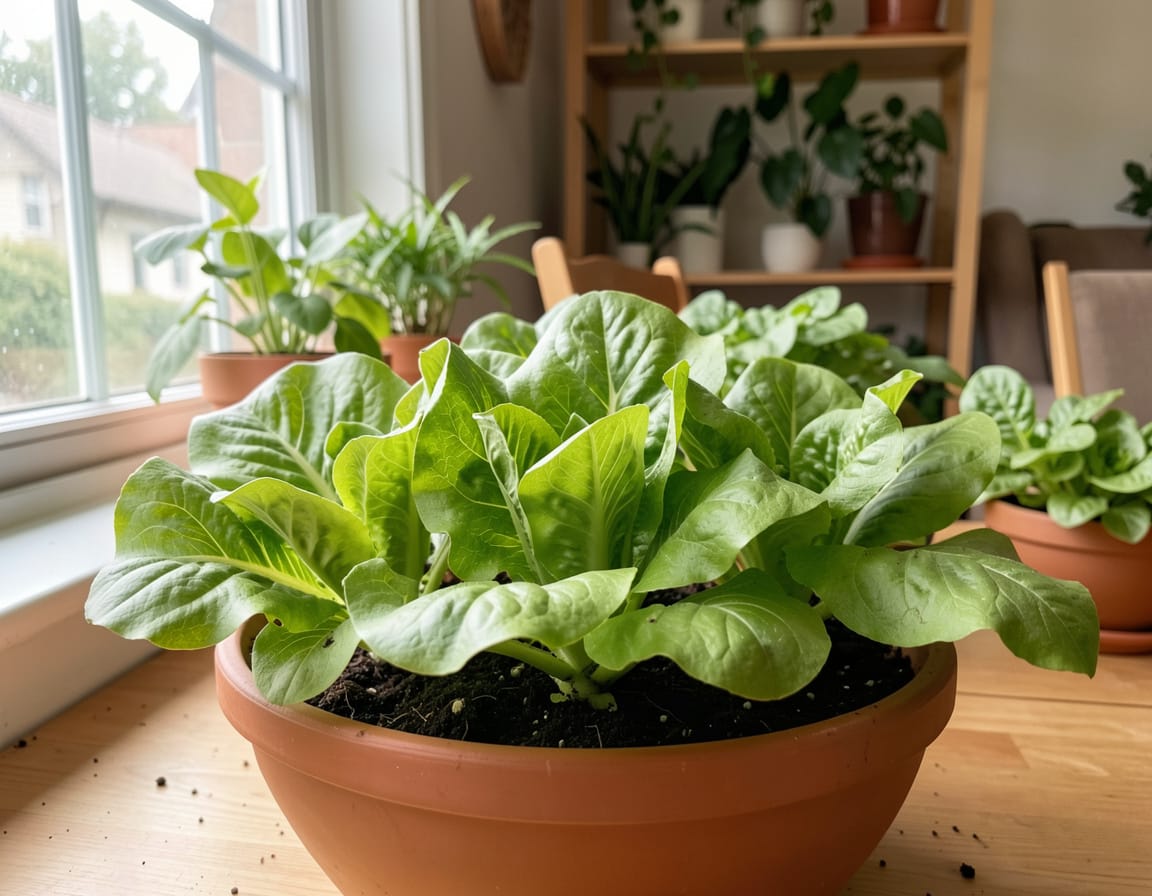
Growing fresh food inside your home is one of the most practical ways to combine organic home décor, wellness, and sustainable living. Learning how to plant lettuce at home indoors isn’t just about harvesting greens it’s about creating a calm, toxin-free environment that supports your health, mental well-being, and connection to nature.
In my experience working with U.S. homeowners and renters, indoor lettuce is one of the easiest and most rewarding edible plants. It improves indoor air quality, adds living texture to your space, and supports eco-friendly home styling without major costs or renovations. Whether you live in a small apartment or a suburban home, indoor lettuce fits seamlessly into natural interior decoration and sustainable home design.
Why Learning How to Plant Lettuce at Home Indoors Matters
Health & Indoor Air Quality
Lettuce grown indoors allows you to avoid pesticide residues often found in store-bought greens. In real homes, I’ve seen families dramatically reduce exposure to synthetic chemicals simply by growing a few pots of lettuce near the kitchen window. Living plants also contribute to better humidity balance and fresher indoor air.
Mental Well-Being & Stress Reduction
Tending lettuce is calming. Many clients tell me watering and harvesting their indoor greens becomes a grounding daily ritual. This aligns perfectly with organic home décor principles—bringing nature indoors in a way that’s functional, not decorative clutter.
Sustainability & Environmental Impact
Indoor lettuce reduces plastic packaging, food miles, and grocery waste. It’s a small but meaningful step toward sustainable home design and conscious consumption.
A Toxin-Free, Calming Living Space
Using untreated containers, organic soil, and natural light supports a non-toxic living environment. Lettuce integrates beautifully with indoor plants and natural materials, reinforcing a healthy, cohesive home aesthetic.
Everyday Organic Styling & Care Routine for Indoor Lettuce
Once you understand how to plant lettuce at home indoors, maintenance becomes simple. The key is consistency, not complexity.
Daily Habits (5 minutes)
- Check soil moisture with your finger
- Observe leaf color and posture
- Rotate containers slightly for even light exposure
Weekly Habits
- Trim outer leaves to encourage new growth
- Wipe dust from nearby surfaces to improve light access
- Inspect for signs of stress (wilting, pale leaves)
In real homes, I always recommend pairing lettuce care with an existing habit like making morning coffee. This keeps plant care effortless and sustainable long-term.
What You’ll Need to Plant Lettuce Indoors (Organic & Sustainable Choices)
Choosing the right materials makes the biggest difference between struggling plants and steady harvests.
Essential Supplies Explained
| Item | What It Is | Why It’s Used | Organic / Health Benefits | Sustainability Considerations |
| Lettuce Seeds | Loose-leaf or butterhead varieties | Best suited for indoor growth | No chemical coatings | Choose open-pollinated or organic seeds |
| Containers | Pots, trays, or repurposed bowls | Root space and drainage | Avoid plastic toxins | Use ceramic, terracotta, or recycled materials |
| Organic Potting Mix | Soil blend without synthetic additives | Supports root health | No chemical fertilizers | Peat-free mixes reduce environmental harm |
| Drainage Tray | Collects excess water | Prevents root rot | Reduces mold risk | Reusable metal or ceramic trays |
| Natural Light or Grow Light | Sunlight or LED grow lamp | Photosynthesis | Supports strong growth | Energy-efficient LEDs reduce electricity use |
| Watering Can | Gentle watering | Prevents soil disturbance | Avoids overwatering | Stainless steel or recycled plastic |
From professional experience, investing in good soil matters more than fancy containers. Healthy roots mean healthier homes.
How to Plant Lettuce at Home Indoors: Step-by-Step Organic Method
This is the method I’ve used successfully in apartments, condos, and rental homes across the U.S.
Step 1: Choose the Right Lettuce Variety
Loose-leaf lettuce (like oak leaf or red leaf) performs best indoors. It doesn’t require deep roots and allows continuous harvesting.
Step 2: Prepare Containers
Ensure containers have drainage holes. If drilling isn’t allowed in rentals, layer small pebbles at the bottom and water carefully.
Step 3: Fill with Organic Soil
Leave about one inch at the top. Lightly moisten the soil before planting.
Step 4: Sow Seeds Properly
Sprinkle seeds thinly across the surface. Lettuce needs light to germinate—do not bury deeply. Gently press seeds into the soil.
Step 5: Water Gently
Use a spray bottle or fine spout. Soil should be damp, not soaked.
Step 6: Place in Bright, Indirect Light
South- or west-facing windows are ideal. If light is limited, use a simple LED grow light for 10–12 hours daily.
In my experience, most failures happen because of overwatering, not lack of light.
Deep Organic Setup or Seasonal Refresh for Indoor Lettuce
Indoor lettuce benefits from periodic refreshes, especially as seasons change.
Seasonal Adjustments
- Winter: Move plants closer to windows; supplement with grow lights
- Summer: Protect from harsh direct sun to prevent bitterness
- Spring/Fall: Ideal natural growth periods minimal intervention needed
Refreshing Soil & Layout
Every 6–8 weeks:
- Replace top layer of soil with fresh organic mix
- Rearrange plants for balanced light
- Compost old soil outdoors if possible
This practice supports long-term plant health and aligns with eco-friendly home styling nothing goes to waste.
Prevention & Sustainability Tips for Long-Term Success
Avoid Synthetic Décor & Materials
Many “modern” planters are coated with chemical finishes. Choose raw clay, wood, or ceramic to keep your indoor environment clean.
Prevent Plant Stress
- Maintain consistent watering
- Avoid temperature extremes near vents
- Provide airflow without drafts
Reduce Waste
- Harvest only what you need
- Compost trimmings
- Reuse containers creatively
Maintain Organic Beauty
Healthy lettuce looks vibrant and intentional not messy. This supports a polished yet natural interior decoration style.
Common Mistakes to Avoid When Growing Indoor Lettuce
Falling for Fake “Eco-Friendly” Claims
Green-labeled products aren’t always non-toxic. I’ve seen indoor plants fail due to chemically treated soils marketed as “natural.”
Poor Lighting Choices
Low light leads to leggy, bitter leaves. If your home lacks sunlight, a grow light is not optional it’s essential.
Overwatering & Poor Ventilation
Constantly wet soil suffocates roots and invites mold, which can harm indoor air quality.
Unsustainable Materials
Avoid disposable plastic trays and treated wood. These contradict organic gardening principles and degrade over time.
Local U.S. Home Context: Making Indoor Lettuce Work Anywhere
Small Apartments & Rentals
Use narrow windowsills, wall-mounted shelves (with permission), or rolling carts.
Open-Concept Homes
Group lettuce with other indoor plants for visual balance and humidity control.
Seasonal Climate Variations
Cold winters and hot summers make indoor lettuce more reliable than outdoor gardens in many U.S. regions.
Urban vs Suburban Homes
Urban growers rely more on artificial light; suburban homes often benefit from larger windows and sunrooms.
Limited Natural Light
I’ve helped many renters succeed with a single shelf and one LED grow light simple and effective.
Extra Expert Tips from Real-World Experience
- Budget Upgrade: Repurpose ceramic bowls as planters just add drainage carefully
- Low-Maintenance Strategy: Grow multiple small batches instead of one large container
- Taste Improvement: Harvest in the morning for sweeter leaves
- Long-Term Hack: Stagger planting every 10 days for continuous harvest
- Design Tip: Pair lettuce with neutral textures like linen, wood, or stone for cohesive organic décor
These small refinements make indoor gardening feel intentional, not like a hobby gone wild.
FAQ: Indoor Lettuce & Organic Home Living
1. Is learning how to plant lettuce at home indoors suitable for beginners?
Absolutely. Lettuce is one of the most forgiving indoor crops and ideal for first-time growers.
2. How long does indoor lettuce take to grow?
Most varieties are ready for harvest in 30–45 days, with baby leaves available sooner.
3. Can indoor lettuce grow without direct sunlight?
Yes, but it requires a quality LED grow light for consistent results.
4. Is indoor lettuce safe for homes with pets or children?
Yes, lettuce is non-toxic and safe, making it ideal for family homes.
5. Do I need fertilizer for indoor lettuce?
High-quality organic soil usually provides enough nutrients. Light compost tea can help if growth slows.
6. How do I prevent bitterness in indoor lettuce?
Avoid heat stress, harvest young leaves, and maintain consistent watering.
Conclusion
Understanding how to plant lettuce at home indoors goes beyond gardening it’s about building a healthier relationship with your living space. In real homes, indoor lettuce supports cleaner air, reduced stress, sustainable habits, and a calmer aesthetic rooted in nature.
From small apartments to open-concept houses, indoor lettuce proves that sustainable home design doesn’t require perfection just mindful choices. With organic materials, simple routines, and thoughtful placement, you can grow fresh food while enhancing your home’s natural beauty.
This is organic living at its best: practical, affordable, and deeply satisfying.