Every product is independently reviewed and selected by our editors. If you buy something through our links, we may earn an affiliate commission at no extra cost to you.
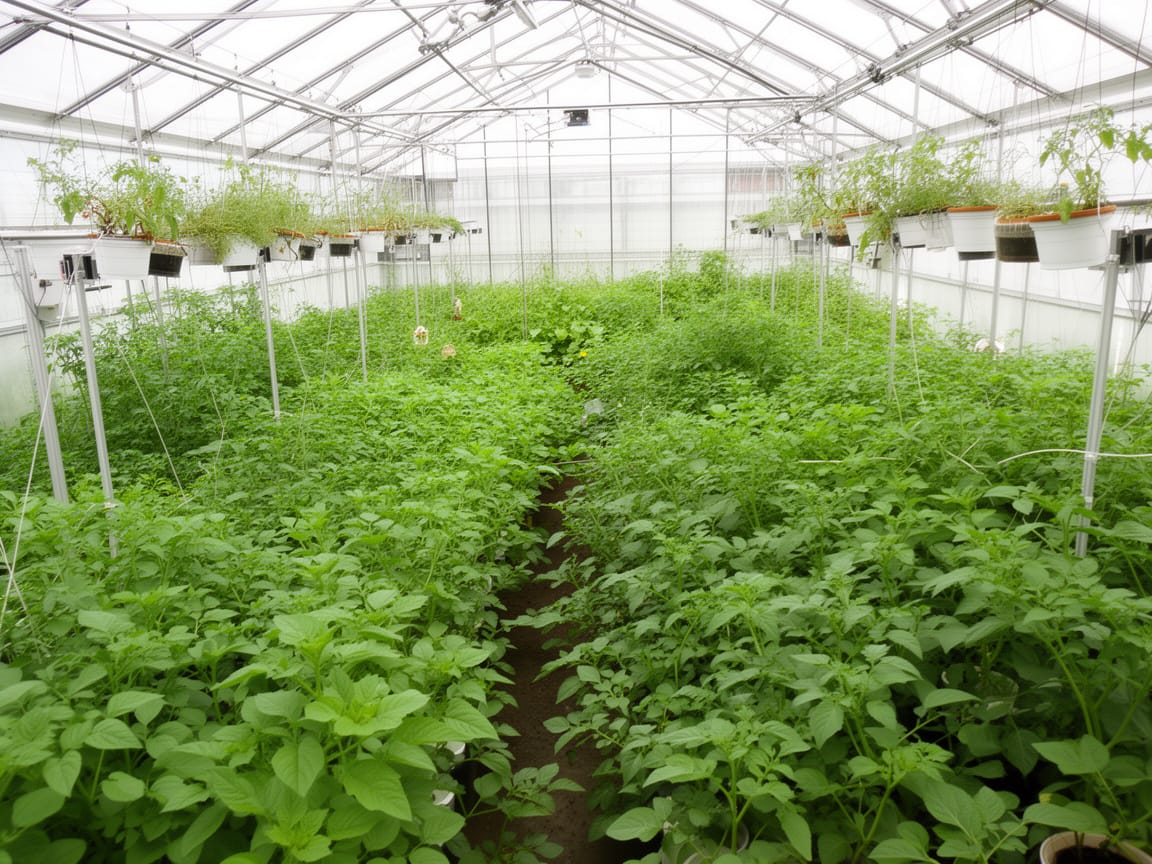
Making the most of every inch in your greenhouse can dramatically increase plant productivity and variety. How to maximize growing space in a greenhouse? This is a common challenge for gardeners working with limited space but big growing goals. Smart planning, vertical growing techniques, and efficient layouts allow you to grow more plants without overcrowding or reducing airflow. From using shelves and hanging planters to organizing crops by growth habits, small changes can lead to impressive results. In this guide, you’ll learn practical and easy strategies to maximize growing space in a greenhouse while keeping plants healthy, organized, and thriving all season long.
How to Maximize Growing Space in a Small Greenhouse
Maximizing growing space in a small greenhouse requires smart planning and creative design. Use vertical shelving, hanging planters, and tiered benches to grow more plants without crowding. Choose compact varieties, rotate crops seasonally, and maintain airflow to keep your greenhouse productive and healthy year-round.
Below is the method I use in real residential greenhouses to make limited space highly productive year-round.
1. Plan Around Purpose Not Just Size
Before adding shelves or benches, decide what you want from the greenhouse:
| Primary Goal | Key Design Focus | Example Setup |
| Seed starting | Benching, bottom heat, overhead light | Two-tier benches with removable trays |
| Year-round vegetables | Vertical trellising, deep beds | Narrow raised beds + overhead supports |
| Tropical or ornamental plants | Height, humidity, circulation | Staged shelving; hanging pots; misting fan |
| Overwintering tender plants | Open floor; easy access | Movable benches; rolling carts |
A greenhouse designed for one main purpose is always easier to manage organically.
2. Think in Three Dimensions Go Vertical
In nearly every small greenhouse I’ve installed or redesigned, vertical strategy made the biggest difference.
Use Multi-Tier Benches
- Build or buy two- or three-tier benches made from metal or untreated cedar.
- Keep lower tiers for seedlings or shade-tolerant plants; upper tiers for sun-lovers like tomatoes or peppers.
- Leave 6–8 inches of clearance between shelf layers for airflow.
Add Hanging and Wall Systems
- Secure ceiling hooks into structural braces to hold hanging baskets of herbs, strawberries, or trailing ornamentals.
- Mount wire grids or trellis panels to side walls for climbing crops like cucumbers or beans.
Safety tip: Always confirm the frame can handle the extra load when wet I’ve seen frames bow when too many heavy pots were hung from lightweight aluminum rafters.
3. Design Compact Walkways
Don’t waste interior space with wide paths.
- 18 inches is enough for one person with a watering can.
- Use raised bricks, gravel, or recycled rubber mats for footing that drains well.
- Keep pathways slightly lower than bed level to improve headspace for plants.
4. Use Modular, Movable Elements
Flexibility is critical in small greenhouses:
- Folding or removable shelves can be taken out in summer for tall crops, then replaced for winter seedlings.
- Rolling plant carts serve as mobile seed stations or can move tender plants in and out seasonally.
- Stackable trays help start dozens of plants in a single footprint.
5. Maximize Light Access
Light equals growth especially in northern U.S. regions.
- Place taller plants on the north side, shorter ones toward the south to prevent shading.
- Clean glazing panels regularly; even a thin film of dust can cut light by 10–15%.
- Add white or reflective surfaces (painted wood, mylar, or reflective insulation board) to bounce light back into lower tiers.
Avoid mirrors or aluminum foil they create glare and uneven heating.
6. Create Temperature & Humidity Zones
Even small greenhouses naturally have microclimates. Use them.
| Zone | Typical Area | Ideal Crops |
| Warm center | Near heater or compost bin | Tomatoes, peppers, basil |
| Cool edges | Near vents or doors | Lettuce, spinach, kale |
| Upper shelves | Warmest air pocket | Herbs, propagation trays |
| Shaded corners | Under benches | Cuttings, ferns, small ornamentals |
A small fan set on a timer keeps these zones consistent and prevents fungus or damping-off.
7. Choose Efficient Containers and Layouts
Uniform Tray Systems
Use standard 10×20 nursery trays or propagation flats so they stack and move easily.
Deep Over Wide
Tall, narrow pots allow strong root growth with less floor space.
Vertical Towers
Soil or hydroponic grow towers let you raise 20–30 leafy plants in the footprint of one pot. I’ve installed them along back walls where light remains strong but floor space is tight.
8. Layer Beds Intelligently
For gardeners who prefer in-ground or raised-bed systems:
- Keep beds no wider than 3 feet, so you can reach the middle without stepping in.
- Stagger heights: greens in front, medium crops in the middle, tall climbers at the back.
- Add removable seedling shelves above beds in spring; remove them in summer when plants reach full height.
This “stacked canopy” mimics forest layering and captures more light per square foot.
9. Integrate Storage Into the Structure
Every tool left on a bench steals valuable growing area.
- Mount pegboards or vertical racks for pruners, trowels, and gloves.
- Store soil and amendments in tightly sealed bins under benches.
- Keep hoses and watering cans off the floor hang them on side hooks.
An organized greenhouse always yields more usable space.
10. Adjust Layout by Season
Your layout should evolve:
| Season | Main Focus | Layout Tweak |
| Spring | Seed starting | Add stacked trays and heat mats |
| Summer | Production | Open floor, trellises for tall crops |
| Fall | Transition | Clear space for storage or cuttings |
| Winter | Maintenance | Compact plants, use insulation panels |
Taking seasonal photos helps you refine and remember which setups worked best.
11. Mind Airflow and Health
An overcrowded greenhouse invites mildew and aphids.
- Space pots to allow at least one inch of air gap between foliage.
- Use clip-on fans to circulate air gently over multiple layers.
- Ventilate daily when temperatures rise above 80°F even in winter using roof vents or propped doors.
Healthy plants grow faster and denser, effectively increasing productivity per square foot.
12. Choose Compact, Productive Varieties
When space is limited, genetics matter.
- Dwarf tomatoes: “Tiny Tim,” “Patio,” “Micro-Tom.”
- Compact cucumbers: “Spacemaster,” “Bush Champion.”
- Miniature peppers: “Lunchbox,” “Gypsy.”
- Herbs: Choose upright forms of rosemary, thyme, basil.
These cultivars deliver heavy yields in less vertical and horizontal space.
13. Reflect Heat and Recycle Energy
- Install thermal curtains that close at night to retain warmth.
- Position water barrels or stone slabs to absorb heat by day and release it after sunset.
- Use bubble wrap insulation on the north wall during cold months.
These passive strategies reduce energy use and stabilize temperature zones.
14. Maintain Cleanliness for Efficiency
A tidy greenhouse grows more in less space:
- Sweep floors weekly to remove fallen leaves and algae.
- Disinfect trays and pots between crops with diluted vinegar or hydrogen peroxide solution.
- Remove any plant that shows mold or pest damage immediately.
A single infested tray can compromise dozens of others when space is tight.
15. Example Layout for a 6×8 Backyard Greenhouse
| Area | Setup | Function |
| North wall | Vertical trellis + reflective board | Tomatoes, cucumbers, beans |
| South wall | Two-tier shelf | Herbs, lettuce, seedlings |
| Center path | 18-inch walkway | Access for watering |
| Ceiling | Hanging baskets | Strawberries, trailing herbs |
| Under benches | Storage bins | Soil, tools, watering cans |
This compact layout supports 50–70 plants year-round with balanced airflow.
Final Takeaway
To maximize growing space in a greenhouse, think vertically, plan by function, and keep airflow, light, and maintenance in balance. Every successful greenhouse I’ve built follows three principles:
- Structure follows purpose design around what you grow.
- Use height wisely make every cubic foot count.
- Stay adaptable adjust with the seasons and your crops’ needs.
Efficient doesn’t mean crowded healthy spacing and good organization nearly always outproduce overpacked setups in the long run.