Every product is independently reviewed and selected by our editors. If you buy something through our links, we may earn an affiliate commission at no extra cost to you.
Growing food indoors isn’t just a trend it’s a practical, grounding way to create a healthier, more intentional living space. In my experience working with U.S. homeowners and renters, learning how to grow peppers from a pepper indoors is one of the most rewarding entry points into organic indoor gardening. It combines sustainability, natural home décor, and everyday usefulness in a way few houseplants can.
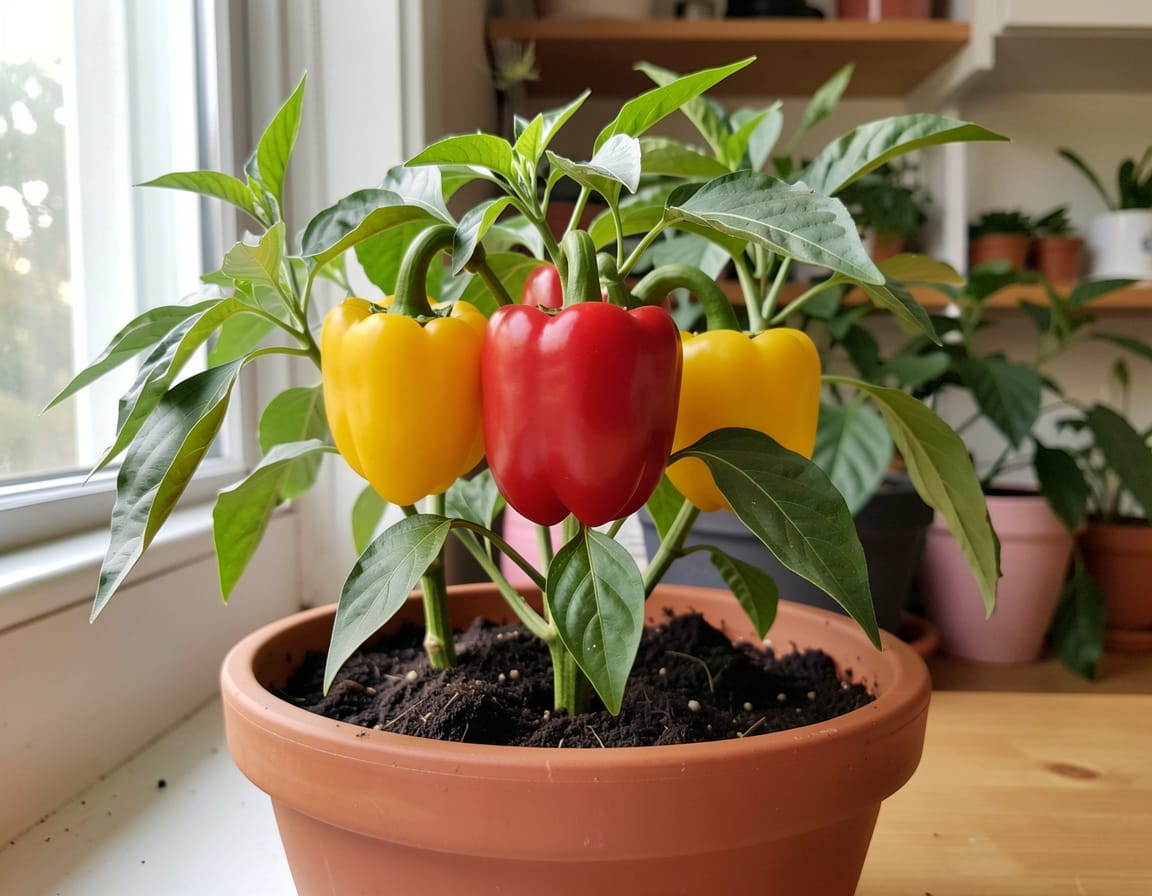
When done correctly, indoor pepper growing improves indoor air quality, reduces reliance on store-bought produce wrapped in plastic, and brings a sense of calm and purpose into your home. A fruiting pepper plant whether it’s a bell pepper, jalapeño, or chili adds vibrant color and life, fitting beautifully into natural interior decoration and eco-friendly home styling.
This guide is written from real-world, hands-on experience. No shortcuts, no vague inspiration just clear, practical steps that work in real American homes, from small apartments to suburban kitchens.
Everyday Organic Styling & Care Routine
Growing peppers indoors is not a “set it and forget it” project, but it doesn’t require daily fussing either. A simple, consistent care routine keeps plants healthy and your home looking intentional rather than cluttered.
Daily habits
- Check light exposure pepper plants thrive near bright, south-facing windows
- Rotate pots slightly to ensure even growth
- Observe leaves for early signs of stress (curling, yellowing)
Weekly habits
- Water deeply but only when the top inch of soil is dry
- Wipe dust from leaves using a damp cotton cloth (this improves photosynthesis and air quality)
- Open windows briefly, weather permitting, to improve airflow
In real homes, these small routines also support sustainable home design by reducing plant loss, waste, and unnecessary replacements.
What You’ll Need to Grow Peppers Indoors (Organically)
Starting peppers from a pepper itself is simple, but materials matter especially if you care about non-toxic living.
Essential Supplies Explained
| Item | What It Is | Why It’s Used | Organic / Health Benefits | Sustainability Considerations |
| Fresh organic pepper | Fully ripe grocery or garden pepper | Source of viable seeds | No chemical seed coatings | Reduces need for packaged seeds |
| Organic potting soil | Peat-free, compost-rich soil | Supports root health | Free from synthetic fertilizers | Choose renewable, peat-free blends |
| Small containers | Clay or recycled pots | Seed starting | Breathable and non-toxic | Reuse or thrifted pots preferred |
| Natural light or grow light | Sunlight or full-spectrum LED | Essential for fruiting | Avoids chemical growth boosters | Energy-efficient LEDs save power |
| Spray bottle | Gentle watering | Prevents soil disturbance | Reduces mold and overwatering | Reusable, plastic-free options exist |
From an organic home décor perspective, unglazed terracotta pots pair beautifully with wood, linen, and other natural materials commonly used in eco-friendly home styling.
How to Grow Peppers From a Pepper Indoors: Step-by-Step
This is where most online advice becomes vague. Here’s the process I actually use when helping clients integrate edible plants into their homes.
Step 1: Choose the Right Pepper
Use a fully ripe pepper red, yellow, or orange varieties work best. Green peppers are often underripe and less reliable.
Step 2: Harvest and Dry the Seeds
- Slice open the pepper
- Gently remove seeds
- Lay them on a paper towel for 3–5 days to dry
Drying prevents rot and improves germination something many guides overlook.
Step 3: Planting the Seeds
- Fill containers with lightly moistened organic soil
- Plant seeds ¼ inch deep
- Cover loosely and mist
Step 4: Germination Environment
- Place in a warm spot (70–80°F)
- Cover loosely with a breathable dome or cloth
- Expect sprouts in 7–21 days
Step 5: Light and Growth
Once sprouted, move seedlings to bright light immediately. Insufficient light leads to leggy, weak plants a common indoor gardening frustration.
Deep Organic Setup or Seasonal Refresh
Indoor pepper plants benefit from occasional reorganization, especially as seasons change.
Seasonal refresh ideas:
- Move plants closer to windows during winter
- Add reflective surfaces (light-colored walls or trays)
- Refresh topsoil with compost in spring
In open-concept homes, I often recommend grouping pepper plants with other indoor plants and natural materials to create a cohesive organic décor zone rather than scattering pots randomly.
Prevention & Sustainability Tips
Healthy plants start with prevention.
- Avoid chemically treated soils or glossy decorative pots
- Use compost tea or diluted worm castings instead of synthetic fertilizers
- Repurpose kitchen scraps into compost where possible
Sustainable gardening is about long-term thinking. In my professional experience, households that adopt these habits waste less, spend less, and enjoy better plant success.
Common Mistakes to Avoid
1. Believing Any Pepper Will Fruit Indoors
Some varieties need intense light. Smaller peppers like chili or jalapeño are more reliable indoors.
2. Overwatering
This is the #1 killer of indoor pepper plants. Roots need oxygen as much as water.
3. Falling for “Eco-Friendly” Marketing
Bamboo labels and green packaging don’t guarantee non-toxic materials. Always check finishes and treatments.
4. Ignoring Air Circulation
Stagnant air encourages pests and disease especially in apartments.
Local U.S. Home Context
In American apartments with limited window space, compact pepper varieties work best. Renters can grow peppers without permanent changes by using portable grow lights and lightweight containers.
Urban balconies can extend the growing season, while suburban homes benefit from rotating indoor and outdoor placement during warmer months.
Seasonal climate shifts especially winter heating require extra humidity attention indoors.
Extra Expert Tips From Real Homes
- Use rolling plant stands to chase sunlight throughout the day
- Pair pepper plants with herbs for a functional kitchen display
- Choose fabric or cork pot mats instead of plastic saucers
- Start two plants per household to ensure at least one fruits well
Budget-friendly tip: Thrifted ceramic bowls with drainage holes added make beautiful, sustainable planters.
FAQ: Growing Peppers Indoors
Can you really learn how to grow peppers from a pepper indoors?
Yes. In my experience, using seeds from organic, ripe peppers is reliable when proper light and warmth are provided.
How long does it take for indoor peppers to produce fruit?
Typically 90–150 days from planting, depending on variety and light quality.
Do pepper plants improve indoor air quality?
While not air purifiers, healthy plants contribute to humidity balance and psychological well-being.
What’s the best light for indoor peppers?
Bright, direct sunlight or a full-spectrum LED grow light for 12–14 hours daily.
Are indoor peppers safe around pets?
Pepper plants are generally safe, but spicy varieties can irritate pets if chewed.
Conclusion: Why Growing Peppers Indoors Is Worth It
Learning how to grow peppers from a pepper indoors goes beyond gardening. It’s a meaningful step toward sustainable home design, toxin-free living, and a deeper connection to what you consume. In real homes, these plants become living décor functional, beautiful, and deeply satisfying.
With thoughtful care, organic materials, and realistic expectations, indoor pepper growing is not only achievable it’s transformative. Whether you live in a studio apartment or a family home, this simple practice brings nature, nourishment, and calm directly into your everyday space.