Every product is independently reviewed and selected by our editors. If you buy something through our links, we may earn an affiliate commission at no extra cost to you.
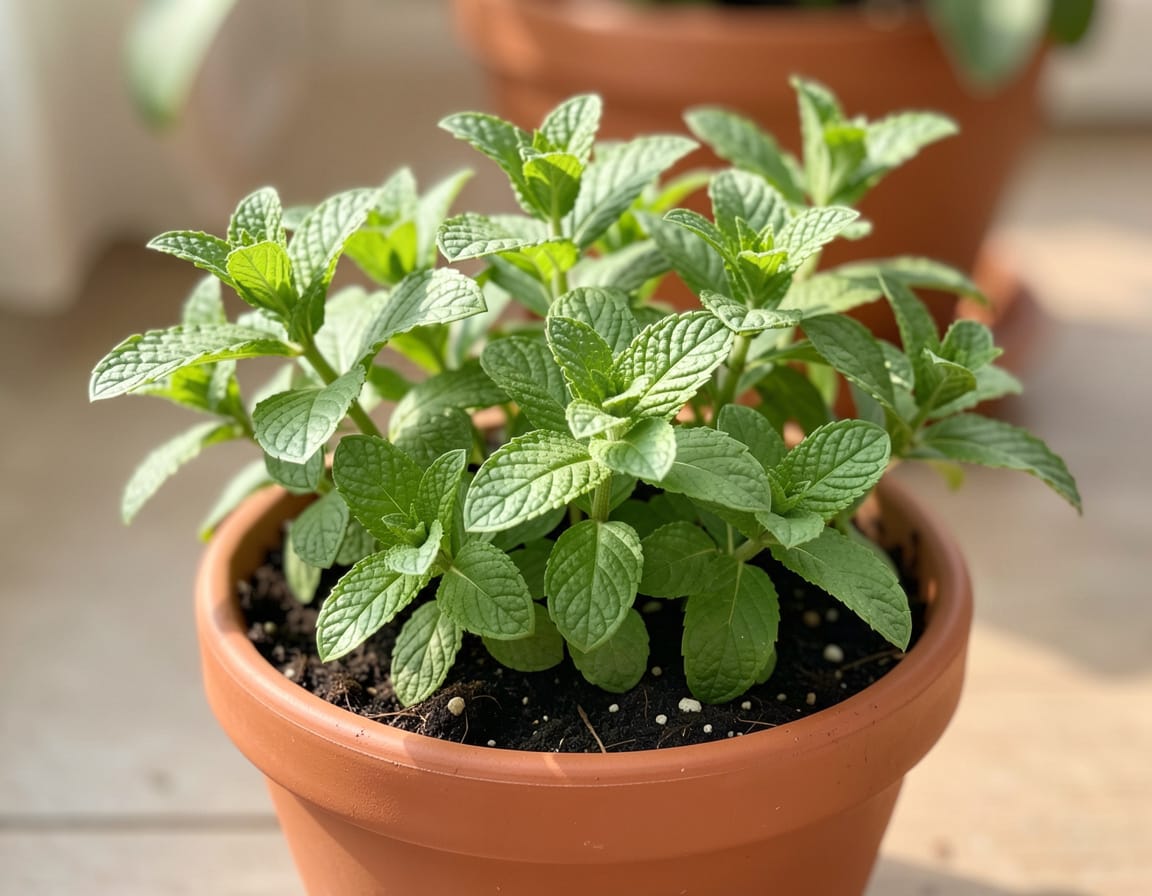
Growing mint plants indoors is one of the easiest and most rewarding ways to bring fresh, fragrant greenery into your home. As a sustainable home decoration and organic gardening consultant, I’ve helped many U.S. homeowners and renters set up thriving indoor herb gardens and mint is often the first success story. With the right setup, you can enjoy year-round mint for cooking, tea, and natural air purification, even in a small apartment kitchen or shaded living room window.
Why Growing Mint Plants Indoors Matters
Mint plants are more than just a culinary herb. When grown indoors organically, they contribute to:
- Healthier air quality: Mint leaves release subtle essential oils that can help neutralize odors and refresh stagnant indoor air.
- Mental well-being: The scent of mint has calming, restorative effects that can reduce fatigue and improve focus a natural boost for home offices or study spaces.
- Sustainability: Growing herbs at home reduces packaging waste and transportation emissions tied to store-bought herbs.
- Toxin-free living: Indoor-grown mint can thrive without synthetic fertilizers or pesticides, helping you maintain an organic, chemical-free living environment.
Everyday Organic Styling & Care Routine
Keeping mint healthy indoors comes down to consistent, simple habits. I usually recommend the following daily and weekly routine for my clients:
Daily:
- Check the soil moisture by touch. Mint prefers evenly moist but not soggy soil. Water lightly when the top inch feels dry.
- Rotate the pot every few days to encourage even growth and prevent leggy stems.
- Pinch off leaves from the top to encourage bushier growth and prevent flowering, which can make leaves taste bitter.
Weekly:
- Wipe the leaves gently with a damp cloth to remove dust and improve photosynthesis.
- Feed lightly with organic liquid fertilizer (like fish emulsion or compost tea) every two to three weeks during active growth.
- Trim back any weak or yellowing stems to keep the plant compact and vibrant.
What You’ll Need for Growing Mint Plants Indoors
| Item | Why It’s Used | Organic / Health Benefits | Sustainability Considerations |
| Wide pot (8–10 inches) | Mint spreads by runners, so space encourages healthy root growth. | Prevents overcrowding and fungal stress. | Use terracotta or recycled ceramic pots — long-lasting and breathable. |
| Organic potting soil | Provides structure, aeration, and nutrients. | Avoids chemical fertilizer residues. | Choose peat-free mixes with composted bark or coconut coir. |
| Drainage saucer | Prevents overwatering and protects indoor surfaces. | Reduces root rot risk. | Durable clay or glazed ceramic options last years. |
| Full-spectrum grow light (if needed) | Supplements low natural light. | Ensures steady, pesticide-free indoor growth. | LED lights use low energy and last 10+ years. |
| Organic fertilizer | Boosts nutrient levels naturally. | Supports healthy leaf production without chemical buildup. | Compost tea or worm castings are renewable and biodegradable. |
| Sharp scissors or pruning shears | For clean harvesting and maintenance. | Reduces plant stress and disease spread. | Stainless steel tools last decades with proper care. |
Deep Organic Setup or Seasonal Refresh
Even though mint is a hardy perennial, it benefits from occasional rejuvenation. Here’s how to refresh your indoor mint garden seasonally:
1. Repot Every Spring or When Roots Become Dense
Mint can get root-bound quickly. If you notice roots circling the bottom of the pot, transfer it to a slightly larger container with fresh organic soil. This refresh boosts nutrient content and airflow around the roots.
2. Prune Aggressively Before Winter
Before indoor heating season dries the air, trim mint back to about one-third of its height. This helps the plant conserve energy and encourages denser regrowth.
3. Divide and Propagate
Indoor mint can easily be divided. Gently remove the root ball, separate runners with 2–3 stems each, and replant in new pots. This not only prevents overcrowding but also gives you fresh plants to share or relocate to different rooms.
Prevention & Sustainability Tips
Avoid Synthetic Décor and Chemicals
Never line herb pots with plastic or use chemical leaf shine products. These trap moisture and block natural transpiration. Instead, use unglazed terracotta or ceramic containers that regulate soil moisture naturally.
Prevent Plant Stress
Mint tolerates partial shade but dislikes dry air. Place pots away from heating vents or drafty windows. A shallow tray of pebbles filled with water under the pot can gently raise humidity without causing soggy roots.
Reduce Waste
Instead of discarding older mint stems, root them in water (they sprout quickly within a week) and replant. Compost any trimmings you can’t use in cooking.
Long-lasting Organic Beauty
To keep that lush, fresh look, regularly harvest mint leaves the plant thrives on pruning. Frequent harvesting encourages new growth and keeps your indoor garden looking full and inviting.
Common Mistakes to Avoid
- Using chemically treated store-bought mint starters: Many supermarket herbs are treated with growth inhibitors. Always start with organically grown seedlings or propagate from a trusted organic source.
- Overwatering: Mint likes moisture but suffers quickly from root rot if soil stays soggy. Use well-draining soil and a pot with holes.
- Poor lighting: Mint needs at least 4–6 hours of bright indirect light or grow-light exposure daily. Without it, stems become thin and weak.
- Ignoring humidity: Indoor heat and air conditioning can dry the leaves. Mist occasionally or use a humidity tray.
- Crowding different herbs together: Mint is aggressive if you plant it with other herbs, it can overtake them. Keep mint in its own container.
Local U.S. Home Context
One of the benefits of growing mint indoors is how adaptable it is to different American home layouts and climates.
- Apartments: Place your mint on a bright kitchen windowsill or balcony rail. Even LED grow lights can sustain it through winter.
- Rental homes: Since mint is container-based, it’s fully portable and doesn’t damage flooring or window sills.
- Suburban houses: You can easily move pots outdoors in summer, then bring them back inside when temperatures drop below 50°F.
- Low-light homes: Choose peppermint or chocolate mint, which tolerate lower light better than spearmint.
- Humid regions (Southeast, Pacific Northwest): Focus on airflow small fans or open windows help prevent mildew.
- Dry climates (Southwest, Mountain states): Regular misting or pebble trays keep leaves lush and prevent browning edges.
Extra Expert Tips
- Budget-Friendly Organic Upgrades: Mix a spoonful of homemade compost or used coffee grounds into your potting mix every few months for a nutrient boost.
- Low-Maintenance Strategy: Use self-watering planters with organic soil. Mint will regulate its own moisture uptake remarkably well.
- Long-Term Sustainability Hack: Once a year, cut back your mint, root new stems, and refresh the soil. This keeps the same lineage thriving indefinitely I’ve seen families keep the same mint line alive for over a decade.
- Aesthetic Integration: Use mint pots as part of your natural interior decoration their bright green leaves complement wood, stone, and linen textures beautifully, adding a calming organic touch to kitchens and entryways.
FAQ: Growing Mint Plants Indoors
1. What’s the best lighting setup for mint plants indoors? Mint grows best with 4–6 hours of bright, indirect sunlight or under full-spectrum LED grow lights. In north-facing or shaded apartments, I recommend a small, energy-efficient grow light on a 12-hour timer.
2. Can I grow mint plants indoors year-round? Yes with consistent moisture, moderate temperatures (60–75°F), and light, mint thrives indoors year-round. It may slow down slightly in winter, but pruning and supplemental lighting keep it vigorous.
3. How often should I water indoor mint plants? Check the top inch of soil daily. Water when it feels dry but never let the pot sit in standing water. Consistent hydration keeps mint leaves tender and flavorful.
4. Do I need to fertilize mint grown indoors? Yes, but lightly. A diluted organic fertilizer every 2–3 weeks during spring and summer is plenty. Overfertilizing can reduce flavor intensity.
5. Why are my indoor mint leaves turning yellow? Yellowing usually signals overwatering or nutrient imbalance. Improve drainage, let the soil dry slightly between waterings, and refresh the soil if compacted.
6. What is the best organic soil mix for growing mint plants indoors? Use a blend of organic potting soil, compost, and perlite or coarse sand for drainage. Avoid heavy, clay-based soils that retain too much water.
7. Can I grow other herbs next to my mint plants indoors? I don’t recommend it. Mint’s roots are vigorous and can crowd out other herbs. Keep it separate it’ll reward you with more robust growth and easier care.
Conclusion: Bringing Fresh, Organic Energy Into Your Home
When you grow mint plants indoors, you’re doing more than cultivating a herb you’re nurturing a living, organic element that enhances your home’s air, beauty, and vitality. With just a bit of attention to light, water, and soil quality, mint becomes one of the most forgiving and rewarding indoor plants you can grow.
Whether you’re a renter with a small kitchen windowsill or a homeowner creating a full indoor herb wall, mint offers a simple gateway into sustainable, toxin-free living and a daily reminder that organic beauty thrives best when it’s cared for naturally.