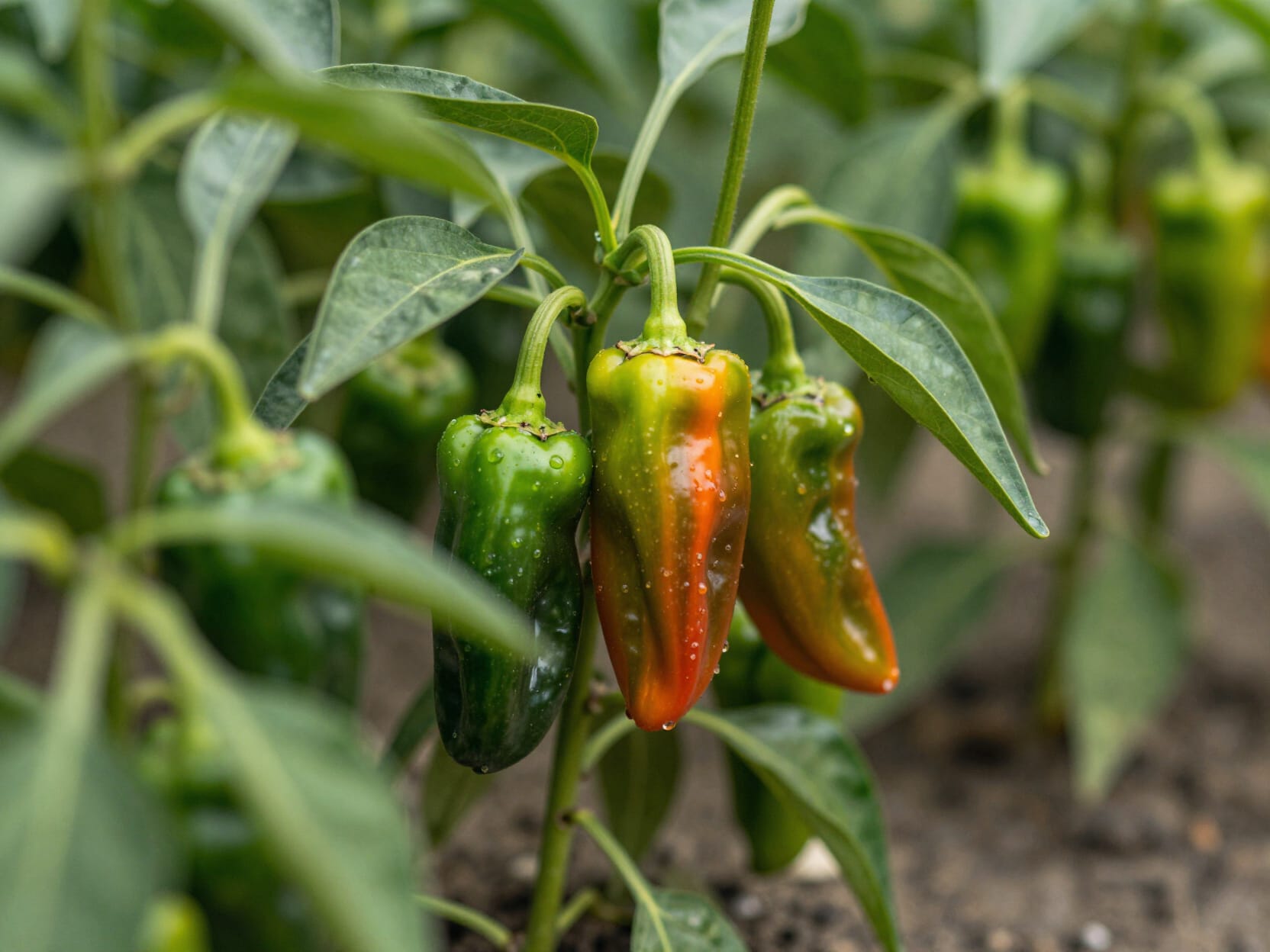
Every product is independently reviewed and selected by our editors. If you buy something through our links, we may earn an affiliate commission at no extra cost to you.
If you’ve ever sliced open a store-bought jalapeño and wondered whether you could grow your own plants from those seeds, the answer is yes you can, and I’ve done it many times in my small backyard and balcony garden.
The challenge is that not every grocery-store jalapeño contains mature, viable seeds. Many beginners also struggle with slow germination because pepper seeds need warmth, steady moisture, and light soil to sprout. When those conditions aren’t right, nothing happens for weeks.
With a bit of preparation and patience, you can successfully grow productive jalapeño plants from peppers you already have in your kitchen. Here’s exactly how I do it.
What Jalapeño Plants Need to Grow Strong and Productive
Inside mature jalapeños especially red ones are fully developed seeds capable of sprouting just like packet seeds. Grocery stores rarely heat-treat peppers, so the seeds usually remain viable.
This method works because:
- Jalapeños are open-pollinated, so seeds can grow true enough for home gardening
- Ripe peppers have mature seeds ready for germination
- Pepper seeds only need warmth, moisture, and light soil to sprout
What most beginners miss: pepper seeds germinate slowly and need heat. Room-temperature soil often isn’t warm enough.
What You’ll Need
- 1 ripe store-bought jalapeño (red works best; green can still work)
- Seed-starting mix or light potting mix
- Small pots, cups, or trays with drainage holes
- Spray bottle
- Plastic bag or humidity dome
- Warm location (sunny windowsill, top of fridge, or heat mat)
- Labels (optional)
Eco-friendly alternatives:
- Recycled yogurt cups or takeout containers
- Homemade compost mixed with coco coir (light and airy)
Step-by-Step Instructions
1. Pick the Right Pepper
In my experience, red jalapeños have the highest germination rate because they’re fully mature.
Green jalapeños are often harvested early, so their seeds may be immature but some will still sprout.
Choose peppers that are:
- Firm
- Free from mold
- Not shriveled
- Not chilled to the point of being icy inside (cold reduces seed viability)
2. Remove and Prepare the Seeds
- Slice the pepper open.
- Scrape out the seeds with your fingers.
- Spread them on a paper towel to remove moisture.
Let them dry for 24 hours. This reduces mold in the soil.
3. Prepare the Soil
Use a light, well-draining mix. Seed-starting mix is ideal, but a fluffy potting mix also works.
Before planting:
- Moisten the soil until it’s evenly damp but not soggy
- Fill your pot or container
The mix should feel like a wrung-out sponge.
4. Plant the Seeds
- Plant seeds about ¼ inch (0.5 cm) deep
- Place 2–3 seeds per pot
- Lightly cover with soil
Press gently so seeds have good contact with the soil.
5. Create Warm, Humid Conditions
Pepper seeds germinate best between 75–85°F (24–29°C).
Cover the pot using:
- A clear plastic bag
- A humidity dome
- Plastic wrap with a few air holes
This traps moisture and warmth absolutely key for germination.
6. Place in a Warm Spot
What has worked for me in real gardens:
- On top of the fridge (gentle bottom heat)
- Near a bright window (indirect light)
- On a seedling heat mat
Avoid cold windowsills pepper seeds hate cold soil.
7. Keep Soil Moist (Not Wet)
Check daily. If the top layer dries, mist lightly.
Do not overwater. Soggy soil causes the seeds to rot.
8. Wait for Germination
Store-bought jalapeño seeds typically sprout in: 7–21 days
If your home is cool, they may take longer. This is normal.
9. Move Seedlings to Strong Light
As soon as seedlings appear:
- Remove the plastic cover
- Move them to a sunny windowsill
- South-facing windows work best
If light is weak, seedlings stretch and become leggy.
10. Transplant When 3–5 Inches Tall
Move seedlings into larger pots (1–2 gallons) or garden beds when:
- They have 3–4 sets of true leaves
- Night temperatures are above 55°F (13°C)
Use rich, well-draining soil and give them full sun.
11. Ongoing Care
- Water deeply when the top inch of soil dries
- Feed with a balanced liquid fertilizer every 2–3 weeks
- Mulch to conserve moisture
- Give the plants 6–8 hours of direct sun
You’ll start seeing flowers around 8–10 weeks after sprouting.
Pro Tips & Best Practices
- Red jalapeños outperform green ones every time.
- Don’t bury seeds too deeply shallow planting improves germination.
- Warm soil = faster sprouting.
- If seedlings stretch, they need more light.
- Pepper seedlings grow slowly at first don’t panic.
- If seeds mold, you used too much water or the seeds weren’t dry enough.
Common Beginner Mistakes
- Using cold soil
- Overwatering during germination
- Planting seeds deeper than ¼ inch
- Keeping pots in low-light areas
- Giving up after 10–14 days (many peppers take longer)
- Starting peppers too early in a cold house
FAQ (Long-Tail, Voice-Search-Friendly)
Can you plant seeds from store-bought jalapeños? Yes, especially from red peppers with mature seeds.
Why won’t my jalapeño seeds sprout? Usually because the soil is too cold or too wet or the seeds were immature.
Do I need to dry jalapeño seeds before planting? Drying for 24 hours helps prevent mold, but you can plant fresh seeds too.
How long do jalapeños take to grow from store-bought seeds? About 90–120 days from seed to harvest.
Can you grow jalapeños indoors? Yes, but they need very strong light ideally a grow light.
Will jalapeño seeds from the supermarket grow true to type? Often yes, but cross-pollination in the original farm might produce slight variations.
When NOT to Use Store-Bought Pepper Seeds
Avoid this method if:
- You need specific jalapeño varieties
- You’re already late in the growing season
- Your home stays cool (below 70°F most of the day)
- You want guaranteed germination packet seeds are more reliable
Alternative Methods
1. Buy nursery seedlings
- Pros: Fastest and easiest
- Cons: Limited variety
2. Buy seed packets
- Pros: High germination, predictable plants
- Cons: Slight learning curve for starting seeds
3. Grow plants from cuttings (advanced)
- Pros: True-to-parent plants
- Cons: Slow, better for experienced gardeners
Conclusion
So, how do you grow jalapeños from store-bought peppers? Choose a ripe pepper, dry and plant the seeds shallowly, keep them warm and moist, and provide strong light once they sprout. With steady warmth and patience, those kitchen leftovers can turn into productive jalapeño plants that thrive in containers, balconies, and backyard gardens.
Start small, observe your seedlings daily, and adjust based on what you see the plants will tell you what they need. With this method, you can turn one grocery-store pepper into a season-long supply of fresh jalapeños.