Every product is independently reviewed and selected by our editors. If you buy something through our links, we may earn an affiliate commission at no extra cost to you.
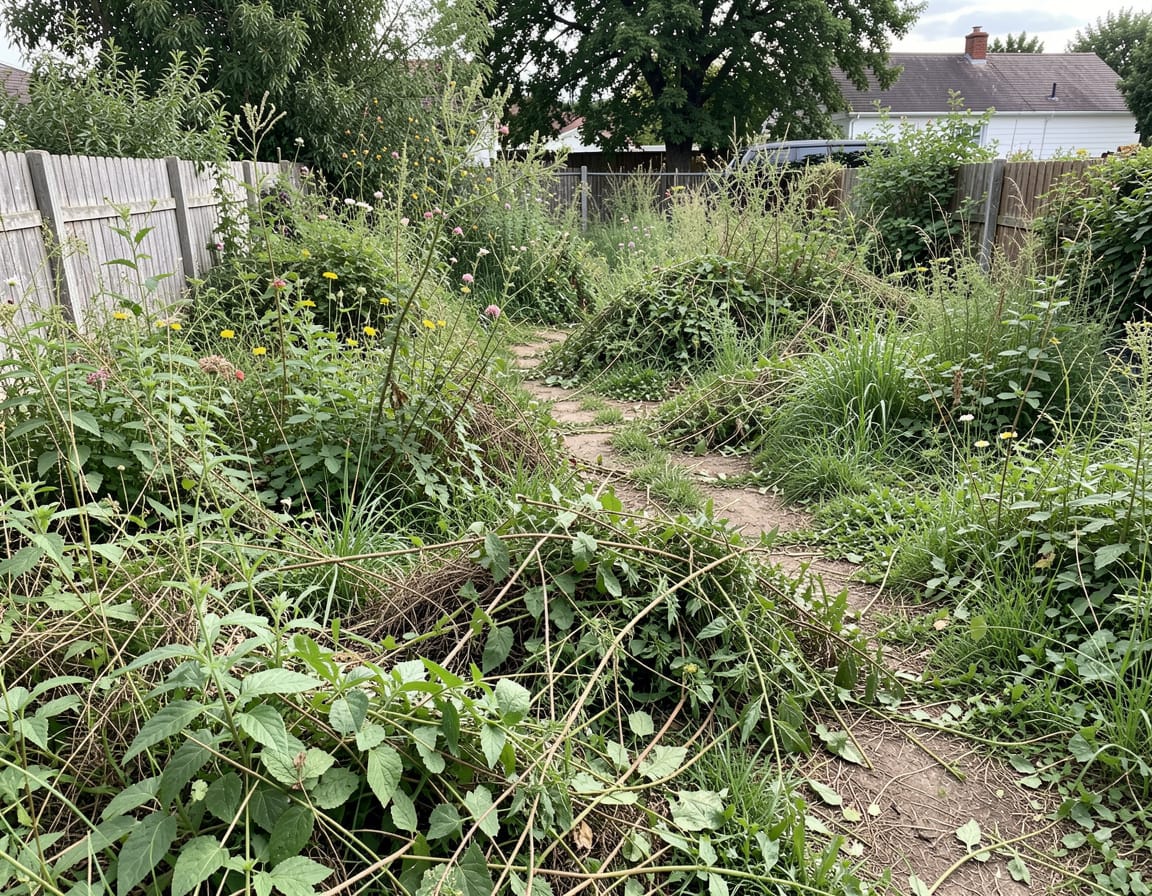
When a garden is completely overrun with weeds, most beginners panic and think they need to dig everything out or start again. I’ve been there after one rainy week in midsummer, my entire back bed looked like it belonged to the crabgrass and not my tomatoes. The good news is that you can clear a garden full of weeds fast without harming your soil or creating more weeds later.
The key is using quick, low‑disturbance techniques I’ve relied on in my own backyard, balcony planters, and raised beds over many seasons. These methods remove weeds efficiently, protect soil structure, and keep them from coming right back.
Why This Fast Method Works
A garden gets choked with weeds for two main reasons:
- Weed seeds germinate extremely fast in moist soil
- Soil disturbance pulls buried seeds to the surface
Most “fast” solutions actually make things worse because they churn the soil. The method below works quickly because:
- It removes weeds at or near the surface
- It avoids deep turning
- It smothers stubborn roots instead of fighting them
- It prevents new weed germination immediately after clearing
This is the approach I use when I need a messy bed usable again in a single afternoon.
What You’ll Need
You don’t need fancy tools. Even small‑space gardeners can use this setup.
- Stirrup hoe (fastest tool for large areas)
- Garden gloves
- A rake
- Cardboard or a tarp (for dense patches)
- Mulch (straw, shredded leaves, bark fines, grass clippings)
- A hand weeder or hori‑hori
- Compost (optional but helpful after clearing)
Budget alternatives:
- Old cardboard from delivery boxes
- Homemade mulch from dried leaves
- A simple kitchen knife for root crowns in tight spaces
Eco‑friendly notes:
- Avoid chemical herbicides dangerous for pets, kids, and soil biology
- Skip landscape fabric; it causes long-term soil issues in garden beds
How to Clear a Garden Full of Weeds Fast
Use these steps when you need fast results same day or same weekend.
Step 1: Cut Everything Down (5-15 minutes per bed)
Instead of pulling weeds right away, cut them at the base. This removes the top growth fast and exposes the soil.
Tools that work best:
- Stirrup hoe for large areas
- Hand pruners or shears for thick stems
Why this works: Cutting is much faster than pulling, and it starves many weeds without disturbing the soil.
Step 2: Rake Off Loose Debris (5 minutes)
Gather the cut weeds and remove them from the bed.
To stay safe:
- Avoid composting weeds with seeds
- Keep invasive roots (bindweed, Bermuda grass) out of compost
Removing debris clears the surface so weeds can’t re-root.
Step 3: Tarp or Cardboard the Worst Areas (Instant setup; works over days)
If you have stubborn patches, don’t waste hours pulling.
Do this instead:
- Lay a tarp or cardboard on top
- Weigh down the edges
- Leave for 1–2 weeks (or longer if needed)
This method uses sunlight deprivation to collapse the weed system quickly.
In my garden, tarping knocks down Bermuda grass better than any tool.
Step 4: Pull Only the Easy-Rooted Weeds (10–20 minutes)
With tops removed, soil exposed, and weeds weakened, pulling becomes much easier.
Focus on:
- Taproot weeds (dandelions, plantain)
- Thick-stemmed weeds that regrow from crowns
- Weeds around plant bases
Do NOT try to dig up invasive runners. Smother them instead.
Step 5: Mulch Immediately (The real secret to fast results)
Once the surface is clear, add:
- 2–3 inches of straw, leaves, or bark fines
- 1 inch of compost under the mulch if soil is poor
Mulch stops new weeds from popping up and speeds your future weeding sessions from 1 hour to 5 minutes.
Avoid piling mulch against plant stems this causes rot and fungal issues.
Step 6: Water Only the Plants, Not the Bare Soil
After clearing and mulching, avoid overhead watering for a few days.
Why: Watering the whole bed wakes up more weed seeds.
If possible, switch to:
- Drip irrigation
- Soaker hoses
- Base watering with a can
This small habit drastically reduces weed return.
Pro Tips & Best Practices
Here’s what I’ve learned after clearing many weed-choked beds over the years:
- Weed before it rains wet soil helps roots slip out
- Keep a stirrup hoe handy; 3 minutes every few days prevents big jobs
- Mulching is 80% of weed prevention
- Don’t till tilling is guaranteed to bring up more weeds
- Solarize only as a last resort (it can overheat and harm soil life)
Beginner mistakes to avoid:
- Pulling weeds when soil is bone-dry (roots snap)
- Leaving roots of perennial weeds
- Using weed fabric that becomes a nightmare later
- Throwing seeded weeds into the compost pile
FAQ
How do I clear a weedy garden fast without chemicals?
Cut everything at the base, rake debris, smother the thick patches with cardboard or a tarp, and mulch deeply. It’s faster, safer, and protects soil structure.
Can I clear weeds fast in wet soil?
Lightly damp soil is perfect. Waterlogged soil isn’t roots will break and soil compacts.
How do I kill weeds quickly without tilling?
A stirrup hoe removes weeds in minutes without disturbing the soil. Mulch afterward to prevent regrowth.
Can I plant right after clearing weeds?
Yes. As long as you didn’t deep-dig or spray chemicals, you can plant immediately.
What should I do if weeds keep coming back?
Mulch thicker. Each season I add 1–2 inches to keep the soil covered.
When NOT to Use Fast-Clearing Methods
Avoid this approach if:
- Soil is extremely saturated (risk of compaction)
- You’re dealing with aggressive runners like Bermuda grass—these need tarping
- The garden contains delicate seedlings that could be damaged by tools
- You have ground-nesting pollinators active in early spring
In those cases, slower, more targeted clearing is safer.
Alternative Methods for Different Situations
If “fast” isn’t the main priority, here are other approaches:
No‑Dig Sheet Mulching
- Best for building new beds
- Low effort
- Great long-term weed suppression
- Not instant you’ll wait a few weeks
Solarization
- Kills weed seeds using heat
- Works in full sun
- Slower (4–6 weeks)
- Can harm beneficial microbes
Hand Weeding
- Accurate around delicate plants
- Slowest method
- Best for small or container gardens
Conclusion
If you’re wondering how to clear a garden full of weeds fast, the key is to remove top growth quickly, smother the stubborn roots, and mulch immediately. This combination gives fast visual improvement and long-lasting results without damaging your soil or spending all weekend digging.
With consistent light maintenance and a protective mulch layer, you’ll rarely face a weed takeover again. A little prevention goes a long way and your garden will be healthier for it.
Ready to reclaim your space? Start with the quickest step: cut the weeds down, rake them up, and mulch right away. Your garden will look transformed in just a few hours.