Every product is independently reviewed and selected by our editors. If you buy something through our links, we may earn an affiliate commission at no extra cost to you.
Many people love the idea of an indoor garden but once they try, things feel cramped, plants struggle, and the space looks cluttered instead of calming. From hands-on experience in apartments, rented homes, and compact city spaces, I’ve seen the same issue repeatedly: people start with plants before designing the space.
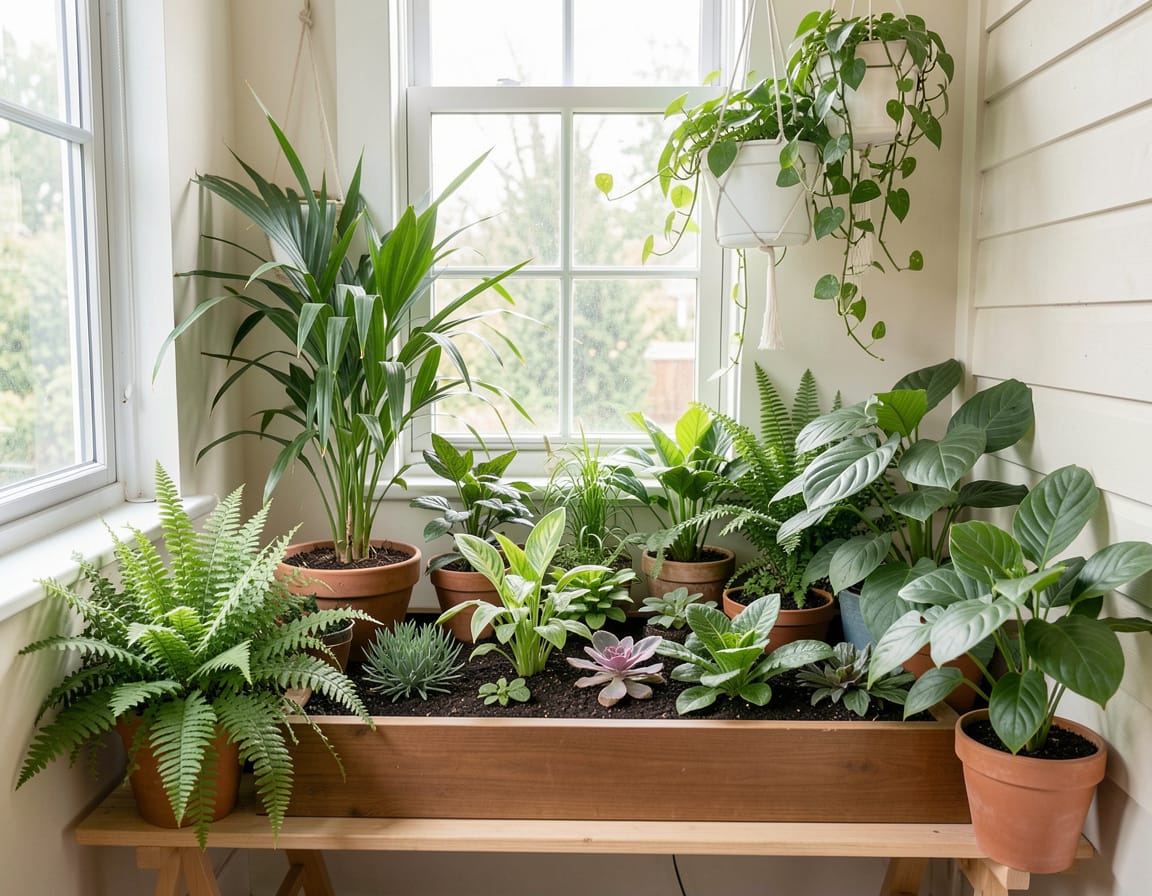
If you’re asking how do I design a small indoor garden, the good news is this small spaces actually work better indoors when designed correctly. With the right layout, plant choices, and environmental awareness, even a windowsill or corner can become a thriving indoor garden.
This guide walks you through a practical, beginner-safe design method that works in real homes not showrooms.
Why This Method Works for Small Indoor Gardens
Indoor plants don’t fail because spaces are small. They fail because light, airflow, watering access, and plant spacing aren’t planned together.
In real indoor gardens:
- Light is directional and limited
- Humidity is lower than outdoors
- Roots stay confined longer
- Overwatering happens easily
This design-first method works because it:
- Matches plants to light before placement
- Uses vertical and layered spacing efficiently
- Prevents common mistakes like overcrowding
- Keeps maintenance realistic and sustainable
Think of it like furniture planning you wouldn’t buy a sofa before measuring the room.
What You’ll Need to Design a Small Indoor Garden
You don’t need expensive décor or special systems. Start simple.
Essentials
- Measuring tape or phone measuring app
- Pots with drainage holes
- Indoor potting mix (well-draining)
- A light source (window, balcony door, skylight)
Budget-Friendly & Eco-Friendly Options
- Reused containers with drainage added
- Coco coir or compost-blended soil
- Natural fiber plant hangers
- Shelving made from reclaimed wood
Safety Notes
- Use stable stands no top-heavy pots
- Keep toxic plants away from pets and children
- Avoid chemical fertilizers indoors
Step-by-Step: How Do I Design a Small Indoor Garden That Actually Works
Step 1: Observe Your Light (Before Buying Plants)
Spend one full day observing your space.
- Morning light = East-facing
- Strong afternoon light = South/West-facing
- Soft or shaded light = North-facing
Visual cues:
- Bright indirect light casts soft shadows
- Low light produces no shadows
What beginners often miss: Most “indoor plants” still need light just not harsh sun.
Step 2: Choose the Right Garden Style for Your Space
Pick one main style, not all of them.
- Windowsill garden: Herbs, compact foliage
- Corner floor garden: Tall plants + low companions
- Vertical garden: Trailing plants, wall shelves
- Tabletop garden: Small pots, slow growers
Small indoor gardens work best when focused.
Step 3: Select Plants Based on Function, Not Looks Alone
Use this simple rule:
- Top layer: Tall or trailing plants
- Middle layer: Bushy foliage
- Bottom layer: Compact, shade-tolerant plants
Beginner-friendly indoor plants:
- Snake plant
- Pothos
- ZZ plant
- Philodendron
- Spider plant
- Peace lily
Avoid fast growers or high-light plants early on.
Step 4: Plan Spacing for Growth, Not Just Today
Plants grow even indoors.
- Leave 5–8 cm between small pots
- Don’t let leaves touch walls constantly
- Allow airflow between plants
Visual cue:
If leaves overlap heavily, airflow is already too limited.
Step 5: Match Pots, Soil, and Drainage
Poor drainage ruins more indoor gardens than pests.
- Always use pots with holes
- Use light, airy soil mixes
- Add saucers or trays to protect floors
Soil texture cue:
Soil should crumble slightly when dry not stay muddy.
Step 6: Group Plants by Water Needs
This single step prevents most beginner mistakes.
- Group drought-tolerant plants together
- Group moisture-loving plants together
Why it works:
You water zones, not individual plants less confusion, fewer mistakes.
Step 7: Place for Maintenance Access
If you can’t reach it easily, it won’t be cared for.
- Can you water without spilling?
- Can you rotate the pot monthly?
- Can you check soil moisture easily?
In real homes, convenience determines success.
Pro Tips & Best Practices From Real Indoor Gardens
- Fewer plants = healthier plants
- Vertical space beats floor clutter
- Rotate plants monthly for even growth
- Clean leaves once a month with plain water
- Use terracotta pots for overwaterers
Common Beginner Mistakes to Avoid
- Overdecorating before plants establish
- Using decorative pots without drainage
- Mixing sun-lovers with shade plants
- Watering on a strict schedule
Environmental Factors That Matter Indoors
Temperature
- Ideal: 18–27°C (65–80°F)
- Avoid placing plants near heaters or AC vents
Humidity
- Bathrooms and kitchens help naturally
- Grouping plants increases humidity safely
Airflow
- Gentle airflow prevents fungal issues
- Avoid stagnant corners
FAQ:
How do I design a small indoor garden with very little light?
Choose low-light plants like snake plant, ZZ plant, and aglaonema. Use lighter-colored walls to reflect light.
Why do my indoor plants look crowded even with few pots?
Usually due to oversized leaves, no vertical spacing, or too many similar-sized plants.
Can I design a small indoor garden in a rented apartment?
Yes. Use shelves, floor stands, and hanging planters no drilling required.
How often should I rearrange my indoor garden?
Only when plants outgrow their space or seasonal light changes. Constant moving causes stress.
Is it safe to keep soil indoors?
Yes, if you use clean potting mix, proper drainage, and avoid overwatering.
When NOT to Use This Design Method
This approach may not suit you if:
- You want fast-growing edible crops
- You have zero natural light
- You prefer outdoor-style dense planting
Safer Alternatives
- Grow lights for windowless rooms
- Hydroponic countertop systems
- Artificial plants mixed with real ones
Alternative Indoor Garden Design Approaches
Vertical Indoor Garden
Pros: Saves floor space, visually striking
Cons: Needs secure installation
Hydroponic Indoor Garden
Pros: Fast growth, clean
Cons: Higher setup and learning curve
Minimalist Plant Design
Pros: Low maintenance, clean look
Cons: Less variety
Choose based on time, light, and lifestyle.
Conclusion
So, how do I design a small indoor garden that actually thrives?
You start with light, plan spacing realistically, choose plants that match your environment, and design for maintenance not perfection. Small indoor gardens reward patience, observation, and thoughtful choices.
You don’t need more space you need smarter design. Start small, let plants teach you, and build confidence one healthy leaf at a time.