Every product is independently reviewed and selected by our editors. If you buy something through our links, we may earn an affiliate commission at no extra cost to you.
A sunny patio, balcony, or front entry can quickly become harsh territory for container plants. Full sun means 6–10+ hours of direct light, higher root-zone temperatures, faster evaporation, and winter exposure if pots stay outdoors year-round.
The solution isn’t just choosing “sun-loving” plants. It’s selecting evergreen plants for pots in full sun that tolerate heat, wind, container confinement, and seasonal temperature swings while pairing them with the correct soil mix, drainage setup, and pot size.
This guide breaks down the best evergreen performers, how to plant them properly, and how to reduce maintenance long-term.
Introduction
Many evergreen shrubs fail in containers not because they dislike sun but because their roots overheat, sit in poorly drained soil, or freeze in winter. Containers create a different environment than in-ground planting:
- Soil dries faster
- Roots are less insulated
- Nutrients leach more quickly
- Wind stress increases
When you match plant genetics to container realities proper depth, drainage, and exposure you can maintain structured, green foliage year-round with surprisingly low effort.
Quick Summary
- Minimum 16–20 inch deep containers for shrubs
- Use fast-draining, aerated potting mix (never garden soil)
- Choose plants hardy at least one USDA zone colder than your region
- Use light-colored or insulated pots to prevent root overheating
- Water deeply but infrequently
- Fertilize lightly in spring only
Understanding Full Sun in Containers
What “Full Sun” Really Means
Full sun equals at least 6 hours of direct sunlight daily. On south- and west-facing patios, that often means:
- Reflected heat from walls and concrete
- Higher soil surface temperatures
- Increased transpiration
Roots in containers can overheat above 95°F, especially in dark pots.
USDA Hardiness Zones and Container Adjustment
If you live in:
- Zone 6 → choose plants hardy to Zone 5
- Zone 7 → choose hardy to Zone 6
Container roots experience more freeze-thaw cycles than in-ground plants.
Best Evergreen Plants for Pots in Full Sun
These selections are proven performers in hot, exposed container environments.
1. Dwarf Juniper (Juniperus spp.)
Zones: 3–9 Light: Full sun Container Depth: 16–18 inches minimum
Why It Works
Junipers are naturally drought tolerant and adapted to rocky, exposed environments. Their needle-like foliage reduces moisture loss.
Soil Requirements
- 50% high-quality potting mix
- 30% compost
- 20% perlite or coarse sand
Drainage is critical junipers dislike soggy soil.
Maintenance Impact
- Minimal pruning
- Water every 5–7 days in summer
- Extremely low pest pressure
One of the lowest-maintenance evergreen container options available.
2. Boxwood (Buxus spp.)
Zones: 5–9 Light: Full sun to partial sun Depth: 18–20 inches
Why It Works
Boxwoods tolerate pruning and provide structured, formal symmetry at entryways.
Key Consideration
In very hot climates (Zone 8+), provide slight afternoon shade to prevent leaf scorch.
Soil Mix
- 60% potting mix
- 30% compost
- 10% perlite
Maintenance
- Light shaping 1–2 times annually
- Balanced slow-release fertilizer in spring
Avoid overwatering in winter dormancy.
3. Dwarf Alberta Spruce
Zones: 3–8 Light: Full sun Depth: 18–24 inches
Why It Works
Dense, conical form makes it ideal for flanking doors.
Maintenance Reality
- Needs consistent moisture
- Susceptible to spider mites in hot climates
- Inspect monthly during summer
Moderate maintenance compared to juniper.
4. Olive Tree (Olea europaea – Dwarf Varieties)
Zones: 8–11 Light: Full sun Depth: 20–24 inches
Why It Works
Mediterranean plant adapted to intense sun and dry conditions. Silvery foliage reflects heat.
Soil Structure
- 40% potting mix
- 30% compost
- 20% coarse sand
- 10% perlite
Watering
Allow top 2 inches to dry before watering.
Premium aesthetic choice with moderate watering needs.
5. Dwarf Mugo Pine
Zones: 2–8 Light: Full sun Depth: 18–24 inches
Why It Works
Extremely cold hardy and sun tolerant.
Maintenance
- Minimal pruning
- Annual slow-release fertilizer
- Water deeply but infrequently
Excellent choice for colder climates.
6. Yucca (Yucca filamentosa)
Zones: 5–10 Light: Full sun Depth: 14–18 inches
Why It Works
Thick leaves store moisture. Highly drought resistant.
Soil
Increase aeration:
- 40% potting mix
- 30% sand
- 20% compost
- 10% pumice
Very low watering needs once established.
7. Sky Pencil Holly (Ilex crenata ‘Sky Pencil’)
Zones: 6–9 Light: Full sun to partial Depth: 18–20 inches
Why It Works
Narrow vertical growth ideal for small porches.
Soil Consideration
Prefers slightly acidic soil. Use ericaceous potting mix if needed.
Moderate watering requirement.
Choosing the Right Containers
The container determines watering frequency and root temperature stability.
Size Guidelines
- Small shrubs: 16–18 inches deep
- Larger evergreens: 20–24 inches
- Tall specimen trees: 24+ inches
Larger containers reduce watering needs and protect roots.
Material Comparison for Full Sun
Resin/Plastic
- Retains moisture
- Lightweight
- Budget-friendly
Fiberglass
- Insulates roots
- Durable
- Higher upfront cost
Terracotta
- Breathable
- Dries quickly
- Better for drought-adapted plants only
Avoid thin metal containers in intense sun.
Soil Composition for Evergreen Containers
Never use garden soil it compacts and blocks oxygen.
Base Mix
- 50–60% quality potting mix
- 20–30% compost
- 10–20% perlite, pumice, or sand
Adjust aeration upward for drought-tolerant species.
Refresh top 2–3 inches annually.
Watering Strategy for Full Sun Evergreens
Deep and Infrequent
Water until excess drains out. Then allow partial drying.
Morning Watering
Reduces evaporation and fungal risk.
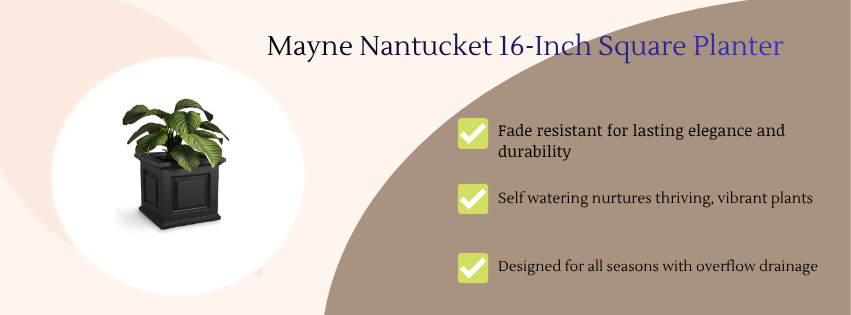
Self-Watering Planters
Useful in hot climates, but ensure overflow holes prevent root saturation.
Fertilizing Evergreen Pots
Evergreens require modest feeding.
- Apply slow-release fertilizer in early spring
- Avoid high nitrogen formulas
- Do not fertilize late summer (encourages soft growth before winter)
Overfertilizing increases water demand and stress.
Winter Care for Evergreen Containers
In Zones 6 and colder:
- Move pots against sheltered walls
- Wrap containers with burlap or insulation
- Avoid letting soil become completely dry in winter
Winter desiccation not cold is the main cause of evergreen failure.
Common Beginner Mistakes
- Using pots too small
- No drainage holes
- Overwatering during dormancy
- Ignoring root hardiness adjustments
- Using heavy garden soil
- Choosing shade-loving evergreens for full sun
Structural setup matters more than plant choice alone.
Pest Prevention Basics
Common issues:
- Spider mites (hot, dry conditions)
- Scale insects
- Aphids
Prevention:
- Inspect monthly
- Hose foliage occasionally
- Maintain airflow between containers
- Avoid overcrowding
Healthy, properly watered plants resist pests naturally.
FAQ
What are the best low-maintenance evergreen plants for full sun pots?
Dwarf juniper, mugo pine, and yucca are among the most drought-tolerant and resilient options.
How often should I water evergreen pots in full sun?
Typically every 5–7 days in summer, depending on pot size and climate.
What size pot is best for evergreen shrubs?
At least 16–20 inches deep for most dwarf varieties.
Can evergreen pots survive winter outdoors?
Yes, if the plant is hardy to one zone colder than your location and the container is insulated.
Do evergreens need fertilizer in containers?
Yes, lightly in spring. Avoid overfeeding.
Is terracotta good for evergreen shrubs?
Only for drought-tolerant varieties. It dries out faster than resin or fiberglass.
Final Thoughts
Choosing evergreen plants for pots in full sun is about more than aesthetics. It’s about matching drought tolerance, root hardiness, and heat resistance with the right container system.
Start with larger pots than you think you need. Prioritize drainage and aeration. Choose plants naturally adapted to exposed environments. Water deeply, not frequently. Fertilize lightly.
When designed correctly, full-sun evergreen containers provide year-round structure, privacy, and curb appeal with surprisingly low maintenance and long-term durability.
