Every product is independently reviewed and selected by our editors. If you buy something through our links, we may earn an affiliate commission at no extra cost to you.
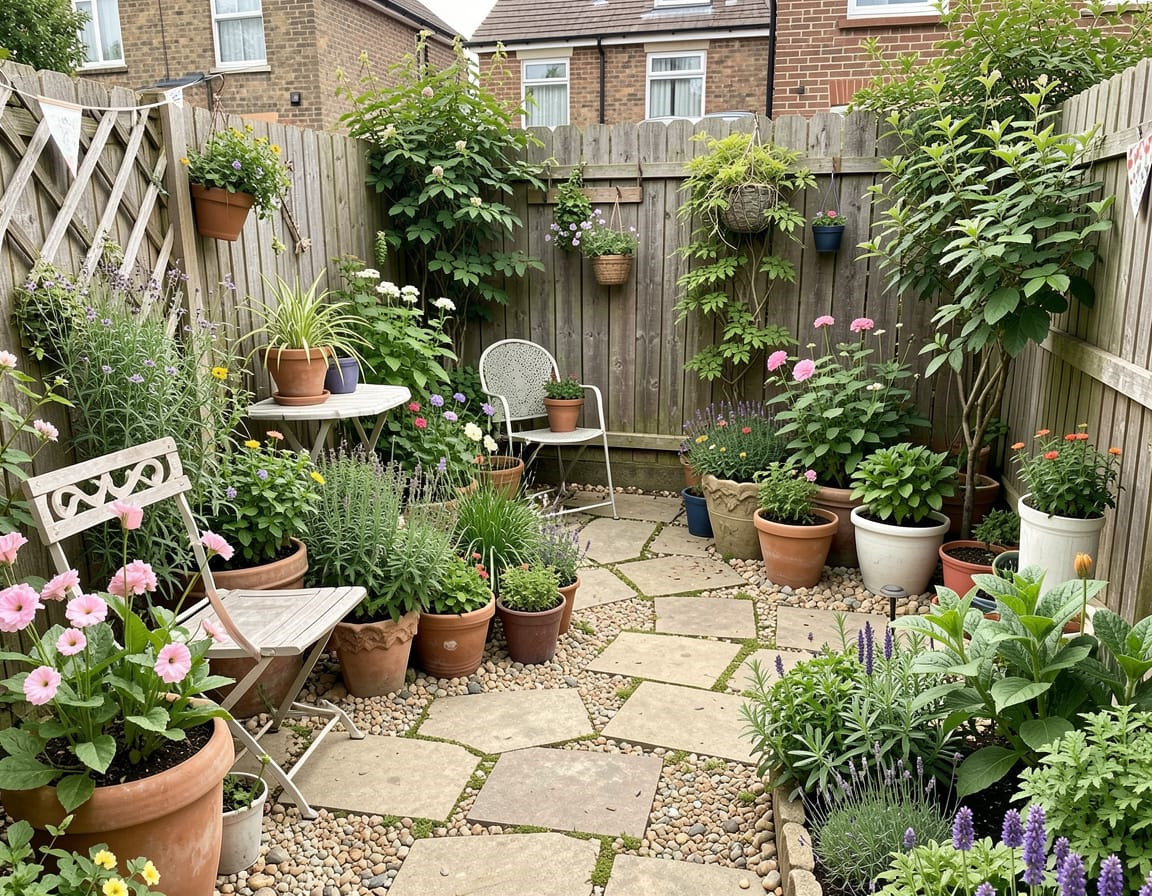
If you’re working with a tiny backyard, narrow balcony, or even a rented home where every rupee or dollar counts, finding cheap budget small garden ideas that actually work can feel like a scavenger hunt. I’ve been there trying to green up a cramped balcony with nothing but mismatched containers and whatever soil I could carry up three flights of stairs.
The good news? Small-space gardening doesn’t need fancy planters or expensive decor. Over the years, I’ve tested dozens of low-cost tricks in my own home garden and learned which ones grow healthy plants… and which ones turn into clutter or pest magnets.
This guide shares the real, practical, budget-friendly small garden ideas that consistently deliver results.
Why These Cheap Budget Small Garden Ideas Work
Small spaces succeed when you focus on three things:
- Vertical growth (using air space instead of floor space)
- Container hacks that improve soil quality and drainage on a budget
- Multi-purpose layouts where one element does double duty shade, privacy, or microclimate control
These ideas work because they maximize usable space while keeping plants healthy with proper light, airflow, and soil things small-space gardeners often struggle with.
What You’ll Need (Affordable Options Only)
Most ideas here use common, low-cost items such as:
- Plastic buckets (5 L or 10 L)
- Old mugs, bowls, or kitchen containers
- Wooden crates, fruit boxes, or scrap wood
- Jute rope, twine, or leftover fabric
- Recycled water bottles
- Potting mix + homemade compost
- Basic hand tools: trowel, pruners, spray bottle
Optional eco-safe items:
- Neem oil for pest prevention
- Cocopeat bricks (budget-friendly and lightweight)
- Perlite or sand for drainage
1. Vertical Bottle Garden for Herbs and Greens
This is one of the simplest and cheapest setups I’ve ever used on a balcony.
Steps
- Take 1–2 L plastic bottles and cut a window on one side.
- Add drainage holes at the bottom.
- Fill with light potting mix (soil + cocopeat).
- Plant herbs like mint, basil, or spinach.
- Hang the bottles with jute rope or screw them onto a wooden frame.
Why It Works
Bottles warm up quickly, which speeds germination. They also help you use narrow walls or railing edges that usually stay empty.
2. The Fruit Crate Growing System
Wooden fruit crates from local markets are extremely useful they stack, breathe well, and cost almost nothing.
Steps
- Line crates with newspaper or a flour sack.
- Add soil + compost.
- Grow shallow-rooted crops: lettuce, radishes, coriander, dwarf beans.
Tip from experience
Fruit crates dry out faster, so group them together to create a shared microclimate and reduce watering needs.
3. Multi-Level Plant Stands From Scrap Wood
One of the best ways to expand a small garden is to go vertical.
Steps
- Use any leftover wood or small stools.
- Create 2–3 tiers of shelves.
- Place sun-loving plants on top, shade-loving ones below.
Practical benefit
Tiered stands prevent overcrowding a common small-garden mistake that leads to mildew and stunted growth.
4. Grow Bags Made From Old Jeans or Rice Sacks
I started doing this when I ran out of pots and surprisingly, these fabric containers often perform better than plastic ones.
How to use
- Cut old jeans or rice sacks to your desired size.
- Fold the bottom and stitch with strong thread.
- Fill with soil and plant tomatoes, chilies, okra, or flowers.
Why It Works
Fabric drains brilliantly and prevents root rot. Even tomatoes grow surprisingly well in these DIY bags.
5. A Mini “Pocket Garden” on a Sunny Wall
If floor space is tight, wall pockets can be a lifesaver.
Materials
- Old shoe organizer
- Jute pockets
- Scrap fabric pouches
Use
Plant ferns, money plant, oregano, or small succulents.
Note
Avoid heavy soil use light potting mix so the pockets don’t sag.
6. Brick or Stone Borders for Micro Raised Beds
Perfect if you have a tiny patch of soil outdoors.
Steps
- Lay bricks in a rectangle no mortar needed.
- Fill with compost-rich soil.
- Grow root-friendly plants: carrots, turnips, beets.
Real-world note
Even a 2 ft x 2 ft raised bed feels huge once you plant compact veggies.
7. Repurposed Kitchen Containers (My Favorite)
Old steel bowls, cracked teapots, colanders if it can hold soil, it’s a planter.
Tips
- Drill holes or use them as cache pots.
- Great for small ornamentals like jade, aloe, or herbs.
Warning
Avoid containers that held chemicals or paint.
8. Balcony Railing Planters From Plastic Bottles or Boxes
Perfect for railings that get 3–4 hours of sun.
Steps
- Cut long plastic boxes or 2 L bottles horizontally.
- Tie to railing with cable ties or rope.
- Grow trailing plants: tomatoes, strawberries, money plant.
9. Cheap Reflective Light Boosters
Small gardens often suffer from low light, especially balconies.
DIY Method
Use:
- Foil sheets
- Mirror scraps
- White foam boards
Place them behind plants to bounce more light onto leaves.
Works best for
Herbs, leafy greens, and indoor-friendly ornamentals.
10. DIY Automatic Watering System (Zero Electricity)
I use this during hot months and short trips.
Method
- Fill a bottle with water.
- Invert it into the soil using a clay spike or small hole.
- The soil draws water slowly as needed.
Benefit
Prevents both underwatering and root rot common issues in small gardens.
Pro Tips & Best Practices (From Hands-On Use)
- Avoid overcrowding airflow is essential in small spaces to prevent fungal issues.
- Use lightweight soil mixes; heavy soil compacts quickly in small containers.
- Mulch everything with dry leaves to reduce watering by up to 40%.
- Group plants with similar sunlight needs to reduce maintenance.
- Rotate containers every few weeks to give each plant even light exposure.
FAQ
1. Can I start a small garden with zero budget?
Yes. Use kitchen containers, recycled bottles, and compost made from kitchen scraps.
2. What plants grow best in tiny spaces?
Herbs, leafy greens, chilies, cherry tomatoes, and compact flowering plants like marigold.
3. How many hours of sun do I need for a small garden?
Most edibles need 4–6 hours. Shade-loving ornamentals can manage with 2–3.
4. Why do plants in small spaces dry out so fast?
Containers in tight spaces get more heat and airflow. Use mulch and light soil to retain moisture.
5. Can I grow vegetables on a north-facing balcony?
Yes choose shade-tolerant veggies like spinach, lettuce, methi, mint, and ferns.
When NOT to Use These Budget Ideas
- Avoid fabric grow bags during heavy monsoons they stay wet for too long.
- Do not grow deep-rooted crops (like full-size tomatoes or papaya) in small recycled bottles.
- Avoid hanging heavy planters on weak balcony railings for safety reasons.
- Skip reflective boards if they bounce harsh midday heat onto delicate plants.
Alternatives to Consider
- Hydroponic jars for leafy greens (budget version requires only jars + nutrients)
- Window-sill gardening with small herbs
- Community gardening if your home has no sunlight access
Each works well depending on your space, budget, and light availability.
Conclusion
Small gardens thrive on creativity, not cost. With these cheap budget small garden ideas, you can turn even the tightest corner into a productive, refreshing green space. Start simple and also use what you already have, add plants that match your light conditions, and build upward instead of outward.
With a bit of consistency and smart observation, your small garden will grow faster and healthier than you expect. Happy gardening!