Category: Low Maintenance Plants

  • The Best Way to Grow a Lemon Tree From Seed (Step-by-Step Success Guide)

    The Best Way to Grow a Lemon Tree From Seed (Step-by-Step Success Guide)

    Every product is independently reviewed and selected by our editors. If you buy something through our links, we may earn an affiliate commission at no extra cost to you.

    Here’s the most reliable, organic, and low-stress way to grow a lemon tree from seed, based on what actually works in real U.S. homes and small gardens not just theory. I’ve guided many homeowners and renters through this process, from germination to healthy young trees.

    The Best Way to Grow a Lemon Tree from Seed (Expert, Organic Method)

    1. Start with the Right Lemon

    Always begin with a fresh, organic lemon. Non-organic grocery lemons are often coated with anti-sprouting chemicals or wax that can inhibit germination. Look for an organic Meyer or Eureka lemon with firm skin and full, mature seeds.

    2. Extract and Clean the Seeds

    Slice the lemon gently to avoid nicking the seeds. Rinse the seeds thoroughly in warm water to remove all pulp any juice residue can cause fungal growth. Optional but helpful: soak the clean seeds in a cup of lukewarm water for about 2 hours. This softens the outer seed coat and speeds germination.

    3. Pre-Sprout the Seeds (Most Reliable Step)

    This step mimics the humid soil conditions that citrus seeds love.

    • Wrap the soaked seeds in a damp (not dripping) paper towel.
    • Place them in a partly open plastic sandwich bag for airflow.
    • Keep the bag in a warm, dark place (like the top of your fridge or on a seedling heat mat).
    • Check every few days to make sure the towel stays moist.

    Within 2–4 weeks, you’ll see small white roots emerging those are your new lemon seedlings.

    4. Prepare the Right Organic Soil Mix

    Lemon roots need both air and moisture. Here’s a mix I use for indoor starts:

    ComponentPurposeOrganic Benefit
    2 parts organic potting mixBase growing mediumProvides structure and basic nutrients
    1 part perlite or coarse sandEnsures drainagePrevents root rot
    1 part compost or worm castingsNutrient boostAdds beneficial microbes

    Mix thoroughly and moisten lightly before planting.

    5. Choose a Suitable Container

    Start with a small 3–4 inch pot with drainage holes. I prefer biodegradable fiber pots—they breathe well and make transplanting easier later. Set the pot in a shallow saucer or tray to catch excess water.

    6. Plant and Water Properly

    Once your seeds sprout:

    • Plant each sprouted seed about ½ inch deep, root tip facing down.
    • Gently firm the soil and water until evenly moist.

    If you’re planting unsprouted seeds, use two per pot and thin to the strongest seedling once they emerge.

    7. Provide Steady Warmth and Light

    Temperature and light are what make the difference between seedlings that thrive and those that fade.

    • Temperature: Keep between 70–80°F (21–27°C).
    • Light: 8–12 hours per day of bright light.
      • A south-facing window is ideal.
      • If light is limited, use a full-spectrum LED grow light positioned 6–8 inches above the seedlings.

    Without enough light, leaves will yellow and stems will stretch.

    8. Watering and Humidity

    Lemon seedlings dislike soggy soil but can’t dry out completely either.

    • Keep soil evenly moist but not wet.
    • Use filtered or rainwater if your tap water is heavily chlorinated.
    • Maintain 50–60% humidity; a pebble tray or small humidifier works well in dry U.S. climates or heated apartments.

    9. Transplant and Feed Gradually

    Once your plant is 4–6 inches tall with several sets of true leaves:

    • Move it to a 6–8 inch pot with fresh organic citrus soil.
    • Begin monthly feeding using a mild organic citrus fertilizer or diluted compost tea during active growth (spring and summer).

    Avoid overfeeding too much nitrogen can lead to lush leaves but weak roots.

    10. Long-Term Indoor Care

    • Light: Always bright, direct light for several hours daily.
    • Temperature: Never below 55°F; avoid cold drafts.
    • Pruning: Lightly pinch the top growth once it reaches 12 inches tall to encourage branching.
    • Repotting: Every 1–2 years as roots fill the container.
    • Patience: A seed-grown lemon tree takes 4–7 years (sometimes longer) to flower and fruit, but it will make a beautiful, fragrant indoor plant long before that.

    If you live in a region with warm summers (most U.S. zones 6–11), move your lemon pot outside once night temps stay above 55°F. Acclimate slowly start in partial shade for a few days before introducing full sun.

    12. Troubleshooting Common Issues

    ProblemPossible CauseFix
    Yellowing leavesOverwatering or poor drainageLet soil dry slightly and ensure proper holes
    Slow growthInsufficient lightAdd a grow light or move to sunnier spot
    Leaf drop in winterDry indoor air or cold draftsIncrease humidity and move away from vents
    Mold on soilExcess moisture, poor airflowUse a small fan nearby, water less often

    Expert Insight from Real Homes

    In my clients’ homes from Dallas apartments to New England sunrooms the most common failure point is cold, dim winter conditions. A $30 LED grow light and a simple humidity tray make all the difference indoors. When properly cared for, even an apartment-grown lemon tree can stay lush, glossy, and fragrant year-round.

    Key Takeaways

    • Use fresh organic lemons for viable seeds
    • Pre-sprout seeds for consistent germination
    • Maintain warmth (70–80°F) and bright light (8–12 hours daily)
    • Keep soil moist but airy
    • Be patient growth is slow, but rewarding
  • Growing a Lemon Tree from Seed  |  How Long Before You See Results

    Growing a Lemon Tree from Seed | How Long Before You See Results

    let’s walk through a step-by-step organic indoor lemon seed propagation guide, written from the perspective of someone who’s actually started and maintained lemon trees in U.S. homes and small apartment spaces. These steps work well whether you’re growing Meyer, Eureka, or Lisbon lemons.

    Stages of Growing a Lemon Tree from Seed

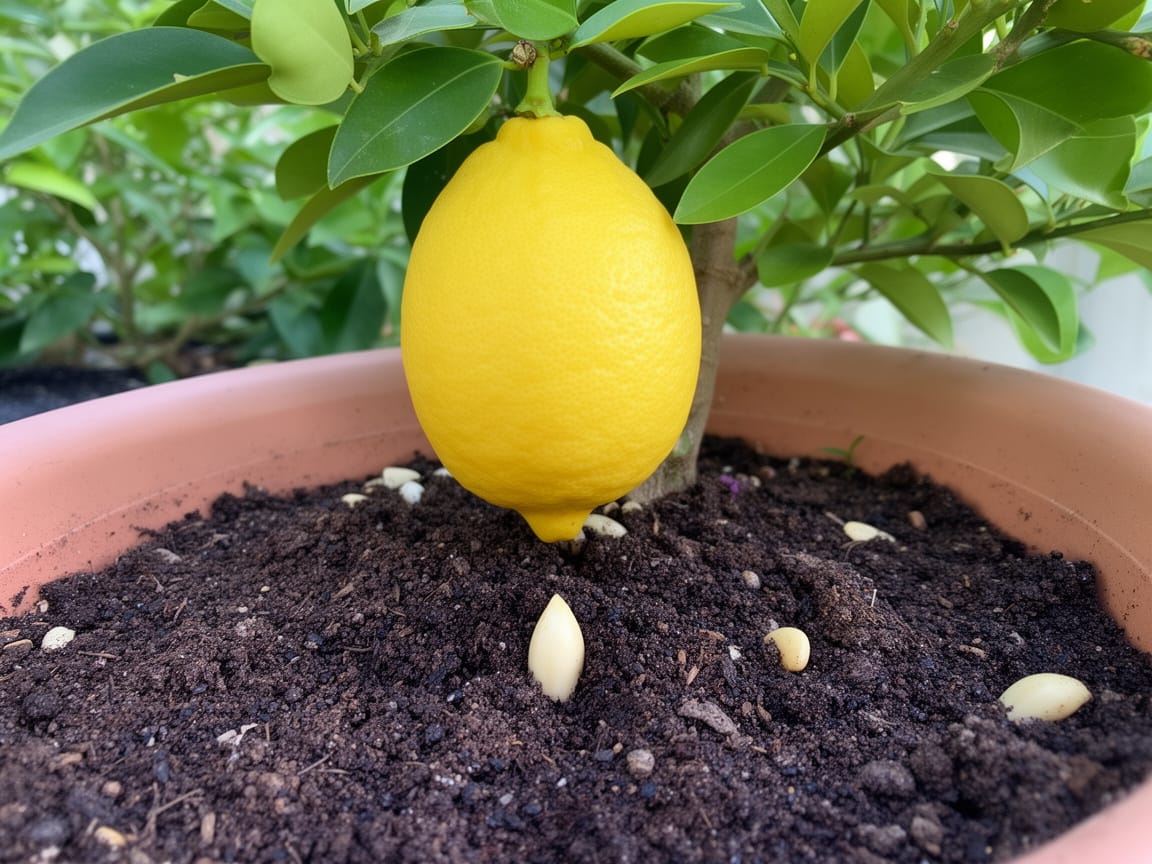
    The stages of growing a lemon tree from seed show how the plant develops over time. From germination to early growth, each phase requires patience, proper sunlight, watering, and care to support healthy development and long-term fruit potential. Now stepwise process i describe below:

    Step-by-Step Organic Indoor Lemon Seed Propagation Guide

    1. Choose and Prepare Your Lemon Seeds

    Select a ripe, organic lemon. Organic fruit ensures the seeds haven’t been treated with growth inhibitors or chemicals that can prevent germination. Slice the lemon gently to avoid damaging the seeds inside.

    Extract and clean the seeds. Rinse each seed under lukewarm water to remove all pulp and juice—any remaining sugar can encourage mold. Then soak them for 1–2 hours in room-temperature water to soften the protective seed coat.

    Optional (but helpful): pre-sprout them. Wrap the seeds in a moist paper towel, place them in a breathable plastic bag (like a sandwich bag with small holes or left slightly open), and keep them in a warm spot (70–80°F). Check daily to make sure the towel stays damp but not dripping. Most seeds begin to sprout within 2–4 weeks.

    2. Prepare an Organic Growing Medium

    Lemons need an airy, well-draining medium. I’ve tested several mixes; this combination gives the best root development for indoor trees:

    IngredientPurposeOrganic / Sustainability Notes
    2 parts organic citrus or potting mixBase mediumChoose a certified organic blend free of synthetic fertilizers and wetting agents.
    1 part perlite or coarse sandImproves drainageAvoid mined sand from beaches; horticultural perlite is fine.
    1 part finished compost or worm castingsNutrient supportAdds beneficial microbes and mild nutrients.

    Mix these thoroughly in a clean container before potting.

    3. Choose the Right Container

    Start with small 3–4 inch biodegradable pots or nursery cells that drain well. If you’re growing in an apartment, I recommend natural fiber or bamboo pots they breathe better and reduce transplant shock later.

    Each pot should have:

    • Drainage holes
    • A small saucer to catch excess water
    • A top layer of fine mulch (like shredded coconut coir or pine bark) to retain moisture

    4. Plant the Seeds

    If you’ve pre-sprouted the seeds:

    • Place one sprouted seed per pot, root tip facing downward, about ½ inch deep. If you’re planting unsprouted seeds:
    • Plant two seeds per pot to improve your odds thin out weaker seedlings later.

    Water gently to settle the soil, keeping it evenly moist but never waterlogged.

    5. Warmth and Light: The Two Essentials

    Temperature: Keep seedlings in a spot that stays between 70–80°F. Citrus seeds need warmth more than intense light at first. I often place trays on top of a refrigerator or use a seedling heat mat set to low.

    Light: Once sprouts appear, move them to a south-facing window or under a full-spectrum LED grow light (12–14 hours per day). Light is critical leggy, pale seedlings are a sign of insufficient light.

    6. Watering and Humidity

    • Keep the soil slightly moist, never soggy.
    • Use room-temperature, filtered, or rainwater whenever possible. Chlorinated tap water can stress young citrus roots.
    • Maintain humidity around 50–60%. Indoors, you can set pots on a shallow tray filled with pebbles and water (the pots should rest above the water line).

    7. Transplanting to Larger Pots

    Once seedlings reach 4–6 inches tall and have several sets of leaves, transplant them into 6–8 inch containers. Use the same organic soil mix, and gently tease apart the roots if you’ve grown more than one seed per pot.

    Over time, move up to 12–16 inch containers with drainage holes as the tree matures.

    8. Feeding and Care

    Fertilize organically beginning about 6 months after germination. Use a citrus-specific organic fertilizer, compost tea, or diluted fish emulsion every 4–6 weeks during spring and summer. Reduce feeding during fall and winter.

    Rotate your pot every week or two to keep the growth even. Wipe the leaves occasionally with a damp cloth to remove dust and allow the plant to breathe.

    9. Overwintering Indoors

    In colder U.S. regions (Zones 5–8), lemon trees must stay indoors once nighttime temps drop below 50°F. Place them near a bright window away from cold drafts or heating vents. Supplemental lighting is often necessary between November and March.

    If you live in a warm climate (Zones 9–11), you can move the pot outdoors during the growing season just acclimate gradually to prevent sunburn.

    10. Long-Term Support and Patience

    Your lemon tree will need:

    • Consistent sunlight (8+ hours/day)
    • Good airflow around leaves
    • Regular organic feeding
    • Pruning once a year to shape and encourage branching

    And most importantly patience. A seed-grown lemon tree takes years to reach maturity, but each stage is rewarding. You’ll enjoy glossy foliage, fragrant blossoms (eventually), and a living piece of your own organic garden right in your home.

    Pro Tip: Boosting Success with Partial Grafting

    If your goal is fruit production but you still want the experience of growing from seed, you can graft a cutting of a mature lemon tree onto your seedling when it’s about 1 year old. It keeps the organic process intact but dramatically shortens the fruiting timeline to 2–3 years.

    My Real-World Setup Example

    In my own small home workspace in Massachusetts, I keep two Meyer lemon trees grown from seed in 14-inch terracotta pots. Each has a layer of pine bark mulch and sits on a humidity tray near a south-facing window. I supplement with a full-spectrum light for 12 hours a day during winter. They’re now four years old vigorous, beautifully scented, and just starting to produce flower buds this year.

  • Best Plants to Grow in a Greenhouse | Expert Tips and Plant List

    Best Plants to Grow in a Greenhouse | Expert Tips and Plant List

    Every product is independently reviewed and selected by our editors. If you buy something through our links, we may earn an affiliate commission at no extra cost to you.

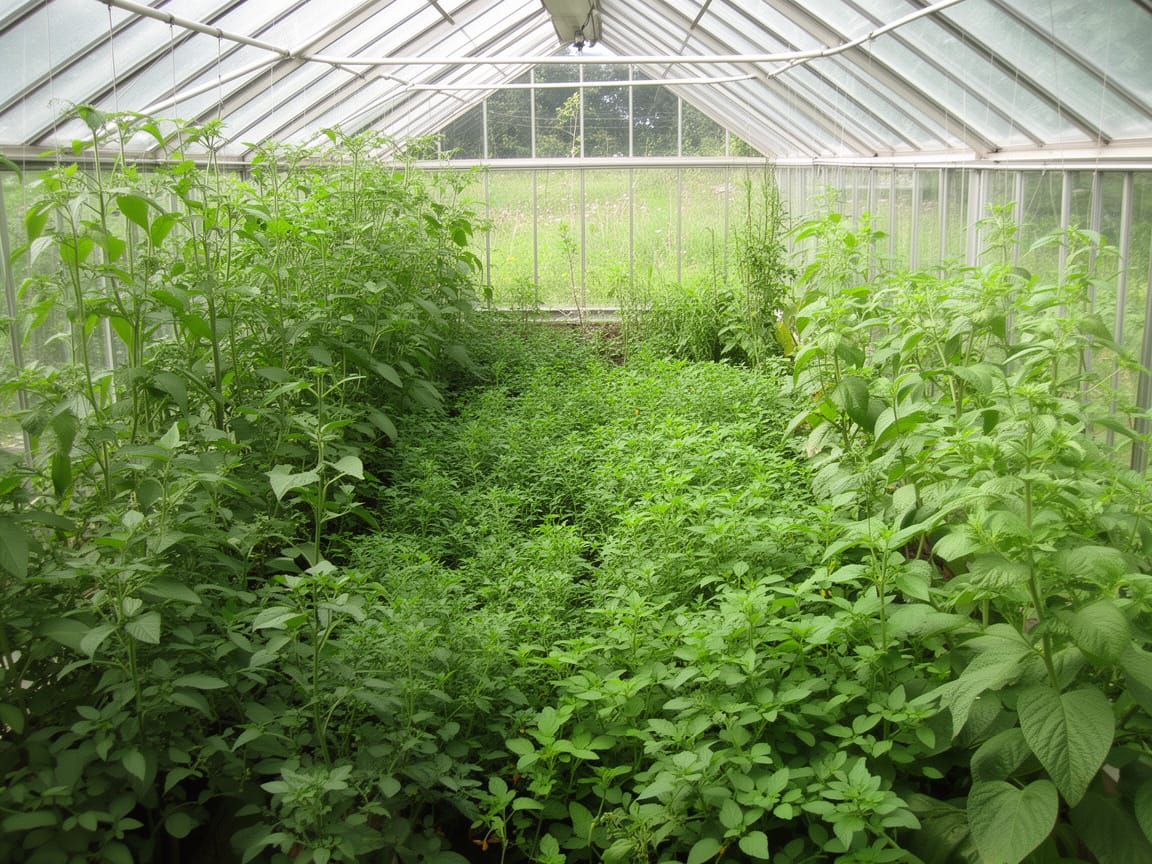
    That’s a truly important and practical matter .I help homeowners and also answer often when they first set up their greenhouse. The beauty of a greenhouse is control: warmth, protection, and extended seasons. But that means the best plants are those that actually benefit from that control, not just anything you’d grow outdoors.

    Here’s how I help clients in the U.S. decide what to grow for the best yield, lowest maintenance, and longest harvest season.

    1. Understand What a Greenhouse Does Best

    A greenhouse creates a stable, protected microclimate. It traps heat, shields plants from wind, and allows you to manage humidity and watering precisely. So the ideal plants are those that either:

    • Need more heat than your local climate provides,
    • Can’t tolerate wind, pests, or cold snaps, or
    • Benefit from an extended growing season (longer than your outdoor frost window).

    In other words, the greenhouse isn’t just shelter it’s a way to grow delicate or long-season crops naturally and organically.

    Top Greenhouse Crops by Category

    A. Warm-Season Vegetables (the greenhouse classics)

    These are the crops that truly thrive in the warmth and protection of a greenhouse.

    PlantWhy It’s IdealMy Practical Tips
    TomatoesNeed steady warmth and pollination controlUse indeterminate varieties; prune for air flow; hand-pollinate or use a small fan
    Peppers (sweet and hot)Love consistent heat and humidityKeep soil evenly moist; avoid over-fertilizing with nitrogen
    CucumbersGrow quickly and verticallyTrain up twine or netting; harvest often to keep vines productive
    EggplantsBenefit from shelter against cold nightsStake early; watch humidity — they dislike stagnant air
    Bush BeansFast, compact, and productiveGreat for small spaces; rotate after harvest to avoid pests

    These crops typically give the highest return for your greenhouse space in flavor and volume.

    B. Cool-Season and Transitional Crops

    Perfect for spring and fall when outdoor temps swing too much.

    PlantSeasonNotes
    Lettuce, spinach, arugula, and other greensFall–springThrive in cooler temps; harvest continuously
    Radishes, carrots, beetsEarly spring or late fallSow densely; thin for baby roots
    Kale, Swiss chard, mustard greensFall–winterVery cold-tolerant, require little heat
    Broccoli rabe, bok choySpring / fallQuick growers; appreciate stable humidity

    When I manage small greenhouses for clients, I often run these crops under tomato or cucumber trellises early or late in the season using space twice in one year.

    C. Herbs That Excel Indoors

    Herbs are the easiest, most rewarding greenhouse crops for both beginners and busy gardeners.

    HerbCare TipBenefit
    BasilLoves heat; pinch tips oftenYear-round fresh leaves
    ParsleyHandles partial shade wellLong harvest window
    CilantroPrefers cooler tempsSow in succession every 3–4 weeks
    Thyme, oregano, rosemaryKeep drier and well-drainedPerennial herbs that smell amazing
    Mint and lemon balmGrow in pots (very aggressive roots)Great for teas and pollinator attraction

    By grouping herbs with similar watering needs, you’ll keep maintenance simple and avoid fungal issues.

    D. Fruits for Experienced or Heated Greenhouses

    If you can keep nighttime temps above 50°F, try these rewarding long-term crops:

    FruitBest ConditionsNotes
    StrawberriesCool, bright, moderate humidityExcellent in hanging baskets or vertical towers
    Lemons, limes (dwarf citrus)Heated greenhouse or sunroomFragrant and ornamental
    FigsLarge containers; moderate heatGreat for unheated greenhouses in mild climates
    Melons (small varieties)Warm, well-ventilated spaceTrellis to save space

    These give both beauty and yield if you’re ready for a bit more care.

    E. Specialty or Quick-Turn Crops

    If you want continuous productivity and fast harvests:

    • Microgreens: A tray can be ready in 10–14 days.
    • Cut-and-come-again lettuces: Ideal for small families.
    • Seedlings and starts: Use the greenhouse as your propagation house before transplanting outdoors.

    This approach keeps your greenhouse profitable and active even when main crops are between seasons.

    What Not to Grow Inside

    Some plants simply don’t justify the space or prefer outdoor conditions:

    • Corn or large vine squash: Too tall and sprawling.
    • Potatoes, onions, garlic: Better in open soil and cooler air.
    • Perennial shrubs or trees: Unless you’re in a large high-tunnel, they quickly outgrow the space.

    Keep your greenhouse for plants that truly need a controlled microclimate.

    Layering for Maximum Efficiency

    In small greenhouses (6×8 or 8×10 ft), plan by height:

    • North wall: Trellised crops like tomatoes or cucumbers.
    • Middle bench: Mid-height crops such as peppers and herbs.
    • South edge: Low-growing greens and starts that enjoy extra light.
    • Overhead baskets: Strawberries, mint, or small trailing herbs.

    This vertical zoning uses every cubic foot efficiently.

    Organic Care Habits for Healthy Growth

    Based on many seasons maintaining greenhouses organically:

    • Vent daily even in winter to prevent mold and condensation.
    • Mulch soil with straw or coco coir to stabilize moisture.
    • Feed gently with compost tea or fish emulsion; overfeeding causes salt buildup.
    • Encourage pollination using small fans or gentle hand-shaking for fruiting plants.
    • Clean between crops wipe surfaces and replace old potting mix yearly to avoid disease buildup.

    These small routines make or break greenhouse success.

    Example All-Season Greenhouse Plan (6×8 ft)

    SeasonCropsNotes
    WinterKale, spinach, parsley, lettuce mixesCold-hardy greens in insulated beds
    SpringTomatoes, cucumbers, peppers (seed starts)Transition to warm-season crops
    SummerTomatoes, basil, eggplant, herbsPeak productivity
    FallGreens, carrots, herbs, cool-season rootsExtend harvest and prep for winter

    This rotation gives constant fresh produce and uses the space 12 months a year.

    Final Takeaway

    The best plants to grow in a greenhouse are those that:

    • Prefer stable warmth (tomatoes, peppers, basil)
    • Benefit from extended seasons (greens, herbs)
    • Tolerate close planting and controlled humidity (lettuce, cucumber, strawberries)

    Start with a mix of one fruiting crop, one leafy crop, and several herbs that combination teaches you how your greenhouse behaves through the seasons without overwhelming you.

  • What Is the Most Efficient Garden Layout | Smart Designs That Save Space

    What Is the Most Efficient Garden Layout | Smart Designs That Save Space

    Every product is independently reviewed and selected by our editors. If you buy something through our links, we may earn an affiliate commission at no extra cost to you.

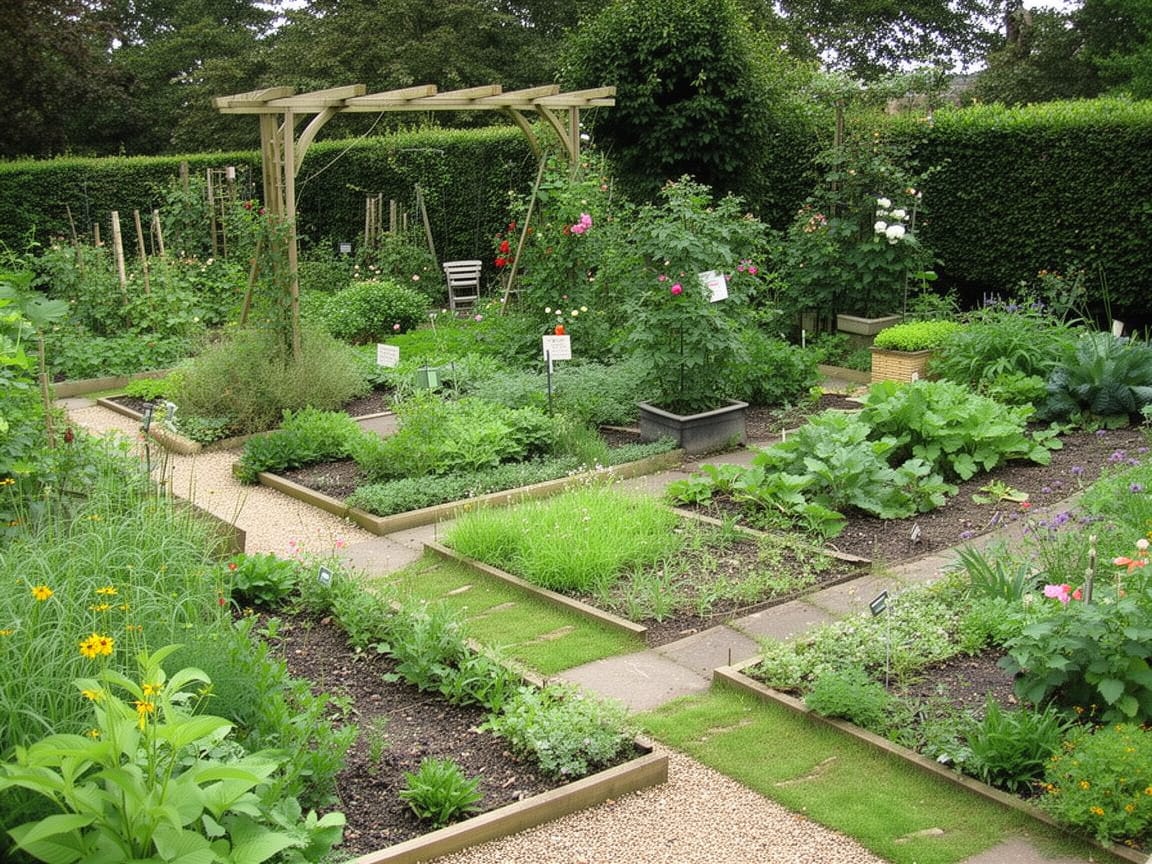
    The “most efficient” garden layout isn’t one universal pattern it’s the layout that makes the best use of your specific microclimate, sunlight, soil, and daily habits. Still, there are proven design principles that consistently deliver high yields, low maintenance, and good soil health.

    Key Principles Behind the Most Efficient Garden Layout

    Here’s how I approach efficiency when I’m designing gardens for real U.S. homes from small suburban yards to rural kitchen gardens.

    1. Start With Observation, Not Geometry

    Before you draw a single line, spend a few days watching:

    • Sunlight patterns: Note which areas get full sun (6+ hours), partial shade, or afternoon heat.
    • Slope and drainage: Water naturally runs downhill efficient gardens use that to their advantage.
    • Access and convenience: You’ll care for what you can easily reach. Place the garden near your kitchen or a water source.

    An efficient layout begins with working with your site, not forcing a pattern onto it.

    2. Use Raised or Defined Beds Never Random Rows

    In almost every residential garden I’ve seen thrive, raised beds or defined in-ground beds outperform traditional long rows. They:

    • Improve soil drainage
    • Make watering more efficient
    • Reduce soil compaction
    • Keep compost and mulch concentrated where plants need them

    Standard bed size:

    • 3–4 feet wide so you can reach the center without stepping in
    • Any convenient length (most homeowners use 6–10 feet)
    • 1–12 inches deep depending on soil quality

    Between beds: Leave 18–24 inches for pathways just enough for a wheelbarrow or kneeling access.

    This setup increases planting density dramatically while reducing wasted path area.

    3. Organize Beds by Sun, Height, and Water Needs

    Efficient layouts group plants with similar requirements together.

    ZoneConditionsIdeal Crops
    Full sun & drier soil (south side)6–8 hrs+ sunlightTomatoes, peppers, squash, basil
    Partial sun (east or west side)4–6 hrs sunlightLettuce, chard, herbs
    Moist or shaded area (north edge)Cooler & dampKale, spinach, parsley, mint

    Within each bed, tall crops (corn, trellised beans) go on the north side so they don’t shade shorter plants.

    4. Choose an Efficient Layout Pattern

    Option 1: Rectangular Raised-Bed Grid (Most Popular for Home Gardens)

    • Neat, easy to irrigate, and perfect for succession planting.
    • Works well for fenced gardens or limited suburban backyards.
    • Drip irrigation systems fit neatly along rows.

    Option 2: Keyhole or Circular Beds (Excellent for Small Spaces)

    • Central access path with surrounding planting ring.
    • Reduces walking space and increases reachable growing area.
    • Great for compact courtyards or decorative edible gardens.

    A single 6-foot-diameter keyhole bed yields nearly as much as two 4×4 beds but with easier access.

    Option 3: Four‑Square Rotation Layout

    • Divide the garden into four equal beds for crop rotation (legumes, leafy greens, roots, fruiting crops).
    • Keeps soil nutrients balanced and breaks pest cycles.
    • Ideal for long-term organic gardens.

    5. Plan for Vertical Layers

    Vertical gardening doubles usable area without expanding your footprint:

    • Use trellises on north sides of beds for peas, beans, cucumbers, or tomatoes.
    • Mount wall planters or hanging baskets on fences for herbs and greens.
    • Add A-frame supports between beds for climbing crops.

    In a 10×10 garden, vertical systems can increase yield by 30–50% without crowding.

    6. Integrate Companion Planting

    Efficient gardens grow plants that support each other in pest control and nutrient use. Examples from my own clients’ gardens:

    • Tomatoes + basil + marigolds: repels hornworms and attracts pollinators.
    • Carrots + onions: onions deter carrot flies.
    • Lettuce + radishes + cucumbers: cucumbers provide partial shade as lettuce bolts in heat.

    This reduces the need for chemical inputs and maximizes growth harmony.

    7. Add a Central Path or Working Hub

    A truly efficient garden keeps tools, compost, and water within arm’s reach.

    • A small center hub (compost bin, rain barrel, or workbench) minimizes walking.
    • Paths radiating from the hub reduce travel time and keep foot traffic consistent.

    In my own teaching garden, a 2-foot gravel path loop around four beds saves hours of maintenance time each season.

    8. Use Succession and Interplanting

    Efficiency isn’t only about space it’s also about time.

    • Succession planting: Replant crops immediately after harvest (e.g., follow spring lettuce with bush beans).
    • Interplanting: Use fast growers like radishes between slower crops like cabbage or tomatoes.

    This keeps every square foot productive nearly all season.

    9. Match Irrigation to Layout

    Nothing wastes more time or water than mismatched irrigation.

    • Drip lines under mulch deliver moisture efficiently to raised beds.
    • Soaker hoses can snake through circular or keyhole designs.
    • Rain barrels near the garden reduce hose dragging and water bills.

    If using gravity-fed irrigation, design beds to slope gently (about 1% grade) for even flow.

    10. Include Perennial Edges

    Border beds with perennials like blueberries, rosemary, or pollinator flowers. They define space, attract beneficial insects, and reduce mowing time around your garden. Perennial edges also stabilize microclimates and provide windbreaks for young seedlings.

    11. Don’t Overcrowd It’s the Hidden Inefficiency

    A dense garden looks productive but can waste resources if airflow and light decline.

    • Keep 4–6 inches between small plants, 12–18 inches for medium crops (peppers, kale), and 24+ inches for large fruiting plants.
    • Overcrowding often leads to fungal issues  meaning you’ll spend more time fixing problems than harvesting.

    12. Example: Highly Efficient 10×12 Organic Garden Layout

    ZoneSetupPurpose
    North edgeTrellis for tomatoes and cucumbersVertical growth, shade for greens below
    Center beds (4×4 each)Greens, herbs, root cropsEasy access, rotation ready
    South borderPollinator flowers and basilAttracts bees, defines path
    Corner spacesRain barrel, compost bin, tool hookReduces travel time between tasks

    This layout routinely yields enough produce for a family of four, with minimal weeding and efficient watering.

    13. Seasonal Efficiency Adjustments

    • Spring: Focus on quick crops (radish, spinach, peas) and seed starting.
    • Summer: Transition to heat-lovers (tomato, pepper, squash) and interplant shade-tolerant greens beneath them.
    • Fall: Plant cool-weather crops (broccoli, kale, carrots) in partial-shade zones.
    • Winter (in mild zones or greenhouse): Use cold frames or row covers to extend harvest in existing beds.

    Efficient layouts are flexible they evolve through the year.

    14. Practical Organic Maintenance Habits

    • Mulch deeply (2–3 inches) to retain moisture and suppress weeds.
    • Compost in place: top-dress each bed annually with organic matter.
    • Keep a short daily routine: 10 minutes of watering and observation often prevents hours of later troubleshooting.

    Consistency is the true secret key of efficiency.

    Final Thoughts

    The most efficient garden layout is one that:

    • Fits your site’s light and water naturally.
    • Groups plants by similar needs.
    • Balances access, airflow, and density.
    • Evolves with the seasons instead of fighting them.

    If you’re starting fresh, a rectangular raised-bed grid or compact keyhole layout is the most efficient for most U.S. backyards  flexible, easy to irrigate, and perfect for organic management.

    Would you like me to sketch (in text) a sample efficient layout for your available space  for example, a 10×10 or 12×16 garden with year-round vegetables and herbs? That would make the design immediately actionable for your conditions.

  • How to Maximize Growing Space in a Greenhouse (Beginner-Friendly Guide)

    How to Maximize Growing Space in a Greenhouse (Beginner-Friendly Guide)

    Every product is independently reviewed and selected by our editors. If you buy something through our links, we may earn an affiliate commission at no extra cost to you.

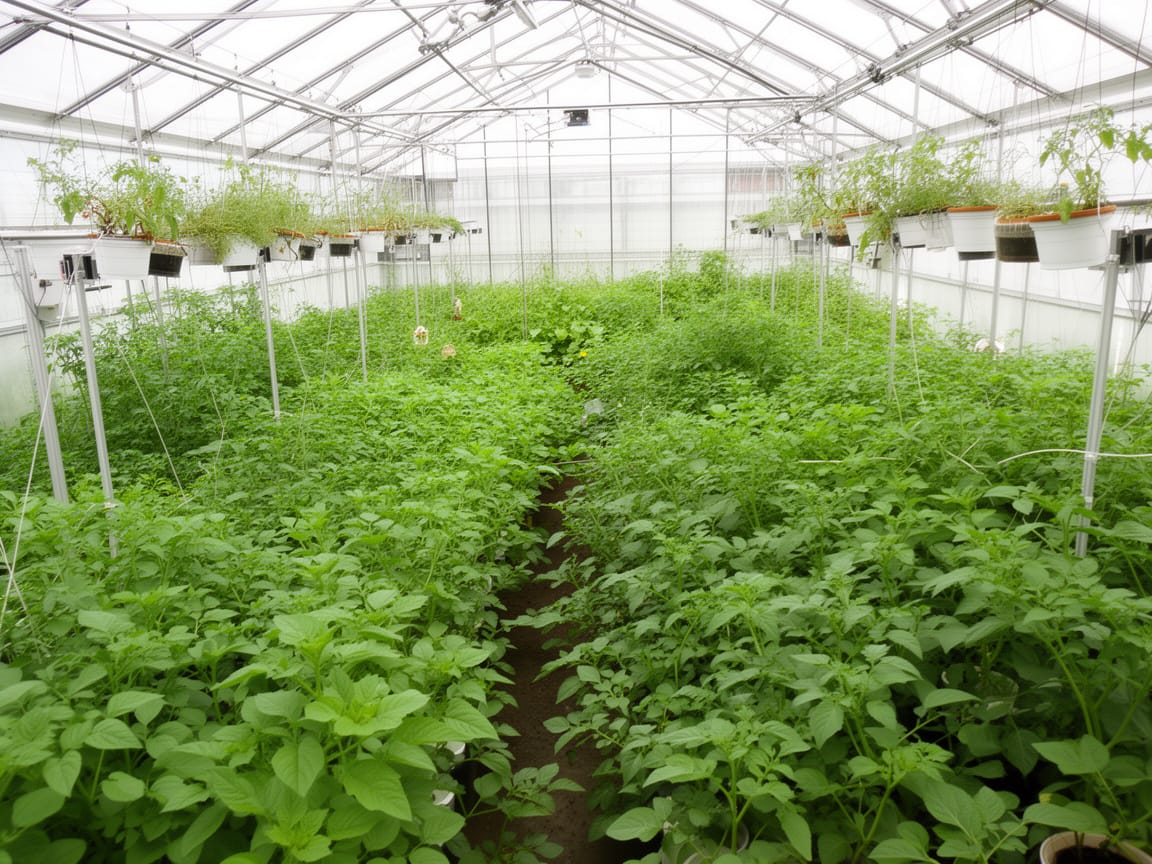
    Making the most of every inch in your greenhouse can dramatically increase plant productivity and variety. How to maximize growing space in a greenhouse? This is a common challenge for gardeners working with limited space but big growing goals. Smart planning, vertical growing techniques, and efficient layouts allow you to grow more plants without overcrowding or reducing airflow. From using shelves and hanging planters to organizing crops by growth habits, small changes can lead to impressive results. In this guide, you’ll learn practical and easy strategies to maximize growing space in a greenhouse while keeping plants healthy, organized, and thriving all season long.

    How to Maximize Growing Space in a Small Greenhouse

    Maximizing growing space in a small greenhouse requires smart planning and creative design. Use vertical shelving, hanging planters, and tiered benches to grow more plants without crowding. Choose compact varieties, rotate crops seasonally, and maintain airflow to keep your greenhouse productive and healthy year-round.

    Below is the method I use in real residential greenhouses to make limited space highly productive year-round.

    1. Plan Around Purpose Not Just Size

    Before adding shelves or benches, decide what you want from the greenhouse:

    Primary GoalKey Design FocusExample Setup
    Seed startingBenching, bottom heat, overhead lightTwo-tier benches with removable trays
    Year-round vegetablesVertical trellising, deep bedsNarrow raised beds + overhead supports
    Tropical or ornamental plantsHeight, humidity, circulationStaged shelving; hanging pots; misting fan
    Overwintering tender plantsOpen floor; easy accessMovable benches; rolling carts

    A greenhouse designed for one main purpose is always easier to manage organically.

    2. Think in Three Dimensions Go Vertical

    In nearly every small greenhouse I’ve installed or redesigned, vertical strategy made the biggest difference.

    Use Multi-Tier Benches

    • Build or buy two- or three-tier benches made from metal or untreated cedar.
    • Keep lower tiers for seedlings or shade-tolerant plants; upper tiers for sun-lovers like tomatoes or peppers.
    • Leave 6–8 inches of clearance between shelf layers for airflow.

    Add Hanging and Wall Systems

    • Secure ceiling hooks into structural braces to hold hanging baskets of herbs, strawberries, or trailing ornamentals.
    • Mount wire grids or trellis panels to side walls for climbing crops like cucumbers or beans.

    Safety tip: Always confirm the frame can handle the extra load when wet I’ve seen frames bow when too many heavy pots were hung from lightweight aluminum rafters.

    3. Design Compact Walkways

    Don’t waste interior space with wide paths.

    • 18 inches is enough for one person with a watering can.
    • Use raised bricks, gravel, or recycled rubber mats for footing that drains well.
    • Keep pathways slightly lower than bed level to improve headspace for plants.

    4. Use Modular, Movable Elements

    Flexibility is critical in small greenhouses:

    • Folding or removable shelves can be taken out in summer for tall crops, then replaced for winter seedlings.
    • Rolling plant carts serve as mobile seed stations or can move tender plants in and out seasonally.
    • Stackable trays help start dozens of plants in a single footprint.

    5. Maximize Light Access

    Light equals growth especially in northern U.S. regions.

    • Place taller plants on the north side, shorter ones toward the south to prevent shading.
    • Clean glazing panels regularly; even a thin film of dust can cut light by 10–15%.
    • Add white or reflective surfaces (painted wood, mylar, or reflective insulation board) to bounce light back into lower tiers.

    Avoid mirrors or aluminum foil they create glare and uneven heating.

    6. Create Temperature & Humidity Zones

    Even small greenhouses naturally have microclimates. Use them.

    ZoneTypical AreaIdeal Crops
    Warm centerNear heater or compost binTomatoes, peppers, basil
    Cool edgesNear vents or doorsLettuce, spinach, kale
    Upper shelvesWarmest air pocketHerbs, propagation trays
    Shaded cornersUnder benchesCuttings, ferns, small ornamentals

    A small fan set on a timer keeps these zones consistent and prevents fungus or damping-off.

    7. Choose Efficient Containers and Layouts

    Uniform Tray Systems

    Use standard 10×20 nursery trays or propagation flats so they stack and move easily.

    Deep Over Wide

    Tall, narrow pots allow strong root growth with less floor space.

    Vertical Towers

    Soil or hydroponic grow towers let you raise 20–30 leafy plants in the footprint of one pot. I’ve installed them along back walls where light remains strong but floor space is tight.

    8. Layer Beds Intelligently

    For gardeners who prefer in-ground or raised-bed systems:

    • Keep beds no wider than 3 feet, so you can reach the middle without stepping in.
    • Stagger heights: greens in front, medium crops in the middle, tall climbers at the back.
    • Add removable seedling shelves above beds in spring; remove them in summer when plants reach full height.

    This “stacked canopy” mimics forest layering and captures more light per square foot.

    9. Integrate Storage Into the Structure

    Every tool left on a bench steals valuable growing area.

    • Mount pegboards or vertical racks for pruners, trowels, and gloves.
    • Store soil and amendments in tightly sealed bins under benches.
    • Keep hoses and watering cans off the floor hang them on side hooks.

    An organized greenhouse always yields more usable space.

    10. Adjust Layout by Season

    Your layout should evolve:

    SeasonMain FocusLayout Tweak
    SpringSeed startingAdd stacked trays and heat mats
    SummerProductionOpen floor, trellises for tall crops
    FallTransitionClear space for storage or cuttings
    WinterMaintenanceCompact plants, use insulation panels

    Taking seasonal photos helps you refine and remember which setups worked best.

    11. Mind Airflow and Health

    An overcrowded greenhouse invites mildew and aphids.

    • Space pots to allow at least one inch of air gap between foliage.
    • Use clip-on fans to circulate air gently over multiple layers.
    • Ventilate daily when temperatures rise above 80°F even in winter using roof vents or propped doors.

    Healthy plants grow faster and denser, effectively increasing productivity per square foot.

    12. Choose Compact, Productive Varieties

    When space is limited, genetics matter.

    • Dwarf tomatoes: “Tiny Tim,” “Patio,” “Micro-Tom.”
    • Compact cucumbers: “Spacemaster,” “Bush Champion.”
    • Miniature peppers: “Lunchbox,” “Gypsy.”
    • Herbs: Choose upright forms of rosemary, thyme, basil.

    These cultivars deliver heavy yields in less vertical and horizontal space.

    13. Reflect Heat and Recycle Energy

    • Install thermal curtains that close at night to retain warmth.
    • Position water barrels or stone slabs to absorb heat by day and release it after sunset.
    • Use bubble wrap insulation on the north wall during cold months.

    These passive strategies reduce energy use and stabilize temperature zones.

    14. Maintain Cleanliness for Efficiency

    A tidy greenhouse grows more in less space:

    • Sweep floors weekly to remove fallen leaves and algae.
    • Disinfect trays and pots between crops with diluted vinegar or hydrogen peroxide solution.
    • Remove any plant that shows mold or pest damage immediately.

    A single infested tray can compromise dozens of others when space is tight.

    15. Example Layout for a 6×8 Backyard Greenhouse

    AreaSetupFunction
    North wallVertical trellis + reflective boardTomatoes, cucumbers, beans
    South wallTwo-tier shelfHerbs, lettuce, seedlings
    Center path18-inch walkwayAccess for watering
    CeilingHanging basketsStrawberries, trailing herbs
    Under benchesStorage binsSoil, tools, watering cans

    This compact layout supports 50–70 plants year-round with balanced airflow.

    Final Takeaway

    To maximize growing space in a greenhouse, think vertically, plan by function, and keep airflow, light, and maintenance in balance. Every successful greenhouse I’ve built follows three principles:

    • Structure follows purpose design around what you grow.
    • Use height wisely  make every cubic foot count.
    • Stay adaptable adjust with the seasons and your crops’ needs.

    Efficient doesn’t mean crowded healthy spacing and good organization nearly always outproduce overpacked setups in the long run.

  • What is the quickest growing shrub

    What is the quickest growing shrub

    Every product is independently reviewed and selected by our editors. If you buy something through our links, we may earn an affiliate commission at no extra cost to you.

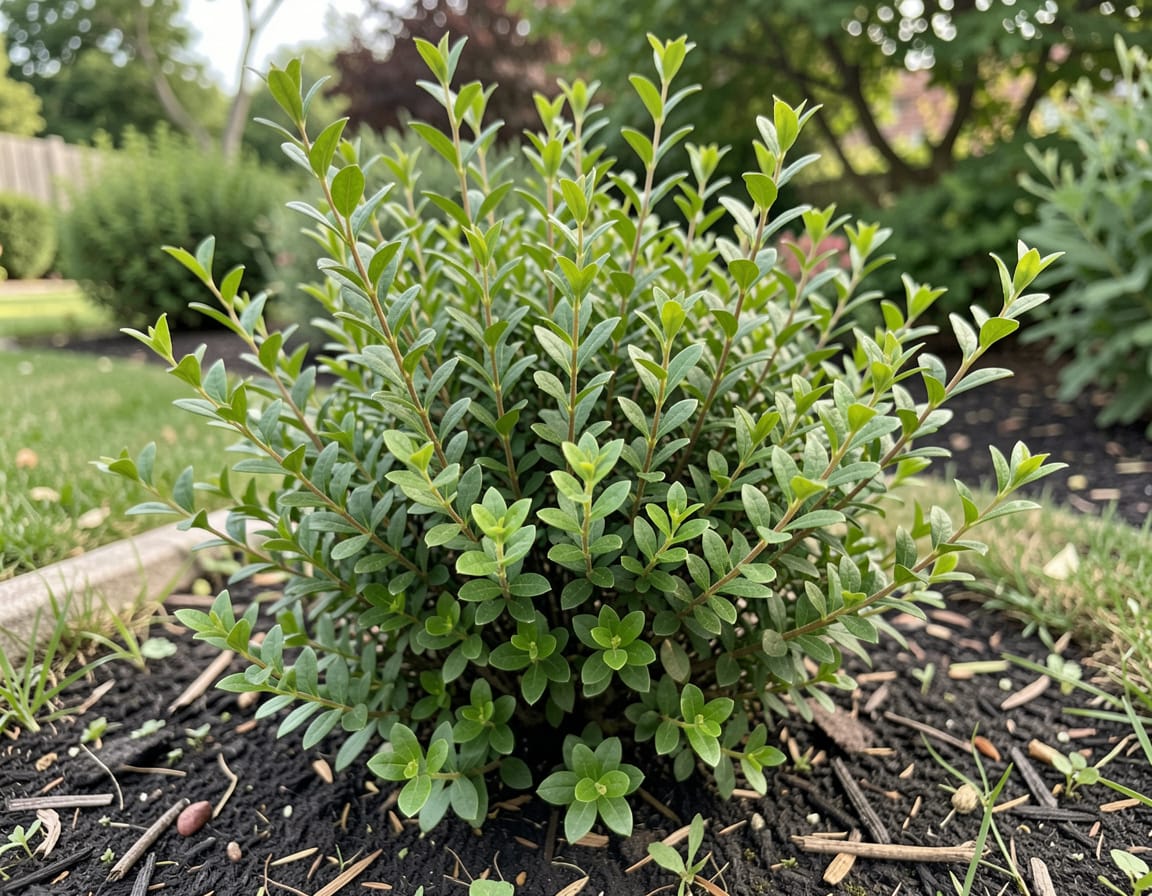
    From my years helping homeowners design organic, sustainable yards, I’ve found that “quickest growing” can mean very different things depending on your climate and your priorities (evergreen cover, flowers, or wildlife habitat). That said, several shrubs reliably put on noticeable growth each season without relying on synthetic fertilizers or aggressive watering.

    Let me walk you through some of the best fast‑growing shrubs for U.S. homes, including real-world performance notes.

    The Fastest-Growing Shrubs for U.S. Gardens

    1. Forsythia (Forsythia × intermedia)

    Average Growth: 1.5–2 feet per year Why it’s effective: In early spring, forsythia is one of the first to bloom—a burst of yellow that signals the end of winter. It establishes quickly even in poor soil. Organic care tip: Prune immediately after flowering to maintain shape. Keep soil mulched with leaf compost to moderate moisture. Best for: Temperate and cold regions (USDA Zones 5–8).

    2. Lilac (Syringa vulgaris and hybrids)

    Average Growth: 1–2 feet per year Why it’s effective: Lilacs grow rapidly once established and provide fragrant spring blooms. Organic care tip: Avoid chemical fertilizers; instead, feed with composted manure in early spring. Best for: Northern and Midwestern climates; they need winter chill for buds to form properly.

    3. Mock Orange (Philadelphus coronarius)

    Average Growth: Up to 2 feet per year Why it’s effective: Fast-growing, easy to prune, and covered in fragrant white blooms that attract pollinators. Organic care tip: Does best in full sun. Add a layer of organic mulch to keep roots cool.

    4. Butterfly Bush (Buddleja davidii)

    Average Growth: 2–3 feet per year Why it’s effective: Few shrubs fill a space faster. It flowers prolifically through summer and draws in butterflies and hummingbirds. Caution: Choose sterile or native-friendly cultivars (e.g., Buddleja ‘Flutterby Petite’) to avoid invasiveness. Organic care tip: Cut to about 12″ in late winter to encourage new growth.

    5. Red-Twig Dogwood (Cornus sericea)

    Average Growth: 1.5–2 feet per year Why it’s effective: Adds quick green mass in summer and stunning red stems in winter. Excellent for wet or poorly drained soil. Organic care tip: Thin older stems every few years to keep color vibrant.

    6. Privet (Ligustrum spp.) with caution

    Average Growth: Up to 3 feet per year Why it’s effective: One of the fastest hedging shrubs available. However: Many privet varieties are invasive in parts of the U.S. If you choose privet, select a sterile or regionally approved hybrid like Ligustrum × vicaryi.

    7. Wax Myrtle (Morella cerifera)

    Average Growth: 1.5–2 feet per year Why it’s effective: Native evergreen for the Southeast and coastal areas. Grows quickly into a privacy hedge while supporting birds. Organic care tip: Minimal fertilization is needed; mulch with pine needles or shredded bark.

    8. Elderberry (Sambucus canadensis)

    Average Growth: 2–3 feet per year once established Why it’s effective: Fast, resilient, and edible. Native elderberries are ideal for organic and wildlife-friendly gardens. Organic care tip: Keep soil evenly moist. Cut back old canes every 2–3 years to rejuvenate.

    9. Viburnum (various species)

    Average Growth: 1–2 feet per year Why it’s effective: Many native species (like Viburnum dentatum) grow quickly and provide dense foliage for screening. Organic care tip: Feed with homemade compost or leaf mold annually.

    Region-Specific Quick Growers

    RegionFastest Organic ShrubsNotes
    Northeast/MidwestForsythia, Lilac, NinebarkCold hardy; add compost in spring
    SoutheastWax Myrtle, Yaupon Holly, SweetspireTolerate humidity and mild winters
    SouthwestTexas Ranger (Leucophyllum), Desert WillowFast in heat with minimal water
    Pacific NorthwestRed-twig Dogwood, Oregon Grape, EscalloniaMoisture-tolerant and evergreen options

    Real-World Growth Expectation

    In a typical, organically maintained yard (no chemical fertilizers, just compost and mulch):

    • Expect 1–2 feet of new growth per year for most fast-growing shrubs.
    • Faster growth (2–3 feet per year) is possible with consistent watering, full sun, and good soil aeration.
    • After 2–3 years of healthy establishment, shrubs usually reach their “cruising speed,” filling in quickly.

    Expert Tips for Faster, Healthier Growth (Without Chemicals)

    • Start with healthy roots. Avoid pot-bound nursery stock.
    • Improve soil structure. Mix in compost or aged manure before planting; this encourages deep rooting.
    • Mulch generously (but not against the stem). Keeps soil moisture consistent and regulates temperature.
    • Prune selectively. Light pruning after the first flush of growth redirects energy into stronger branch development.
    • Water deeply. Shallow watering encourages surface roots; deep watering builds resilience.

    Quickest Growing Shrub My Professional Summary

    If you want immediate green impact, the Butterfly Bush or Forsythia are generally the quickest-growing ornamental shrubs across most U.S. regions.

    If you want a native and sustainable option, Elderberry or Wax Myrtle are my top recommendations they grow fast, feed wildlife, and require minimal input once established.

    Final Takeaway

    The quickest growing shrub depends on your climate, soil conditions, and whether you want evergreen cover or flowers. Rapid growth is only worth it if the plant remains balanced dense but not invasive, vigorous but still easy to maintain organically. When planted with care, mulched properly, and given a bit of compost each season, even moderate growers will surprise you with how quickly they fill in.

  • What Are the Best Shrubs to Plant Around the House |  A Complete Homeowner’s Guide

    What Are the Best Shrubs to Plant Around the House | A Complete Homeowner’s Guide

    Every product is independently reviewed and selected by our editors. If you buy something through our links, we may earn an affiliate commission at no extra cost to you.

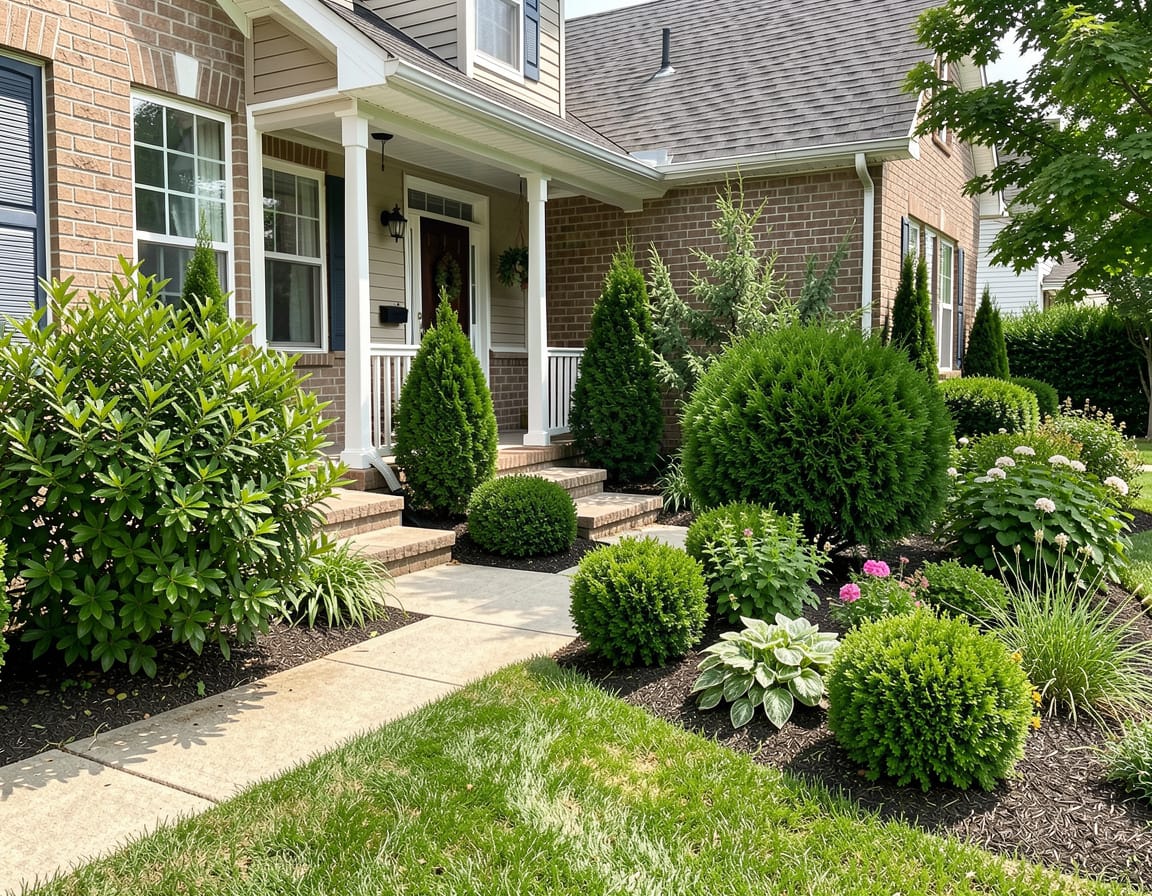
    Choosing the right shrubs can completely transform your home’s appearance and boost curb appeal. What are the best shrubs to plant around the house? This is a common question for homeowners who want beauty, privacy, and low maintenance all in one landscape. The best foundation shrubs enhance your home’s style, thrive in your local climate, and require minimal care year-round. From evergreen shrubs that provide structure to flowering varieties that add seasonal color, selecting the right plants makes a big difference. In this guide, you’ll discover the best shrubs to plant around the house for long-lasting beauty and healthy growth.

    Understanding What “Best Shrubs Around the House” Really Means

    When I evaluate shrubs for foundation or perimeter planting, I look at four main factors:

    • Root Behavior: You want shrubs with non-invasive roots that won’t threaten foundations, driveways, or utility lines.
    • Size and Shape: Mature size matters more than the nursery tag. A shrub that looks cute in a 2-gallon pot can overwhelm a window in five years if it’s the wrong variety.
    • Maintenance and Health: Choose species that stay disease-resistant and attractive with organic practices (compost, mulch, hand-pruning).
    • Environmental Fit: Native or regionally adapted shrubs almost always outperform imported species using less water, less fertilizer, and supporting pollinators.

    My Recommended Shrubs by Region

    I’ve grouped these by broad U.S. climate zones so you can find what’s realistic for your own yard.

    1. Eastern and Mid-Atlantic Regions

    • Inkberry Holly (Ilex glabra) – A native evergreen that’s an excellent substitute for boxwood. It handles damp soil and partial shade and supports native pollinators.
    • Virginia Sweetspire (Itea virginica) – Fragrant white blooms in spring and brilliant red fall color. Thrives in moist, well-drained soil, even in part shade.
    • Oakleaf Hydrangea (Hydrangea quercifolia) – Four-season beauty with showy blooms, textured leaves, and peeling bark. Works well under dappled light.

    2. Southeast and Gulf States

    • Azalea (Rhododendron spp.) – Choose native or heat-tolerant varieties such as Rhododendron canescens for less chemical maintenance.
    • Bottlebrush (Callistemon citrinus) – Excellent for pollinators, evergreen, and tolerant of humidity.
    • Yaupon Holly (Ilex vomitoria) – A tough native evergreen that handles drought once established.

    3. Midwest and Great Plains

    • Ninebark (Physocarpus opulifolius) – Hardy and rugged, with stunning copper or burgundy foliage varieties. Handles cold winters and clay soils.
    • Serviceberry (Amelanchier alnifolia or A. canadensis) – Multi-season interest: spring blooms, edible berries, and fall color.
    • American Cranberrybush Viburnum (Viburnum trilobum) – Native, wildlife-friendly, and tolerant of tough conditions.

    4. Southwest and Arid Regions

    • Texas Sage (Leucophyllum frutescens) – Silver foliage, purple blooms after rain, and extremely drought-tolerant.
    • Desert Willow (Chilopsis linearis) – Technically a small tree, but often used as a shrub. Great for hummingbirds and xeriscaping.
    • Creosote Bush (Larrea tridentata) – A true desert survivor with aromatic foliage.

    5. Pacific Northwest

    • Oregon Grape (Mahonia aquifolium) – Evergreen with yellow flowers, blue berries, and year-round texture.
    • Red-twig Dogwood (Cornus sericea) – Beautiful winter bark color, native, and adaptable to wet conditions.
    • Evergreen Huckleberry (Vaccinium ovatum) – Great for part shade, provides berries for wildlife, and tolerates coastal conditions.

    6. Mountain and High-Elevation Areas

    • Dwarf Mugo Pine (Pinus mugo var. pumilio) – Compact evergreen with excellent cold tolerance.
    • Potentilla (Dasiphora fruticosa) – Hardy, low-growing, and blooms all summer with very little care.
    • Currants (Ribes spp.) – Some species are native, offer edible fruit, and thrive in cool climates.

    Organic Care & Sustainability Tips

    From my experience maintaining hundreds of foundation plantings, these are habits that make shrubs healthy and sustainable:

    • Use Organic Mulch: A 2–3 inch layer of shredded bark or leaf compost keeps roots cool, suppresses weeds, and improves soil life. Avoid dyed mulch it’s often treated with synthetic chemicals.
    • Water Deeply, Not Often: Once established, most shrubs do better with deep, infrequent watering that encourages strong root systems.
    • Feed with Compost, Not Synthetic Fertilizers: Spread finished compost around the base in spring and midsummer.
    • Prune Thoughtfully: Remove crossing or dead branches in late winter, but avoid heavy pruning that stresses the plant.
    • Avoid Foundation Crowding: Leave 2–3 feet between mature shrubs and the house for air circulation and maintenance access.

    Common Mistakes to Avoid

    • Planting Too Close to the House: This causes mildew, pest issues, and eventual foundation interference.
    • Ignoring Mature Size: Always check the mature height and width on the plant tag.
    • Choosing Synthetic “Instant Green” Options: Many boxwoods and “plastic-looking” evergreens are treated with growth retardants or neonicotinoids before sale.
    • Overwatering: Especially common with new homeowners. Shrubs prefer to dry slightly between watering sessions.

    Best Practices for Renters or Small Yards

    If you rent or have limited outdoor space, go for container-friendly shrubs you can move with you:

    • Dwarf blueberry (Vaccinium spp.)
    • Dwarf conifer varieties (juniper, mugo pine, or holly)
    • Compact hydrangeas in large planters Use untreated wood, clay, or stone containers, and organic potting mix (look for OMRI-listed options).

    Long-Term Eco-Friendly Benefits

    Well-selected shrubs improve air quality, reduce energy costs by shading walls, and support native wildlife all while increasing your home’s curb appeal without toxic fertilizers or pesticides.

    Quick Reference Table

    ShrubRegionWhy It’s UsedHealth / Ecological Benefit
    Inkberry HollyEast CoastEvergreen structure near foundationNative, supports pollinators
    NinebarkMidwestCold-hardy, colorful foliageThrives without chemicals
    Texas SageSouthwestDrought-tolerant screeningAttracts pollinators, saves water
    Oregon GrapeNorthwestEvergreen winter interestFeeds birds, low maintenance
    Yaupon HollySoutheastHeat & drought tolerantNative, non-toxic berries for wildlife

    Extra Expert Tips

    • Use Mixed Groupings: Combine evergreen and deciduous shrubs for four-season interest.
    • Layer with Perennials: Native grasses or flowering perennials like echinacea or black-eyed Susan create a natural, balanced look.
    • Think Long-Term: Avoid over-ornamental, short-lived hybrids that need constant pruning or chemical feeding.

    FAQs

    1. What are the best shrubs to plant around the house for low maintenance? Native evergreens like inkberry holly, yaupon holly, and Oregon grape are top choices they’re resilient, disease-resistant, and attractive year-round.

    2. Can I plant shrubs close to my foundation? Yes, but maintain at least 2–3 feet of space from the wall to allow airflow and prevent moisture buildup.

    3. Which shrubs are non-toxic for pets and kids? Serviceberry, blueberry, and sweetspire are safe options. Avoid oleander, azalea, and yew, which can be toxic if ingested.

    4. How do I keep my organic shrubs healthy without chemicals? Feed with compost, mulch annually, and use beneficial insects or neem oil for pest control if needed.

    5. What are the best shrubs around the house for privacy? Consider natives like wax myrtle (Southeast), ninebark (Midwest), or red-twig dogwood (Northwest).

    6. How can renters grow shrubs organically? Use large containers with organic soil and water-retaining mulch. Choose dwarf varieties that stay compact.

    Final Thoughts

    Choosing the best shrubs to plant around the house isn’t just about looks it’s about longevity, safety, and sustainability. In my experience, the healthiest landscapes are those where the homeowner planned for local conditions, used organic practices, and gave each plant room to thrive. Start small, observe how your site behaves through the seasons, and build your plant palette gradually. That approach always produces the most natural, beautiful, and low-maintenance results.

  • What is the fastest growing shrub for privacy

    What is the fastest growing shrub for privacy

    Every product is independently reviewed and selected by our editors. If you buy something through our links, we may earn an affiliate commission at no extra cost to you.

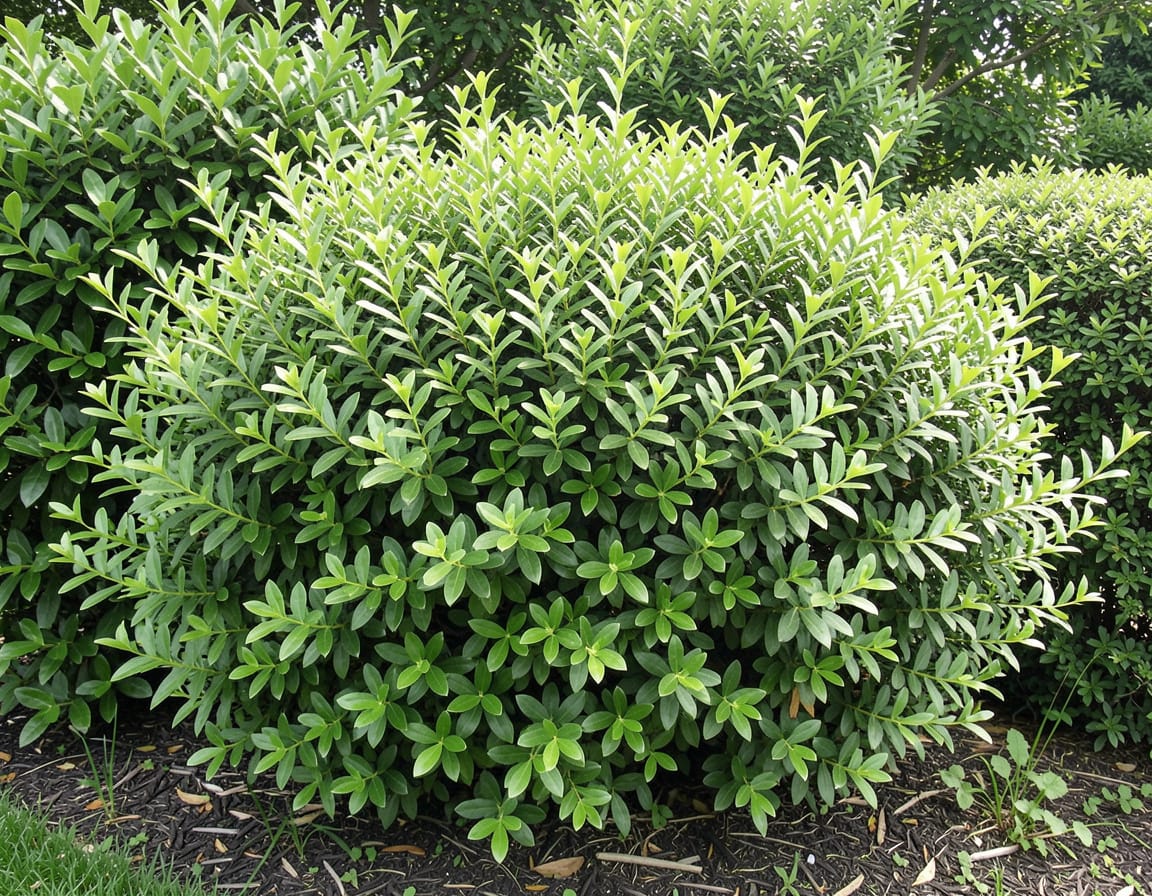
    If you want a reliable, fast-growing privacy hedge that’s also sustainable and low-maintenance:

    • In most U.S. climates: Green Giant Arborvitae (Thuja ‘Green Giant’) evergreen, disease-resistant, grows 3–5 ft per year once established.
    • For a more natural, wildlife-friendly look: Wax Myrtle (Morella cerifera) or American Holly (Ilex opaca) in the Southeast Privet (Ligustrum ovalifolium) or Viburnum tinus in temperate coastal zones Red-Twig Dogwood (Cornus sericea) or Ninebark (Physocarpus opulifolius) in northern regions

    Let’s go deeper so you can choose intelligently for your home and climate.

    Fast-Growing Shrubs by Region

     Nationwide Favorite: Green Giant Arborvitae

    • Growth Rate: 3–5 feet per year after establishment.
    • Height: 30–50 ft tall; spacing 5–6 ft apart for dense screen.
    • Sun/Soil: Full sun to part shade; tolerates most soils except soggy clay.
    • Why professionals love it:
      • Disease- and deer-resistant (unlike Leyland cypress).
      • Holds color all winter.
      • Low pruning needs once mature.
    • Best For: Suburban lots, large yards needing evergreen privacy.

    Sustainability note: Choose locally grown nursery stock not wild-dug trees and use organic mulch to hold moisture.

     Southeast and Gulf States: Wax Myrtle (Morella cerifera)

    • Growth Rate: 2–4 feet per year.
    • Height: 10–20 ft tall.
    • Sun/Soil: Full to partial sun, even tolerates sandy or salty soil.
    • Why it works: Native, aromatic leaves repel insects, and berries feed birds.
    • Maintenance: Light pruning keeps it dense; drought-tolerant once established.

    Pro tip: Plant 3–4 feet apart for an informal, natural hedge that screens quickly and supports pollinators.

     West Coast & Pacific Northwest: Portuguese Laurel (Prunus lusitanica)

    • Growth Rate: About 2–3 feet per year.
    • Height: 15–20 ft when trimmed.
    • Sun/Soil: Adaptable; prefers well-drained soil.
    • Why I recommend it:
      • More drought-tolerant and disease-resistant than English laurel.
      • Deep green, glossy leaves with white spring flowers.
      • Perfect for formal or modern hedges.

    Northeast & Midwest: Ninebark (Physocarpus opulifolius)

    • Growth Rate: 2–3 feet per year.
    • Height: 8–10 ft tall.
    • Sun/Soil: Full sun to part shade; handles cold winters and poor soils.
    • Why it’s great:
      • Native, hardy, and pollinator-friendly.
      • Beautiful peeling bark and spring blooms.
      • Low-maintenance screen with four-season interest.

    For faster density, interplant with viburnums or serviceberries while the ninebark matures.

    Southwest & Arid Regions: Hopseed Bush (Dodonaea viscosa)

    • Growth Rate: 2–3 feet per year.
    • Height: 12–15 ft tall.
    • Sun/Soil: Full sun, drought-tolerant once established.
    • Why it fits desert landscapes:
      • Evergreen, heat-hardy, and wind-resistant.
      • No invasive tendencies.
      • Performs well even in reflected heat zones around patios.

    Eco tip: Use drip irrigation and mulch to conserve water; prune annually to maintain shape.

    Temperate Coasts & Milder Climates: Privet (Ligustrum ovalifolium) or Viburnum tinus

    • Growth Rate: 2–3 ft per year.
    • Height: Up to 12–15 ft tall.
    • Sun/Soil: Full sun to partial shade.
    • Why it works: Classic hedge look, evergreen foliage, tolerant of pruning.

    Sustainability caution: Some privet species are invasive in parts of the U.S. choose sterile or local cultivars only, or opt for viburnum as a safer alternative.

    Cold Northern States: Red-Twig Dogwood (Cornus sericea)

    • Growth Rate: 2–3 ft per year.
    • Height: 6–9 ft.
    • Sun/Soil: Full sun; tolerates wet or clay soils.
    • Why it’s effective:
      • Dense, fast screening foliage in summer.
      • Brilliant red stems for winter appeal.
      • Native and supports local wildlife.

    Planting for Fast Results

    Even fast growers need a good start. I teach clients this three-step “healthy hedge” approach:

    • Proper spacing:
      • Don’t crowd dense planting slows long-term growth.
      • Space shrubs 1/2 to 2/3 of their mature width apart.
    • Compost and mulch:
      • Mix compost into the top 8–10 inches of soil.
      • Add 2–3 inches of organic mulch (not bark dyed with chemicals).
    • Deep, infrequent watering:
      • Establish roots with weekly deep soaking rather than daily sprinkles.

    Avoid synthetic “fast-growth” fertilizers; they push weak, leggy growth that’s more prone to disease and drought stress.

    For Renters or Small Yards

    If you can’t plant a full hedge:

    • Container option: Use large planters with bamboo or trellis screens and plant Privet, Pittosporum tobira, or compact viburnum.
    • Portable privacy: Combine wooden lattice with tall grasses (like Miscanthus or Muhly grass) for a seasonal, soft barrier.

    These provide instant screening and can move with you.

    Common Mistakes to Avoid

    • Planting too close together causes competition and thinning later.
    • Choosing invasive species (some privets, bamboo varieties).
    • Overfertilizing forces weak, shallow roots.
    • Ignoring long-term height  some “shrubs” become trees in a few years.
    • Neglecting soil prep even fast growers stall in compacted or waterlogged soil.

    Extra Expert Tips

    • Mix evergreen and deciduous shrubs for year-round coverage and biodiversity.
    • Add native underplantings (ferns, sedges, flowering perennials) to attract pollinators and stabilize soil.
    • Stagger rows (zigzag) for fuller screening faster.
    • Prune lightly the first few years to encourage branching and thick growth.
    • Use rainwater or drip systems for efficient irrigation.

    FAQ: Fast-Growing Privacy Shrubs

    1. What’s the absolute fastest-growing evergreen for privacy? Green Giant Arborvitae — under good conditions, 3–5 feet per year.

    2. How long until I have a full privacy hedge? Usually 2–3 years for semi-mature screening, 4–5 for full maturity if properly spaced and maintained.

    3. What’s the best organic fertilizer for establishing hedges? Compost, aged manure, or slow-release organic blends (like Espoma Plant-Tone). Avoid chemical nitrogen spikes.

    4. Can I mix species for visual interest? Yes  blending evergreens (for winter cover) with native deciduous shrubs creates texture and resilience.

    5. What’s a good low-maintenance option if I don’t want constant trimming? Wax Myrtle, Ninebark, or Cebu Blue Viburnum maintain soft, natural shapes with minimal pruning.

    Final Takeaway

    If your goal is fast, natural privacy without chemicals or constant upkeep, go with Green Giant Arborvitae for a formal evergreen hedge or Wax Myrtle for a native, wildlife-friendly screen in warmer regions.

    In my experience designing privacy plantings across the U.S., success comes less from the species alone and more from healthy soil, correct spacing, and consistent watering during those first two years. Do that right, and your “instant hedge” will genuinely take shape faster  and last far longer than any fence money can buy.

  • What is the best pothos for climbing

    What is the best pothos for climbing

    Every product is independently reviewed and selected by our editors. If you buy something through our links, we may earn an affiliate commission at no extra cost to you.

    Pothos plants are famous for their trailing beauty, but many varieties also excel at climbing when given the right support. If you’re wondering what is the best pothos for climbing, the answer depends on growth strength, leaf size, and adaptability. Some pothos varieties naturally cling to moss poles, trellises, and walls, creating a bold vertical display. In this guide, you’ll discover the best climbing pothos options, how they grow upward, and what makes them ideal for indoor spaces. Whether you want lush green walls or statement houseplants, choosing the right pothos makes all the difference.

    A Guide to Fast-Growing, Strong-Climbing Varieties

    Golden Pothos (Epipremnum aureum) the most reliable and forgiving climber Cebu Blue Pothos (Epipremnum pinnatum ‘Cebu Blue’) elegant, fast-growing, and develops dramatic split leaves when mature “Jade or Emerald Pothos (Epipremnum aureum ‘Jade’/‘Emerald’) “ low-light tolerant and steady climbers indoors

    Let’s look at why these specific varieties outperform others for climbing setups.

    1. Golden Pothos The Classic Climber

    Why it’s best: Golden pothos naturally sends out strong, fast-growing vines and thick aerial roots that grip onto moss poles, coir, wood, or textured walls with ease. When given vertical support, its leaves can grow several times larger than when trailing.

    Best Use Cases:

    • Indoor moss poles or coir totems
    • Wall trellises or frames in bright rooms
    • Training up stair railings or along vertical garden boards

    Professional tip: Keep humidity moderate and mist the pole occasionally — aerial roots will latch more securely and produce lush, tropical foliage.

    2. Cebu Blue Pothos The Modern, Sculptural Climber

    Why it’s special: This species (technically Epipremnum pinnatum) climbs beautifully and changes appearance as it matures. Juvenile leaves are narrow and blue-silver; when grown vertically, they develop deep fenestrations (splits), resembling mini monstera leaves.

    Best Use Cases:

    • Modern minimalist interiors or bright offices
    • Climbing up driftwood or tall coir poles
    • Container gardens needing vertical interest

    Light & Care: Thrives in bright, indirect light and evenly moist soil. Too little light slows climbing and leaf development.

    3. Jade / Emerald Pothos The Low-Light Climber

    Why it stands out: If your space has lower light levels (north-facing windows, interior offices), Jade or Emerald pothos hold solid green leaves and still climb steadily. They’re slower than Golden Pothos but more shade-tolerant.

    Best Use Cases:

    • Corners with limited natural light
    • Vertical shelving units or partitions
    • Apartment entryways

    Expert insight: In low light, use natural-fiber twine or jute lattice to guide vines upward these varieties attach better to textured materials than to smooth surfaces.

    4. Marble Queen or Snow Queen For Aesthetic Climbing (Advanced Growers)

    These can climb but are slightly fussier. Their creamy variegation means less chlorophyll, so they prefer brighter light and slightly warmer temperatures to maintain steady, upward growth.

    Best Use Cases:

    • Decorative moss poles in bright living rooms
    • Vertical trellises near windows
    • Combined arrangements with darker-leaf pothos for contrast

    If you have indirect bright light and time to prune occasionally, these are stunning visual climbers.

    Comparing Top Climbers

    VarietyGrowth SpeedLight NeedsLeaf Size Potential When ClimbingNotes
    Golden PothosFastMedium–BrightLarge (6–12″)Easiest and most vigorous
    Cebu BlueFastBrightLarge with splitsSculptural, elegant
    Jade / EmeraldModerateLow–MediumMediumBest for low-light climbing
    Marble Queen / Snow QueenModerateBrightMedium–LargeBeautiful variegation, slower climb

    How to Encourage Climbing

    Regardless of variety, the following steps help any pothos climb successfully:

    • Provide vertical support  moss pole, coir stick, or jute-wrapped wood.
    • Keep humidity moderate (around 50–60%) encourages aerial root growth.
    • Mist or dampen the support weekly to help roots adhere.
    • Rotate plants occasionally for even light on all sides.
    • Prune trailing stems and reattach top cuttings higher up to thicken growth.
    • Fertilize organically during spring and summer climbing takes energy.

    Common Mistakes

    • Using glossy metal or plastic supports: roots can’t grip.
    • Letting vines dangle too long before training upward: older vines become stiff.
    • Overwatering in low light: slows root development.
    • Expecting rapid climbing in winter: growth naturally pauses in cooler months.

    My Recommendation (from Field Experience)

    If you’re new to vertical plant styling or want dependable results, start with Golden Pothos on a coir pole. Once you’ve mastered care and humidity balance, experiment with Cebu Blue for a more sculptural, modern look. Both respond quickly and can transform an empty wall or corner into a lush, living feature within months.

    In summary: For most U.S. homes, Golden Pothos is the best all-around climber fast, forgiving, and adaptable. If you have bright light and want more visual interest, Cebu Blue delivers striking form and texture.

    Either variety will reward you with healthier leaves, stronger growth, and a naturally calming vertical display when trained organically and maintained with mindful balance.

  • How to decorate with pothos vines

    How to decorate with pothos vines

    Every product is independently reviewed and selected by our editors. If you buy something through our links, we may earn an affiliate commission at no extra cost to you.

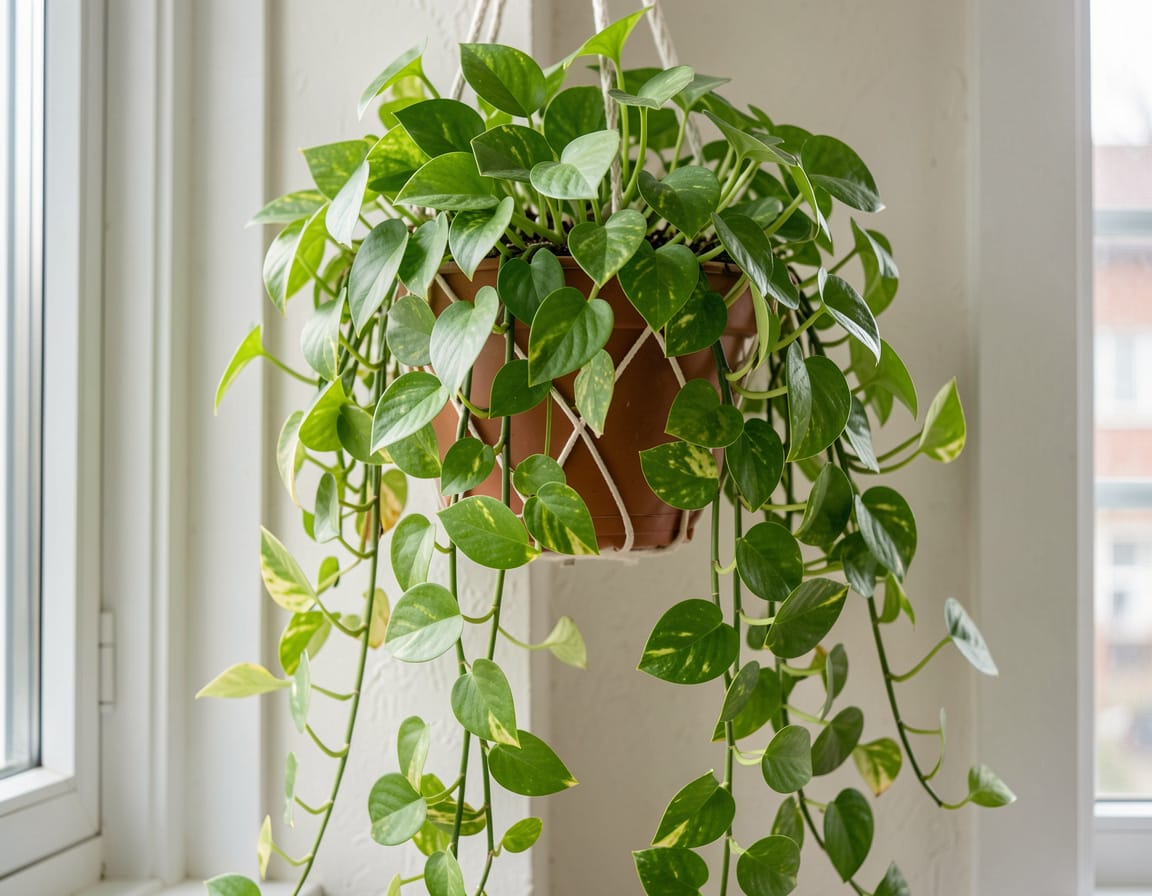
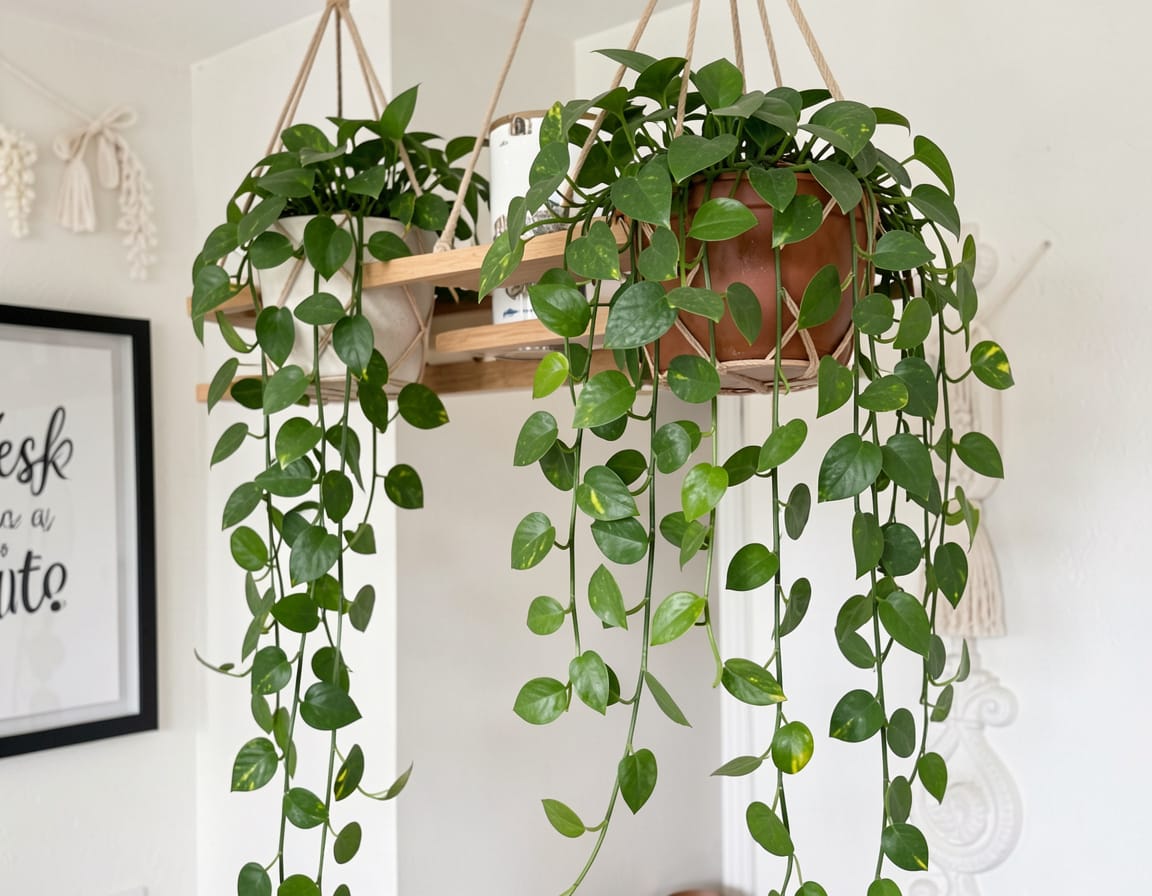
    Decorating with pothos vines adds instant greenery and effortless style to any space. Let trailing vines cascade from shelves, hang them in macramé planters, or train them along walls and windows. Their lush leaves soften interiors, improve air quality, and create a calm, natural atmosphere.

    Below is a professional, experience-based guide to decorating with pothos vines safely, sustainably, and beautifully in real U.S. homes.

    Why Pothos Is Ideal for Natural Home Decoration

    Pothos vines are often my first plant recommendation when clients want to “green” their homes organically. Here’s why:

    • Air purification: They help filter common indoor toxins like formaldehyde and benzene.
    • Low maintenance: They adapt to a wide range of light and watering conditions.
    • Styling flexibility: They trail, climb, or drape fitting nearly any décor style.
    • Non-toxic décor option: Unlike artificial vines, they release oxygen and contain no synthetic dyes or plastics.
    • Fast growth: You can shape them into living art or propagate cuttings easily for other rooms.

    Choosing the Right Variety for Your Space

    VarietyAppearanceBest ForLight Conditions
    Golden PothosGreen leaves with golden or yellow variegationClassic boho & natural décorMedium to bright indirect light
    Marble QueenCreamy-white marbled leavesLight, serene interiorsBright indirect light
    Neon PothosVibrant chartreuse leavesModern, minimal spacesBright, filtered light
    Jade PothosDeep green leavesTraditional, darker cornersLow to medium light
    Cebu BlueSilvery-blue matte leavesContemporary or tropical themesMedium to bright light

    Organic and Sustainable Styling Materials

    When decorating with pothos vines, always pair them with natural, non-toxic materials that complement their living texture.

    MaterialWhy It WorksEco Benefit
    Terracotta or clay potsBreathable, prevents overwateringReusable, non-synthetic
    Macramé hangers (cotton or hemp)Adds organic texture and heightBiodegradable
    Natural wood trellises or driftwoodEncourages climbingRenewable material
    Glass or recycled-ceramic plantersHighlights roots if grown hydroponicallySustainable reuse
    Coconut coir poles or moss polesMimics natural climbing conditionsCompostable

    Avoid PVC-coated planters or synthetic “moss” poles  they may off-gas or flake microplastics into your living environment.

    Decorating Ideas for Different Home Spaces

    A. Living Room

    • Shelf styling: Let vines trail from high bookshelves or floating wall shelves. Loop or pin discreetly with clear clips made from recycled materials avoid tape or staples that can bruise stems.
    • Corner filler: Place a large, lush pothos in a floor pot and train it around a bamboo stake or indoor tree branch.
    • Wall greenery: Mount a natural wood board and attach small terracotta pots or glass jars for a living wall effect.

    Pro tip: Pothos pairs beautifully with warm wood, linen, and ceramics  keep other décor neutral to let the greenery stand out.

    B. Kitchen

    • Cabinet crown draping: Place a pothos on top of cabinets where it can cascade naturally downward.
    • Hanging planters near windows: Use cotton macramé hangers for filtered sunlight exposure.
    • Hydroponic jars: Root pothos cuttings in clear water jars it’s visually clean and perfect above counters.

    Safety note: Keep the plant out of reach of pets and food-prep surfaces, as pothos can cause mild irritation if ingested.

    C. Bedroom or Reading Nook

    • Soft trailing décor: Drape one or two vines along a floating shelf near the bed for a restful, biophilic accent.
    • Canopy or curtain-frame styling: Train a pothos over a curtain rod or canopy frame using gentle ties or twine.
    • Wall art integration: Combine framed botanical prints with a live pothos vine weaving between frames.

    Expert observation: In bedrooms, pothos can help balance humidity and subtly filter air pollutants from bedding or furniture materials.

    D. Bathroom

    Pothos thrives in warm, humid air perfect for natural spa-like décor.

    • Set a small vine on a high shelf or corner ledge where it can trail safely away from water spray.
    • Choose a ceramic pot with drainage and place it on a bamboo or cork tray to catch excess moisture.
    • Mix with ferns or peace lily for a lush, tropical feel.

    Avoid sitting pots directly on tile floors  it reduces drainage and can encourage rot.

    E. Office or Workspace

    • Wrap vines around a driftwood hoop or natural branch for a sculptural, organic focal piece.
    • Place a small pothos on a filing cabinet or bookcase to soften industrial lines.
    • Train vines along a corkboard edge or around a desk lamp using removable clips.

    Plants at eye level help reduce screen fatigue and promote calm focus something I’ve consistently seen in clients’ home offices.

    Creative, Sustainable Training Techniques

    Pothos vines are naturally flexible. Here’s how to train them safely:

    MethodHow To Do ItWhy It Works
    TrailingLet vines hang naturally from shelves or hanging plantersEasiest, shows off cascading growth
    ClimbingAttach to moss or coir poles, or fix to a wall with gentle plant clipsPromotes larger, heartier leaves
    Horizontal “runner” designRun vines along window frames or shelves with twine supportsCreates a soft, living border
    Wreath or circle mountShape around a reclaimed wire hoop or bamboo ringCompact and artistic

    Pro tip: Turning your plant occasionally ensures even light exposure and balanced growth.

    Maintenance for Healthy, Long-Lived Pothos

    • Light: Bright, indirect is best; tolerate low light but growth will slow.
    • Water: Let the top inch of soil dry before watering. Overwatering is the main cause of yellow leaves.
    • Fertilizer: Use organic liquid fertilizer (like compost tea or diluted fish emulsion) monthly during spring and summer.
    • Pruning: Trim long vines to encourage fullness  you can root cuttings easily in water.
    • Cleaning: Wipe leaves monthly with a damp cotton cloth to remove dust and improve photosynthesis.

    For renters or frequent movers, pothos also travels well  just coil vines gently and transport in a breathable bag.

    Common Mistakes to Avoid

    • Artificial supports or plastic vines they off-gas and clash with natural décor.
    • Direct sun exposure burns leaves easily.
    • Overcrowded pots roots need space; repot every 1–2 years.
    • Overwatering soggy soil suffocates roots.
    • No pruning vines become leggy and sparse without occasional trimming.
    • Ignoring light direction  rotate every few weeks for symmetry.

    Local U.S. Home Considerations

    • Northeast & Midwest: Place near east or south windows in winter for adequate light.
    • South & Southwest: Shield from harsh afternoon sun; filtered light through sheer curtains works best.
    • Pacific Northwest: Low light tolerance makes pothos ideal for cloudy days.
    • Humid Southeast: Ensure pots have drainage to prevent root rot in warm, moist air.

    Extra Expert Tips

    • Budget-friendly décor: Propagate cuttings in water jars for free new plants they make great gifts or shelf accents.
    • Pet safety: Keep out of reach; pothos is mildly toxic if chewed.
    • Combine textures: Pair trailing pothos with upright plants (like snake plant or peace lily) for dimensional greenery.
    • Eco-lighting: Use warm LED grow bulbs in darker corners to reduce energy use while maintaining healthy vines.
    • Minimalist alternative: Grow one long, healthy vine and let it frame a doorway or window simple, elegant, and low effort.

    FAQ: Decorating With Pothos Vines

    1. Can pothos grow in just water? Yes, indefinitely, if you refresh the water weekly and add a drop of liquid fertilizer monthly. Use glass containers to enjoy visible roots.

    2. How can I make my pothos fuller? Prune regularly and replant the cuttings into the same pot it creates a denser, lusher plant.

    3. What’s the best way to hang pothos without damaging walls? Use removable adhesive hooks or clips rated for lightweight plants. For long-term setups, install small screw hooks directly into studs and support with natural rope.

    4. Will pothos grow outdoors? Yes, in USDA zones 10–12 (warm southern climates). In most of the U.S., treat it as an indoor plant or bring it in during colder months.

    5. Is pothos good for air quality? It helps reduce common VOCs and adds humidity, contributing to a cleaner indoor environment though not a substitute for proper ventilation.

    6. Can I mix pothos varieties in one pot? Absolutely. Combining Golden and Marble Queen varieties adds visual depth while maintaining similar care needs.

    Final Thought

    Decorating with pothos vines is one of the simplest, most sustainable ways to bring organic beauty into your home. They soften hard edges, clean the air, and invite a sense of calm connection to nature.

    In my experience, the most successful designs are those that allow the plant’s natural shape to guide the décor not the other way around. Give your pothos room to trail, climb, or dance in the light, and it will turn any space from apartment corner to open-concept living room  into a living, breathing piece of art.