Category: Low Maintenance Plants

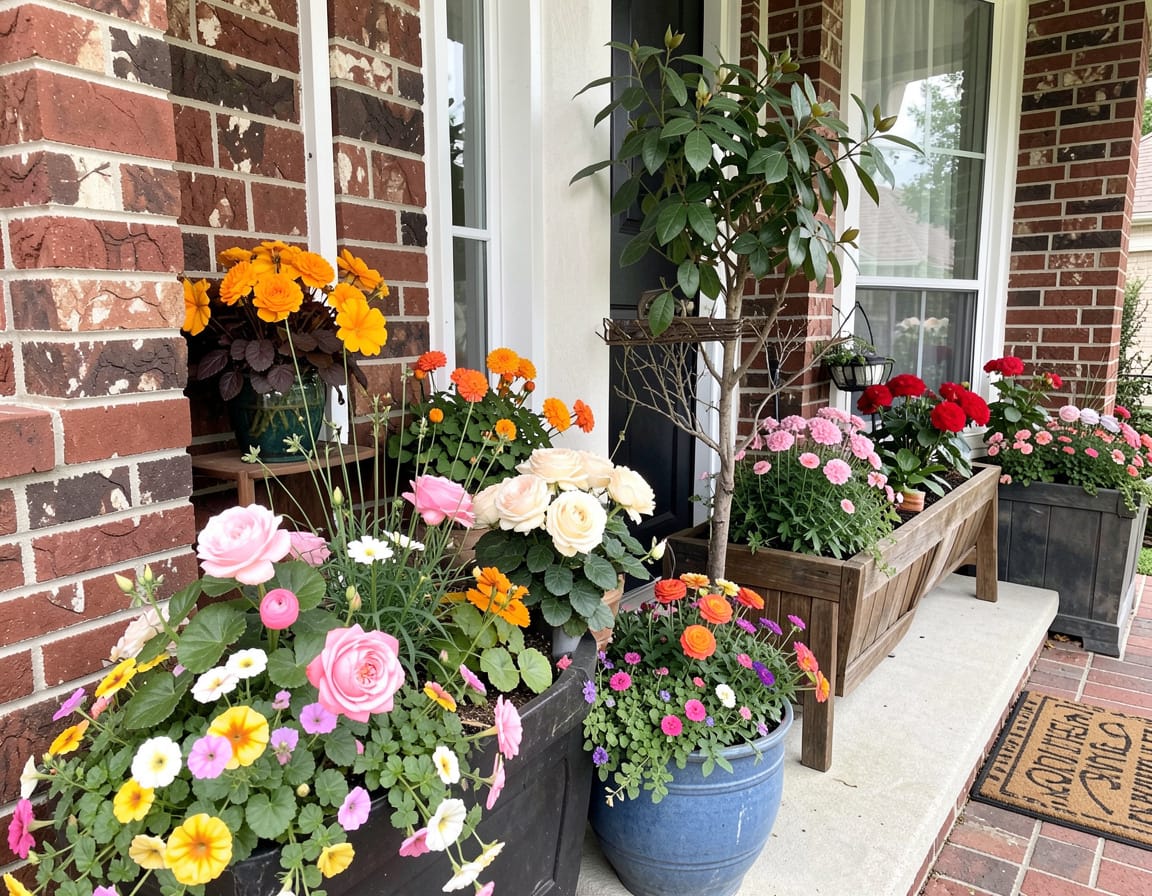
  • Flower planter ideas for patio

    Flower planter ideas for patio

    Every product is independently reviewed and selected by our editors. If you buy something through our links, we may earn an affiliate commission at no extra cost to you.

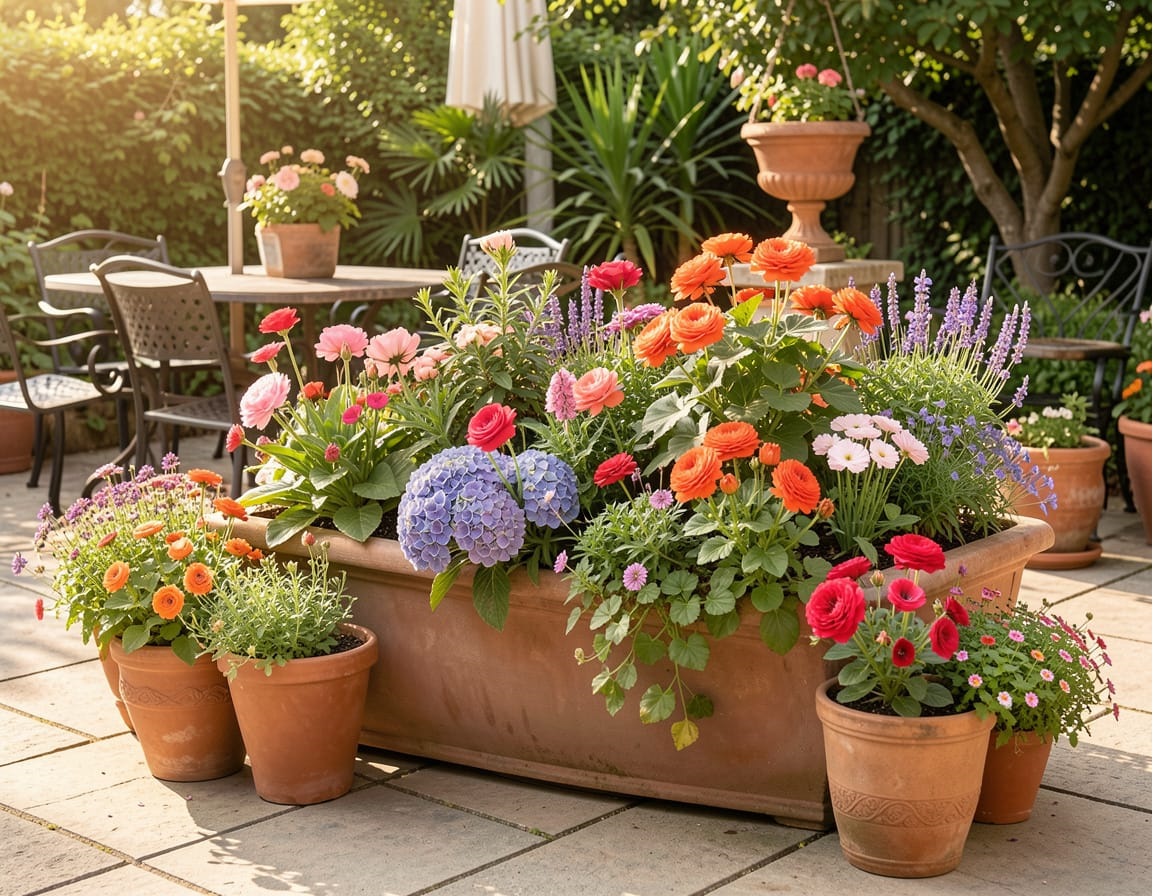
    Is your patio in need of a vibrant makeover? Flower planters are the perfect solution to breathe new life into any outdoor space. Whether you’re working with a small balcony or a spacious patio, the right planter can elevate your space with color, texture, and charm. In this guide, we’ve gathered the best flower planter ideas to help you create a stunning garden oasis. From chic modern designs to rustic wooden options, there’s a flower planter style for every patio and every gardener. Keep reading for creative ideas that will bring your outdoor space to life and make your patio the perfect place to relax and enjoy nature!

    10 Practical Flower Planter Ideas for Patios

    1. The “Patio Welcome” Planter for Entry Areas

    Perfect for placing near the door or steps.

    Plants • Dwarf hydrangea (center) • Impatiens or begonias (filler) • Creeping Jenny (trailing)

    Why it works Ideal for shaded or partially covered patios. Hydrangea gives height; begonias thrive in light shade; Creeping Jenny softens the edges beautifully.

    2. Low‑Maintenance Drought‑Friendly Patio Pots

    Great for hot patios with full sun.

    Plants • Geraniums • Lantana • Verbena • Portulaca (trailing)

    Why it works These tolerate intense sun and occasional missed waterings very helpful if your patio heats up in the afternoon.

    3. Aromatic “Sit‑Out Patio” Planter

    Adds beauty and fragrance where you relax.

    Plants • Lavender (center or back) • Petunias (filler) • Sweet alyssum (trailing)

    Why it works Lavender thrives in sunny patios. Alyssum brings a sweet scent and attracts beneficial insects.

    4. Soft, Romantic Patio Corner Planter

    Great for patios that feel too angular or hard.

    Plants • Coleus (center; choose sun- or shade‑tolerant variety based on your location) • Polka dot plant • Caladium • Trailing torenia

    Why it works This container has lush, colorful foliage that fills shady corners where flowers may struggle.

    5. Tall “Privacy Boosting” Patio Planter

    Useful if your patio feels exposed.

    Plants • Ornamental grasses (fountain grass or purple millet) • Coneflowers or rudbeckia (front) • Sweet potato vine (trailing)

    Why it works Grasses give height without becoming bulky. The flowers add long‑lasting color.

    6. Elegant “White & Green” Patio Planter

    Perfect for calm, minimalist patios.

    Plants • White begonias or white vinca • Dusty miller • Trailing dichondra ‘Silver Falls’

    Why it works Light-colored plants brighten shady patios and look sophisticated at night under patio lights.

    7. Patio Rail Planter for Small Spaces

    Good for balconies or small ground‑level patios.

    Plants • Calibrachoa (heavy flowering) • Trailing lobelia • Small ivy or creeping fig

    Why it works These plants cascade beautifully without overwhelming a narrow rail.

    8. Rustic Patio Barrel Planter

    Warm, cottage-style look.

    Plants • Dwarf sunflower (center) • Zinnia (filler) • Nasturtium (trailing)

    Why it works Provides a cheerful, country vibe. Nasturtium trails gently and thrives even in imperfect soil.

    9. Shade-Friendly Patio Cluster

    Useful for patios blocked by trees or fences.

    Plants • Hostas • Heuchera • Ferns • Lamium (trailing)

    Why it works These shade plants look lush even where flowers struggle.

    10. Vertical Flower Tower for Tight Patios

    Maximizes height without taking floor space.

    Plants • Wave petunias • Compact marigolds • Trailing verbena

    Why it works Stacked planters stay colorful from spring to fall with minimal fuss.

    Best Practices for Patio Planters

    • Use pot feet to improve drainage important on solid patio surfaces. • Group pots together for easier watering and a more cohesive look. • Avoid thin black plastic pots they overheat on patios. • Water early morning; patios retain heat and evaporate faster in afternoons. • Add mulch to any sun‑exposed container to reduce drying. • Rotate pots every couple of weeks for even growth.

    Common mistakes: • Placing pots under eaves where rain never reaches • Mixing plants with different light needs • Choosing containers that are too small for patio heat • Overwatering shade planters

    FAQ

    Do patio planters dry out faster? Yes. Sun, paving heat, and reflected light dry containers quicker than garden beds.

    What flowers are best for a sunny patio? Geraniums, lantana, verbena, zinnias, petunias, and portulaca thrive.

    What flowers do well on a shaded or covered patio? Begonias, impatiens, caladium, coleus, ferns, and heuchera.

    How often should I water patio planters? Usually daily in summer, every 2–3 days in spring and fall.

    Why do my patio flowers get leggy? Often due to insufficient sunlight or overcrowding.

    When NOT to Use Certain Patio Planter Ideas

    Avoid sun-loving combinations if: • Your patio stays shaded most of the day • You cannot water frequently in summer • Your patio gets strong drying winds

    Avoid shade-loving combinations if: • Your patio gets 6+ hours of direct light • Heat reflects from walls or paving

    Alternative Approaches

    Self‑watering pots Useful for patios that heat up quickly.

    Hanging baskets Great for shaded patios with limited floor space.

    Large combined planters Easier to maintain than many small pots.

    Conclusion

    Creating beautiful, reliable flower planter ideas for patios is all about matching plants to the microclimate your patio naturally creates. Whether you have baking sun, full shade, or something in between, the tested combinations above will help you build containers that stay healthy, colorful, and low‑maintenance.

    Start with one corner or one statement planter, observe how the plants behave in your patio’s conditions, and adjust from there. With the right choices, your patio can become a lush, welcoming extension of your home no garden bed required.
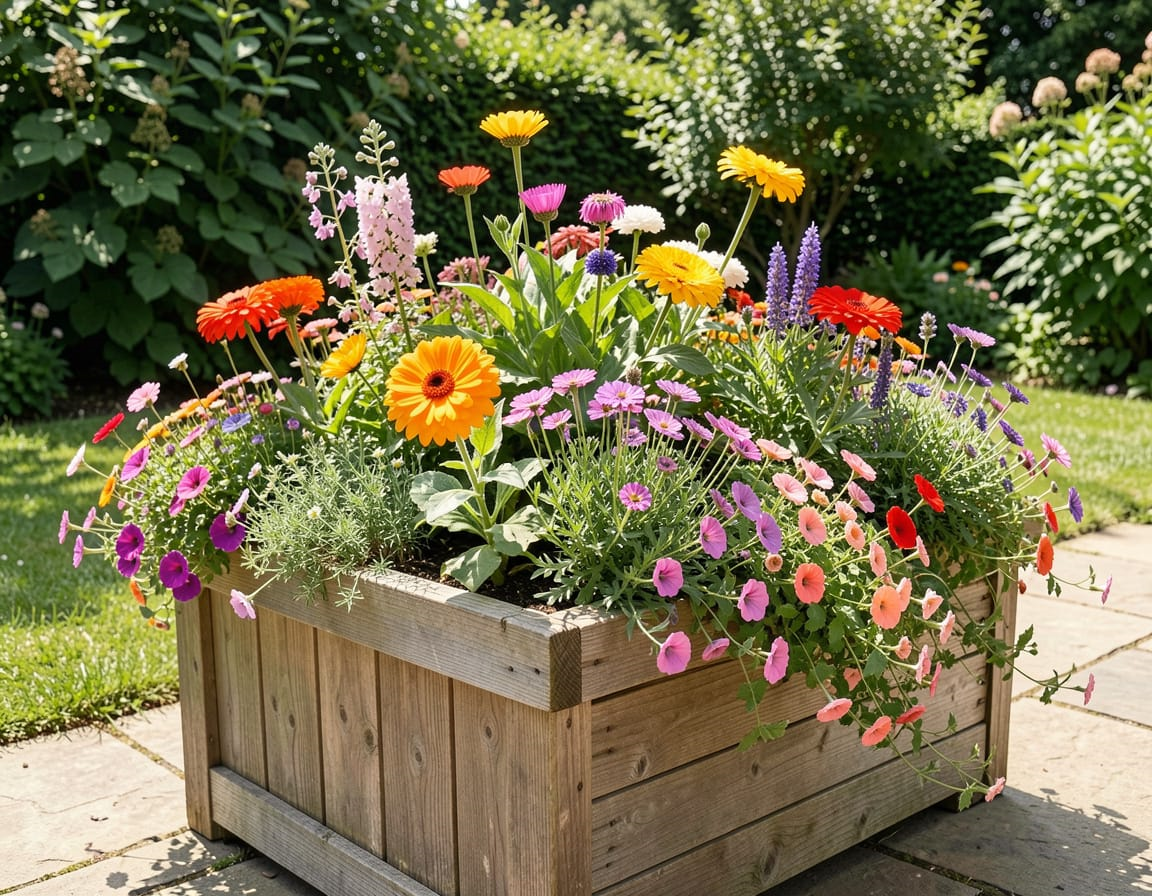
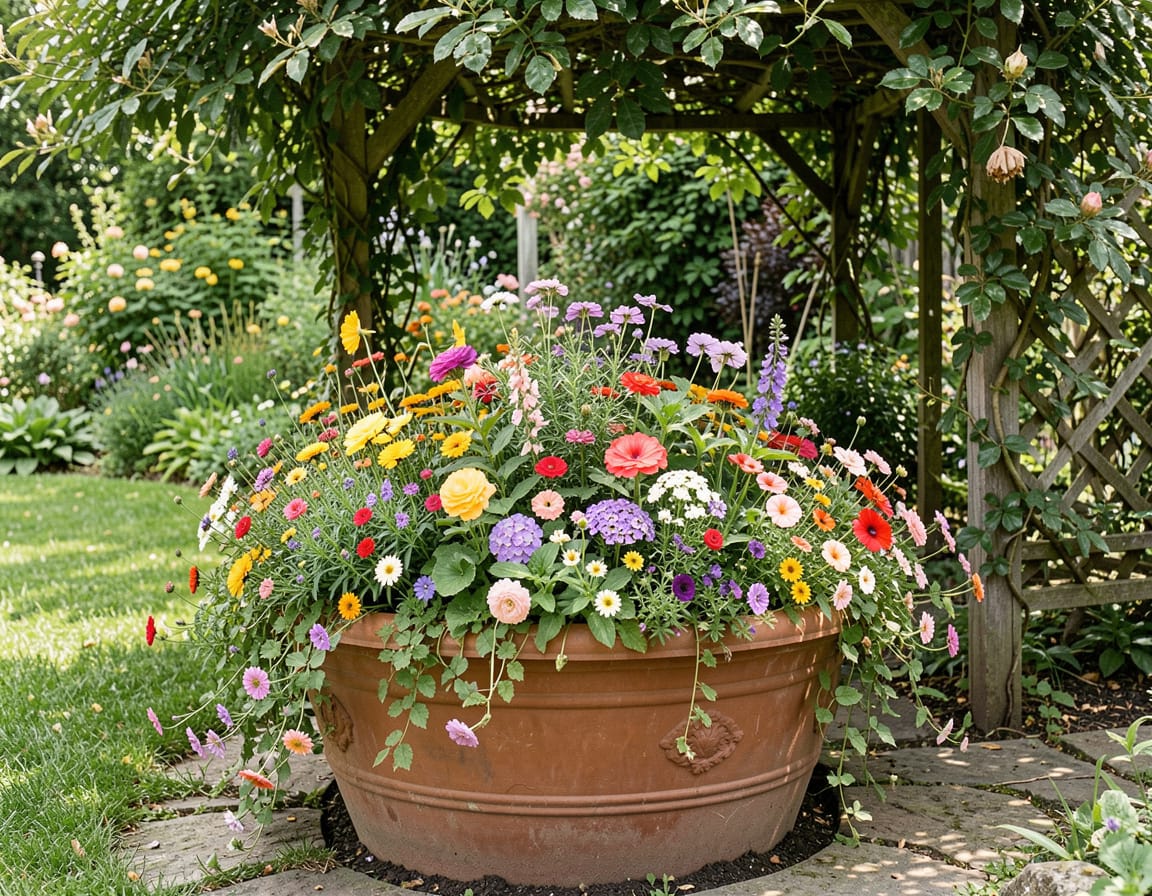
  • Flower planter ideas full sun | Simple Designs That Actually Thrive

    Flower planter ideas full sun | Simple Designs That Actually Thrive

    Every product is independently reviewed and selected by our editors. If you buy something through our links, we may earn an affiliate commission at no extra cost to you.

    If you’ve ever set a pretty planter in a sunny spot only to watch the flowers crisp or collapse within weeks, you’re not alone. Full-sun containers are some of the hardest to get right especially on balconies, terraces, and small backyards where heat bounces off walls and paving. After years of testing containers in scorching summer spots (including a south-facing balcony that hit 45°C on July afternoons), I’ve learned which flowers hold up, which planter setups work, and how to keep everything blooming without daily rescues.

    This guide shares practical, beginner-friendly flower planter ideas for full sun that truly work in real home gardens not just staged photos.

    Why These Full-Sun Planter Ideas Work

    Full sun doesn’t just mean “bright.” It usually means:

    • Direct sunlight for 6–10 hours • Hot, dry air • Planter soil that dries quickly • Heat radiating off walls, railings, or pavement

    Most planter failures happen because flowers aren’t heat-tolerant, containers are too small, or soil dries out faster than the gardener expects. The ideas below work because they:

    • Use sun-loving plants that handle heat stress • Combine species with similar water needs • Use the “right-sized” containers for moisture stability • Maximize airflow so roots don’t cook • Use simple design formulas that are hard to mess up

    What Actually You’ll Need

    • Medium to large containers (ceramic, metal, or plastic; avoid thin black plastic) • High‑quality potting mix with compost • Slow‑release organic fertilizer • Mulch (fine bark, coco coir chips, or dried leaves) • Watering can or gentle hose nozzle • Optional: water reservoir tray, self-watering insert, or drip irrigation

    Budget-friendly alternatives: recycled buckets with drainage holes, upcycled metal tubs, or grow bags.

    10 Flower Planter Ideas for Full Sun (Tested in Real Home Gardens)

    1. A Heat-Proof “Sunset Colors” Planter

    This is my go-to for baking-hot balconies.

    Plants • Lantana (center) • Calibrachoa (trailing) • Zinnia Profusion series (front edges)

    Why it works These plants thrive even when containers dry slightly between waterings. Lantana keeps flowering through extreme heat where most annuals give up.

    Tips Zinnias need good airflow don’t crowd them.

    2. Mediterranean Herb + Flower Mix

    Great for gardeners who forget to water.

    Plants • Rosemary (center or back) • Trailing thyme (edges) • Lavender or sage (sides) • Bonus: trailing verbena for color

    Why it works Everything here prefers drier soil and hot conditions. Aromatic herbs also deter pests.

    3. Pollinator-Friendly “Bee Magnet” Planter

    I use this near tomatoes to boost pollination.

    Plants • Sun-loving marigolds • Cosmos • Pentas • Salvia (small varieties)

    Why it works These flowers pump out nectar even in heat waves.

    4. Compact “Terrace Fireworks” Container

    Perfect for limited space.

    Plants • Dwarf canna lily (center) • Portulaca (edges) • Angelonia (filler)

    Why it works Canna gives height and drama; portulaca handles extreme drought.

    5. Drought-Proof Succulent Flower Planter

    For hot, windy balconies.

    Plants • Sedum • Echeveria • Ice plant (Delosperma) • Sempervivum

    Why it works Most succulents produce bursts of color and thrive in intense sun without daily watering.

    6. Cottage-Style Heat Lovers

    If you want something softer and romantic.

    Plants • Gaura • Dusty miller • Petunias • Verbena

    Why it works Petunias can scorch in deep shade but perform beautifully in sun with regular deadheading.

    7. “Red Hot Tropics” Sun Planter

    For bold, summer-long color.

    Plants • Hibiscus (center) • Vinca (front) • Coleus (sun-tolerant varieties only)

    Why it works Hibiscus thrives with heat; vinca is incredibly tough; sun-loving coleus adds foliage contrast.

    8. Low-Maintenance “Holiday-Ready” Containers

    These survive long weekends without babysitting.

    Plants • Pentas • Dusty miller • Trailing portulaca • Blue salvia

    Why it works All tolerate some neglect and rebound quickly with a deep watering.

    9. Rustic Terracotta Sun Planter

    Terracotta breathes well, making it great for full sun.

    Plants • Geraniums (center) • Bacopa (trailing) • Verbena or calibrachoa (filler)

    Why it works Geraniums thrive in heat; bacopa trails beautifully if watering is consistent.

    10. Butterfly-Friendly Balcony Rail Planter

    Bright, compact, and easy.

    Plants • Zinnias (short varieties) • Marigolds • Trailing phlox

    Why it works These species love heat and attract butterflies even in small spaces.

    Expert Opinions & Best Practices for Full-Sun Planters

    • Use larger containers—they stay cooler and hold water longer. • Water early morning; evening watering can attract pests. • Add mulch to reduce evaporation (game-changer on balconies). • Feed lightly every 3–4 weeks; heat speeds up nutrient depletion. • Rotate pots occasionally to prevent uneven burning or leaning. • Shade young transplants for the first 2–3 days so they acclimate.

    Common beginner mistakes: • Using garden soil in pots • Choosing shade or part-sun flowers • Overwatering heat-tolerant plants • Using black plastic containers in intense sun

    FAQ

    Why do my full-sun planters dry out so fast? Small pots, thin plastic containers, and reflected heat (from walls or pavements) all speed evaporation.

    Can petunias survive full sun? Yes petunias generally thrive in full sun, but they need consistent watering and deadheading.

    How often should I water full-sun planters? Usually daily in midsummer; sometimes twice during heatwaves. Larger pots need less frequent watering.

    What flowers survive extreme heat without constant care? Lantana, portulaca, vinca, marigolds, pentas, zinnias, sedum, and salvia are reliable.

    Can I grow full-sun flowers in small balcony rail planters? Yes—choose compact, heat-tolerant varieties and expect to water more often.

    Why are the leaves on my sun-loving flowers turning crispy? It’s often underwatering or too-small containers, not “too much sun.”

    When NOT to Use Full-Sun Planter Ideas

    Avoid these setups if:

    • Your spot only gets 2–4 hours of direct sunlight • You live in extremely windy areas (flowers may shred use succulents instead) • Your containers get afternoon sun behind glass windows (heat magnifies) • You cannot water at least every 1–2 days in midsummer

    Alternative Availabe Options

    Self-watering containers Great for balconies and busy gardeners; reduces daily watering but costs more.

    Drip irrigation with a timer Ideal for large terrace gardens.

    Shade cloth (30%) Useful during severe heat waves; prevents stress on young plants.

    Conclusion

    Creating beautiful, reliable flower planter ideas for full sun is absolutely doable even in a small balcony or heat-prone terrace. The key is choosing heat-tolerant plants, using larger containers, and following simple watering and feeding routines. With the combinations above, you can enjoy long-lasting color without constant rescue watering.

    Start with one planter idea that matches your space and sunlight, observe how the plants respond, and adjust as needed. Full-sun containers reward consistency and once you learn how they behave in your climate, they become some of the easiest and most productive planters in any garden.

  • Flower planter ideas for shade | Reliable, Low-Maintenance Designs

    Flower planter ideas for shade | Reliable, Low-Maintenance Designs

    Every product is independently reviewed and selected by our editors. If you buy something through our links, we may earn an affiliate commission at no extra cost to you.

    Shaded areas can be some of the trickiest spots in a garden or porch. In my own balcony and backyard setups, shaded planters were always the ones that turned leggy, stayed too damp, or never fully filled out. The problem usually isn’t the shade itself it’s choosing plants and planter designs that aren’t built for low light.

    Below are practical, beginner-friendly flower planter ideas for shade that I’ve repeatedly tested in real gardens. These combos stay lush, handle low light without stretching, and don’t require constant watering or fussing.

    Why Shade Planter Ideas Need a Different Approach

    Shady areas affect plants in specific ways:

    • Less sunlight means slower growth and more moisture retention • Soil tends to stay damp perfect for rot if drainage is poor • Flowers bloom less in deep shade unless they’re shade-adapted • Airflow is often lower, increasing fungal issues

    The planter ideas below work because they use:

    • Plants that naturally thrive in dappled or deep shade • Containers that prevent waterlogged roots • Mixed textures and leaf colors so the planter still looks vibrant

    When you garden in shade, foliage is your best friend it gives you color even when flowers are sparse.

    What You’ll Need For Execute Your Operation

    • Medium-to-large containers with good drainage • Quality potting mix (lightweight, peat-free if possible) • Organic compost or slow-release fertilizer • Watering can, ideally with a gentle shower head • Mulch (cocoa hulls, straw, or pine bark)

    Budget-friendly alternatives:

    • Reused wooden crates • Plastic pots placed inside decorative planters • Upcycled baskets lined with landscape fabric

    Eco-friendly options:

    • Coconut coir • Compost-based potting blends • Terracotta pots (excellent for airflow in damp shade)

    Shade-Loving Flower Planter Ideas That Always Work

    1. The Begonia + Fern Lush Shade Planter (My Most Reliable Combo)

    Perfect for full shade to dappled sun.

    How to plant it:

    • Use a pot at least 12–14 inches wide.
    • Plant a Kimberly Queen fern or asparagus fern in the center.
    • Add wax begonias or tuberous begonias as fillers.
    • Finish with creeping jenny or English ivy for trailing edges.

    Why it works: Ferns provide height, begonias give color, and the spiller softens the planter edges without demanding light.

    2. Heuchera (Coral Bells) Color Block Planter

    Great for shaded entries or porches that never get direct sun.

    Use 3–5 heuchera plants in contrasting leaf colors: • Deep burgundy • Lime green • Bronze • Silver-veined varieties

    These give season-long color with almost zero maintenance.

    Pro tip: Heuchera in containers prefers slightly drier conditions, so water only when the top inch is dry.

    3. Impatiens “Instant Color” Shade Planter

    If you want lots of blooms, impatiens are your best bet.

    • Choose a wide planter (impatiens fill out fast).
    • Plant 5–7 compact impatiens in a single color or mix.
    • Add a shade-tolerant spiller like bacopa, lobelia, or vinca vine.

    From experience: Avoid overwatering impatiens droop from too much water just as easily as too little.

    4. Hostas + Annual Accents for Deep Shade

    Hostas are unbeatable for full shade containers.

    Use: • Mini or small hosta varieties (they adapt better to pots) • Accent with torenia, coleus, or caladium for color • Add mulch to keep roots cool

    Hostas are long-lived but will need dividing every 2–3 years if kept in a pot.

    5. Coleus Foliage-First Shade Planter

    Coleus is perfect if your shade still gets bright indirect light.

    Plant mix ideas: • Upright coleus varieties for height • Mounding coleus for filler • Trailing coleus or creeping jenny for the edges

    Coleus gives instant volume and dozens of color patterns.

    Note: Pinch the tips to prevent legginess and encourage fullness.


    6. Torenia (Wishbone Flower) Hanging Shade Basket

    For porches or balconies with roof cover and shade:

    • Fill a hanging basket with torenia plants • Choose colors like violet, pink, or yellow • Add trailing lobelia or creeping jenny for extra softness

    Why it works: Torenia blooms heavily in shade without burning.

    7. Woodland-Themed Shade Planter

    Mimic natural woodland layers:

    • Japanese painted fern • Foamflower (tiarella) • Lamium (groundcover with silver leaves) • Low-growing astilbe variety

    This creates a soft, calming, forest-floor look that thrives in cool shade.

    Step-by-Step Instructions for Planting Shade Planters

    • Choose a planter with excellent drainage shade stays damp.
    • Fill with potting mix, not garden soil (too heavy for low-light areas).
    • Add compost or slow-release fertilizer.
    • Place the tallest plant at the back (for north-facing walls) or center.
    • Add mid-height fillers, then trailing plants at the edges.
    • Water gently until the soil is evenly moist but not soggy.
    • Place where the planter gets airflow to prevent fungus.

    Best time of day to plant: Morning or early evening. Best season: Spring through early summer.

    Pro Tips & Best Practices for Shade Planters

    • Don’t overwater shade soil holds moisture longer. • Prioritize foliage color; shade blooms are fewer. • Rotate containers every few weeks if light is uneven. • Avoid dark-colored pots in cool shade they keep soil too cold. • Add a thin mulch layer to stabilize moisture. • Feed lightly; shade plants grow slower and need less fertilizer.

    Common beginner mistakes: • Using full-sun flowers like petunias or lantana • Choosing shallow pots that stay soggy • Planting too densely shade slows growth, so give roots space

    FAQ

    Why do my shade planter flowers get leggy?

    Shade-loving plants still need bright indirect light. Move your planter slightly forward to capture more ambient light.

    Can you grow flowers in deep, full shade?

    Yes—use impatiens, begonias, hostas, ferns, lamium, torenia, and coleus.

    How often should I water shade planters?

    Usually 1–3 times per week. Check the soil first; water only when the top inch feels dry.

    Why are my shade flowers turning yellow?

    Likely overwatering or poor drainage. Refresh soil with perlite or switch to a pot with better airflow.

    Can I mix annuals and perennials in shade containers?

    Yes. Hostas, heuchera, and ferns pair beautifully with annual impatiens or begonias.

    When NOT to Use These Shade Planter Ideas

    Avoid these planters if:

    • Your shaded area is extremely cold or damp year-round • You have very heavy clay soil containers may stay soaked • Your space receives sudden midday sun bursts (coleus and impatiens can scorch)

    Alternate solutions: • Switch to terracotta pots for better airflow • Use gravel layers for drainage • Choose hardier plants like ajuga or pachysandra if your space stays exceptionally wet

    Alternative Approaches for Shade Areas

    • Self-watering planters: Great for busy gardeners but can cause root rot in deep shade. • Moss-lined baskets: Excellent drainage, beautiful texture, but dry out fast in wind. • Foliage-only planters: Longer-lasting, drought-tolerant, and ideal for deep shade.

    Each method works you just pick based on watering habits and the type of shade you have.

    Conclusion

    Creating beautiful flower planter ideas for shade is entirely possible once you pick plants that naturally thrive in low light. Focus on foliage variety, use containers with excellent drainage, and water only as needed. Shade planters reward patience, and once you find the right combinations, they stay lush and reliable with minimal upkeep.

    If you’d like, I can also create a custom planter design based on your exact shade level and climate.

  • Flower planter ideas for front porch | A practical guideline

    Flower planter ideas for front porch | A practical guideline

    Every product is independently reviewed and selected by our editors. If you buy something through our links, we may earn an affiliate commission at no extra cost to you.

    If your front porch feels a little plain, the fastest way to warm it up is with the right flower planters. But many gardeners especially beginners struggle with front porch planters that dry out too fast, topple in wind, or look sparse after a few weeks. I’ve dealt with all of these in my own small porch garden, and most problems come down to planter choice, placement, and plant combinations.

    In this guide, I’ll walk you through practical, real-world flower planter ideas for a front porch—the kind that hold up to weather, stay full all season, and don’t require constant fussing.

    Why These Front Porch Planter Ideas Work

    Front porches usually create tricky growing conditions:

    • Limited or uneven sunlight • Heat radiating from walls and steps • Wind tunnels near entryways • Shade pockets that stay damp

    The planter ideas below are chosen because they solve these challenges with:

    • The right pot sizes for long-lasting moisture • Resilient plant combinations suited to porch microclimates • Designs that stay stable in wind • Layered planting that keeps containers looking full from spring to fall

    I’ve used variations of these designs on my own porch for over a decade they’re reliable, attractive, and low-maintenance.

    What You’ll Need

    • Sturdy outdoor planters (ceramic, heavy resin, or wood) • High-quality potting mix (not garden soil) • Slow-release organic fertilizer • A watering can with a narrow spout • Outdoor-safe saucers (if water drips are an issue) • Shade-tolerant or sun-loving flowers based on porch light • Optional: coco liners, gravel, or mulch for moisture retention

    Budget-friendly alternatives:

    • Upcycled buckets with drainage holes • Secondhand ceramic pots • Plastic pots placed inside decorative covers

    Eco-friendly options:

    • Coconut coir liners • Organic compost • Reused containers or reclaimed wood boxes

    Step-by-Step Front Porch Planter Ideas That Always Look Good

    1. The “Thriller, Filler, Spiller” Porch Planter (Most Reliable)

    This classic combo works on almost any porch.

    • Choose a pot at least 14–16 inches wide to avoid constant watering.
    • Add a tall “thriller” plant in the center (e.g., decorative grasses, canna lilies, or dwarf shrubs).
    • Surround with “filler” plants like petunias, begonias, or coleus.
    • Add trailing “spiller” flowers such as sweet potato vine, ivy geraniums, or creeping jenny.

    Works best for: Part sun to full sun porches.

    Visual cues: • Aim for a full, mound-like look no empty soil visible once plants grow in.

    2. Classic Symmetrical Planters for the Front Door

    Perfect for a clean, welcoming entryway.

    • Place matching tall planters on each side of the door.
    • Use upright evergreens (dwarf arborvitae or boxwood) for year-round structure.
    • Add seasonal flowers around the base pansies in spring, impatiens in summer, mums in fall.

    Why it works: Evergreen anchors create stability, and you can refresh the flowers seasonally without redoing the whole planter.

    3. Shady Porch Begonia + Fern Combo (Low Maintenance)

    If your porch never gets full sun, use plants that thrive in dappled light.

    Best mix: • Thriller: Kimberly Queen fern • Filler: Wax begonias or tuberous begonias • Spiller: English ivy or creeping jenny

    Practical note: Ferns dry out at the tips quickly in wind, so place pots closer to the wall or a column for shelter.

    4. Rustic Wooden Crate Garden (Great for Small Porches)

    • Line a wooden crate with landscape fabric.
    • Fill with lightweight potting mix.
    • Plant compact flowers like marigolds, alyssum, or dwarf zinnias.

    This works well because the shallow, wide container makes the display look instantly full.

    5. Tiered Planters for Vertical Color

    If space is tight, stack planters or use a stepped stand.

    Tips from experience: • Put the thirstiest plants on the bottom tier because they collect runoff. • Trailing varieties like trailing verbena or bacopa soften hard edges beautifully.

    6. Monochromatic Color Blocks (Simple but Striking)

    Choose one color theme like all white or all purple and mix different flower shapes.

    Easy combos: • White impatiens + white lobelia + dusty miller • Purple petunias + lavender + purple fountain grass

    This technique makes even a small porch look intentional and elegant.

    7. Hanging Porch Planters with Trailing Blooms

    If your porch has overhead beams or a roof:

    • Use coco-lined baskets for better drainage. • Choose plants like trailing petunias, calibrachoa, lobelia, or fuchsias (for shade).

    Real-world note: Hanging planters dry out much faster water daily in summer or use a water-retaining additive like coconut coir.

    8. Herb and Flower Combo Planters (Pretty + Useful)

    Try mixing:

    • Thyme or oregano (spillers) • Dwarf basil or parsley (fillers) • Marigolds or calendula (thrillers or accents)

    These smell great at the entry and help repel insects naturally.

    Pro Tips and Best Practices

    • Choose larger containers small pots dry out too quickly on warm porches. • Always use potting mix, not garden soil, to prevent compaction. • Add mulch on top of the soil to slow moisture loss. • Water early in the morning so plants absorb moisture before heat builds. • Rotate pots every two weeks so all sides grow evenly. • If you use dark pots, watch for overheating roots can scorch in summer.

    Common beginner mistakes: • Choosing sun-loving flowers for a shady porch (or vice versa). • Underestimating wind lightweight plastic pots tip over easily. • Overcrowding plants tightly from the start leave room for growth.

    FAQ

    Why do my front porch flowers wilt even though I water them?

    Porch containers often dry out faster due to wind. Use larger pots, add mulch, and water deeply rather than frequently.

    Can I grow flowers on a completely shaded porch?

    Yes use begonias, impatiens, coleus, ferns, and ivy. These tolerate shade well.

    How often should I water front porch planters?

    Usually 3–4 times per week in warm months. Daily if you use hanging baskets or small pots.

    What flowers last longest on a hot, sunny porch?

    Petunias, lantana, vinca, marigolds, and dwarf grasses handle heat well.

    Can I mix different flower types in one planter?

    Absolutely. Use the thriller–filler–spiller method for a balanced look.

    Why do my planters look sparse after a month?

    Small-rooted plants may struggle if soil quality is poor. Refresh with compost and use slow-release fertilizer.

    When NOT to Use These Front Porch Planter Ideas

    Avoid large mixed planters if: • Your porch gets extreme midday sun with reflected heat (choose drought-tolerant plants only). • You can’t water often mixed containers need consistent moisture. • Your area has very strong winds (choose heavy ceramic pots or anchored boxes).

    Alternative Approaches

    • Self-watering planters: Great for busy gardeners, but plants can grow leggy if water reservoirs stay too full. • Artificial flower planters: Low-maintenance, but look less natural up close. • Single-species pots: Easier for beginners and still very attractive, especially with bold plants like geraniums or mandevilla.

    Each method works you just choose based on time, climate, and watering ability.

    Conclusion

    Creating beautiful flower planter ideas for your front porch doesn’t require complicated designs just the right plants, pots, and placement. Start with a few solid planters, pick flowers that match your porch’s light levels, and build combinations that stay full and healthy through the season.

    With patience, good soil, and a little observation, your porch can become one of the most welcoming parts of your home all with plants that truly thrive, not just survive.

    If you’d like, I can also create plant lists tailored to your porch’s exact light and climate.

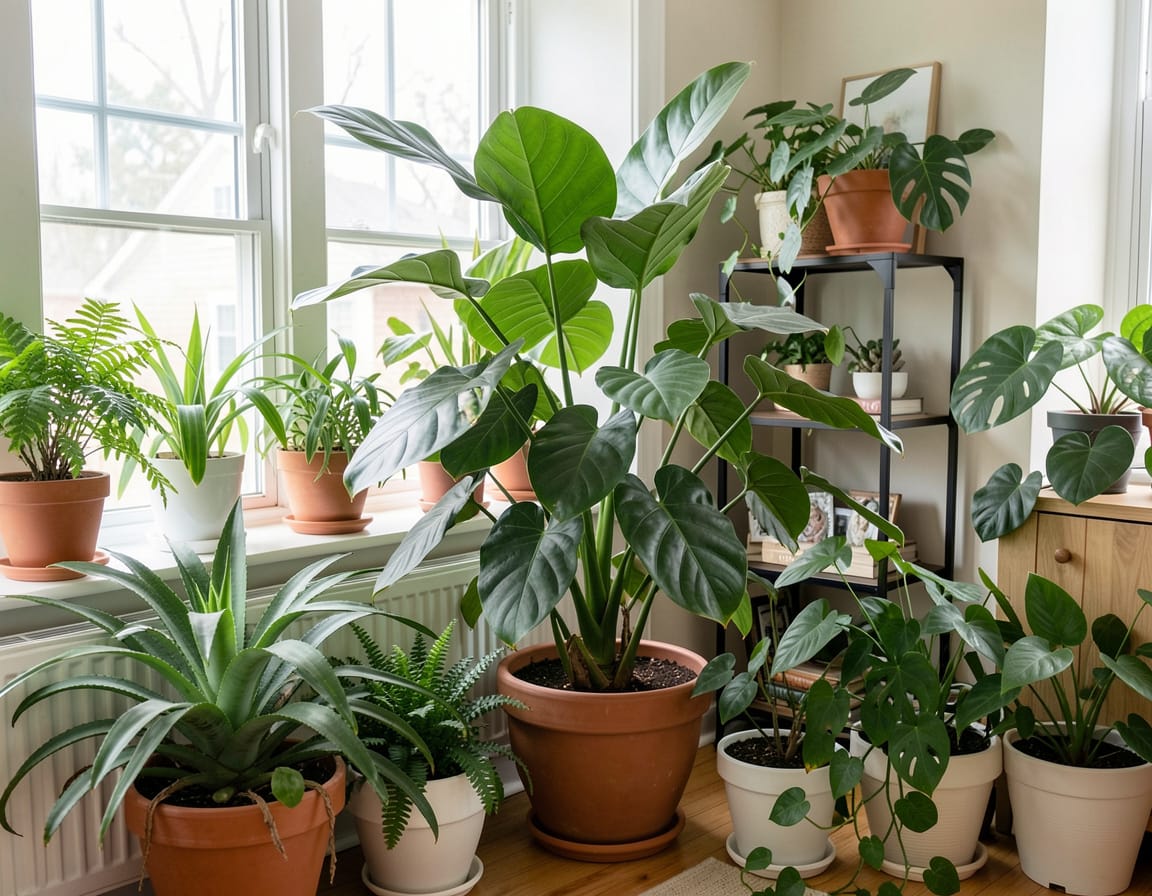
  • Easiest large indoor plants to take care of Beginner Friendly Pick for low maintenance

    Easiest large indoor plants to take care of Beginner Friendly Pick for low maintenance

    Every product is independently reviewed and selected by our editors. If you buy something through our links, we may earn an affiliate commission at no extra cost to you.

    If you’ve ever dreamed of having a big, statement-making indoor plant but worry about keeping it alive, you’re not alone. Many beginners start with small pots because they assume large plants demand constant care. In reality, a few easiest large indoor plants to take care of are far more forgiving than tiny fussy houseplants.

    Over the years in my own home and terrace setups, I’ve noticed that large, established plants bounce back from missed waterings, uneven light, and temperature swings better than small ones. The plants below are the ones that have survived my early mistakes overwatering, moving them around too much, inconsistent light and still look stunning today.

    This guide walks you through the best beginner-safe large indoor plants, what makes them easy, and the exact care routine I use to keep them thriving.

    Why Large Indoor Plants Can Actually Be Easier

    Here’s something most beginners don’t realize: bigger plants usually have bigger root systems, and that gives them much more resilience.

    In simple terms: • They hold more water in their soil, so they don’t dry out as quickly. • They tolerate small watering mistakes. • Their leaves show early warning signs, giving you time to correct issues. • They handle temperature and humidity fluctuations much better than small plants.

    For example, my large snake plant on the balcony-turned indoor corner has survived a week-long trip with zero watering while the smaller herbs dried up. Big plants simply have more stored energy.

    The 7 Easiest Large Indoor Plants to Take Care Of

    All of these grow tall, look impressive, and require very little daily work.

    1. Snake Plant (Sansevieria Laurentii or Zeylanica)

    Why it’s beginner-safe: This is one of the most forgiving large plants you can grow. Mine sits in a low-light hallway corner and gets watered once every 2–3 weeks.

    Growing conditions: • Light: Low to bright indirect • Water: Only when soil is completely dry • Key sign it needs water: Leaves wrinkle slightly or soil pulls away from pot edges • Height: 3–4 feet indoors

    Hands-on tip: Use a tall, heavy pot large snake plants can get top-heavy and lean.

    2. ZZ Plant (Zamioculcas zamiifolia)

    Why it’s easy: This plant is practically unkillable. It stores water in tuber-like roots, so it tolerates neglect.

    Growing conditions: • Light: Low to medium; avoid direct sun • Water: Every 2–4 weeks • Height: Up to 4 feet indoors

    Hands-on tip: If the leaves get mushy, you’re overwatering. These prefer dry soil.

    3. Monstera Deliciosa

    Why it’s beginner-friendly: Known as the “Swiss cheese plant,” Monstera grows quickly even with minimal care. My Monstera doubled in size one year with only occasional feeding and consistent bright shade.

    Growing conditions: • Light: Bright indirect • Water: Weekly or when top 2–3 inches of soil dry • Height: 4–8 feet indoors

    Hands-on tip: Monsteras grow toward light rotate the pot monthly for even growth.

    4. Corn Plant (Dracaena fragrans)

    Why it’s easy: Tall, slim, and tolerant of dim living rooms. Great for renters or offices with inconsistent lighting.

    Growing conditions: • Light: Low to medium • Water: Every 10–14 days • Height: 5–7 feet indoors

    Hands-on tip: Tap water with fluoride can cause leaf tips to brown. If that happens, switch to filtered or let tap water sit overnight before using.

    5. Rubber Plant (Ficus elastica)

    Why it’s low-maintenance: This plant can handle bright light, dry air, and weeks without water. Once established, it grows upright and tall with minimal fuss.

    Growing conditions: • Light: Medium to bright • Water: Every 1–2 weeks • Height: 6–10 feet indoors

    Hands-on tip: Dust the leaves monthly. Clean leaves = faster growth.

    6. Parlor Palm (Chamaedorea elegans)

    Why it’s simple: Thrives even in low light and low humidity. My parlor palm has survived two winters near a drafty window.

    Growing conditions: • Light: Low to bright indirect • Water: Weekly or when top inch dries • Height: 4–6 feet indoors

    Hands-on tip: Avoid soggy soil. Yellow leaves usually mean overwatering.

    7. Peace Lily ‘Sensation’ (Giant Peace Lily)

    Why it’s great for beginners: The larger “Sensation” variety is far easier than smaller peace lilies because its soil holds moisture longer.

    Growing conditions: • Light: Medium to low • Water: Weekly • Height: 3–5 feet indoors

    Hands-on tip: This plant droops dramatically when thirsty it’s one of the best natural reminders.

    What You’ll Need

    • Well-draining potting mix • Large containers with drainage holes • A moisture meter (optional but very beginner-friendly) • Slow-release organic fertilizer • A watering can with a narrow spout • Soft cloth or microfiber for leaf cleaning

    Budget alternatives: • A chopstick works instead of a moisture meter • Old cotton T-shirt works for cleaning leaves • Reuse nursery pots inside decorative covers

    Step-by-Step: How to Care for Large Indoor Plants

    These steps work for all plants listed above.

    1. Choose the right location

    • Avoid blasting sunlight, especially through hot windows. • Use bright indirect light for most large plants. • Corn plants, ZZ plants, and snake plants handle low light best.

    2. Water correctly

    • Check soil moisture before watering. • Water slowly until it drains from the bottom. • Never let pots sit in standing water root rot risk.

    3. Maintain good airflow

    • Large leaves trap humidity avoid tight corners. • A small fan on low nearby is helpful in humid climates.

    4. Feed lightly

    • Use slow-release fertilizer once in spring and once in mid-summer. • Avoid heavy feeding; beginners often overdo it.

    5. Wipe leaves monthly

    • Dust reduces photosynthesis. • This small step makes a big difference in growth.

    6. Repot only when needed

    Signs it’s time: • Roots circling pot • Water runs straight through • Plant becomes top-heavy

    Usually every 2–3 years is enough.

    Pro Tips & Best Practices

    • Always choose a pot one size up not oversized to avoid soggy soil. • Grouping large plants improves humidity and reduces watering needs. • In winter, reduce watering by 30–40%. • Use a heavy-bottom pot for tall plants to prevent tipping. • If leaves curl or brown, check for heat spots near vents or radiators.

    Common mistakes beginners make: • Overwatering (the #1 killer of indoor plants) • Placing plants too close to windows with harsh afternoon sun • Using outdoor soil indoors—always use potting mix • Fertilizing too often

    FAQ

    1. Which large indoor plant needs the least water? Snake plants and ZZ plants need the least. Watering once every 2–4 weeks is usually enough.

    2. What large plant grows the fastest indoors? Monstera deliciosa grows quickly with bright indirect light and moderate watering.

    3. Can I keep these plants in low light? Yes snake plants, ZZ plants, and corn plants do very well in low light conditions.

    4. Why are my large plant’s leaves turning yellow? Usually overwatering. Check drainage and soil moisture first.

    5. Are these plants safe for pets? Most listed plants are mildly toxic if eaten. Keep out of reach of pets and children.

    6. How do I make large indoor plants grow fuller? Rotate monthly, feed lightly in growing season, and clean leaves regularly.

    When NOT to Use These Plants

    Avoid these large plants if: • You want 100% pet-safe options (most are mildly toxic). • Your home has extremely low winter light some mild stretching may occur. • You tend to overwater choose snake plant or ZZ if so.

    Alternative Options for Beginners

    If you want even lower-maintenance large plants: • Artificial large plants (zero care but less natural) • Hardy indoor trees like the umbrella plant (needs a bit more light) • Large pothos grown on a moss pole (slow but easy)

    Each option has pros and cons, but the seven plants listed above remain the easiest overall.

    Conclusion

    Large plants don’t have to be intimidating. In fact, the easiest large indoor plants to take care of are some of the most resilient and rewarding beginner-friendly choices. Whether your home has low light, busy routines, or inconsistent watering habits, you can still create a lush indoor atmosphere.

    Start with one or two from this list, give them steady light, avoid overwatering, and let them do the rest. With a little patience and simple routines, big plants can thrive in any home terrace, balcony, or living room.

    If you’d like, I can also create: • A printable care chart • A personalized plant list based on your light levels • A shopping list with exact potting mixes an

  • What butterfly bush goes the highest

    What butterfly bush goes the highest

    Every product is independently reviewed and selected by our editors. If you buy something through our links, we may earn an affiliate commission at no extra cost to you.

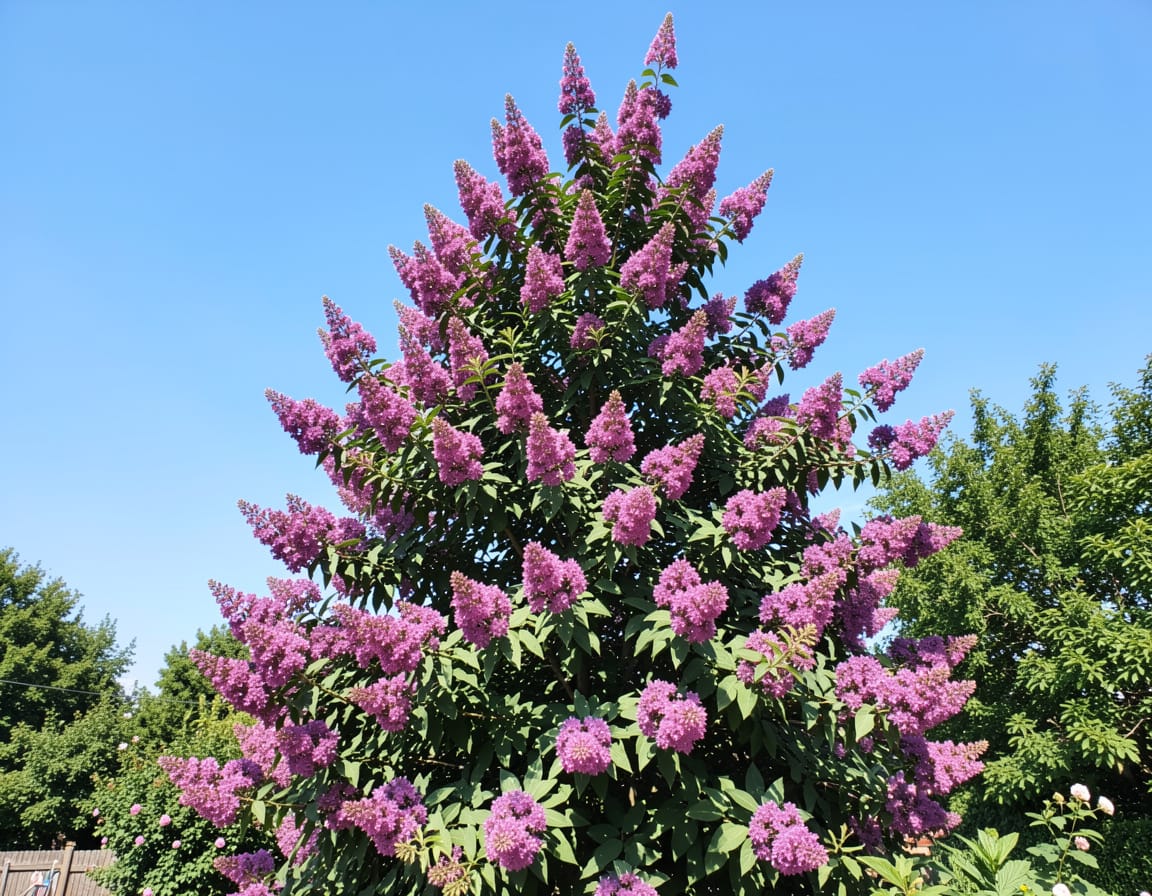
    Choosing a butterfly bush that grows tall and stays reliably upright can completely change the look of a small garden. Whether you want privacy, a pollinator magnet, or a dramatic focal point, some butterfly bushes naturally stretch much higher than others.

    After growing Buddleja in my own home garden for years, here’s the clear answer to the question: what butterfly bush goes the highest plus real-world tips on getting the tallest, healthiest possible growth.

    The Actual Short Answer

    The tallest butterfly bush is the full-size Buddleja davidii, especially older, non-dwarf cultivars like:

    • Buddleja davidii ‘Black Knight’
    • Buddleja davidii ‘Royal Red’
    • Buddleja davidii ‘Nanho Blue’
    • Buddleja davidii (species form)

    Under ideal conditions, these can reach 10–15 feet sometimes more in warmer zones.

    Below is a deeper, experience-backed guide to help you choose the right tall cultivar and actually achieve those maximum heights in your own space.

    Why These Butterfly Bushes Grow the Highest

    Butterfly bushes grow tall for a few biological reasons:

    • Buddleja davidii has vigorous cane growth. Unlike dwarf series like “Lo & Behold” or “Pugster,” the older davidii types send up long, arching stems that can stretch several feet in a single season.
    • They bloom on new wood. This means the more vigorously the plant grows each spring, the taller it becomes and the more flowers it produces.
    • They thrive in full sun and heat. In my garden, the tallest growth always happens during long, hot summers with at least 6 hours of sun.

    If you’re aiming for height, avoid compact or “space-saving” varieties, no matter how tempting the low-maintenance tags look.

    What You’ll Need to Grow the Tallest Butterfly Bush

    You don’t need much, but a few conditions matter:

    • Full-sun location (6–8 hours daily)
    • Well-draining soil
    • Compost or aged manure
    • Bypass pruners
    • Mulch (wood chips or shredded bark)
    • Hose or watering can

    Eco-friendly note: Compost provides all the fertility these plants need—no synthetic fertilizers required.

    How to Grow the Tallest Butterfly Bush: Step-by-Step

    These steps are based on what consistently works in real home gardens.

    1. Plant in Early Spring

    Plant as soon as the soil is workable. Butterfly bushes root quickly in warming soil, which boosts their first-season height.

    2. Choose a Spot With Full Sun

    Shade cuts their height in half. Full sun = long, arching canes + big blooms.

    3. Prepare the Soil

    I’ve tested these shrubs in both poor soil and compost-rich beds. Without question, they grow taller when the soil is improved.

    • Loosen the soil 12–15 inches deep
    • Mix in compost
    • Avoid heavy clay that stays soggy

    Good drainage prevents root rot and lets plants put energy into growth, not survival.

    4. Plant Slightly High

    Set the crown just above soil level. Butterfly bushes sulk when planted too deep.

    5. Water Deeply the First Year

    Keep the soil evenly moist (not wet) until the plant is established.

    Real-world tip: Once established, these shrubs are very drought-tolerant.

    6. Prune Hard in Late Winter

    Buddleja davidii responds to a hard prune by shooting up fast.

    Cut stems down to about:

    • 12–24 inches above ground

    You’ll see new canes race upward by early summer.

    7. Feed With Compost in Spring

    Every spring, I spread an inch of compost around the base. This has consistently produced taller plants than chemical fertilizer.

    8. Mulch to Protect Roots

    A 2–3 inch layer of mulch keeps roots cool and moisture consistent, especially in hotter climates.

    Tallest Butterfly Bush Varieties (Experience-Based Ranking)

    1. Buddleja davidii (species form)

    Height: 10–15 feet Notes: The most vigorous and the true “giant” option.

    2. ‘Black Knight’

    Height: 8–12 feet Notes: The tallest cultivar I’ve personally grown; dark purple flowers and a strong vertical shape.

    3. ‘Royal Red’

    Height: 8–12 feet Notes: Slightly arching canes; stunning magenta-red blooms.

    4. ‘Nanho Blue’

    Height: 7–10 feet Notes: Airy growth, softer appearance, good for smaller spaces but still tall.

    Expert Tips & Best Practices

    What beginners often miss:

    • Don’t overwater. Soggy soil = short, floppy plants.
    • Skip fertilizer spikes. They create weak, leggy growth that snaps in wind.
    • Give them room. A tall butterfly bush needs at least 4–6 feet of space.
    • Stake only the first year. After year one, stems should be strong enough on their own.
    • Cut back dead blooms if you want more height and flowers.

    FAQs

    1. What’s the absolute tallest butterfly bush I can buy?

    A full-size Buddleja davidii can reach 10–15 feet in the right conditions.

    2. Will a butterfly bush stay tall without pruning?

    It will grow tall, but pruning in late winter makes it taller, fuller, and healthier.

    3. Can I grow a tall butterfly bush in a container?

    Not effectively. Large davidii varieties need ground planting to reach maximum height.

    4. Why is my butterfly bush staying small?

    Common reasons:

    • Not enough sun
    • Poor drainage
    • Too much water
    • Wrong variety (a dwarf type)

    5. Do tall butterfly bushes attract more butterflies?

    Yes. Bigger plants produce more blooms, which means more nectar.

    When NOT to Grow a Tall Butterfly Bush

    Avoid large davidii types if you have:

    • A very small space
    • Windy, exposed conditions
    • Heavy clay soil
    • Strict invasive-species regulations (some regions require sterile cultivars)

    In these cases, compact sterile varieties are safer.

    Alternatives to Tall Butterfly Bushes

    If you love the look but need a shorter or safer option:

    • Buddleja x ‘Blue Chip’ (Lo & Behold series) – 2–3 ft
    • Pugster Series – 2–3 ft but with big blooms
    • Dwarf lilac – Non-invasive, fragrant
    • Spirea ‘Neon Flash’ – Very pollinator-friendly

    Use these where full-size plants would overwhelm the space.

    Conclusion

    If you’re wondering what butterfly bush goes the highest, the answer is clear: full-size Buddleja davidii varieties, especially ‘Black Knight,’ ‘Royal Red,’ and the species form. With full sun, well-draining soil, and a yearly hard prune, these shrubs can easily reach 10–15 feet, even in an average home garden.

    Growing tall butterfly bushes is mostly about giving them the right start and resisting the urge to overwater or overfertilize. With a little patience, you’ll have a towering pollinator magnet that feeds butterflies all summer long.

    If you’d like, I can help you choose the best tall butterfly bush for your climate or yard size.

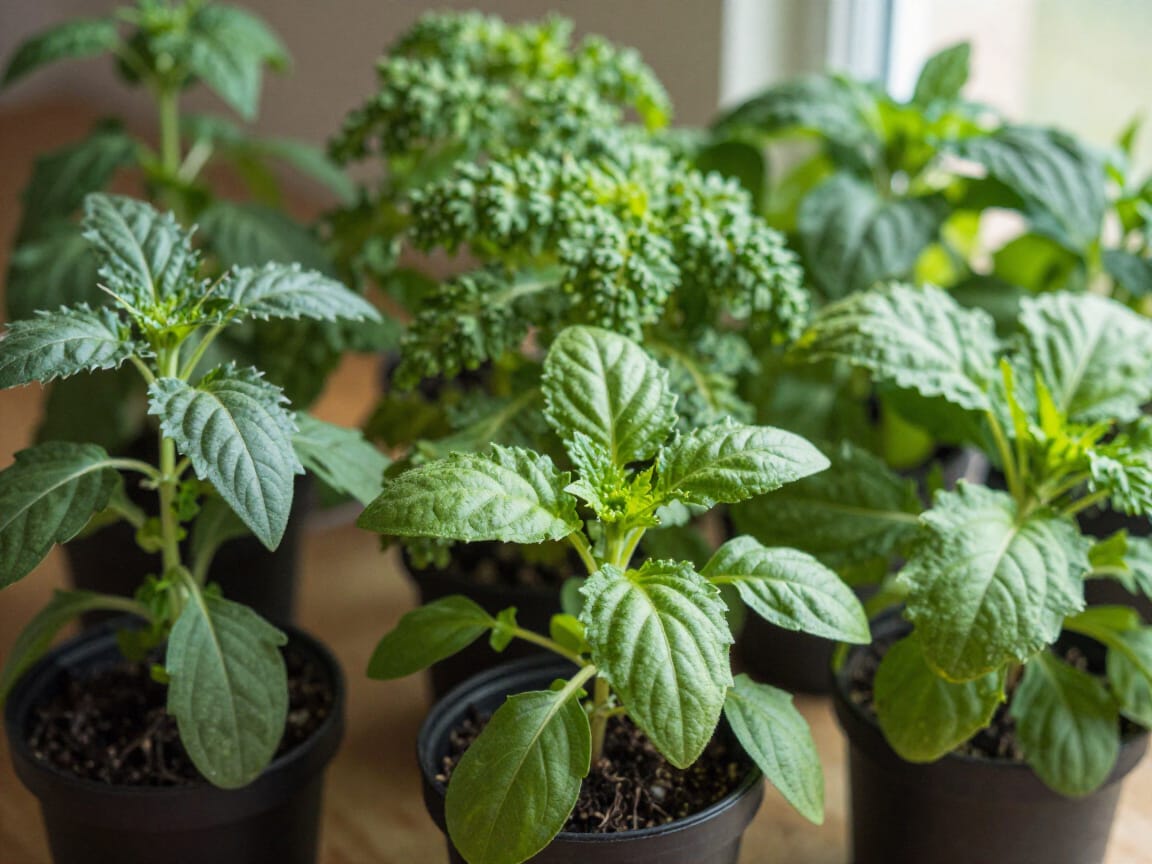
  • Best herbs to grow indoors for beginners

    Best herbs to grow indoors for beginners

    Every product is independently reviewed and selected by our editors. If you buy something through our links, we may earn an affiliate commission at no extra cost to you.

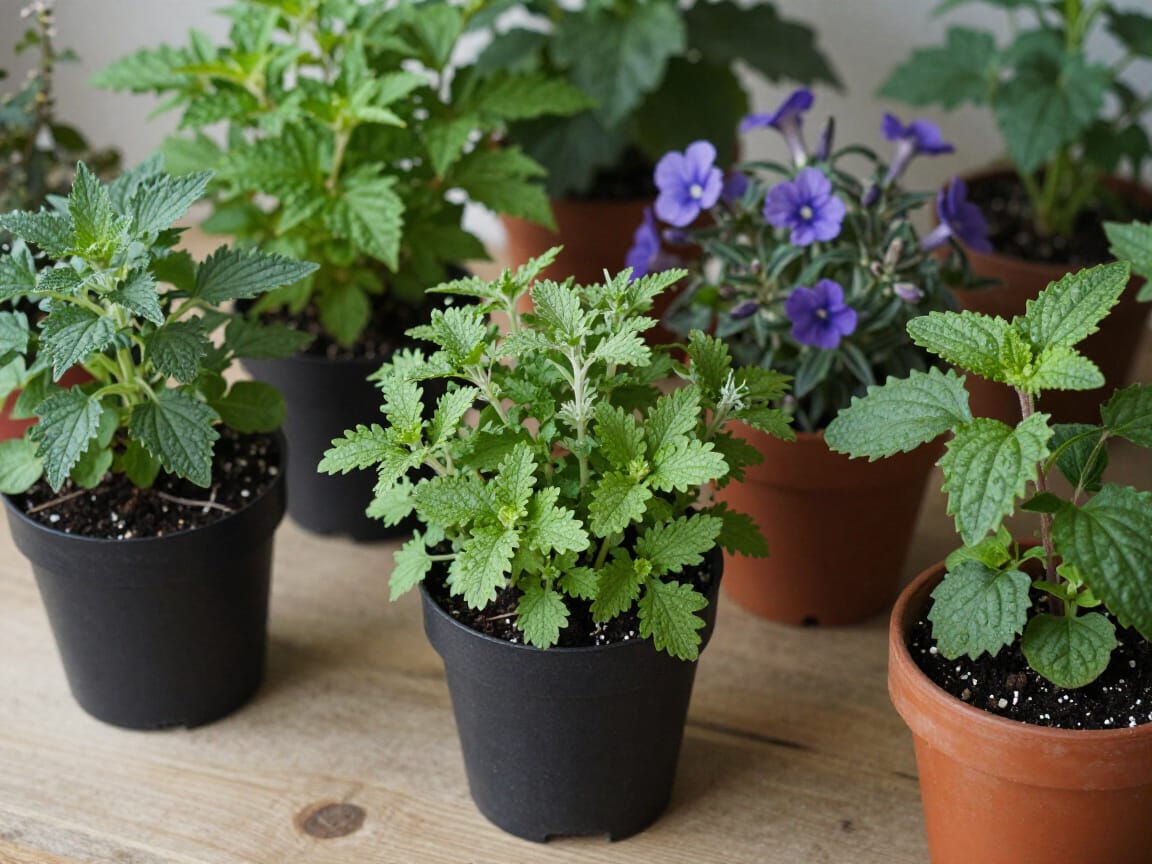
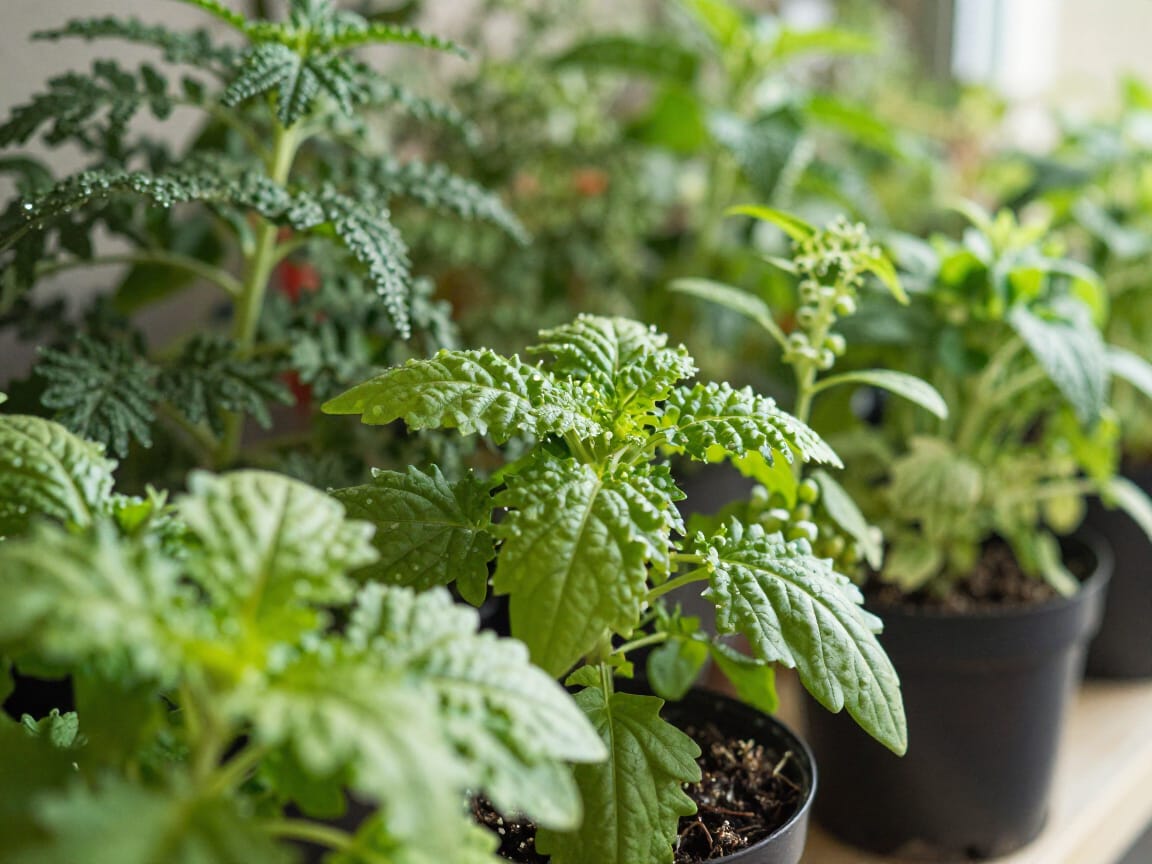
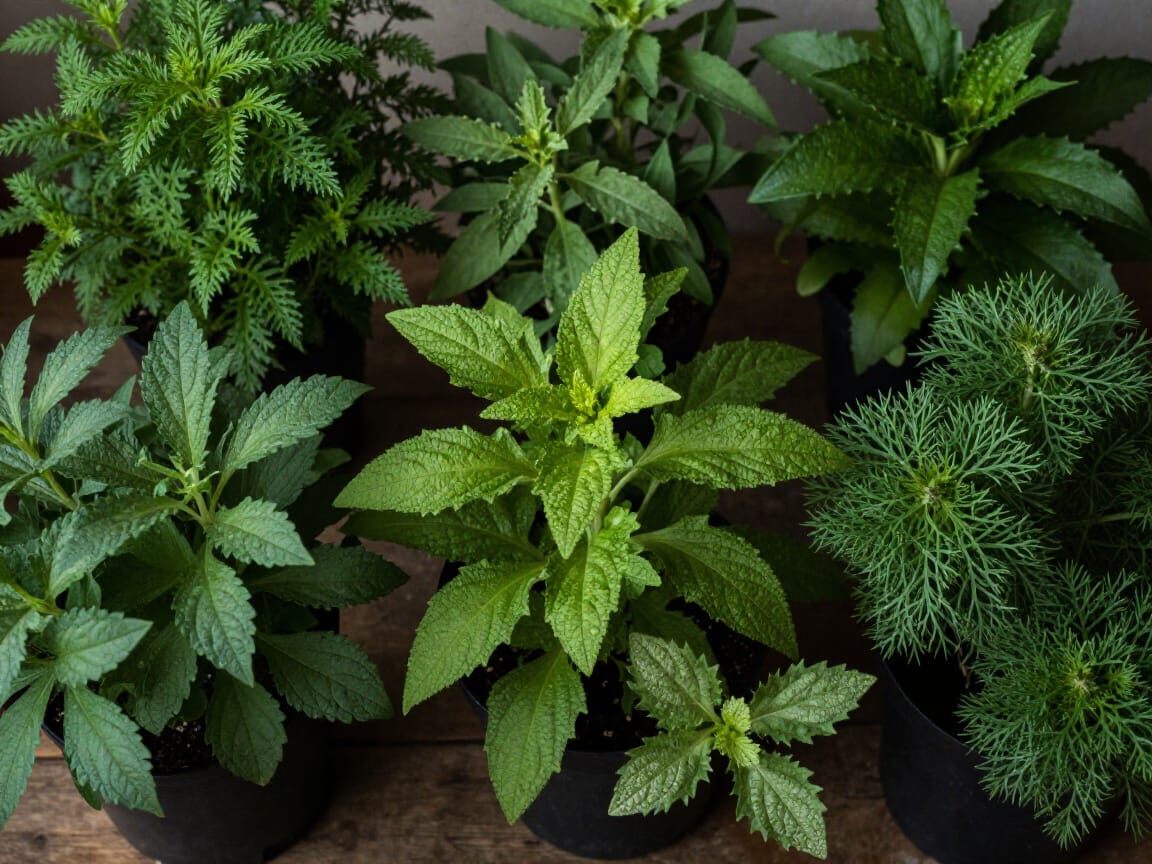
    If you’re new to indoor gardening, herbs are one of the easiest and most rewarding places to start. The issue is that many beginners pick herbs that don’t actually grow well indoors like rosemary or lavender and then wonder why everything dries out or turns woody. After years of trial and error growing herbs on windowsills, countertops, and under small grow lights, I’ve found that some herbs are simply better suited to indoor life than others.

    Below are the best herbs to grow indoors for beginners the ones that genuinely tolerate limited sunlight, stable room temperatures, small pots, and beginner‑level care. These herbs have consistently performed well in real indoor conditions, not just in idealized gardening lists.

    Why These Herbs Are Beginner-Friendly Indoors

    Indoor conditions present unique challenges:

    • Limited light
    • Dry air in winter
    • Smaller container space
    • Inconsistent watering habits
    • No rain or natural airflow

    The best beginner herbs tend to:

    • Grow well in pots
    • Tolerate imperfect light
    • Recover fast from pruning
    • Handle occasional watering mistakes
    • Stay small and manageable

    The herbs below meet all of those criteria.

    What Item You’ll Need

    • Pots with drainage holes
    • A light, fluffy potting mix (not garden soil)
    • A bright windowsill or basic LED grow light
    • A saucer or tray
    • Sharp scissors for harvesting
    • Light organic fertilizer (every 3–4 weeks)

    Eco-friendly options:

    • Coconut coir potting mix
    • Repurposed jars with gravel for drainage
    • Water-soluble organic fertilizer like compost tea

    The Best Herbs to Grow Indoors for Beginners

    1. Mint (Mint, Spearmint, Peppermint)

    Mint is practically foolproof indoors.

    Why beginners love it:

    • Grows in moderate to low light
    • Very forgiving with watering
    • Quick to bounce back from pruning
    • Strong aroma even in winter

    Beginner tip: Give mint its own pot it spreads aggressively.

    2. Chives

    One of the easiest, longest-lasting indoor herbs.

    Why it works:

    • Thrives on bright indirect light
    • Grows back after every cut
    • Handles cooler indoor temperatures
    • Compact and tidy

    Real-world observation: Indoor chives get even more tender and mild perfect for cooking.

    3. Basil (Dwarf or Small-Leaf Varieties)

    Basil is slightly more demanding but still a great beginner herb with enough light.

    Best beginner varieties:

    • Greek basil
    • Spicy globe basil
    • Dwarf Genovese

    Why beginners succeed with it:

    • Fast-growing and responsive
    • Easy to see when it needs water (droops)
    • Delicious and rewarding

    Important: Basil needs decent light south or east window, or a small grow bulb.

    4. Parsley (Flat-Leaf or Curly)

    Parsley grows slowly but steadily indoors.

    Why it’s beginner-friendly:

    • Tolerates lower light than basil
    • Doesn’t dry out quickly
    • Handles cool indoor rooms
    • Safe for pets (bonus for cat and dog households)

    Indoor tip: Harvest the outer stems first; the center produces new growth.

    5. Lemon Balm

    A bright, citrus-scented herb that thrives indoors.

    Why it’s ideal:

    • Shade tolerant
    • Bushy and forgiving
    • Grows fast with minimal care

    Beginner warning: Can get root-bound repot once a year.

    6. Oregano

    A surprisingly easy Mediterranean herb for beginners.

    Why it works indoors:

    • Low water needs
    • Slow, controlled growth
    • Strong scent even with indirect light

    Best type: Greek oregano compact and flavorful.

    7. Thyme (English or Lemon Thyme)

    Tiny leaves, big flavor, low maintenance.

    Why beginners love it:

    • Hard to over-prune
    • Drought-tolerant
    • Stays compact in small pots

    Beginner mistake: Overwatering. Thyme likes soil almost dry between waterings.

    8. Lemon Verbena

    Not essential, but a great choice for beginners with a sunny window.

    Why it works:

    • Incredibly fragrant
    • Upright, easy-to-harvest habit
    • Responds well to pruning

    Note: Needs brighter light than mint or parsley but still beginner-friendly.

    Pro Tips for Beginner Indoor Herb Success

    • Place herbs close to the brightest window you have.
    • Rotate pots weekly so plants grow upright.
    • Snip often herbs get bushier with regular harvesting.
    • Keep herbs away from drafts and heat vents.
    • Water in the morning to avoid soggy soil overnight.
    • Use a small LED grow light if your room is dim in winter.
    • Don’t overfertilize too much fertilizer reduces flavor.

    What beginners often miss: Indoor herbs grow slower than outdoor herbs. Slow growth does not mean something is wrong.

    FAQ

    What’s the easiest herb to grow indoors? Mint or chives both thrive even with low light and inconsistent watering.

    Can basil grow indoors year-round? Yes, but only with strong light. Use a grow light for winter.

    Why are my indoor herbs turning yellow? Usually overwatering or not enough light.

    How often should I water indoor herbs? Typically once a week. Check soil moisture first.

    When Not to Grow Certain Herbs Indoors

    Some herbs are not beginner-friendly indoors:

    • Rosemary (prone to root rot)
    • Lavender (needs intense light)
    • Cilantro (short-lived and bolts quickly)
    • Dill (too tall, too fast-growing)

    If you’re just starting, skip these at first.

    Alternative Beginner Options

    If indoor herbs struggle in your space, try:

    • A small plug-in grow light (the easiest fix)
    • Countertop hydroponic systems (foolproof)
    • Microgreens—faster and easier than full herbs
    • Rotating herbs outdoors during warm months

    Conclusion

    The best herbs to grow indoors for beginners are the ones that forgive imperfect conditions and reward you with steady growth: mint, chives, parsley, basil, oregano, thyme, and lemon balm. These herbs adapt well to pots, indoor temperatures, and moderate light, making them perfect for new gardeners.

    Start with one or two, give them bright light and light-but-regular watering, and you’ll have fresh, fragrant herbs right at your fingertips all year long.

  • Best smelling herbs to grow indoors

    Best smelling herbs to grow indoors

    Every product is independently reviewed and selected by our editors. If you buy something through our links, we may earn an affiliate commission at no extra cost to you.

    If you’ve ever brought home an herb plant expecting your kitchen to smell amazing—only for it to lose scent or struggle indoors you’re not alone. Indoors, herbs face weaker light, inconsistent humidity, and smaller pots, all of which affect fragrance. Over the years growing herbs on windowsills, countertops, and under small grow lights, I’ve learned that only certain herbs stay consistently aromatic indoors.

    Below are the best smelling herbs to grow indoors, chosen based on real performance, strong scent, and low-maintenance indoor care.

    Why These Herbs Stay Fragrant Indoors

    Indoors, light and temperature influence essential oil production, which creates fragrance. The herbs on this list tolerate:

    • Lower light (or at least indirect bright light)
    • Stable indoor temperatures
    • Container growing
    • Regular pruning

    Most importantly, they keep producing high essential oil content, even without full outdoor sun.

    What You’ll Need

    • Pots with drainage holes
    • Well-draining potting mix (add perlite for Mediterranean herbs)
    • A bright windowsill or small LED grow bulb
    • Sharp scissors for harvesting
    • Light organic fertilizer every 3–4 weeks

    Eco-safe alternatives:

    • Coconut-coir potting blend
    • Repurposed kitchen jars (add gravel layer)
    • Compost tea as a gentle fertilizer

    Best Smelling Herbs to Grow Indoors

    1. Mint (Spearmint, Peppermint, Chocolate Mint)

    One of the most reliable indoor herbs for fragrance.

    Why it smells great indoors:

    • Stays aromatic even in moderate light
    • Releases scent every time you touch it
    • Thrives in humid kitchens or bathrooms

    My experience: Peppermint stays the strongest-scented, even in winter.

    2. Lemon Balm

    A sweet lemony scent that fills the room when brushed.

    Why it works indoors:

    • Shade-tolerant
    • Produces strong essential oils without intense sun
    • Fast and forgiving

    Tip: Prune monthly older leaves lose scent.

    3. Basil (Especially Lemon Basil & Cinnamon Basil)

    Regular basil smells great, but specialty basils are incredible indoors.

    Best indoor varieties:

    • Lemon basil
    • Cinnamon basil
    • Thai basil

    Why basil smells great:

    • Warm indoor temperatures mimic its natural habitat
    • Essential oils peak with regular pruning

    Note: Needs bright light to maintain strong fragrance.

    4. Rosemary (Dwarf Varieties)

    Yes, rosemary can be grown indoors if you choose the right type.

    Why it works:

    • Strong pine-like aroma stays even in winter
    • Dwarf types adapt better to pots
    • Needs less water than most herbs

    Real-world note: Let rosemary dry out between waterings. Overwatering kills it fast.

    5. Lavender (English or Dwarf Lavender)

    One of the most fragrant herbs you can grow indoors.

    Why it works indoors:

    • Aromatic even without flowering
    • English varieties tolerate indoor light better
    • Dwarf lavender fits small pots

    Indoor rule: Give this herb as much light as possible for the best scent.

    6. Thyme (Lemon Thyme Is the Most Fragrant)

    Thyme doesn’t just smell great it holds scent well indoors.

    Why it’s ideal indoors:

    • Heat-loving
    • Compact for small pots
    • Lemon thyme fills the air with a citrus-herbal aroma

    From experience: Thyme’s smell intensifies when the soil is slightly dry.

    7. Oregano (Greek Oregano)

    One of the strongest indoor scents when leaves are rubbed.

    Why it works:

    • High essential oil content
    • Handles dry indoor conditions well
    • Compact and low-maintenance

    Tip: Harvest lightly but regularly to keep the aroma fresh.

    8. Sage (Garden Sage & Pineapple Sage)

    Sage has one of the richest, warmest herbal scents.

    Why it works indoors:

    • Sturdy, drought-tolerant
    • Scent stays strong with minimal light
    • Pineapple sage adds a fruity twist

    Beginner note: Don’t overwater sage likes to dry out between waterings.

    9. Lemongrass

    Not always considered an “herb,” but fantastic for indoor aroma.

    Why it works:

    • Strong lemon scent
    • Tall, elegant indoor plant
    • Handles containers surprisingly well

    Indoor tip: Place near a bright window; water when top soil dries.

    10. Bay Laurel (Bay Leaf)

    A slow-growing indoor shrub with a subtle, clean aroma.

    Why it works indoors:

    • Aroma remains year‑round
    • Evergreen leaves stay fragrant even when dry
    • Tolerates indirect light

    Note: Water sparingly; bay hates soggy soil.

    Pro Tips for Keeping Indoor Herbs Smelling Strong

    • Touch or gently brush herbs often to release fragrance.
    • Give at least 4–6 hours of bright light for best scent.
    • Trim regularly new growth is always the most aromatic.
    • Don’t overfertilize; too much nitrogen dilutes scent.
    • For Mediterranean herbs (thyme, rosemary, oregano), keep soil on the dry side.
    • For leafy herbs (mint, basil), keep moisture consistent.

    From real indoor experience: If scent fades, increase light and prune the oldest leaves.

    FAQ

    Which indoor herb smells the strongest? Mint or lemon thyme both release a powerful scent with the slightest touch.

    Why do my indoor herbs not smell as strong as store-bought? They need more light. Essential oils decrease in low light.

    Can I grow lavender indoors without a grow light? Yes, but it must sit in the sunniest window you have.

    What herbs smell good in low light? Mint, lemon balm, oregano, and chives maintain scent even in medium light.

    How often should I water fragrant herbs indoors? Usually once a week, but rosemary and thyme prefer less.

    Do indoor herbs need humidity? Leafy herbs like mint prefer it; Mediterranean herbs prefer drier air.

    When Not to Grow Indoor Fragrant Herbs

    Your herbs may struggle if:

    • Your home gets almost no natural light
    • You water Mediterranean herbs too often
    • You place herbs near heat vents
    • You expect outdoor-level fragrance indoors

    In extremely dark rooms, a small grow bulb makes all the difference.

    Alternative Solutions

    If growing scented herbs indoors is difficult:

    • Use a compact LED grow light (cheap and energy efficient)
    • Grow herbs hydroponically for stronger scent
    • Try scented geraniums they’re extremely fragrant indoors
    • Keep herbs outdoors in warm months and rotate indoors in winter

    Conclusion

    The best smelling herbs to grow indoors are the ones that stay aromatic despite limited light and indoor conditions. Mint, lemon balm, basil, rosemary, lavender, thyme, oregano, sage, lemongrass, and bay laurel are reliable, fragrant choices for year‑round indoor growing.

    Start with one or two, give them bright light and regular pruning, and you’ll have a naturally fragrant home without relying on candles or diffusers.

  • Best herbs to grow indoors year-round

    Best herbs to grow indoors year-round

    Every product is independently reviewed and selected by our editors. If you buy something through our links, we may earn an affiliate commission at no extra cost to you.

    Many beginners imagine a lush indoor herb garden but end up with leggy stems, yellow leaves, or plants that refuse to grow after a few weeks. I’ve been there especially during my first winter trying to keep kitchen herbs alive on a dim apartment windowsill. The truth is, only certain herbs adapt well to indoor conditions all year long, and they’re usually the ones that can handle stable indoor temperatures, limited sunlight, and container living.

    After years of growing herbs indoors on windowsills, countertops, and small balcony-adjacent shelves, these are the best herbs to grow indoors year-round the ones that stay healthy, productive, and easy to maintain.

    Why These Herbs Grow Well Indoors

    Indoor environments give plants:

    • Stable temperatures
    • Moderate humidity
    • No direct rainfall
    • Limited sunlight
    • Smaller root space

    So the herbs that do well indoors tend to:

    • Stay compact
    • Tolerate indirect or filtered light
    • Recover quickly from harvesting
    • Grow well in containers

    Mediterranean herbs like rosemary or lavender can survive indoors, but they rarely thrive year-round. The list below focuses on herbs that reliably perform inside, based on firsthand experience.

    What Kind Of Things You’ll Need

    • Pots with drainage holes
    • Light, well-draining potting mix (not garden soil)
    • A bright windowsill or LED grow bulb
    • Small saucer or tray
    • Sharp scissors for harvesting
    • Organic liquid fertilizer (very diluted)

    Eco-friendly alternatives:

    • Coconut coir–based mixes
    • Reused jars with a gravel drainage layer
    • Homemade compost tea (lightly diluted)

    The Best Herbs to Grow Indoors Year‑Round

    1. Mint (Spearmint, Peppermint)

    Mint is hands-down the easiest indoor herb for all seasons.

    Why it thrives indoors:

    • Handles low light
    • Recovers quickly from pruning
    • Loves consistent moisture
    • Grows well in pots

    Indoor tip: Pinch the tips often to keep mint bushy instead of leggy.

    2. Chives

    If I could recommend just one year-round indoor herb for beginners, it would be chives.

    Why it works:

    • Naturally grows in partial shade
    • Regrows after every cut
    • Stays compact in containers
    • Handles cool indoor temperatures

    Indoor flavor note: Chives become slightly milder indoors perfect for soups, eggs, and salads.

    3. Basil (With a Caveat)

    Basil can grow year‑round indoors if given strong light.

    Why it works inside:

    • Fast grower with frequent harvests
    • Compact bush basil varieties stay tidy
    • Enjoys warm indoor temperatures

    What beginners often miss: Basil needs bright light. Without at least a bright east/south window or a cheap grow bulb, it becomes spindly.

    Best indoor varieties:

    • Greek basil
    • Spicy globe basil
    • Dwarf Genovese

    4. Parsley (Curly or Flat-Leaf)

    Parsley grows beautifully indoors, even in winter.

    Why it works indoors:

    • Tolerates lower light
    • Grows slowly but steadily
    • Handles cool indoor rooms
    • Doesn’t need frequent repotting

    Tip: Harvest from the outside stems never the center. That’s where new growth emerges.

    5. Oregano (Greek or Golden)

    Oregano is surprisingly reliable indoors with steady light.

    Why it works:

    • Slow, compact growth
    • Continues producing flavorful leaves
    • Tolerates slightly dry soil (perfect for forgetful waterers)

    Indoor note: Don’t overwater indoor oregano prefers a light, airy mix.

    6. Thyme (English or Lemon Thyme)

    Thyme is one of the few Mediterranean herbs that adapts well indoors.

    Why it works:

    • Small root system
    • Prefers indoor warmth
    • Slow, compact habit
    • Harvestable year‑round

    Beginners’ mistake: Killing thyme with too much water. Keep soil nearly dry between waterings.

    7. Lemon Balm

    A cousin of mint that thrives indoors.

    Why it works year‑round:

    • Shade tolerant
    • Prefers stable temperatures
    • Quick recovery from pruning
    • Great for teas and desserts

    Indoor reminder: Lemon balm can get root‑bound quickly repot annually.

    8. Cilantro (With Successive Sowing)

    Cilantro doesn’t live long, but with regular reseeding, it becomes a year‑round indoor crop.

    Why it works:

    • Prefers cooler indoor temperatures
    • Bolts less indoors
    • Fast to sprout and usable within weeks

    Pro tip: Sow a pinch of new seeds every 3–4 weeks for continuous harvests.

    9. Sage (Dwarf Varieties)

    Full-size sage is tricky indoors, but dwarf sage works surprisingly well.

    Why it works:

    • Handles warm, bright rooms
    • Slow growth (less legginess)
    • Leaves stay flavorful even in winter

    Avoid: Overwatering sage likes to dry between waterings.

    Expert Tips & Best Practices for Year‑Round Indoor Herbs

    • Use a cheap LED grow bulb in winter to prevent legginess.
    • Rotate pots weekly so plants grow upright.
    • Prune lightly and often herbs love frequent picking.
    • Keep soil moist for leafy herbs and drier for woody ones.
    • Fertilize lightly every 3–4 weeks; too much causes weak growth.
    • Keep herbs away from cold drafts and heat vents.

    From real indoor experience: Many herbs fail indoors because people treat them like houseplants. Herbs need more light and slightly leaner soil.

    FAQ

    What is the easiest herb to grow indoors all year? Mint or chives they tolerate low light and bounce back from heavy cutting.

    Do indoor herbs need a grow light? Not always. Mint, parsley, and chives can manage without one. Basil, thyme, and oregano perform better with extra light.

    How often should I water indoor herbs? Typically once a week. Check soil moisture first indoor soil dries slowly.

    Why are my indoor herbs turning yellow? Usually overwatering or insufficient light.

    Can I grow herbs in my kitchen? Yes. Kitchens offer warmth and humidity just provide decent light.

    How do I stop indoor herbs from becoming leggy? Give more light, rotate pots, and pinch tips regularly.

    When NOT to Grow Herbs Indoors Year‑Round

    Indoor herb gardening may fail if:

    • Your windows get almost no natural light
    • Your home is very dry in winter (below 30% humidity)
    • You expect continuous, heavy harvests
    • You grow large Mediterranean herbs in small containers

    In extremely dark spaces, a small grow bulb is essential.

    Alternative Solutions if Indoor Growing Is Difficult

    • Use a countertop hydroponic system for near-effortless herb growth.
    • Grow microgreens faster and easier than full herbs.
    • Rotate herbs between a balcony/outdoor spot and indoors during winter.

    Each option reduces failure and increases year-round harvests.

    Conclusion

    The best herbs to grow indoors year‑round are the ones naturally suited to container life, moderate light, and stable indoor temperatures. Mint, chives, parsley, oregano, thyme, basil (with good light), lemon balm, and dwarf sage are the most reliable choices from real-life indoor gardening experience.

    Start with two or three, keep your expectations realistic, and focus on steady, light harvesting. With the right care and lighting, an indoor herb garden can stay productive through every season.

  • Herbs that can grow indoors with low light

    Herbs that can grow indoors with low light

    Every product is independently reviewed and selected by our editors. If you buy something through our links, we may earn an affiliate commission at no extra cost to you.

    If you’ve tried growing herbs indoors only to watch them stretch, fade, or collapse, the culprit is almost always light. Most classic kitchen herbs like basil, rosemary, and thyme simply don’t thrive in dim conditions. But some herbs genuinely can adapt to low light indoors, especially if you choose the right varieties and adjust your care slightly.

    Over the years, I’ve tested a wide range of herbs on kitchen counters, shady windowsills, and even bathroom shelves. Below are the herbs that actually grow indoors with low light, not the wishful-thinking list you’ll often see online.

    Why These Herbs Work in Low Indoor Light

    Indoor low-light environments usually mean:

    • No direct sun
    • A north-facing window or shaded room
    • Short winter days
    • Weak, filtered daylight

    The herbs below tolerate:

    • Lower light intensity
    • Cooler indoor temperatures
    • Slower, compact growth
    • Higher humidity (common indoors)

    Most of them naturally grow on forest edges, understories, or cool climates making them well-suited to dim indoor spots.

    What Actually You’ll Focused

    • Small pots with drainage
    • Light, fluffy potting mix (not garden soil)
    • A saucer or tray
    • Organic liquid fertilizer (diluted)
    • Clean scissors for trimming
    • Optional: A simple LED grow bulb for winter support

    Eco-friendly alternatives:

    • Coconut coir–based mixes
    • Reused kitchen jars as planters (with gravel for drainage)

    The Best Herbs for Low Light Indoors

    1. Mint (All Varieties)

    Mint is one of the few herbs I’ve consistently seen thrive even on a north-facing windowsill.

    Why it works:

    • Grows in partial shade naturally
    • Tolerates neglect and fluctuating humidity
    • Sends out new stems even when light is weak

    Tip: Trim frequently. Mint gets leggy without regular pinching.

    2. Parsley (Flat or Curly)

    Parsley grows surprisingly well in low-light apartments, although slowly.

    Why it works:

    • Cool-climate herb that tolerates shade
    • Handles indoor temperatures well
    • Gives steady harvests if pruned from the base

    Beginner note: Keep soil evenly moist it dislikes drying out indoors.

    3. Chives

    Chives are one of my favorite low-light herbs for winter kitchens.

    Why they work:

    • Naturally grow in meadows with partial shade
    • Regrow continuously after cutting
    • Don’t need intense sunlight to stay green

    From experience: Chives grown in low light are tender and mild great for cooking.

    4. Lemon Balm

    A cousin of mint but even more shade-tolerant.

    Why it works:

    • Thrives in cooler, dimmer rooms
    • Produces fragrant leaves even in diffuse light
    • Steady grower if you keep soil lightly moist

    Caution: It can get root-bound fast. Repot yearly.

    5. Cilantro (Coriander)

    Cilantro prefers cooler, lower-light indoor spots and bolts less indoors.

    Why it works:

    • Hates strong direct sun
    • Grows well in bright shade
    • Produces plenty of foliage if cut regularly

    Note: Short-lived, so sow fresh seeds every 4–6 weeks.

    6. Oregano (Golden or Greek Oregano)

    Oregano doesn’t love low light, but compact varieties cope surprisingly well indoors.

    Why it works:

    • Hardy, drought-tolerant, and forgiving
    • Keeps producing flavor even with reduced light

    Tip: Harvest lightly to prevent legginess.

    7. Lovage

    This herb isn’t commonly mentioned, but it’s extremely shade-tolerant.

    Why it works:

    • Prefers cool, moist conditions
    • Slow grower that doesn’t stretch quickly
    • Tastes like mild celery great for soups

    8. Vietnamese Coriander (Persicaria odorata)

    This one thrives where cilantro struggles.

    Why it works:

    • Loves humidity
    • Performs well in bathrooms or shaded kitchens
    • Fast growing, even with dim light

    Real-world note: It grows faster than cilantro indoors and doesn’t bolt early.

    9. Bay Laurel (Bay Leaf) – Mini Indoor Tree

    This isn’t fast, but it’s reliable.

    Why it works:

    • Evergreen shrub adapted to indirect light
    • Very slow-growing, so low energy needs
    • Leaves stay aromatic even in winter low light

    Place it near the brightest window in a low-light room.

    Pro Tips for Growing Herbs Indoors With Low Light

    • Rotate pots weekly to prevent sideways growth.
    • Water less often dim light slows evaporation.
    • Pinch tips regularly to keep plants compact.
    • Don’t overfertilize; herbs stretch easily in low light.
    • Add a cheap LED bulb in winter if growth stalls.

    What beginners often miss: Most “low-light herbs” don’t grow fast in dim spaces expect slow but steady growth.

    FAQ

    What is the easiest herb to grow indoors with low light? Mint or chives both are very forgiving and tolerate dim rooms.

    Why are my indoor herbs getting tall and thin? They’re stretching toward light. Rotate the pot and pinch growth tips.

    Can basil grow in low light? Not well. Basil needs strong sun or a grow light to stay bushy.

    How often should I water herbs indoors? Usually once a week. Feel the top inch of soil water only when dry to the touch.

    Can I grow herbs in a bathroom? Yes mint, lemon balm, and Vietnamese coriander thrive in humid bathrooms with indirect light.

    Do indoor herbs need fertilizer? Yes. Use a half‑strength organic liquid feed every 3–4 weeks.

    When Not to Grow Herbs in Low Light

    Avoid low-light herb gardening if:

    • Your home stays below 60°F for long periods
    • Your windows are heavily tinted or blocked
    • You expect rapid, constant harvests

    Large Mediterranean herbs (rosemary, thyme, sage) perform poorly without strong sun.

    Alternative Options (If Your Space Is Very Dim)

    If you truly have no natural light:

    Use a clip-on LED grow light

    • Inexpensive
    • Very low energy use
    • Lets you grow nearly any herb

    Grow microgreens instead of herbs

    • Much faster
    • Less light needed
    • Perfect for small kitchens

    Try hydroponics

    • Great for apartments
    • Small countertop systems work extremely well

    Conclusion

    Growing herbs that can grow indoors with low light is completely possible if you choose plants adapted to cooler, shadier environments. Mint, chives, parsley, lemon balm, cilantro, and Vietnamese coriander are the most reliable choices from my real garden experience.

    Start with one or two herbs, keep expectations realistic, and prune lightly but often. With the right plants, even a dim windowsill can become a steady source of fresh, flavorful herbs.