Every product is independently reviewed and selected by our editors. If you buy something through our links, we may earn an affiliate commission at no extra cost to you.
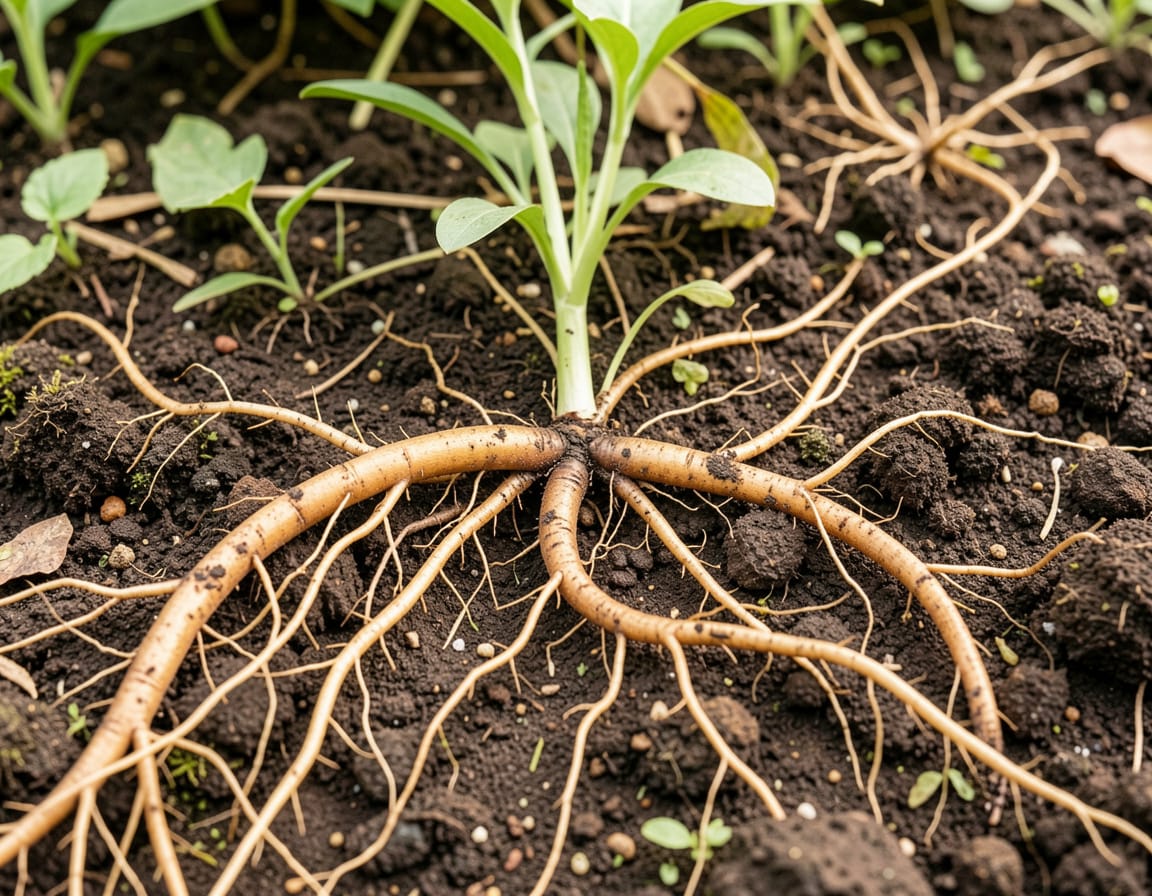
If you’ve ever pulled up a pot-bound plant or dug around a raised bed, you may have noticed roots spreading in all directions sometimes even circling the container. Many beginners wonder: can plant roots grow sideways, or are they supposed to grow straight down?
In real home gardens especially containers, balcony pots, and small beds roots grow sideways all the time. They often need to. When I first started container gardening on a small terrace, I assumed deep pots meant deep roots. But over time, I found roots spreading horizontally because that’s where the moisture, nutrients, and oxygen were.
Understanding why roots grow sideways helps you choose better pots, improve soil mixes, and avoid issues like pot-bound plants or poor drainage.
Why This Happens: The Biology Behind Sideways Root Growth
Plant roots follow simple survival rules:
- They grow where water and oxygen are available. In compacted or wet soil, roots shift sideways to find air pockets.
- They avoid obstacles. Rocks, pot edges, and heavy clay push roots outward.
- They search horizontally for nutrients. Most nutrients accumulate in the top 6–12 inches of soil, especially in garden beds.
- Container walls redirect growth. In pots, roots hit the sides and then travel sideways or circle.
In my containers, I’ve often seen tomatoes, peppers, and even lettuce spreading roots outwards far more than downward especially in shallow, wide pots.
What You’ll Need
(Only if you’re planning to check or improve root growth)
- A hand trowel or transplanter
- Well-draining potting mix (coco coir + compost + perlite works well)
- A wide container if you’re repotting
- Gloves (especially when handling compost)
- Watering can with a fine rose
- Optional: organic fertilizer or worm castings
Budget-friendly alternatives: recycle nursery pots or use homemade compost to improve soil texture.
How to Support Healthy Sideways Root Growth
1. Choose the Right Container Shape
For most crops, wide pots are more useful than deep pots.
- Herbs, lettuce, peppers, strawberries do best in shallow, broad containers.
- Only a few plants (carrots, potatoes, taproot herbs) require depth.
If roots can spread sideways without circling, plants grow faster and stay healthier.
2. Use Loose, Airy Potting Mix
Roots naturally spread sideways in loose soil. Mix:
- 40% compost
- 40% coco coir or peat
- 20% perlite or coarse sand
Heavy garden soil in pots causes horizontal root growth for the wrong reasons because roots are suffocating.
3. Water Evenly Across the Soil Surface
Inconsistent watering forces roots to chase moisture sideways instead of forming a stable structure.
Water until:
- The entire surface is moist,
- Water drains from the bottom of the pot.
In outdoor beds, drip lines encourage even sideways root spread.
4. Gently Loosen Roots When Repotting
If container roots have begun circling sideways, tease them apart so they can grow outward into fresh soil.
5. Avoid Over-Compaction
Pressing soil too tightly reduces oxygen and pushes roots sideways.
In my garden, I lightly tap pots to settle mix and avoid heavy hand-packing.
Pro Tips & Best Practices
- Root mats on the soil surface often mean the plant is searching for oxygen improve aeration.
- Sideways roots near pot edges can indicate the container is too small.
- Horizontal spread in raised beds is normal; most feeder roots live in the top 6–12 inches.
- Fabric pots allow air-pruning, preventing circling roots.
- Water deeply but not excessively. Constantly wet soil forces shallow, sideways rooting.
Common Beginner Mistakes
- Using garden soil in pots (too dense)
- Choosing tall, narrow pots for shallow-rooted plants
- Ignoring circling roots during repotting
- Overwatering, which pushes roots to oxygen pockets near edges
FAQ
1. Why are my plant’s roots growing sideways instead of down? Usually because they’re searching for oxygen or hitting obstacles like pot walls or compacted soil.
2. Is sideways root growth bad for my plants? Not always. Sideways roots are normal in pots and raised beds. It’s only a problem when roots start circling tightly.
3. Can I fix circling roots? Yes. Tease them apart gently when repotting, or prune lightly if they’re very dense.
4. Do certain plants naturally grow more sideways? Yes herbs, strawberries, lettuces, and most annual vegetables have shallow, spreading root systems.
5. Will deeper pots encourage downward growth? Only if the soil is airy and consistently moist. Depth alone does not guarantee deeper rooting.
When NOT to Encourage Sideways Root Growth
- Root vegetables like carrots, radishes, and beets need depth. Sideways growth causes deformities.
- In very narrow balconies or railing planters, excessive sideways roots can compact soil faster.
- Poor drainage conditions cause sideways rooting from stress, not healthy development.
If soil is constantly wet, fix drainage first.
Alternative Methods or Solutions
If sideways growth becomes a problem:
- Air-pruning containers prevent circling roots.
- Raised beds offer natural horizontal space and prevent compaction.
- Soil amendments like perlite or pine bark create better downward aeration.
Each method works well for different garden setups; beginners often prefer fabric pots for effortless root management.
Conclusion
So, can plant roots grow sideways? Absolutely and in real home gardens, they do it all the time. Sideways root growth is natural, especially in containers, raised beds, and loose soil mixes. With the right pot size, proper watering, and breathable soil, sideways growth leads to stronger, healthier plants.
Support natural root behavior, stay observant, and adjust your soil or container choice as your plants “tell” you what they need. Sustainable gardening isn’t about forcing roots downward it’s about giving them room to grow in the direction that keeps them thriving.