Every product is independently reviewed and selected by our editors. If you buy something through our links, we may earn an affiliate commission at no extra cost to you.
A kitchen window sill is prime real estate. It gets natural light, frames your outdoor view, and sits at eye level so anything you place there is highly visible. Real plants can struggle in this space due to fluctuating temperatures, cooking humidity, and inconsistent watering.
That’s where artificial flowers for a kitchen window sill can make practical sense if you choose high-quality materials and design them correctly.
This guide walks through realistic styling ideas, scale considerations, light exposure factors, cleaning routines, and how to make faux florals look intentional rather than artificial.
Introduction
Kitchen window sills create a unique microclimate:
- Direct sun exposure (south- or west-facing windows)
- Heat from ovens and stovetops
- Steam and humidity from cooking
- Temperature swings in winter
- Limited sill depth (often 4–8 inches)
Live plants require proper potting soil, drainage holes, and consistent watering. Artificial flowers eliminate those horticultural demands but they introduce design challenges. Poor-quality silk fades in sun, glossy plastic looks fake in daylight, and bulky arrangements overcrowd small sills.
This guide focuses on creating realistic, proportioned arrangements that complement the space while staying durable in bright indoor light.
Quick Summary
- Choose UV-resistant or fade-resistant materials for sunny windows
- Keep arrangement height below 1.5x sill depth
- Use narrow containers (3–6 inches wide for most sills)
- Avoid glossy plastic finishes
- Clean quarterly to prevent grease buildup
- Layer greenery for realism
Assess Your Kitchen Window Conditions
Before selecting artificial flowers, evaluate three factors:
1. Sun Exposure Direction
Even indoors, sunlight impacts artificial materials.
- South-facing: 6–8+ hours direct light. Highest fade risk.
- West-facing: Intense afternoon sun. Heat buildup on glass.
- East-facing: Gentle morning light. Ideal exposure.
- North-facing: Soft indirect light. Minimal fading risk.
For south- or west-facing windows, UV-resistant artificial flowers are essential.
2. Window Sill Depth
Measure carefully.
- Standard sill depth: 4–6 inches
- Deeper custom sills: 8–10 inches
Shallow sills require slim-profile containers and compact arrangements.
3. Proximity to Stove or Sink
Steam and cooking oils accumulate on surfaces near ranges.
Artificial flowers near stovetops need:
- Washable materials
- Simple structures (less dust-catching detail)
- Occasional gentle cleaning
Best Artificial Flower Styles for Kitchen Window Sills
Scale and realism matter more than quantity.
1. Faux Herbs in Small Pots
One of the most convincing options.
Examples:
- Artificial basil
- Faux rosemary
- Silk thyme
- Artificial mint
Why It Works
Herbs look natural in kitchens and don’t require dramatic blooms.
Styling Tips
- Use matte ceramic pots (3–4 inches diameter)
- Choose slightly varied leaf sizes
- Avoid overly bright green tones
Works well on east- or north-facing windows.
2. Mini Artificial Lavender
Lavender fits kitchen aesthetics especially farmhouse or modern rustic styles.
Buying Criteria
- Muted purple tones
- Soft, flexible stems
- Matte foliage
Use narrow trough-style planters for longer sills.
3. Small Faux Hydrangea Clusters
Best for wider sills (6+ inches deep).
Why It Works
Compact blooms add fullness without height.
Height Guideline
Keep total arrangement under 10–12 inches tall to avoid blocking light.
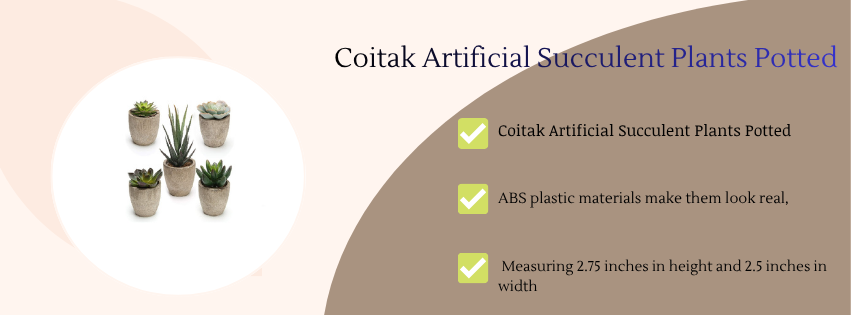
4. Artificial Succulent Arrangements
Excellent for modern kitchens.
Advantages
- Compact size
- Minimal dust-catching petals
- Realistic texture if high quality
Choose:
- Echeveria
- Faux aloe
- Small artificial jade plants
Use shallow bowls (2–4 inches tall).
5. Simple Single-Stem Arrangements
Minimalist styling option.
Use:
- One faux tulip stem
- Single silk ranunculus
- One artificial peony
Place in a slim glass or ceramic vase.
Less cluttered, easier to clean.
Choosing High-Quality Artificial Flowers
Not all artificial florals hold up in bright kitchens.
1. Fade Resistance
South-facing kitchens need UV-resistant or fade-protected materials.
Cheap silk often fades within 6–12 months in direct light.
2. Matte Finish Over Glossy Plastic
Glossy leaves reflect light unnaturally.
Look for:
- Slight color variation
- Textured leaf veins
- Subtle imperfections
Real plants are rarely uniform.
3. Flexible, Wired Stems
Allows shaping for natural positioning.
Avoid perfectly upright stems slight outward bends look realistic.
4. Realistic Scale
Oversized blooms look artificial in small spaces.
Match plant size to sill width and window proportions.
Container Selection Matters
The container influences realism more than the flower.
Best Materials for Kitchen Sills
Ceramic
- Stable
- Easy to clean
- Classic appearance
Terracotta
- Warm, natural tone
- Works well for faux herbs
Glass
- Modern look
- Works best with minimalist stems
Avoid:
- Lightweight plastic pots (look artificial)
- Overly decorative containers in small spaces
Arranging Artificial Flowers for Realism
Professional styling principles apply even to faux plants.
Use the Rule of Odd Numbers
Group 3 small pots instead of 2 for visual balance.
Vary Heights Slightly
Even if using matching containers, adjust stem heights for natural flow.
Add Subtle Greenery
Base greenery softens arrangements and hides visible stems.
Use:
- Artificial moss
- Faux trailing vine
- Preserved moss topper
Maintenance and Cleaning
Artificial flowers near kitchens collect grease and dust.
Cleaning Routine
Every 2–3 months:
- Remove from sill.
- Dust gently with microfiber cloth.
- Lightly rinse if materials allow.
- Air dry fully before replacing.
Avoid harsh chemical cleaners.
Inspect for Fading Annually
Especially in south-facing windows.
Replace individual stems rather than full arrangements to save cost.
Cost Considerations
Budget Setup:
- Small ceramic pot
- Mid-range artificial herb stem
- Basic moss filler
Premium Setup:
- High-quality fade-resistant stems
- Textured ceramic planter
- Layered greenery base
Higher-quality materials last significantly longer in bright kitchens.
Common Mistakes to Avoid
- Using oversized arrangements on narrow sills
- Choosing overly bright, unrealistic colors
- Ignoring sun exposure fade risk
- Placing tall arrangements that block natural light
- Skipping periodic cleaning
Simplicity usually looks more authentic in kitchen spaces.
FAQ:
Do artificial flowers fade in sunny kitchens?
Yes, especially in south- or west-facing windows. Choose fade-resistant materials.
What size arrangement works best for a kitchen window sill?
Most sills work best with arrangements under 10–12 inches tall and 3–6 inches wide.
Are artificial herbs good for kitchen windows?
Yes. Faux basil, rosemary, and thyme look realistic and suit kitchen decor naturally.
How often should artificial flowers be cleaned?
Every 2–3 months to remove dust and cooking residue.
Do artificial flowers melt in heat?
Not under normal indoor conditions, but avoid placing directly above stovetops.
How do you make artificial flowers look realistic?
Choose matte finishes, vary heights, use quality containers, and avoid overcrowding.
Final Thoughts
Artificial flowers for a kitchen window sill work best when they respect scale, light exposure, and simplicity. Kitchens are functional spaces arrangements should enhance light, not block it.
Choose fade-resistant materials for sunny windows. Use narrow ceramic containers. Keep height proportional. Clean regularly to maintain realism.
When thoughtfully styled, artificial window sill arrangements provide consistent color, eliminate watering chores, and maintain a polished look year-round without the horticultural challenges of shallow indoor growing conditions.
