Every product is independently reviewed and selected by our editors. If you buy something through our links, we may earn an affiliate commission at no extra cost to you.
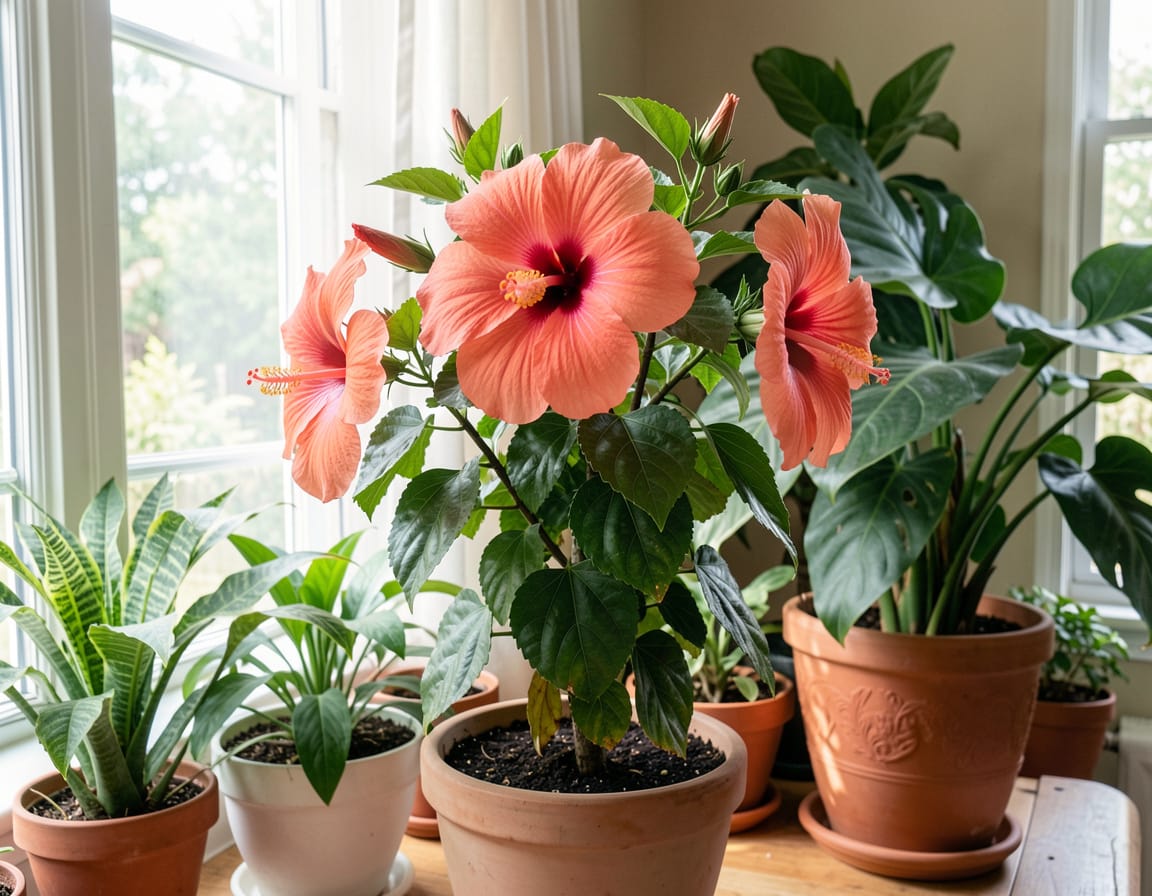
Tropical hibiscus isn’t the same as the hardy hibiscus used in northern gardens. The tropical type is an evergreen shrub that naturally grows in bright, warm, humid coastal regions. Indoors, that means:
- High light (a full southern exposure or supplemental lighting)
- Consistent warmth (65–85°F)
- Even moisture and humidity
- Nutrient-rich but fast‑draining soil
If any of those four factors fall short, the plant will drop buds, yellow, or stop blooming.
Setting It Up Indoors
1. Choose the Right Container & Soil
- Pot: Use a large (at least 12‑inch diameter) pot with several drainage holes. Hibiscus roots are vigorous.
- Material: Clay or ceramic pots breathe better than plastic and help regulate moisture.
- Soil: Mix 2 parts high-quality organic potting mix with 1 part perlite or coarse sand and 1 part compost. This keeps the mix airy yet nutrient-rich.
Pro Tip: Add a thin layer of small stones or broken terracotta at the bottom to ensure water drains freely. Hibiscus hates wet feet.
2. Give It Abundant Light
This is the number one challenge indoors.
- Natural Light: Place in a south- or southwest-facing window, as close to the glass as possible.
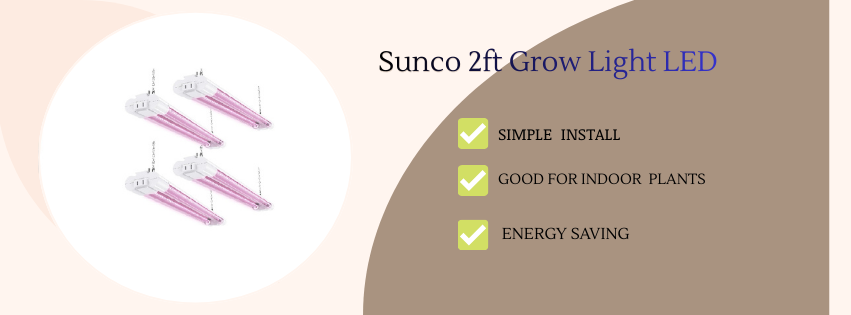
- Supplemental Light: In winter or dim homes, use a full‑spectrum LED grow light for 12–14 hours daily.
- Rotate Weekly: The stems will lean toward the light; rotation keeps even shape.
If your plant isn’t getting enough light, you’ll notice fewer flowers and pale leaves.
3. Maintain Warmth and Humidity
Tropical hibiscus shuts down below 55°F.
- Keep daytime temps 70–80°F; nighttime no lower than 60°F.
- Avoid cold windowsills or air‑conditioning drafts.
- For humidity, use a pebble tray or a room humidifier. Grouping plants also helps maintain micro‑humidity.
4. Water Thoughtfully
Hibiscus likes consistent moisture but not soggy soil.
- Water when the top inch of soil feels dry.
- Always drain excess water.
- Reduce watering frequency slightly in winter (less active growth).
Tip from experience: In dry heated homes, roots dry faster than you expect check twice weekly during winter heating season.
5. Feed Generously During Active Growth
Indoors, hibiscus bloom best with steady organic feeding.
- Use a balanced organic liquid fertilizer (4‑4‑4) every 2–3 weeks from spring through early fall.
- In winter, cut back to once a month or pause entirely if growth slows.
- Avoid synthetic fertilizers; hibiscus roots are sensitive to salt buildup.
6. Prune and Pinch for Shape
Pruning keeps indoor hibiscus compact and encourages branching (and more flowers).
- Pinch new tips lightly throughout the growing season.
- In early spring, prune back about one‑third of the plant before new growth starts.
- Remove any weak or crossing stems.
7. Encourage Blooming
Indoors, hibiscus may not bloom as heavily as outdoors, but you can still get regular flowers.
- Light is crucial. Aim for at least 6 hours of strong light.
- Don’t over‑pot. Slightly root‑bound plants tend to bloom more.
- Feed regularly during active months.
- Avoid sudden stress temperature or humidity drops can cause bud drop.
8. Pest Prevention (Naturally)
Indoor hibiscus can attract spider mites, aphids, or whiteflies especially in dry homes.
Preventive measures:
- Rinse leaves gently in the shower every few weeks.
- Wipe with a damp cloth to remove dust.
- Use a mild neem oil or insecticidal soap if pests appear. Apply early in the day so leaves dry before nightfall.
Never use chemical aerosol sprays indoors those harm air quality and beneficial insects if you move the plant outside later.
9. Seasonal Adjustments
Winter:
- Move closer to light sources.
- Keep warm (above 60°F).
- Reduce watering slightly.
- Consider a small fan for air circulation.
Summer:
- You can place the plant outdoors once nights stay above 60°F.
- Gradually acclimate to outdoor sun over a week.
- Bring it back indoors in early fall before temperatures dip below 55°F.
- Inspect carefully for pests before moving it inside.
10. Common Problems and Fixes
| Symptom | Likely Cause | Expert Fix |
| Yellow leaves | Overwatering or lack of light | Improve drainage, increase light |
| Buds drop before opening | Temperature swings or dry air | Stabilize conditions, raise humidity |
| No blooms | Insufficient light or overfertilizing | Increase light, reduce nitrogen |
| Sticky leaves | Aphids or whiteflies | Rinse, then treat with neem oil |
| Brown, crisp edges | Low humidity or salt buildup | Flush soil, raise humidity |
Sustainable Practices
- Use organic fertilizers and compost teas rather than synthetic feeds.
- Repot every 2–3 years using recycled or compostable potting materials.
- Compost pruned branches rather than discarding.
- Collect and reuse rainwater for watering when possible.
Real‑World Example
A client in Minneapolis keeps her 4‑foot red hibiscus indoors year‑round beside a south‑facing patio door. She runs a compact LED grow light from 7 a.m. to 7 p.m. all winter, waters only when the top inch dries, and mists nearby plants to maintain humidity. Her hibiscus blooms sporadically even in January and thrives outdoors from June through September. The key was consistent warmth and light, not constant watering.
Final Takeaway
Tropical hibiscus can absolutely live and even bloom indoors if you give it strong light, warm temperatures, and careful watering. Treat it less like a casual houseplant and more like a small indoor tree that expects tropical conditions. Once you establish that rhythm, the reward is continuous, dramatic color on a plant that can live for many years.
