Every product is independently reviewed and selected by our editors. If you buy something through our links, we may earn an affiliate commission at no extra cost to you.
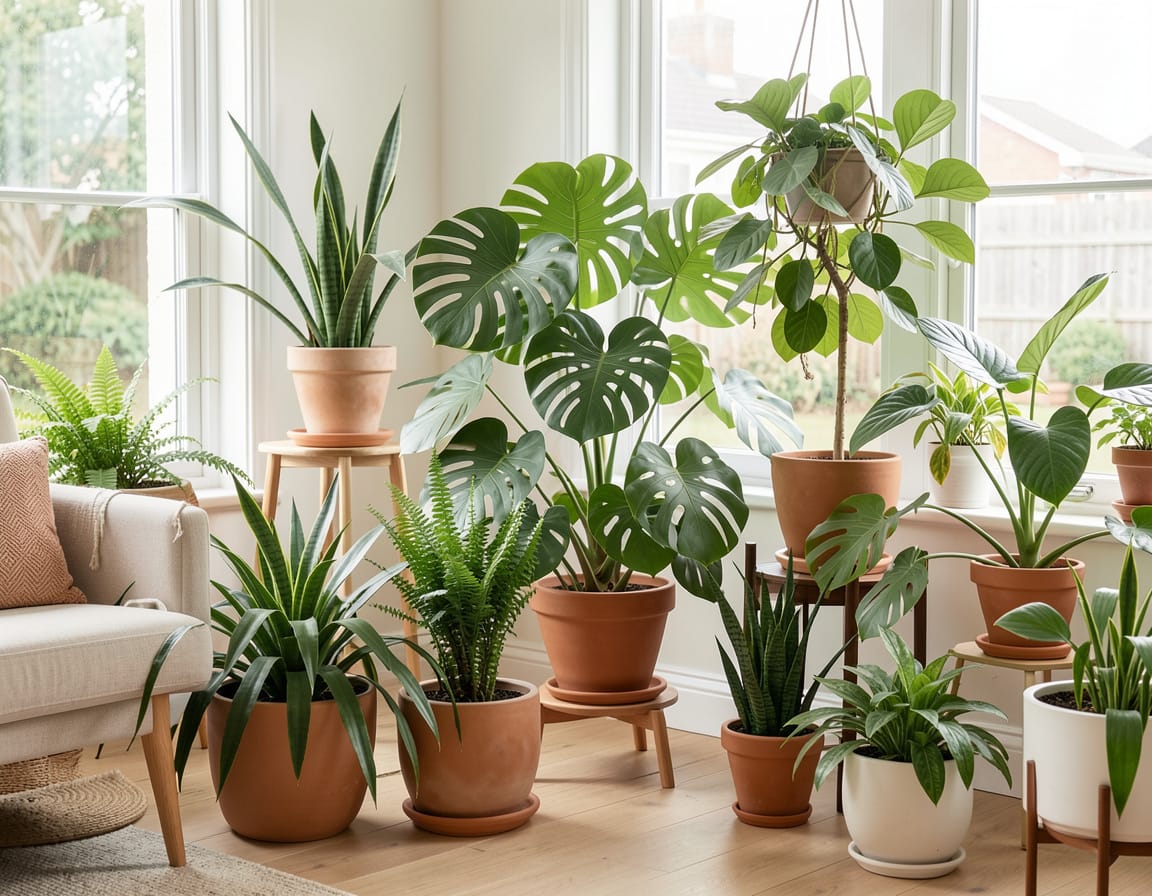
When clients ask me for the most stylish houseplants, what they’re really looking for are plants that combine strong visual impact with low toxicity, easy care, and adaptability to real homes not just staged interiors. Over the past 15 years working with homeowners and renters across the U.S., I’ve found that a stylish indoor plant does three things at once:
- Enhances the room’s natural aesthetic (texture, shape, and color balance)
- Improves indoor air quality and humidity
- Thrives in the typical U.S. indoor climate without chemical fertilizers or heavy maintenance
Here are plants that consistently deliver both beauty and practicality.
1. Fiddle Leaf Fig (Ficus lyrata) Sculptural and Statement‑Making
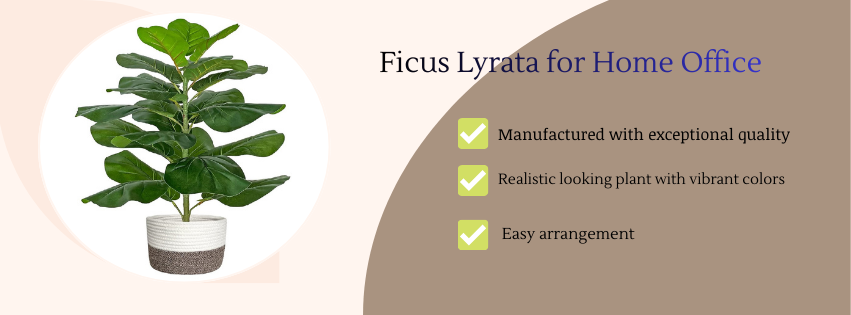
- Style Strength: Architectural leaves that create a dramatic vertical line in open‑concept living rooms.
- Best For: Corners where you want height without clutter.
- Care Tip: Place near a bright, filtered window; avoid cold drafts. Use organic potting mix with coco coir and compost for moisture balance.
- Sustainability Note: Buy from growers who use peat‑free soil blends.
2. Bird of Paradise (Strelitzia reginae or nicolai) Tropical Drama
- Style Strength: Large, paddle‑shaped leaves add movement and a sense of resort calm.
- Best For: Sun‑filled dining or living areas.
- Care Tip: Needs bright indirect to direct light; rotate weekly so leaves grow evenly.
- Pro Tip: Mist occasionally with filtered water to prevent hard‑water spots on leaves.
3. Monstera Deliciosa — Organic Texture Icon
- Style Strength: Instantly recognizable split leaves soften modern furniture lines.
- Best For: Medium‑light rooms or apartments with filtered morning light.
- Care Tip: Water when the top 2 inches of soil are dry; use an organic liquid fertilizer every 6–8 weeks during spring and summer.
- Design Insight: Works beautifully with natural wood tones and woven fiber planters.
4. Rubber Plant (Ficus elastica) Polished and Minimalist
- Style Strength: Glossy, rich leaves (especially the dark “Burgundy” variety) complement minimalist or mid‑century interiors.
- Best For: Entryways or office corners with bright, indirect light.
- Sustainability Tip: Wipe leaves with a damp, chemical‑free cloth instead of commercial leaf shiners.
5. ZZ Plant (Zamioculcas zamiifolia) Effortlessly Chic
- Style Strength: Sleek, symmetrical stems suit modern, monochrome, or small‑space designs.
- Best For: Low‑light apartments and renters new to indoor plants.
- Care Tip: Extremely drought‑tolerant; water sparingly.
- Health Benefit: One of the lowest‑maintenance air‑purifying plants.
6. Snake Plant (Dracaena trifasciata, formerly Sansevieria) Timeless and Architectural
- Style Strength: Upright, sword‑like leaves add structure to otherwise soft interiors.
- Best For: Bedrooms, hallways, or bathrooms with variable light.
- Care Tip: Tolerates neglect; let soil dry out between waterings.
- Design Use: Group three of varying heights for a sculptural effect.
7. Pothos Varieties (Epipremnum aureum) Casual and Versatile
- Style Strength: Trailing vines create natural movement and soften shelves or hanging planters.
- Best For: Bookcases, high ledges, or kitchens.
- Care Tip: Thrives in medium to low light; trim regularly to encourage fullness.
- Sustainable Practice: Propagate cuttings in water and share with friends zero‑waste décor.
8. Parlor Palm (Chamaedorea elegans) Classic and Airy
- Style Strength: Feather‑like fronds lend a relaxed, vintage charm.
- Best For: Rooms with gentle morning or filtered light.
- Care Tip: Keep soil evenly moist but not wet; mist occasionally for humidity.
- Eco Note: Excellent for renters because it tolerates smaller containers and indirect light.
9. String of Pearls (Senecio rowleyanus) Playful Minimalism
- Style Strength: Perfect for hanging planters; adds visual interest without crowding surfaces.
- Best For: Bright kitchens or bathrooms with good airflow.
- Care Tip: Succulent—needs bright light and infrequent watering.
- Design Tip: Works beautifully in ceramic or clay hanging pots for natural contrast.
10. Calathea Varieties (Prayer Plants) Pattern and Personality
- Style Strength: Intricate leaf designs that bring organic art to neutral rooms.
- Best For: Medium light, high humidity areas like bathrooms.
- Care Tip: Use filtered water (they’re sensitive to chlorine) and maintain consistent moisture.
- Well‑Being Bonus: Their rhythmic leaf movement at night adds a calming, living rhythm to your space.
Expert Styling Principles
- Match plant shape to room architecture: Tall, upright plants balance open corners; trailing varieties soften linear furniture.
- Use natural materials: Pair plants with terracotta, rattan, bamboo, or recycled glass planters. Avoid plastic unless it’s recycled or repurposed.
- Group thoughtfully: Odd numbers (3 or 5) create visual harmony. Mix leaf texturesmatte, glossy, and patterned for depth.
- Prioritize placement: Always consider light first, then aesthetics. A thriving plant is far more stylish than a struggling one.
Real‑World Considerations for U.S.A Residence
- Apartments: Stick to low‑maintenance, medium‑light species such as ZZ plant, pothos, or parlor palm.
- Suburban homes with bright rooms: Experiment with larger statement plants like fiddle leaf figs or bird of paradise.
- Low‑light climates (Pacific Northwest, Northeast winters): Use full‑spectrum grow lights with warm color temperature; keep them on a 12‑hour cycle.
- Pets: Research toxicity some Ficus and Philodendron types are mildly toxic to cats and dogs. Opt for parlor palms or calatheas if that’s a concern.
Sustainable Care Habits
- Feed organically: Compost tea or worm‑casting liquid every few months.
- Refresh soil annually: Gently replace the top 2 inches with fresh organic mix and a bit of compost.
- Wipe leaves naturally: Use a damp microfiber cloth no commercial sprays needed.
- Reuse and repurpose: Old terracotta pots, thrifted ceramic bowls, or reclaimed wood stands fit beautifully into organic home décor.
Common Mistakes to Avoid
- Overwatering: Most stylish plants fail from too much love. Always check soil moisture before watering.
- Ignoring light requirements: Style should never override plant health if a plant struggles, relocate it before replacing décor.
- Chemical fertilizers: They can harm indoor air quality and soil life. Stick with organic blends.
- Plastic wrap pots: They trap moisture and encourage root rot. Use breathable materials.
- Crowding: Give plants enough air circulation compact groupings look lush but can invite pests.
Final Thought
Stylish houseplants aren’t about following trends they’re about creating a living, breathable environment that complements your space and supports your well‑being. In every U.S. home I’ve worked in, the most admired plant displays have one thing in common: they’re chosen and cared for with respect for both beauty and nature.
