Every product is independently reviewed and selected by our editors. If you buy something through our links, we may earn an affiliate commission at no extra cost to you.
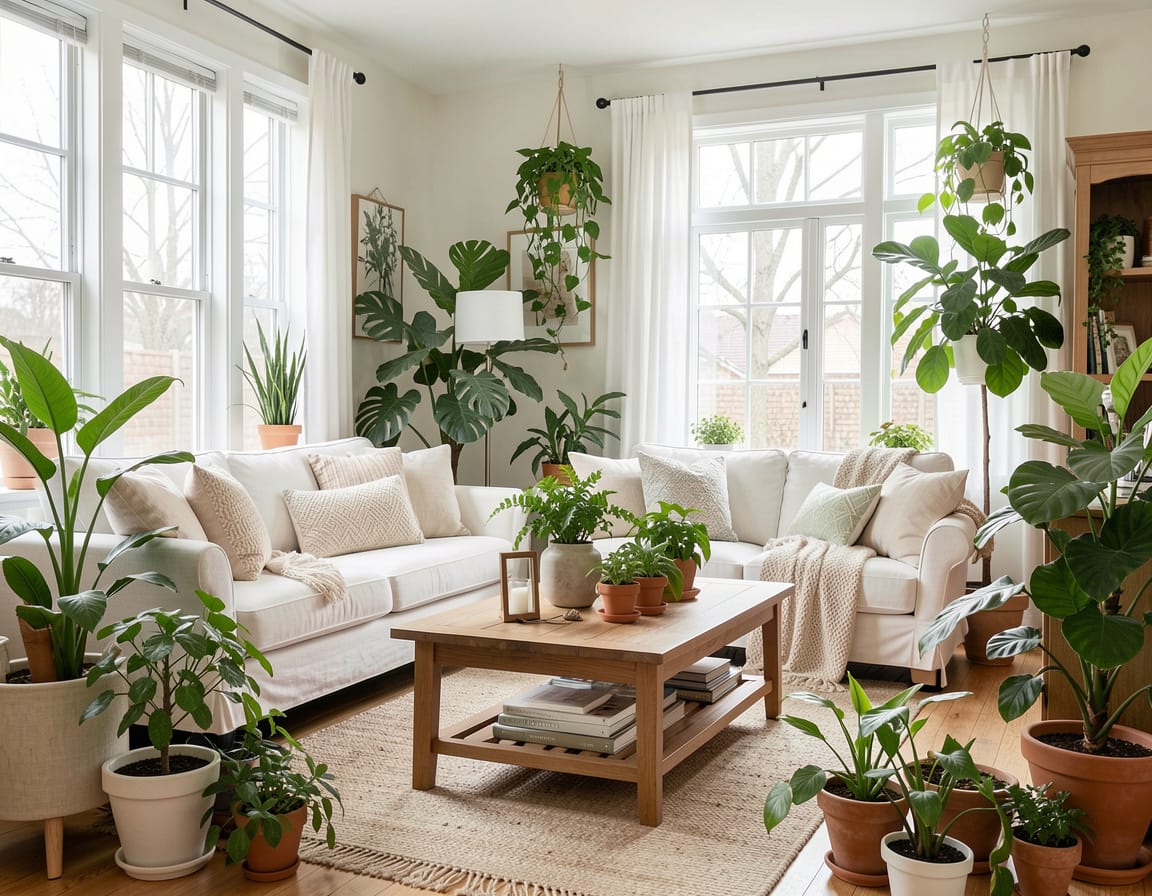
Decorating your living room with indoor plants is an easy way to make the space feel fresh and inviting. Start by mixing plant sizes use tall plants in corners, medium ones near furniture, and small plants on shelves or tables. Choose stylish pots that match your décor, group plants for visual impact, and place them where they get the right light.
Step-by-Step: Decorating Your Living Room with Indoor Plants
1. Assess Your Space and Lighting
- Observe the natural light: Note which areas get direct sun, filtered light, or stay shaded most of the day.
- Match plants to light:
- Bright, direct light: Fiddle leaf fig, aloe, succulents, rubber plant
- Medium light: Monstera, pothos, snake plant, dracaena
- Low light/corners: ZZ plant, sansevieria, philodendron, peace lily
Professional tip: In open-concept or north-facing rooms, use mirrors to reflect light, or supplement with full-spectrum grow lights if needed.
2. Choose a Mix of Plant Sizes and Shapes
- Statement plants: Tall species like fiddle leaf fig, monstera, or bird of paradise create dramatic focal points.
- Mid-size plants: Schefflera, rubber plant, or kentia palm add fullness to empty spaces.
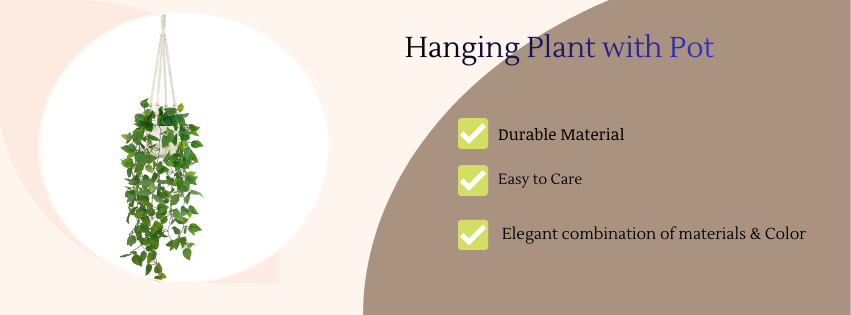
- Trailing/vining plants: Pothos, heartleaf philodendron, or string of pearls are perfect for shelves, mantels, or hanging planters.
- Tabletop & accent plants: Small ferns, snake plants, or calathea work well on side tables, window sills, or grouped in clusters.
3. Integrate Plants with Your Existing Décor
- Use natural planters: Terracotta, ceramic, woven baskets, or reclaimed wood complement an organic home aesthetic and avoid plastic off-gassing.
- Cluster in odd numbers: Groups of 3 or 5 create natural visual interest.
- Vary heights: Place taller plants on the floor, medium on stools or stands, and trailing types on shelves, floating wall mounts, or hanging macramé.
- Layer with other natural materials: Combine greenery with linen pillows, wool throws, or wooden accents for a cohesive, toxin-free look.
4. Highlight Key Living Room Areas
- Corners: Soften hard angles with large leafy plants.
- Window seats/bay windows: Use sun-loving species in bright spots.
- Coffee tables: Place low, non-obstructive plants to maintain sight lines.
- Mantels and shelves: Let trailing plants cascade for organic movement.
- Room dividers: Use tall, bushy plants like areca palm or bamboo palm to subtly separate spaces in open layouts.
- Entryways: Greet guests with a lush, inviting display near the front of the living room.
5. Maintain with an Easy Organic Care Routine
- Water consistently but don’t overdo it: Let most indoor plants dry out slightly between waterings.
- Dust leaves gently: Use a damp cloth every month for healthy, shiny foliage and better air quality.
- Rotate plants: Turn pots every few weeks for even growth.
- Feed with organic fertilizer: A diluted seaweed or fish emulsion monthly during spring/summer is usually enough.
- Check for pests: Inspect before bringing new plants home and treat gently with neem oil if needed.
Organic & Sustainable Choices for Living Room Plant Décor
| Item | Why Use It | Organic/Health Benefit | Sustainability |
| Natural fiber baskets | Planter covers, add texture | No plastic or chemical dyes | Biodegradable, renewable |
| Terracotta/ceramic pots | Breathable, sturdy, classic style | No off-gassing, inert material | Long-lasting, recyclable |
| Organic, peat-free soil | Healthier roots, fewer pests | No synthetic fertilizers/pesticides | Lower carbon footprint |
| Insecticidal soap/neem oil | Non-toxic pest management | Safe for pets and people | Plant-based, biodegradable |
| Watering can or mister | Consistent care | Avoids overwatering, no runoff | Durable, reusable |
| Wooden stands or crates | Layer heights, elevate plants | No VOCs if unfinished/eco-finished | Reclaimed or FSC-certified |
Common Mistakes to Avoid
- Overcrowding: Too many plants can overwhelm the space and make maintenance harder. Start with a few, then add gradually.
- Ignoring light needs: Don’t put sun-loving cacti in shady corners, or shade lovers in direct sun.
- Mixing incompatible plants: Group plants with similar water and light needs.
- Plastic planters and treated wood: These can off-gas toxins; opt for unglazed pottery, baskets, or untreated wood.
- Neglecting drainage: Always use pots with drainage holes or a layer of gravel to avoid root rot.
Real-World Example
I recently redesigned a family living room in a San Francisco Victorian, combining a large fiddle leaf fig by the window, a trio of pothos on floating shelves, and a snake plant in a woven basket near the entry. Natural linen curtains and a wool rug tied the room together. The space felt lively, fresh, and serene—everyone, including the dog, used the room more often.
Local Home Context
- Small apartments: Use vertical shelves, window ledges, or wall-mounted pots to save floor space.
- Open concept homes: Define zones (reading nook, dining area) with clusters of plants.
- Rental homes: Freestanding planters and baskets are easy to move; avoid nailing into walls.
- Low-light living rooms: Stick to ZZ plant, snake plant, pothos, and peace lily.
- High-traffic homes: Choose sturdy, upright plants in stable pots to resist tipping.
Advanced Professional Tips
- Group for humidity: Cluster several plants to naturally boost humidity around them—ideal for ferns and calatheas.
- Self-watering planters: Great for busy families or frequent travelers.
- Mix textures and colors: Combine broad-leafed plants with fine, feathery species for layered interest.
- Rotate displays seasonally: Swap out flowering plants like anthurium or amaryllis for seasonal pops of color.
FAQ: Decorating With Indoor Plants
Q: What’s the easiest indoor plant for a living room beginner? Snake plant (Sansevieria), pothos, and ZZ plant are almost foolproof, tolerate a range of light, and need minimal fuss.
Q: How many plants should I use in a medium-sized living room? Start with three: one large floor plant, one medium table/shelf plant, and one trailing/hanging plant. Add more as you get comfortable.
Q: Can I mix real and artificial plants? For a truly organic, non-toxic home, stick with living plants they clean the air and offer real health benefits. If you must use faux, choose phthalate-free, non-toxic materials.
Q: Are there pet-safe plants for living rooms? Yes Boston fern, spider plant, calathea, parlor palm, and prayer plant are all safe for cats and dogs.
Q: How do I keep plants looking good year-round? Prune dead leaves regularly, dust foliage, and repot when roots fill the pot. Rotate plants seasonally for best health and appearance.
Conclusion
Decorating your living room with indoor plants is one of the most impactful, affordable, and health-promoting ways to enhance your home. By choosing the right species for your light and space, using natural materials, and caring for your plants organically, you create a sustainable, non-toxic sanctuary that benefits your health and your home’s style. Whether you have a sprawling family room or a cozy studio, there’s a plant-based solution that fits bringing beauty, freshness, and tranquility to your everyday life.
For more hands-on organic home décor and indoor gardening advice, follow our expert blog for weekly inspiration and guidance.
