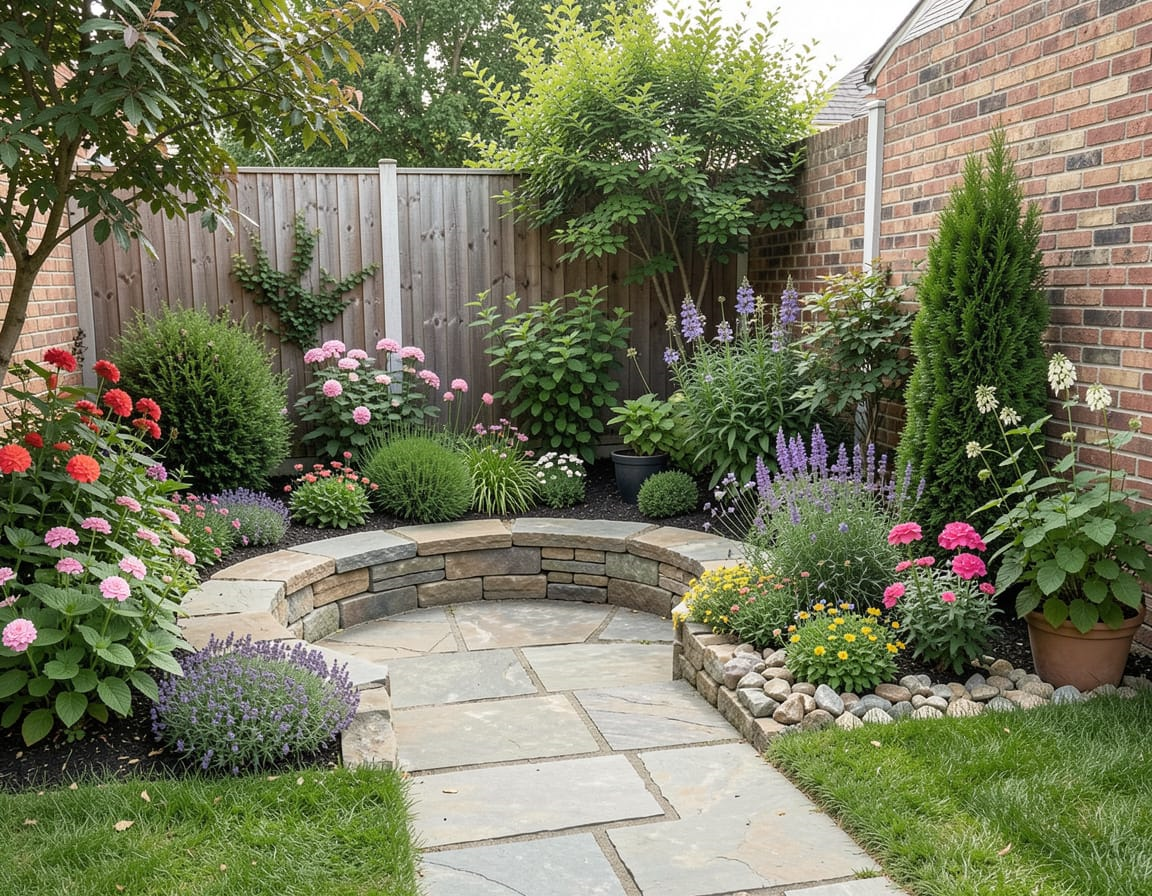
Every product is independently reviewed and selected by our editors. If you buy something through our links, we may earn an affiliate commission at no extra cost to you.
Most small front gardens struggle with the same issues: poor soil, awkward shapes, limited planting space, and the constant battle to keep things tidy. I’ve worked on several tight front plots some barely wider than a front door step and I’ve found that using stone is one of the simplest ways to create structure, cut maintenance, and make plants stand out.
Stone doesn’t just look good. It solves real problems: drainage improves, weeds drop dramatically, and the space feels cleaner and more intentional. Whether you’re working with a tiny strip along the path or a compact square near the entrance, stone gives you options that plants alone can’t.
Why Stone Works So Well in Small Front Gardens
Stone is effective in small spaces because it:
- Makes the garden look larger through clean, uncluttered surfaces
- Helps manage compacted or poor-quality soil (common near front doors and paths)
- Reduces watering needs by keeping soil temperatures stable
- Minimizes maintenance—no mowing, less weeding, no mud splashing
- Adds contrast and texture that enhances even the simplest plants
- Handles sun, shade, and urban pollution far better than traditional lawns
In real gardens, especially small ones, stone acts like a foundation. Once it’s in place, the rest of the design becomes easier.
What Materials You’ll Need
- Decorative gravel, slate chippings, cobbles, or stepping stones
- Weed membrane
- Strong edging (metal, stone setts, timber)
- A rake, bucket, hand trowel, gloves
- A few structural, low‑maintenance plants
- Optional: feature pots, solar lights, boulders, or raised planters
Eco‑friendly tip: choose local stone where possible it reduces transport impact and blends naturally with your region’s landscape.
Step‑by‑Step Small Front Garden Ideas With Stone
1. Create a Simple Gravel Garden With Drought‑Tolerant Plants
This is one of the easiest designs for beginners and works brilliantly in sunny spots.
Steps:
- Clear the area and level the soil.
- Lay edging to contain the gravel (important in small spaces).
- Spread a weed membrane.
- Cut holes only where you plan to plant.
- Add gravel (10–20 mm is ideal).
- Plant lavender, rosemary, dwarf grasses, or sedum.
This combination looks modern, drains beautifully, and needs very little upkeep.
2. Build a Mini Rockery for Texture and Height
If your front garden has an awkward slope or an uneven patch, a rockery makes the problem look intentional.
How to do it:
- Position two or three medium stones or boulders as focal points.
- Add gritty compost around them.
- Plant alpines like creeping thyme, aubrieta, heather, or saxifrage.
- Cover remaining soil with gravel or slate.
The mix of height and texture gives a small garden depth without clutter.
3. Use Stone to Frame a Statement Pot
In tiny gardens, one good pot often looks better than five small ones.
Try:
- A tall glazed pot surrounded by pale gravel
- A concrete planter paired with dark slate chips
- A terracotta pot framed by warm-toned stones
Plant ideas: dwarf olives, bay, small conifers, or evergreen grasses.
4. Add a Stepping‑Stone Path Through Gravel
A few well‑spaced stepping stones instantly make a front garden feel more designed.
Tips from real installations:
- Set stones at a natural walking stride.
- Ensure they sit slightly above the gravel so they don’t wobble.
- Use a contrasting stone color so the path stands out.
5. Choose Slate Chips for Modern Shaded Gardens
If your front garden sits in partial shade, slate is your friend it stays cool, holds moisture better, and looks sleek.
Plant combinations I’ve used successfully:
- Heuchera (many colors to choose from)
- Ferns
- Hakonechloa (Japanese forest grass)
- Dwarf pittosporum
- Hebes
Slate + evergreen plants = a tidy, year‑round look.
6. Create a Cobble Border Along the Path or Driveway
A cobble strip makes edges look sharp and helps manage drainage.
How to use it:
- Lay cobbles in a neat single or double line
- Plant low shrubs behind the cobbles (lavender, boxwood, hebe)
- Cover the soil with gravel for a seamless finish
7. Use Stone with Groundcovers for a Softer Look
If you want stone without the “too dry” appearance, mix in groundcovers that weave through the gaps.
Good options:
- Creeping thyme
- Erigeron (Mexican fleabane)
- Snow‑in‑summer
- Low-growing sedums
These plants thrive with almost no care once established.
Pro Tips & Best Practices
- Choose one main stone type for a small space too many makes it look busy.
- Match the stone color to your home: warm tones for brick, cool tones for grey render.
- Use a weed membrane unless you enjoy regular weeding.
- Add generous soil pockets for each plant; gravel dries quickly.
- Water deeply for the first few months—stone gardens fool beginners into under‑watering.
Common Beginner Mistakes
- Using gravel that’s too fine (it compacts and vanishes into the soil).
- Skipping edging—gravel spreads everywhere without it.
- Overfilling with plants; stone gardens look best with breathing room.
- Placing thirsty plants in full sun next to reflective stone (hostas and hydrangeas struggle).
FAQ
1. What stone is best for a small front garden? Gravel (10–20 mm), slate chips, and cobbles are the most practical and low-maintenance options.
2. Will weeds grow through gravel? A few might, but a good membrane and 3–5 cm of gravel keep weed growth very low.
3. Which plants thrive in stone gardens? Lavender, grasses, rosemary, sedum, thyme, and compact evergreens all do exceptionally well.
4. Is a stone front garden eco‑friendly? It can be—especially if you use permeable gravel, local stone, and drought-tolerant plants that support pollinators.
5. Can I use stone in a shady front garden? Yes. Slate and cobbles work beautifully in shade, especially with ferns and heuchera.
6. Does stone make a garden hotter? In sunny spots, yes—stone reflects heat. That’s why drought-resistant plants are the safest choice.
When NOT to Use Stone
- If your front garden has drainage problems—stone won’t fix standing water
- In extremely windy areas where lightweight gravel may blow around
- If you have toddlers or pets that scatter stones onto pavements
- If your area regulates impermeable materials (check local guidelines)
Alternative Ideas
- Mulched borders (softer, more wildlife-friendly, but more upkeep)
- Groundcover-only front gardens (lush but require patience while plants spread)
- Paved courtyards with a few big pots (clean look, minimal planting)
- Mini front lawns (traditional but highest maintenance)
Each approach has strengths, but stone remains the most beginner-friendly and adaptable.
Conclusion
You don’t need much space to create a stylish, low-maintenance entrance. With the right combination of gravel, slate, cobbles, or boulders, even the tiniest front garden can look structured, modern, and welcoming. Start with one idea—a gravel bed with a few architectural plants or a simple stepping‑stone path—and build from there. Stone is forgiving, long‑lasting, and incredibly effective in small gardens, making it one of the easiest ways to instantly transform your front entrance.
