Every product is independently reviewed and selected by our editors. If you buy something through our links, we may earn an affiliate commission at no extra cost to you.
A self-watering pot is a planter system that provides water to your plant as it needs it, using a built-in reservoir and a simple “wicking” process. Instead of watering from above, the plant draws moisture from below, reducing the risk of overwatering, underwatering, and fungal diseases.
How Do Self-Watering Pots Function?
Here’s how they work, step by step:
1. Water Reservoir
- At the base of the pot is a separate compartment (reservoir) that you fill with water.
- The size varies some hold enough for a week or more, depending on plant and pot size.
2. Wicking System
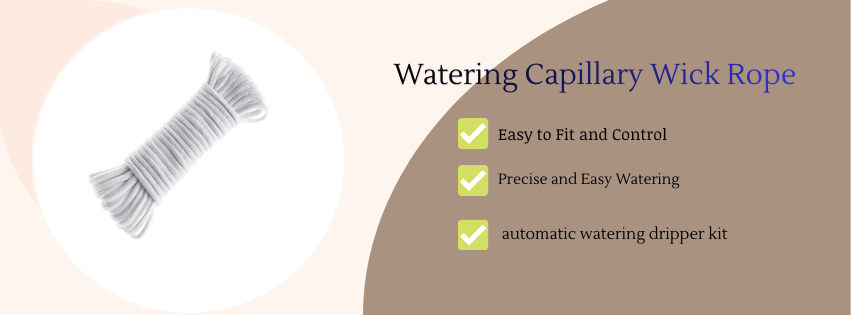
- A wick (often a strip of absorbent fabric, rope, or even the soil itself) extends from the soil down into the water reservoir.
- Water moves upward from the reservoir through the wick by capillary action, delivering moisture to the plant’s root zone as needed.
3. Soil Compartment
- Above the reservoir is the soil/root area where your plant grows, separated by a platform or mesh to prevent soil from sitting in water.
- Some designs use a “foot” or “cone” of soil that reaches into the water, letting moisture rise naturally.
4. Overflow Drainage
- Most good self-watering pots feature an overflow hole so excess water can escape, preventing waterlogging.
- This is one reason they’re safer for indoor use: you’re less likely to get root rot or make a mess.
5. Filling Spout or Indicator
- Many self-watering pots have a fill tube or an indicator that tells you when to add water no guesswork.
Why Use Self-Watering Pots?
From an organic and sustainable perspective, these benefits stand out:
- Consistent Moisture: Plants get what they need, when they need it, which is ideal for organic growth and stress prevention.
- Water Conservation: Less water is lost to evaporation or runoff; you use only what the plant absorbs.
- Fewer Pests and Fungal Issues: Keeping the soil surface drier discourages gnats, mold, and disease.
- Time-Saving: Great for busy households, travelers, or forgetful waterers.
- Enables Organic Fertilizer Use: You can add liquid organic fertilizers to the reservoir in diluted amounts for slow, even feeding.
What Plants Work Best in Self-Watering Pots?
- Leafy greens (lettuce, spinach, kale)
- Herbs (basil, parsley, mint)
- Indoor houseplants (pothos, philodendron, peace lily, spider plant)
- Many vegetables (tomatoes, peppers) and even dwarf fruiting plants
Caution: Plants that require drying between waterings (succulents, cacti, some orchids) are not suited for self-watering pots.
Practical Example
I helped a busy family in a Dallas apartment switch their kitchen herbs to self-watering planters. With organic potting mix and a diluted fish emulsion in the reservoir, they enjoyed consistent, lush growth and went on vacation for a week without losing a single plant.
Organic & Sustainable Tips
- Choose non-toxic, BPA-free pots: Many modern self-watering pots are made from recycled or food-safe plastics.
- Use organic potting mix: For wicking to work, avoid heavy garden soil; use a light, peat-free or coir-based organic blend.
- Clean the reservoir every few months: Prevents algae and mineral buildup, especially if you use organic nutrients.
- Don’t overfill: Use the fill indicator or check overflow holes to avoid roots sitting in water.
Common Mistakes to Avoid
- Using the wrong soil: Dense, clay-heavy soils won’t wick properly and may stay too wet.
- Ignoring the reservoir: Check water levels regularly plants can use up water faster during growth spurts or hot weather.
- Assuming all plants love moisture: Again, drought-loving plants may suffer in constantly moist soil.
- Letting fertilizer build up: Over-fertilizing in the reservoir can cause salt buildup—flush pots with fresh water every few months.
FAQ: Self-Watering Pots
Q: How often do I need to refill the reservoir? This depends on plant size, pot size, and conditions but usually every 5–10 days for most houseplants or herbs.
Q: Can I use self-watering pots outdoors? Absolutely. Just be sure the overflow drain stays clear, especially with heavy rain.
Q: Are self-watering pots organic? They support organic gardening perfectly just use organic soil and fertilizers. The system itself is simply a physical mechanism, not a chemical one.
Q: Do self-watering pots prevent all plant problems? They make watering easier and more consistent, but you’ll still need to repot as your plant grows and watch for nutrient deficiencies or overgrowth.
Q: Can I make a DIY self-watering pot? Yes! Many people repurpose food-safe containers or use wicking rope and a double-pot system. Just ensure clean materials and proper drainage.
Conclusion
How do self-watering pots work? By using an internal water reservoir and a wicking mechanism, these pots let your plant access moisture as it needs, producing healthier, low-maintenance growth. For anyone seeking sustainable, non-toxic indoor or outdoor gardening especially in busy or small-space homes self-watering pots are a practical, organic-friendly solution.
For more expert, experience-driven tips on sustainable indoor gardening and organic home décor, follow our blog for new ideas every week.
