Every product is independently reviewed and selected by our editors. If you buy something through our links, we may earn an affiliate commission at no extra cost to you.
Finding “worms” in your soil can be confusing. Some are healthy and improve the soil, while others like grubs, pot worms, fungus gnat larvae, or root‑eating caterpillars can damage roots and weaken plants.
In my own garden beds and container plantings, I’ve dealt with every kind of soil-dwelling worm-like creature. The key lesson? You can’t remove them effectively until you know which ones you’re dealing with. Once you identify the culprit, natural solutions work surprisingly well.
Below is a clear, experience-based guide on how to get rid of worms in garden soil naturally, organized by the exact type you might be seeing.
First: Identify Which “Worms” You Have
Most gardeners mean one of these:
- Healthy earthworms – long, brown/pink; good for soil
- Grubs – fat, C‑shaped white larvae; harmful
- Fungus gnat larvae – tiny, white, thread-like; harm seedlings
- Pot worms – small, white, wriggly; thrive in soggy soil
- Cutworms – brown/gray caterpillars curled in soil; kill young plants
If you’re unsure, assume it’s one of the problematic ones below earthworms rarely cause plant issues.
Healthy Earthworms (Do NOT Remove)
Earthworms improve:
- drainage
- aeration
- soil fertility
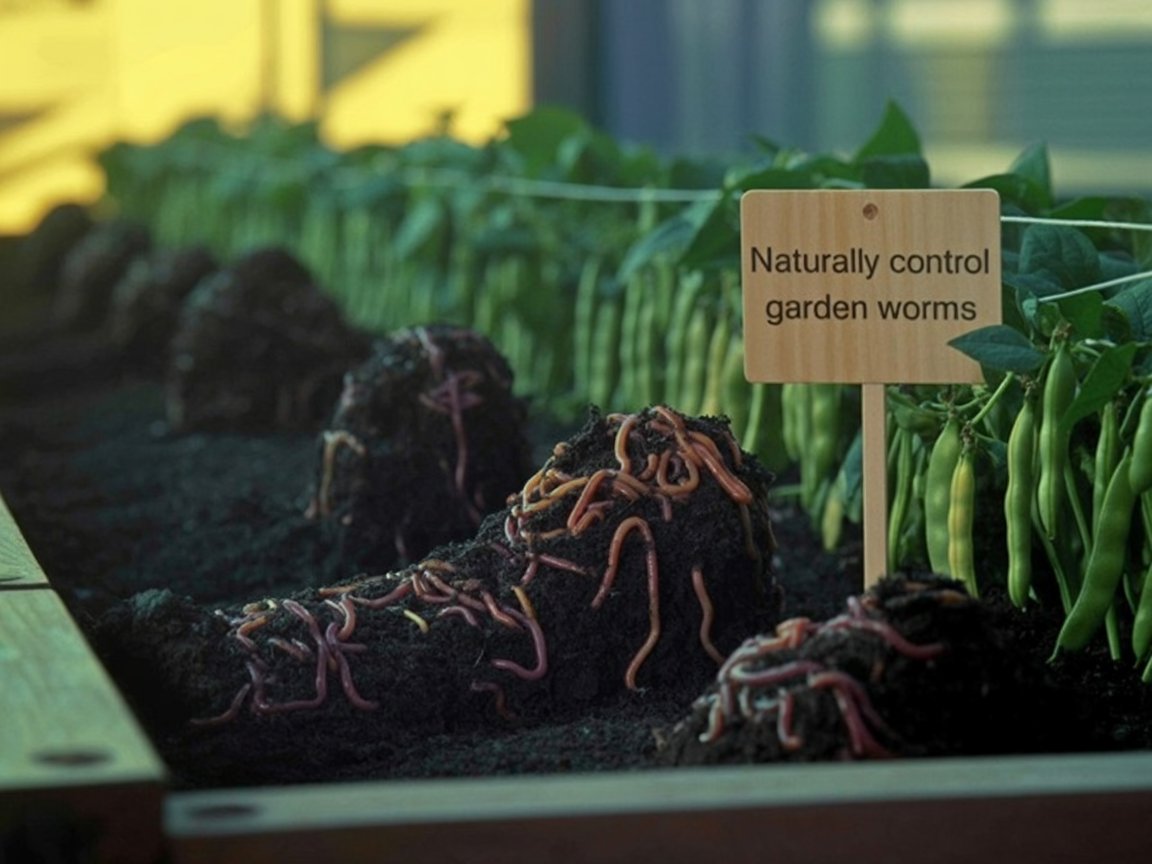
If you see a lot of earthworms, it usually means your soil is rich in organic matter and moisture.
When earthworms become a nuisance: In raised beds or containers, too many worms can over-process soil, making it overly fine. In this case, simply reduce organic inputs and stop adding manure or compost for a while populations naturally balance out.
No removal necessary.
How to Get Rid of Grubs Naturally (The Most Common Harmful “Worm”)
Grubs eat plant roots and cause:
- yellow patches
- wilted seedlings
- weak lawns
- stunted vegetables
Natural methods that work:
1. Beneficial Nematodes The most reliable method I’ve used. These microscopic organisms hunt and kill grubs naturally.
- Apply in early morning or late evening
- Keep soil damp for a week
- Works best in spring and fall
2. Milky Spore (for Japanese beetle grubs) A long-term, organic treatment. Takes time but very effective once established.
3. Hand removal If infestations are small, dig around plant crowns. Grubs are easy to spot and remove.
4. Water less frequently Grubs thrive in consistently moist soil.
How to Get Rid of Fungus Gnat Larvae Naturally
These are tiny, white worms in the top 2 inches of damp soil—especially in seed trays or houseplants. They damage roots of young plants.
Natural solutions:
1. Let soil dry between waterings This is the only method that worked reliably in my seed-starting trays.
2. Top-dress with sand Gnat larvae struggle to wriggle through rough sand.
3. Bottom-water only Keeps the surface dry—gnats can’t lay eggs.
4. Introduce beneficial nematodes They target fungus gnat larvae effectively.
How to Get Rid of Pot Worms (Enchytraeids) Naturally
Common in compost-rich, wet soil. They look like tiny white worms but rarely cause direct plant damage.
Natural fixes:
1. Improve drainage Add bark, perlite, or coarse compost.
2. Reduce watering They disappear as soil dries.
3. Lower soil acidity Mix in a handful of garden lime for raised beds.
In my own container garden, reducing watering solved pot worms within a week.
How to Get Rid of Cutworms Naturally (Root- and Stem-Eating Caterpillars)
Cutworms hide in soil and sever young seedlings at the base.
Natural strategies:
1. Use collars around seedlings Toilet-paper tubes or plastic cups with bottoms removed work perfectly.
2. Hand-pick at dusk They curl up when disturbed easy to find near stems.
3. Sprinkle diatomaceous earth around stems Use only when soil is dry; reapply after rain.
4. Attract predators Birds, toads, and ground beetles keep cutworm populations low.
In my garden beds, stem collars have been the most effective prevention.
Step-by-Step: How to Clean Up Soil Naturally (For Any Worm Problem)
- Remove mulch temporarily Helps dry out the topsoil and exposes pests to predators.
- Aerate the soil Use a hand fork to improve drainage.
- Mix in coarse organic matter Wood chips or shredded bark deter pests that prefer soft soil.
- Water early in the morning Keeps the surface dry at night when pests are active.
Pro Tips & Best Practices
- Overwatering is the #1 cause of harmful soil pests.
- Add compost slowly; excess organic matter attracts larvae.
- Keep containers on pot feet to prevent soggy soil.
- Avoid chemical pesticides they kill beneficial worms and microbes.
- Rotate plants each season to reduce pest buildup.
FAQ: Natural Worm Control in Garden Soil
1. Should I remove earthworms from my garden? No earthworms are beneficial and essential for healthy soil.
2. Why are there so many tiny white worms in my soil? They’re usually pot worms or fungus gnat larvae—both thrive in wet soil.
3. What kills grubs naturally? Beneficial nematodes are the most effective and safe option.
4. Are grubs harmful to vegetable gardens? Yes they chew roots and stunt growth.
5. Can I get rid of soil worms without chemicals? Absolutely. Adjusting moisture and improving soil structure often solves the issue.
When NOT to Remove Worms From Soil
Avoid removing or treating worms if:
- they’re earthworms
- plants are healthy and growing well
- soil is simply rich in organic matter
Strong worm populations are usually a sign of fertile soil, not a problem.
Natural Alternatives to Worm Removal
- Improve drainage
- Increase sunlight exposure
- Add more coarse, woody compost
- Encourage wildlife like robins and toads
These adjustments reduce pest populations without harming the ecosystem.
Conclusion: Mastering How to Get Rid of Worms in Garden Soil Naturally
If you understand which “worms” you’re seeing, learning how to get rid of worms in garden soil naturally becomes simple. Most harmful soil pests disappear when you improve drainage, reduce moisture, and encourage natural predators.
Healthy earthworms should stay they’re one of the best soil builders you can have. But for pests like grubs, fungus gnat larvae, pot worms, and cutworms, gentle, natural methods work reliably and keep your garden’s ecology balanced.
Patience and consistent soil care will always win over harsh chemicals.
