Every product is independently reviewed and selected by our editors. If you buy something through our links, we may earn an affiliate commission at no extra cost to you.
Many new indoor gardeners bring home a mint plant only to watch it collapse within a few weeks yellowing leaves, lanky stems, or soil that stays wet no matter how little you water. I’ve had this happen in my own kitchens, balconies, and shaded apartments over the years, and the pattern is always the same: mint grows aggressively outdoors, but indoors it struggles with low light, stale air, and overwatering.
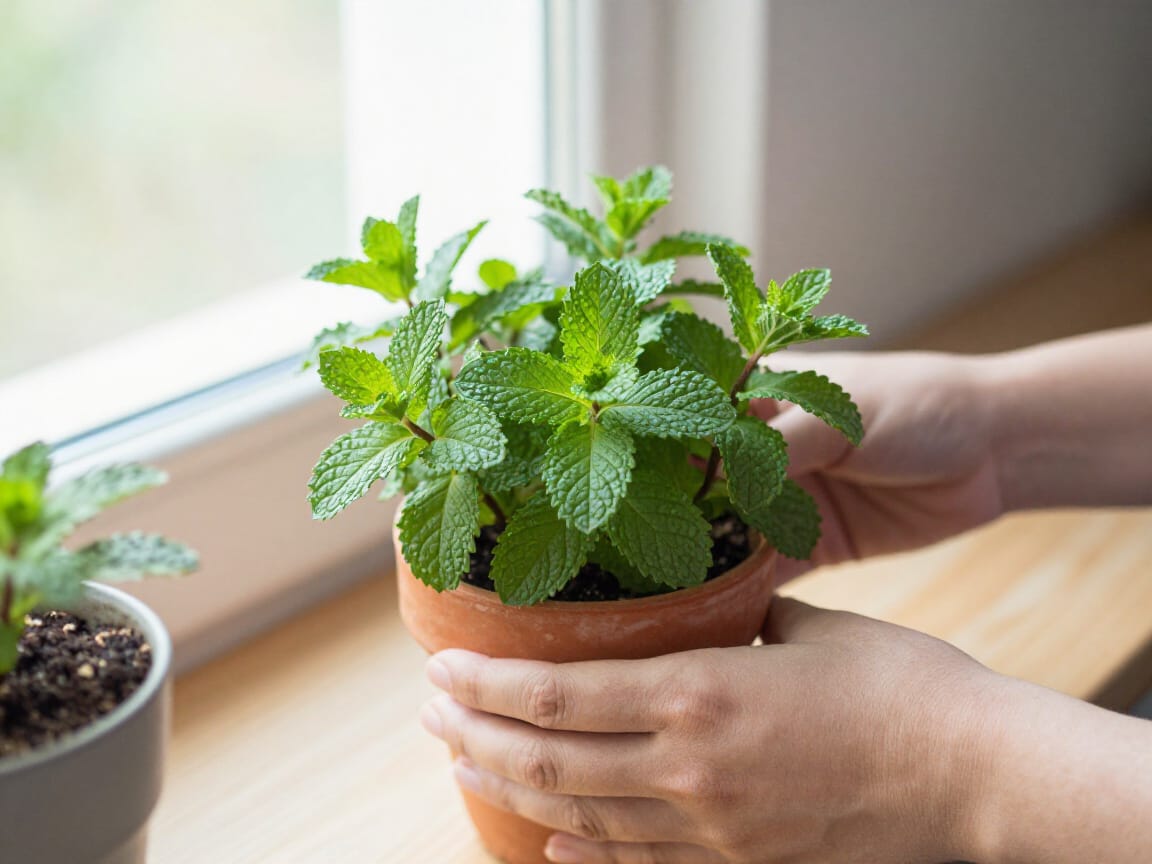
The good news is that a mint plant can thrive indoors if you recreate a few simple outdoor conditions. With the right light, watering habits, and pot setup, mint becomes one of the easiest herbs to keep alive year‑round.
Below is a practical, experience-driven guide you can apply immediately no fancy equipment needed.
Why Mint Struggles Indoors (And Why This Method Works)
Mint is genetically wired to grow fast, branch out, and spread. Indoors, however, it faces a few biological challenges:
- Indoor light is much weaker than outdoor sunlight, so stems stretch and weaken.
- Soil takes longer to dry inside, which suffocates mint’s shallow, oxygen-loving roots.
- Indoor air circulation is low, increasing the risk of fungal issues.
- Heaters and AC units create hot or dry spots that stress foliage.
The method below focuses on correcting these issues with practical, beginner-safe adjustments I’ve tested across multiple indoor setups north windows, east windows, balcony rooms, and even under grow lights.
What You’ll Need
- Healthy mint plant (store-bought or home-grown)
- Pot with drainage holes (critical!)
- Light, well-draining potting mix (Indoor plant mix or a blend of compost + coco coir + perlite)
- Tray or saucer for bottom watering
- Scissors for trimming
- Optional: Small fan or grow light if light is limited
Eco-friendly options:
- Reuse pots or jars with drilled drainage holes
- Compost-based mixes
- Organic liquid fertilizers (diluted)
How to Keep a Mint Plant Alive Indoors: Step-by-Step
1. Choose the Right Location (This Matters More Than Anything)
Mint needs bright, indirect light at least 4–6 hours.
Best indoor spots (in order):
- East-facing window
- South-facing window with filtered light
- Under LED grow lights (6–8 inches above plant)
Avoid:
- North windows (too dim)
- Direct, harsh afternoon sun indoors it overheats fast
- Shelves far from windows (mint becomes leggy in days)
2. Repot Into a Proper Container Immediately
Store-bought mint almost always comes root-bound. Repotting prevents early decline.
Ideal pot:
- 4–6 inches wide
- Good drainage holes
- Light soil that drains quickly
Signs your soil is right:
- It feels fluffy, not dense
- Water passes through in a few seconds
- Leaves stay upright after watering
3. Water Correctly (The Most Common Indoor Mint Problem)
Mint likes moisture but hates soggy roots.
Use this beginner-safe method:
- Water only when the top inch of soil feels dry.
- Water thoroughly until water drains out.
- Empty the saucer after 10–15 minutes.
- In cool homes (winter), water less often usually every 5–7 days.
- In warm homes, it may need water every 2–3 days.
Indoor test from experience: If your mint’s leaves droop and recover after watering, your timing is perfect. If they droop but don’t recover, it’s overwatered.
4. Keep Air Moving Around the Plant
Mint indoors gets fungal spots when the air is too still.
Simple fixes:
- Crack a window for a few hours daily
- Place the plant slightly away from walls
- Use a small fan on low for 10 minutes a day
This mimics outdoor airflow and reduces disease dramatically.
5. Trim Regularly to Encourage Bushy Growth
Mint becomes tall and spindly indoors if you don’t prune it.
How to trim:
- Pinch off the top 1–2 inches above a leaf node
- Harvest small amounts weekly
This forces new branching and keeps your plant compact, leafy, and fresh.
6. Feed Sparingly (Too Much Fertilizer Weakens Mint)
Indoors, mint grows slower and needs very light feeding.
Use:
- Diluted organic fertilizer once a month
- Or compost tea every 4–6 weeks
Signs of overfeeding:
- Soft, oversized leaves
- Weak, floppy stems
Pro Tips & Best Practices
- Rotate the pot weekly so the plant grows evenly.
- Keep it away from heaters mint hates dry, warm air.
- Use bottom watering occasionally to prevent fungus on stems.
- If leaves curl downward, reduce watering frequency.
- If leaves pale, give more light or move closer to a window.
Beginner mistake to avoid: Keeping mint in the plastic nursery pot. It holds too much moisture indoors.
Frequently Asked Questions
1. Why is my indoor mint turning yellow? Usually from overwatering or low light. Let soil dry more between waterings and move the plant closer to bright light.
2. How often should I water mint indoors? Typically every 3–7 days depending on room temperature and pot size. Always check the soil first.
3. Can mint survive indoors in winter? Yes, as long as it has bright light. Using a grow light in winter helps keep it compact and healthy.
4. Why is my mint leggy? It’s stretching for more light. Move it closer to a window or add a grow light.
5. Should I remove flowers from my mint plant? Yes pinching off flowers encourages more leafy growth and better flavor.
6. Can I keep mint in the kitchen? Yes, but keep it away from heat sources like stovetops and radiators.
When NOT to Keep Mint Indoors
Indoor mint care may fail if:
- Your home has extremely low light (no bright windows)
- You keep the plant in a pot without drainage
- Temperatures fluctuate heavily from AC or heaters
- Soil stays wet for more than 5–7 days
If light is the issue, a small grow light is the safest fix.
Alternative Methods for Growing Indoor Mint
1. Grow Mint From Cuttings Pros: Fast, cheap, reliable Cons: Needs an initial healthy stem
2. Grow Mint Under Full-Time Grow Lights Pros: Strong, bushy growth Cons: Requires a small upfront cost
3. Hydroponic Mint Indoors Pros: Very fast growth Cons: Not ideal for beginners or tight budgets
For most home gardeners, a simple repotted plant near a bright window is perfect.
Conclusion
Learning how to keep a mint plant alive indoors comes down to a few essentials: bright indirect light, good drainage, controlled watering, and regular trimming. Once you get these basics right, mint becomes one of the most dependable indoor herbs fresh, fragrant, and ready for harvest year-round.
Be patient, observe your plant closely, and adjust based on its growth. Indoor gardening isn’t about perfection; it’s about small, consistent habits that keep your herbs thriving.
Enjoy the fresh mint aroma and many cups of homegrown herbal tea ahead!
