Every product is independently reviewed and selected by our editors. If you buy something through our links, we may earn an affiliate commission at no extra cost to you.
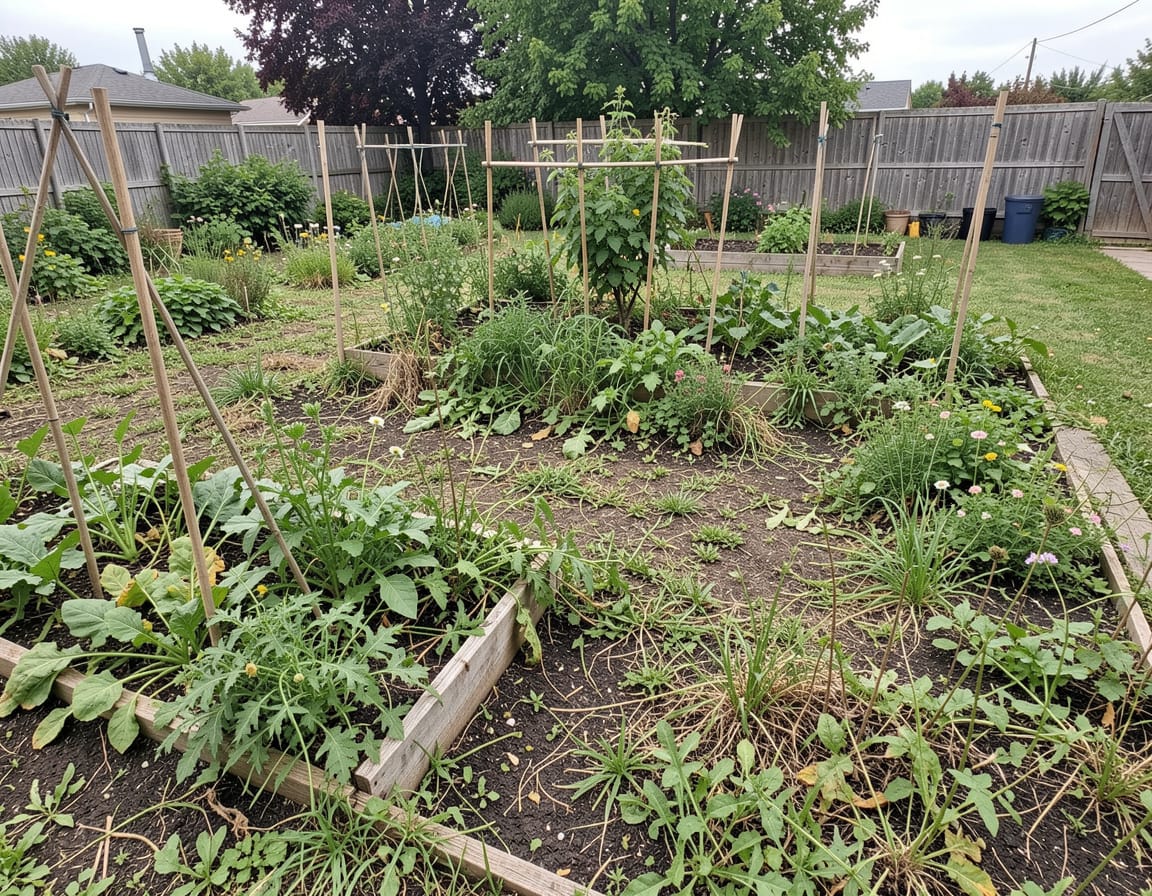
A vegetable garden overrun with weeds can feel impossible to fix. I’ve had seasons where I turned my back for just a week and suddenly the chickweed, crabgrass, and bindweed were running the show. Beginners often think this happens because they “did something wrong,” but really, weeds simply love bare soil, warm temperatures, and regular watering the same things your veggies need.
Clearing a vegetable garden full of weeds doesn’t have to mean ripping everything out or resorting to harsh chemicals. With the right method, you can reclaim your beds quickly, protect soil structure, and get crops growing again without exhausting yourself.
This guide is based on the practical methods I’ve tested in my own small backyard, container beds, and terrace garden over the years.
Why This Method Works
Vegetable gardens get weedy for a few predictable reasons:
- Sunlight hits bare soil
- Topsoil stays moist from irrigation
- Weed seeds live in the top 1–2 inches of soil
- Disturbing the soil brings buried seeds up to the surface
The goal is to remove existing weeds while disturbing the soil as little as possible. When you disturb the soil deeply, buried weed seeds get the light they need and sprout—undoing all your work.
The method below works because it:
- Removes weeds at the surface without flipping the soil
- Protects soil microbes and structure
- Blocks new weed seeds from germinating
- Keeps roots of desired plants safe
- Allows you to replant quickly
It’s efficient, gentle on the soil, and manageable even if you’re gardening in small spaces.
What You’ll Need
Tools and materials vary by garden size, but these are my go‑tos:
- A hand hoe or stirrup hoe (excellent for shallow weeding)
- Garden gloves
- A garden fork (not a shovel less soil disturbance)
- Mulch (straw, shredded leaves, grass clippings, or bark fines)
- A tarp or cardboard (for smothering heavy areas)
- A weeding knife or hori‑hori
- Compost (optional, for restoring the bed after clearing)
Budget-friendly options:
- Old cardboard boxes instead of commercial weed barriers
- Homemade mulch (dry leaves, grass clippings)
- A simple hand fork or kitchen knife for tight spaces
Eco-friendly considerations:
- Avoid landscape fabric in vegetable beds; it restricts soil life
- Skip chemical herbicides harmful to pollinators, pets, and soil microbes
Step-by-Step Instructions for Clearing a Weedy Vegetable Garden
Step 1: Water Lightly the Day Before
Lightly moisten the soil the evening before you weed. Wet enough to be pliable, not muddy.
Why: Slightly damp soil lets roots slide out instead of snapping off.
Step 2: Start with the Largest Weeds
Remove the tall, established weeds first so you can see the soil surface.
How to do this:
- Grip at the base
- Rock gently side-to-side
- Pull slow and steady
If the stem snaps, use a weeding knife to extract the root crown. (In my garden, this is especially helpful for dandelions and plantain.)
Step 3: Use a Stirrup Hoe for the Small Stuff
For carpet-like weeds (chickweed, young grasses), don’t hand-pull them. Use a stirrup hoe or hand hoe to skim the soil surface no deeper than 1 inch.
This severs stems from roots without bringing buried seeds to the top.
Step 4: Avoid Deep Digging
This is the mistake I see most beginners make. Shoveling or rototilling churns up soil, exposing thousands of dormant weed seeds.
Unless you’re removing root-invaders like bindweed, don’t dig deeper than needed.
Step 5: Smother Problem Patches
If you’re dealing with:
- Bermuda grass
- Bindweed
- Creeping buttercup
- Couch grass
…hand-pulling isn’t enough. Cover the area with cardboard or a tarp for 3–6 weeks.
This blocks sunlight, exhausts the roots, and softens the soil for easier removal.
Step 6: Add a Mulch Layer
Once the surface is clear, mulch is your #1 defense.
Use:
- 3 inches of straw
- 2 inches of shredded leaves
- Grass clippings (thin layers only to avoid matting)
- Compost topped with coarse mulch
Mulch keeps weed seeds from getting the light they need to sprout.
Tip: Keep mulch 2 inches away from plant stems to avoid rot.
Step 7: Restore the Bed Before Planting
After weeding, the soil may be a bit depleted or compacted.
Fix this by:
- Adding a 1–2 inch layer of compost
- Loosening the top few inches with a fork (not turning the soil)
Now the bed is ready for planting or replanting.
Pro Tips & Best Practices
- Weed weekly for 5 minutes instead of waiting for problems
- Mulch immediately after clearing
- Water only the base of your vegetable plants, not the bare soil
- Use drip irrigation if possible less surface moisture = fewer weeds
- Leave soil undisturbed as much as possible
- Watch for seedlings that look “too uniform” often weeds, not volunteers
Common beginner mistakes to avoid:
- Rototilling (guarantees more weeds next month)
- Piling mulch directly on plant stems
- Using plastic mulch in hot climates (can overheat soil)
- Trying to pull bindweed roots break and spread
FAQ
1. Why do weeds come back so fast after I clear them?
Usually because the soil was disturbed too deeply or the surface was left bare. Mulching prevents new seeds from germinating.
2. Can I weed a vegetable garden without killing my plants?
Yes. Use shallow hoeing around plants and hand-pulling only the weeds very close to stems.
3. Should I pull weeds when the soil is wet or dry?
Slightly damp soil is ideal. Muddy soil leads to broken roots; dry soil is too hard.
4. How often should I weed a vegetable garden?
Once a week is enough once you’ve mulched. Unmulched beds may need attention every 2–3 days in warm weather.
5. Can I put pulled weeds into my compost?
Seed-free weeds are fine. Weeds with seeds or invasive roots should be solarized or burned, not composted.
6. What’s the fastest way to clear a large weedy garden?
Mow the weeds low, tarp the area for 2–4 weeks, then remove softened roots and mulch. This prevents exhausting digging.
When NOT to Use This Method
This approach may not be ideal if:
- The area is overrun with invasive perennials like bindweed or Bermuda grass (tarping works better)
- Soil is extremely wet or clay-heavy (wait until it dries to avoid compaction)
- You have a no-dig permanent bed system already established (minimize disturbance even more)
If pets or children use the garden area, avoid synthetic herbicides entirely.
Alternative Methods
No-Dig Smothering
- Layer cardboard + compost + mulch
- Best for severely neglected beds
- Low effort but takes 3–6 weeks
Solarization
- Clear the weeds
- Cover soil with clear plastic
- Let sun heat the soil for 4–6 weeks
Good for pathogens but not eco-friendly and can harm beneficial organisms.
Sheet Mulching
- Lay cardboard
- Add 4–6 inches of organic matter
- Plant into it
Great for new gardens but heavy and labor-intensive.
Conclusion
Clearing a vegetable garden full of weeds doesn’t require chemicals, endless digging, or starting from scratch. With shallow weeding, smothering tough patches, and immediately adding mulch, you can reclaim your space quickly and sustainably.
