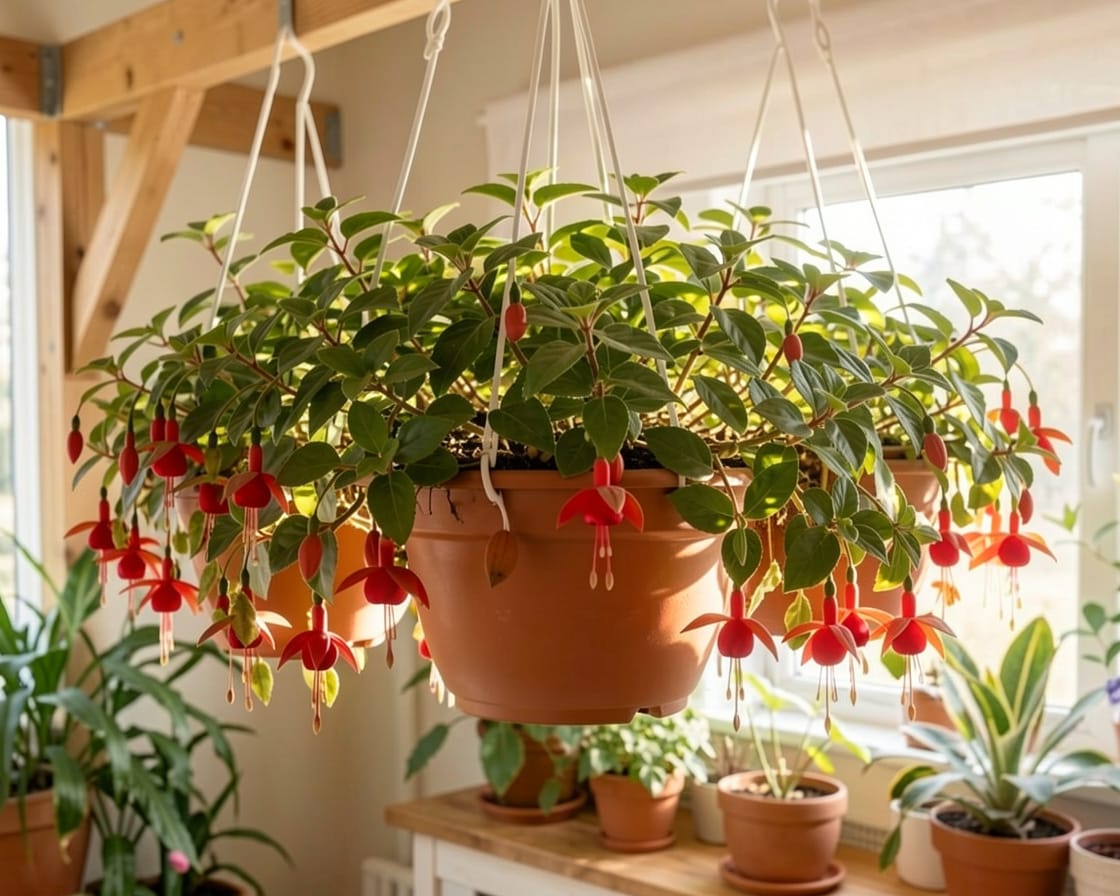
Every product is independently reviewed and selected by our editors. If you buy something through our links, we may earn an affiliate commission at no extra cost to you.
Indoor hanging plants can transform a room until they suddenly start drooping, yellowing, or shedding leaves. I’ve dealt with this firsthand in my own apartment, especially with the plants I hang near windows and corners to save floor space. Indoors, hanging plants don’t get natural rain, receive filtered light, and dry out much slower than outdoor baskets, which often leads to overwatering, poor airflow, and nutrient imbalances.
The good news: once you understand how to care for hanging plants indoor, they become some of the easiest houseplants to manage. This guide is built on real hands-on care from years of tending indoor pothos, philodendrons, trailing peperomias, spider plants, and ferns in small, low-light rooms and bright balconies.
Why Indoor Hanging Plants Need Special Care
Indoor conditions change how plants behave:
- Lower light levels slow growth but increase stretching (leggy vines).
- Reduced airflow means moisture lingers longer in the soil prime conditions for root rot.
- Stable temperatures can cause plants to grow continuously but unevenly.
- Dry indoor air (especially with AC or heaters) stresses humidity-loving plants.
Caring for indoor hanging plants is all about balancing light, moisture, and nutrients in a controlled environment.
What You’ll Need
- Lightweight indoor potting mix (cocopeat + compost + perlite)
- Watering can or squeeze bottle with a narrow spout
- Humidity tray or small humidifier (optional)
- Scissors or pruning shears
- Slow-release or liquid organic fertilizer
- Drip tray or bowl (for watering in the sink)
- Hooks or brackets suitable for indoor ceilings/walls
Budget-friendly alternatives:
- Reuse plastic containers with drilled holes
- DIY compost tea instead of store-bought feeds
- Shallow trays filled with water + pebbles for humidity
How to Care for Hanging Plants Indoor: Step-by-Step
1. Place Them Where They Get Bright, Indirect Light
Indoor hanging plants rarely want direct sun.
Best spots:
- Near east-facing windows
- 1–2 feet away from south- or west-facing windows (not directly in the sun)
- Corners that receive reflected natural light
Signs of poor light:
- Long, stretched stems
- Pale leaves
- Slow growth
Signs of too much light:
- Crispy leaf edges
- Bleached or faded patches
In my home, pothos and philodendrons grow best near bright windows but not in the sunbeam itself.
2. Water Less Often, But More Carefully
Indoor soil dries slowly due to low airflow.
Water only when:
- The top 2–3 cm of soil feel dry
- Leaves start to droop slightly (but still firm)
- The pot feels lighter when lifted
How to water properly indoors:
- Take the pot to a sink
- Water deeply until excess drains out
- Let it sit for 10–15 minutes
- Hang it back only after dripping stops
This prevents accidental mess and avoids constant dampness around the roots.
Never let indoor hanging pots sit in standing water. Root rot happens fast when pots can’t drain freely.
3. Use a Light, Airy Potting Mix
Garden soil is too heavy for indoor hanging plants.
Indoor-friendly soil recipe:
- 50% cocopeat
- 30% compost or worm castings
- 20% perlite
This mixture stays airy, drains well, and prevents fungus gnats.
From my experience, switching to a lighter mix instantly reduced yellowing and improved trailing growth in my hanging peperomias.
4. Feed Regularly (But Lightly)
Indoor plants grow slower, so they need mild, consistent feeding.
Best feeding schedule:
- Liquid seaweed or organic houseplant fertilizer: every 3–4 weeks
- Slow-release pellets: every 8–10 weeks
If leaves are pale or growth is slow, increase feeding slightly. If tips turn brown, reduce feeding—indoor plants burn easily from excess fertilizer.
5. Manage Humidity (Critical for Ferns and Moisture-Lovers)
Indoor air tends to be dry.
Boost humidity by:
- Grouping plants together
- Using a pebble tray under the pot
- Running a humidifier nearby for 1–2 hours a day
Avoid constant misting it encourages fungal issues indoors.
6. Rotate Monthly for Even Growth
Indoor hanging plants lean towards the light source.
Rotate:
- 90° every week, or
- 180° every two weeks
This keeps vines fuller and prevents bald spots on the shaded side.
7. Prune and Train the Vines
Indoor trailers like pothos and philodendron grow beautifully when pruned.
Trim:
- Leggy stems
- Yellow or damaged leaves
- Overlong vines that have few leaves
Pruning encourages fuller, bushier plants. I regularly pinch pothos tips those cuttings root easily in water, giving me new plants.
8. Keep Hooks and Pots Secure
Indoor safety matters especially with kids or pets.
Check for:
- Strong ceiling anchors
- Sturdy macramé or rope hangers
- No cracks in the pot
- Weight capacity of the hook
A fully watered hanging plant weighs much more than a dry one.
Pro Tips & Best Practices
- Water in the morning so the foliage dries faster.
- Use self-watering hanging pots if you tend to underwater or travel often.
- Choose smaller, lightweight pots for weak ceilings or rented apartments.
- Avoid overpotting large pots stay wet too long indoors.
- For fungus gnats, keep the top layer slightly dry and add a thin layer of sand.
Biggest beginner mistake: Keeping soil constantly moist. Indoor plants need air around their roots even more than outdoor plants.
FAQ
Why are the leaves on my indoor hanging plant turning yellow?
Usually from overwatering or poor drainage. Allow soil to dry more between waterings.
How often should I water indoor hanging plants?
Most need water every 5–10 days, depending on light and humidity. Use the finger test never go by calendar alone.
Can indoor hanging plants survive in low light?
Yes, but choose low-light lovers like pothos, philodendron, snake plant, or ZZ plant.
Why is my indoor hanging plant not growing?
Common reasons:
- Low light
- Poor soil aeration
- Lack of nutrients
- Pot too small or rootbound
Is it okay to mist indoor hanging plants?
Occasionally, yes but avoid daily misting. It can cause fungal issues, especially in cooler rooms.
When NOT to Hang Plants Indoors
Avoid hanging indoor plants when:
- The only available spot gets harsh, direct sun
- Your ceilings or walls can’t support heavy pots
- The area is near an AC vent or heater (extremely drying)
- You tend to overwater regularly
Plants like calatheas, large peace lilies, and heavy monsteras usually prefer stable pots, not hanging baskets.
Alternative Options for Indoor Plants
Wall-mounted planters
- Pros: Easy to water and maintain
- Cons: Limited space for roots
High shelves with trailing plants
- Pros: No drilling ceiling hooks
- Cons: Harder to rotate plants for light
Self-watering pots
- Pros: Ideal for busy people
- Cons: Not suitable for all species
Choose the approach that matches your routine and home layout.
Conclusion
Learning how to care for hanging plants indoor starts with understanding how indoor conditions affect moisture, light, and airflow. With proper placement, careful watering, the right potting mix, and consistent feeding, indoor hanging plants stay lush, healthy, and full of trailing growth.
Observe your plants, adjust slowly, and enjoy how they transform your space with natural beauty. Indoor gardening thrives on patience and once you get the hang of it, hanging plants become some of the most rewarding companions in your home.
